TLP:CLEAR · Disclosure is not limited.
Algeria’s Niger deployment decision adds a new security uncertainty
Time window: Last 7 days · Audience: General analyst · Type: Situation report · DTG: 2026-10-30 04:06Z · Overall confidence: MEDIUM
BLUF
Algeria’s reported authorisation of ANP units for Niger is the main new cross-border security development, but the available reporting does not confirm that forces have deployed or establish their size or location. Treat the reported 20,000-person figure, the Madama location and Niamey’s accusation over the Emi Lulu drone strike as unverified.
Executive summary
Reporting for 23 to 30 October centres on Algeria’s decision, approved by parliament on 25 October and announced by the presidency on 26 October, to send ANP units to Niger at Nigerien authorities’ request to protect shared energy and economic interests. No official force size, duration, location or rules of engagement are reported. The estimate of about 20,000 personnel comes from a single, uncorroborated source; Madama is a working hypothesis, not a confirmed deployment site. Niamey accused Chad, with French support, of a drone strike at Emi Lulu on 24 October, but the attribution is not established. The supplied reporting does not document a new FLA or JNIM territorial gain in northern Mali during this reporting period. NASA FIRMS recorded 51 thermal detections in Mali over the two days to 29 October, none high-confidence; thermal detections record heat, not its cause.
Change from previous assessment
Since the 29 October brief, the assessment has added a distinct security development: the reported Algerian parliamentary authorisation and presidential announcement concerning ANP units for Niger, alongside Niamey’s allegation over Emi Lulu. The prior conclusion that Russia-related reporting did not establish a new Russian deployment is unchanged. Confidence remains low on the Algerian force size and location, the alleged strike attribution, and current territorial changes in northern Mali.
Key judgments
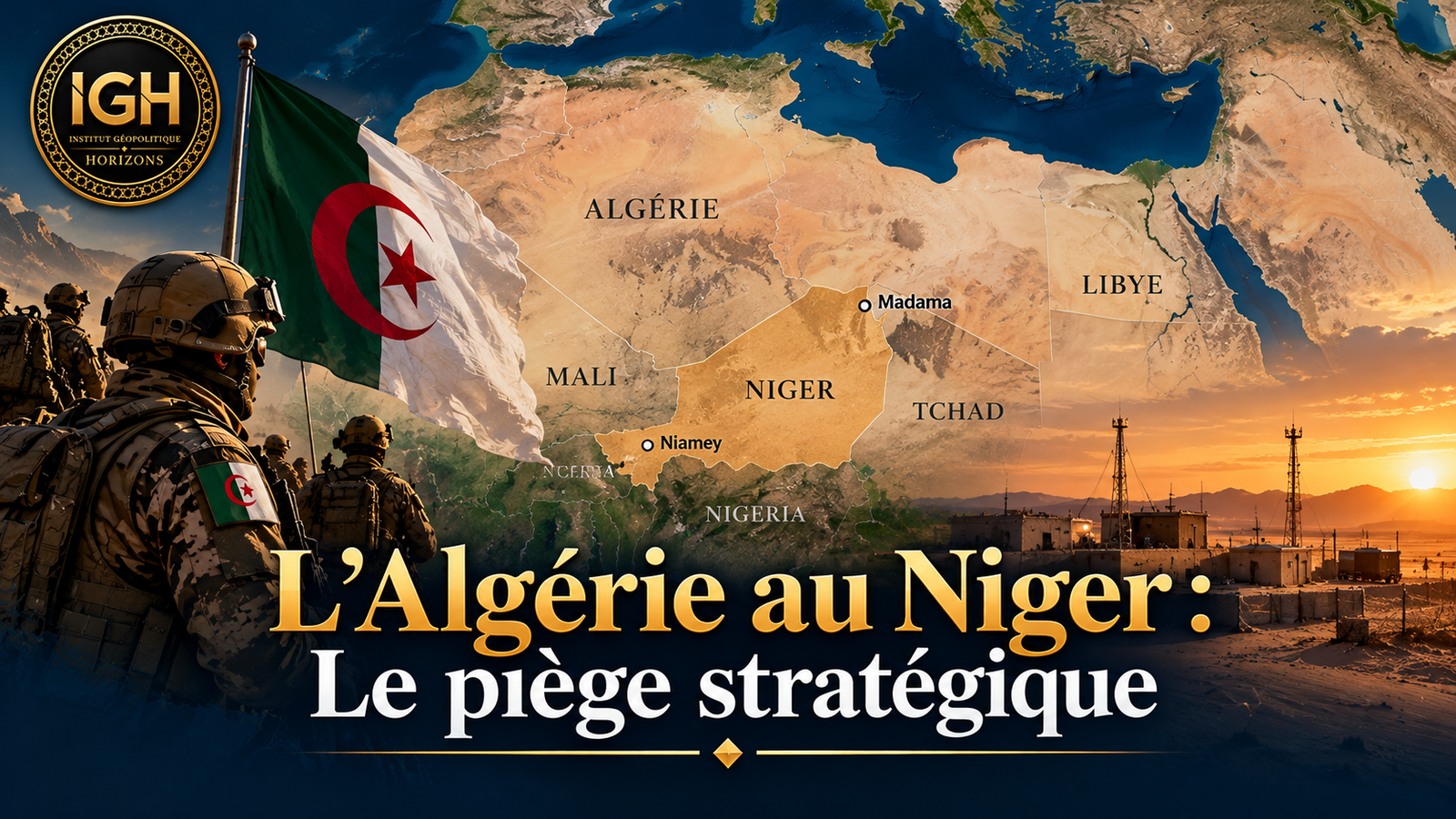
- Algeria’s reported authorisation of ANP units for Niger is a new security commitment, but the available account does not establish that forces have deployed. The Institut Géopolitique Horizons reports that both Algerian parliamentary chambers approved the deployment in closed session on 25 October and that the presidency announced it on 26 October, at Nigerien authorities’ request to protect shared energy and economic interests. This rests on one think-tank account, and its description of a closed-session vote differs from a separate characterisation of the authorisation as public. (Confidence: low · REPORTED)
- I&W: Confirm: an Algerian or Nigerien government statement, or independently verified reporting, identifies ANP units operating at a named site in Niger. (0-14 days)
- I&W: Break: Algiers or Niamey formally clarifies that the 25-26 October decision did not authorise an operational deployment. (0-14 days)
- The reported Algerian force size and location are unlikely to be reliably established from the available record. The estimate of about 20,000 personnel with ground and air support comes from one high-level Algerian military source cited by IGH and is not independently corroborated. IGH identifies Madama as a working hypothesis, while its account also says no official troop numbers, duration, location or rules of engagement have been made public. (Confidence: medium · ASSESSED)
- I&W: Break: a second independent source or an official statement confirms a force count near 20,000 and identifies Madama as the deployment location. (0-30 days)
- I&W: Confirm continued opacity: Algerian and Nigerien follow-up statements still omit force size and location. (0-14 days)
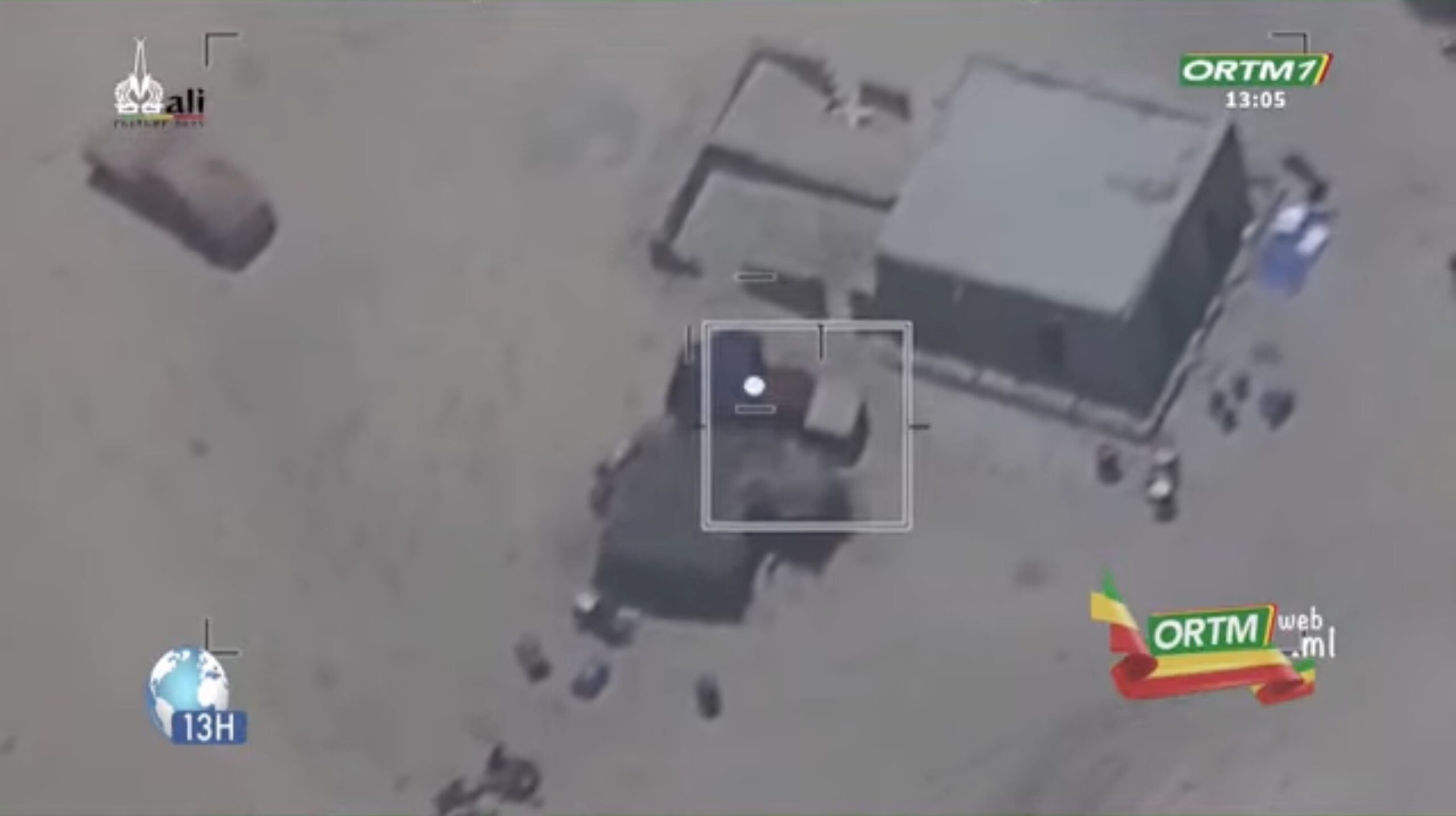
- Niamey’s accusation that Chad, with French support, carried out a drone strike at Emi Lulu on 24 October remains unverified. The supplied reporting records the Nigerien allegation but does not establish the strike’s attribution or French involvement. The account is single-source, and Nigerien authorities’ interest in presenting the threat as shared provides context for assessing the allegation, not proof that it is false. (Confidence: low · ASSESSED)
- I&W: Break: independent forensic or imagery reporting substantiates the strike and identifies a Chad-operated drone, with separate evidence for the alleged French support. (0-30 days)
- I&W: Confirm the attribution remains disputed: Niger, Chad or France issues a formal evidentiary account or denial. (0-14 days)
- Russia’s reported security-accord proposal to ECOWAS remains exploratory, not evidence of a concluded agreement. Reporting also says the Alliance des États du Sahel, comprising Mali, Burkina Faso and Niger, has begun negotiating a new relationship with ECOWAS, but the supplied claims give no proposal text, timetable or evidence of a signed accord. (Confidence: low · ASSESSED)
- I&W: Break: Russia and ECOWAS publish or sign a formal security-accord text. (1-3 months)
- I&W: Confirm the negotiations remain preliminary: subsequent official statements describe talks without announcing an agreement or its terms. (1-3 months)
- The supplied evidence does not support a confident finding of a new FLA or JNIM territorial gain in northern Mali during 23-30 October. A report published on 16 September says the groups seized parts of northern Mali in coordinated attacks during 2026 but does not date those gains; another account describes insurgents taking territory without identifying a dated incident. This is a reporting gap, not evidence that frontlines were unchanged. (Confidence: low · ASSESSED)
- I&W: Break: a dated, independently corroborated report identifies a northern Mali locality where the FLA or JNIM changed territorial control during the reporting period. (0-14 days)
- I&W: Confirm the reporting gap: follow-up reporting still gives no date or named locality for the FLA and JNIM gains described in 2026. (0-14 days)
Outlook & scenarios
Algerian commitment remains opaque (60%)
The most likely near-term course is that the 25-26 October authorisation remains an announced arrangement with no publicly confirmed force size, duration or deployment site. Algeria and Niger continue to cite shared energy and economic interests, while independent evidence of ANP units operating in Niger remains limited.
Emi Lulu allegation becomes a sustained diplomatic dispute (25%)
An unlikely but plausible course is that Niamey’s accusation prompts a sustained public exchange with Chad and France. The dispute remains centred on competing claims unless independent evidence establishes who carried out the alleged 24 October strike and whether France was involved.
Large Algerian deployment at Madama (15%)
A very unlikely, high-impact scenario is that Algeria sends a force near the reported 20,000-person scale, with ground and air support, and deploys it at Madama. The estimate and location currently rest on uncorroborated reporting and a stated working hypothesis, not official confirmation.
Recommendations
- Treat the Algerian decision as an authorisation, not proof that ANP units are operating in Niger. Seek official Algerian and Nigerien clarification on deployment status, force size, duration, location and rules of engagement before using the 20,000 figure or Madama as established facts.
- Keep the Emi Lulu allegation separate from verified incident reporting. Seek independently sourced evidence of the strike and its attribution, and report Niger’s accusation as an allegation unless corroboration emerges.
- Maintain a dated incident and territorial-control log for the FLA and JNIM in northern Mali. Distinguish reports of gains during 2026 from evidence of changes during the current reporting period.
- Treat the 51 NASA FIRMS detections as thermal observations, not evidence of strikes or conflict activity. Seek a location-specific incident account before linking them to a security event.
- Track any published Russia-ECOWAS accord text separately from reports of AES-ECOWAS negotiations. Do not describe a proposal or talks as a signed security agreement.
Confidence & uncertainty
Overall confidence is medium. NASA FIRMS provides a reliable official count of thermal detections, but those detections do not identify a cause. The principal new claims about Algeria’s decision and the Emi Lulu allegation rely on a single think-tank account; the reported force size is explicitly uncorroborated, and the deployment location is described only as a hypothesis. Reporting on territorial changes in northern Mali is undated or does not identify developments within this reporting period.
Intelligence gaps
- [EEI 1.1 · PARTIAL] Number, location, and scale of attacks (IEDs, ambushes, complex attacks) per week against towns, military bases, police posts, or convoys, with casualty and equipment-loss counts. Recommended collection: ground/HUMINT
- [EEI 1.2 · UNCOVERED] Observed movement and size of armed columns (vehicle counts, heavy weapons present) along approach routes to population centers or borders documented by imagery, local reporting, or border guards. Recommended collection: imagery/SATCOM
- [EEI 1.3 · PARTIAL] Reports of occupation, administration, or imposition of checkpoints/taxes by armed groups in named towns, villages, markets, or on specified road segments. Recommended collection: OSINT (local media/social)
- [EEI 1.4 · UNCOVERED] Seizure or acquisition of heavy weapons or air-defense systems (mortars >81mm, artillery, armored vehicles, MANPADS) attributed to specific groups as evidenced by photos, captured weapons inventories, or weapons interdictions. Recommended collection: forensics/field reporting
- [EEI 2.1 · PARTIAL] Internal security force movements: redeployment of army units, garrison withdrawals, or mass troop movements toward/away from capitals and regional command posts. Recommended collection: imagery/SATCOM
- [EEI 2.2 · PARTIAL] Detentions, public dismissals, resignations, or public statements by senior military, police, or government officials indicating factional splits (named individuals, ranks, units). Recommended collection: diplomatic/OSINT
- [EEI 2.3 · PARTIAL] Changes in foreign military footprints or security agreements: arrival/departure of foreign troops, opening/closure of foreign bases, visible presence of private military contractors (identified personnel/vehicles). Recommended collection: OSINT/imagery
- [EEI 2.4 · PARTIAL] Targeted external support actions: sanctions, suspension of aid, delivery of weapons or logistics from foreign state or non-state actors (documented shipments, bank transfers, public announcements). Recommended collection: financial/diplomatic
- [EEI 3.1 · UNCOVERED] Interdictions or seizures at borders/markets of weapons, ammunition, fuel, or contraband (type/quantity, seizure location, alleged origin/destination). Recommended collection: border/customs
- [EEI 3.2 · UNCOVERED] Recorded movements of known smuggling routes and convoy volumes: counts of commercial/privately registered vehicles and informal river crossings on specific cross-border corridors. Recommended collection: ground/HUMINT
- [EEI 3.3 · UNCOVERED] Monitored financial flows linked to illicit trade: large cash movements, changes in declared gold exports at named mines/ports, or arrests of money couriers with amounts and origins. Recommended collection: financial/forensics
- [EEI 3.4 · UNCOVERED] Observed changes at border security posts: closures, reductions in personnel, destroyed checkpoints, or documented agreements allowing free movement at named crossings. Recommended collection: imagery/OSINT
Red cell review: CONCUR
TLP:CLEAR