TLP:CLEAR · Disclosure is not limited.
Bahrain Drone Claims Deepen Gulf Tensions; Hormuz Status Unverified
Time window: Last 1 day · Audience: General analyst · Type: Situation report · DTG: 2026-11-15 11:13Z · Overall confidence: HIGH
BLUF
The IRGC’s 15 November claim of a six-drone attack on a US radar in Bahrain marks a new reported escalation, but Bahrain says its defences intercepted the drones and damage remains unconfirmed. A further vessel-related incident in the Strait of Hormuz is likely within 14 days; current reporting does not establish that commercial traffic has stopped completely.
Executive summary
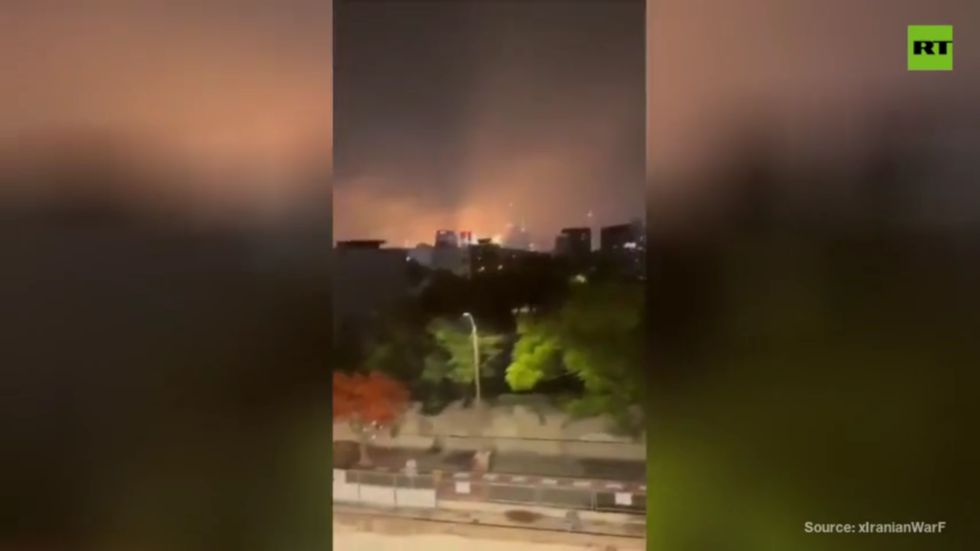
On 15 November, the IRGC said it launched six drones at a US air-defence radar at Al-Riffa in Bahrain. Bahrain’s Defence Force said it intercepted the incoming drones, and CENTCOM had not confirmed damage or casualties at the time of reporting. The attack’s outcome remains disputed, and one report places the target at a US naval base in Manama rather than Al-Riffa. The IRGC also declared the Strait of Hormuz closed. Iranian naval accounts reported tanker mine strikes on 14-15 November, but they differ on the number and type of vessels, and Reuters said it could not verify a mine-strike report. Iran’s Foreign Ministry says discussions with the US have not reached nuclear details; a separate report says Tehran has sent conditions through Qatar and is awaiting a US response.
Change from previous assessment
Since the 14 November brief, the assessment has shifted from warning of a possible further vessel incident to recording a new IRGC claim of a six-drone attack on a US radar in Bahrain on 15 November. Bahrain says it intercepted the drones, and radar damage remains unresolved. The assessment of near-term maritime risk remains, but the latest mine reports still lack independent verification and do not establish a complete closure of the Strait of Hormuz. Baghaei’s statement that nuclear discussions have not reached substantive details reinforces the assessment that a near-term agreement is unlikely, while reported Qatar-mediated contact continues.
Key judgments
- An IRGC drone attack attempt against a US air-defence radar in Bahrain on 15 November is very likely, but whether any drone damaged the radar remains unresolved. The IRGC said it launched six drones, while Bahrain’s Defence Force said it intercepted the incoming drones; CENTCOM had not confirmed damage or casualties. Most accounts identify Al-Riffa, while one report places the target at a US naval base in Manama. (Confidence: medium · REPORTED)
- I&W: Bahrain’s Defence Force or CENTCOM publishes a post-incident assessment or geolocated imagery showing damage to the Al-Riffa radar. (0-14 days)
- I&W: Bahrain’s Defence Force or CENTCOM publishes a dated operational-status statement confirming the Al-Riffa radar remained functional and that no drone reached its target. (0-14 days)
- A further Iranian drone or missile attack against US-linked assets in Bahrain is likely within the next 14 days. Iran launched drones toward a US radar facility in Bahrain on 13 November, and the IRGC claimed another attack on 15 November; Iranian officials have also warned of retaliation for further US-Israeli attacks. The reported sequence supports this forecast, but the outcome of the 15 November attack remains contested. (Confidence: medium · ASSESSED)
- I&W: Bahrain’s Defence Force or CENTCOM reports another Iranian launch or interception directed at a US-linked site in Bahrain. (0-14 days)
- I&W: No Bahrain air-defence alert, Iranian attack claim, or official report of an attempted strike occurs during the full 14-day period. (0-14 days)
- A further vessel-related security incident in the Strait of Hormuz is likely within 14 days, but the reported tanker mine strikes on 14-15 November remain unverified. Iran says it restricts passage and that vessels using unauthorised routes struck mines. Accounts differ on whether one or two vessels were involved and whether the cargo was oil or LNG; Reuters said it could not verify a mine-strike report. (Confidence: low · ASSESSED)
- I&W: A named vessel operator or maritime authority reports a specific ship damaged by a mine in the Strait of Hormuz. (0-14 days)
- I&W: No new vessel incident is reported and maritime authorities document routine commercial crossings throughout the 14-day period. (0-14 days)
- It is unlikely that the IRGC’s declaration that the Strait of Hormuz is closed establishes that all commercial transit has stopped. The available reporting records Iran’s closure claim but provides no contemporaneous transit count, so the operational status of commercial traffic remains unverified. (Confidence: low · ASSESSED)
- I&W: A maritime authority publishes a zero-transit tally for commercial vessels through the Strait of Hormuz over at least 72 consecutive hours. (0-14 days)
- I&W: A maritime authority or vessel operators document commercial transits through the Strait of Hormuz. (0-14 days)
- A US-Iran nuclear agreement is unlikely within the next 14 days, although indirect contact through Qatar is reportedly continuing. Iranian Foreign Ministry spokesperson Esmaeil Baghaei said discussions had not reached details of the nuclear issue, while Mohammad Bagher Ghalibaf said Iran had sent conditions through a Qatari mediator and awaited a US response. Donald Trump said Washington did not need an agreement with Tehran. (Confidence: medium · ASSESSED)
- I&W: Washington publicly acknowledges a response to Iran’s Qatari-mediated conditions and both sides announce substantive nuclear discussions. (0-14 days)
- I&W: Baghaei repeats that nuclear details are not under discussion and no US response to the Qatari-mediated conditions is reported. (0-14 days)
- The available reporting does not establish an operational Iranian drone plot against Donald Trump or senior US administration officials. The reported Mossad warning relies on Israeli and US sources cited by Israel Hayom; reports of increased US security measures do not independently confirm the alleged plot. (Confidence: low · ASSESSED)
- I&W: A US authority publicly confirms actionable intelligence and provides specific details about a plot’s intended target, method, or timing. (0-14 days)
- I&W: US or Israeli authorities publicly correct or dismiss the reported warning as unsubstantiated. (0-14 days)
Outlook & scenarios
Continued guarded exchanges (55%)
The IRGC is likely to maintain pressure through drone or missile activity and warnings over Bahrain and the Strait of Hormuz. Bahrain’s air defences are likely to continue reporting interceptions. The status of the Al-Riffa radar and commercial transit through Hormuz remain unresolved, without a confirmed wider US response.
Reciprocal escalation in the Gulf (25%)
Confirmation of damage or casualties at Al-Riffa, or another Iranian attack on a US-linked site in Bahrain, would increase pressure on Washington to respond. US strikes on Iranian military sites would likely prompt further IRGC action against US assets or shipping in the Strait of Hormuz.
Qatar-mediated diplomatic containment (15%)
Iran and the US exchange formal responses through Qatar and agree to pursue de-escalation. This would reduce immediate pressure for further attacks, but a near-term nuclear understanding would remain unlikely while Tehran says nuclear details are not under discussion.
High-impact widening of the conflict (5%)
Iran acts on the General Staff’s threat to target homes of US or Israeli officials in the region, or the reported drone plot against Donald Trump proves operational. The plot allegation is uncorroborated in the available reporting. An attack on an official would likely widen the conflict beyond Gulf military installations.
Recommendations
- Keep the IRGC’s claim of a successful strike separate from Bahrain’s interception account. Do not report radar damage as confirmed until Bahrain or CENTCOM provides a damage assessment or verifiable imagery.
- Track Bahrain Defence Force and CENTCOM statements, air-raid alerts, and any further IRGC claims through 29 November. Record the reported target location precisely, distinguishing Al-Riffa from the separate report naming a US naval base in Manama.
- Do not treat the IRGC’s declaration of closure as evidence that commercial transit has ceased. Seek current transit counts and vessel-specific confirmation before assessing the reported mine incidents.
- Monitor whether Washington responds to the conditions Iran reportedly sent through Qatar and whether either side confirms discussions of nuclear details, sanctions, or the naval blockade.
- Keep the reported threat to Donald Trump and senior US officials in a separate, low-confidence line of reporting. Seek US or Israeli confirmation before using it to assess an operational Iranian plot.
Confidence & uncertainty
Overall confidence is high in the core reported sequence because multiple major-media and wire reports carry the IRGC’s account of a six-drone attack and Bahrain’s account that its defences intercepted the drones. This corroborates the competing official accounts, not damage to the radar. The main uncertainties are the strike’s outcome and precise location, the unverified and inconsistent tanker mine reports, the absence of a current transit count for Hormuz, and the reliance on official or single-source claims for some diplomatic and threat reporting.
Intelligence gaps
- [EEI 1.1 · UNCOVERED] Concentrations or unusual movements of IRGC-Navy fast attack craft, small boat swarms, or escort vessels within 200 km of US/allied ships, including approach distances and formation changes. Recommended collection: maritime/AIS
- [EEI 1.2 · PARTIAL] Detected pre-launch activity at coastal missile or rocket batteries (vehicle dispersal, fuel/warhead handling, radars powering up, transport erector launchers moving to firing positions). Recommended collection: imagery/signals
- [EEI 1.3 · PARTIAL] Increased launch/arming/positioning of armed UAVs (MALE/loitering munitions) or tactical aircraft at Iranian coastal bases with sortie generation rates and munitions loadouts. Recommended collection: air/ADS-B/imagery
- [EEI 1.4 · PARTIAL] Command-and-control indications of attack orders or elevated rules-of-engagement from IRGC/General Staff (intercepted communications, internal order messages, force-wide alert messages). Recommended collection: signals/human
- [EEI 2.2 · UNCOVERED] Issuance of formal orders, mobilization directives, travel restrictions, or official internal communications within IRGC/Armed Forces indicating escalation posture or stand-down. Recommended collection: human/diplomatic
- [EEI 2.3 · UNCOVERED] Directives, logistics movements, or communications from Iranian commanders to regional proxy militias (Houthis, Iraqi Shia militias, Lebanese groups) that change their threat posture or task them with specific operations. Recommended collection: signals/human
- [EEI 3.3 · UNCOVERED] Commercial indicators of disruption: sudden increases in war-risk insurance premiums for Gulf transits, vessel re-routing decisions, port throughput reductions, or charter cancellations for Gulf shipments. Recommended collection: financial/commercial
- [EEI 3.4 · UNCOVERED] Movements or posture changes of regional state navies/air forces (Saudi, UAE, Kuwait, Bahrain, UK) such as task group departures, airbase dispersals, or announced maritime patrols near choke points. Recommended collection: open-source/imagery
Red cell review: CONCUR WITH COMMENT
TLP:CLEAR