TLP:CLEAR · Disclosure is not limited.
Bolivia: 90-day state of emergency amid 50-day blockade crisis and widening security operations
Time window: Last 7 days · Audience: General analyst · Type: Situation report · DTG: 2026-06-27 06:12Z · Overall confidence: MEDIUM
BLUF
President Rodrigo Paz imposed a 90-day state of emergency on 20 June 2026 to break nationwide road blockades that have choked supplies and halted the economy. Security forces have begun clearing key barricades as shortages and reported deaths mount, while limited union deals and U.S. assistance open space for a negotiated off-ramp.
Executive summary
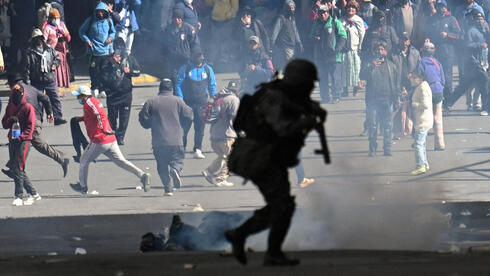
After more than 50 days of road blockades led by unions and Indigenous groups demanding the reinstatement of fuel subsidies cut by President Rodrigo Paz in May, Bolivia is under a state of emergency that authorises wider military deployment to clear routes and restore essential flows. Major cities, including La Paz and Tilata in La Paz department, face acute shortages of fuel, food and medicine, and industry estimates peg losses at roughly 6 percent of annual output. Soldiers with bulldozers have started razing barricades, and authorities report dozens of deaths and hundreds of arrests linked to the unrest and access disruptions. Paz has accused Evo Morales of backing the movement, even as his government signed at least one agreement with organised labour and engaged the Central Obrera Boliviana. Washington is providing emergency food aid and logistics and has told Paz it is ramping up assistance. There is some variance in public reporting on exact dates, but multiple consistent accounts support the emergency’s scope and the security posture now unfolding.
Key judgments
- Bolivia is almost certainly under a 90‑day state of emergency declared by President Rodrigo Paz on 20 June 2026, granting broad authority to deploy the armed forces to clear road blockades and restore supplies, despite minor date variance in some reporting. (Confidence: high · REPORTED)
- I&W: Government publication of the emergency decree text and implementing orders confirming 90‑day duration and armed forces support to police operations (0-14 days)
- I&W: Congress publicly challenges or moves to overturn the decree following notification requirements (0-14 days)
- It is very likely the blockades have severely disrupted the economy for roughly 50 days, causing acute shortages nationwide and about 3 billion dollars in losses, around 6 percent of annual output. (Confidence: high · REPORTED)
- I&W: Cámara Nacional de Industrias issues updated loss estimates at or above 3 billion dollars (1-3 months)
- I&W: Sustained resupply of fuel and food into La Paz and other major cities reported by national media (0-14 days)
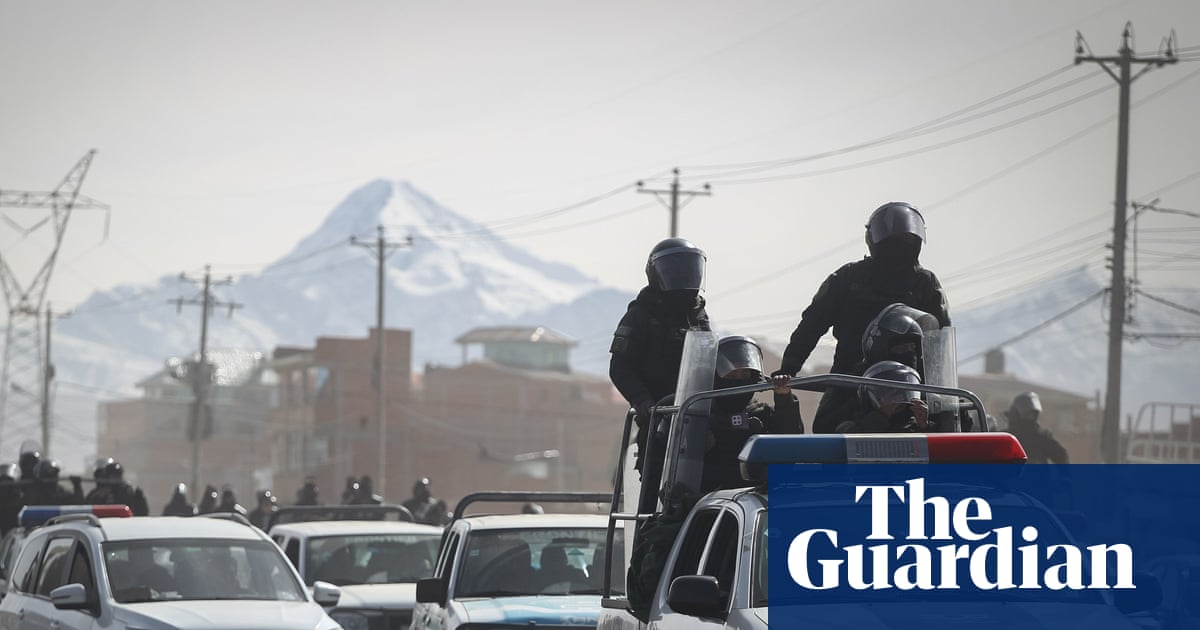
- Security forces are very likely executing nationwide clearance operations under emergency authorities, with soldiers and bulldozers already razing anti‑government roadblocks and officials reporting key barricades cleared. (Confidence: high · REPORTED)
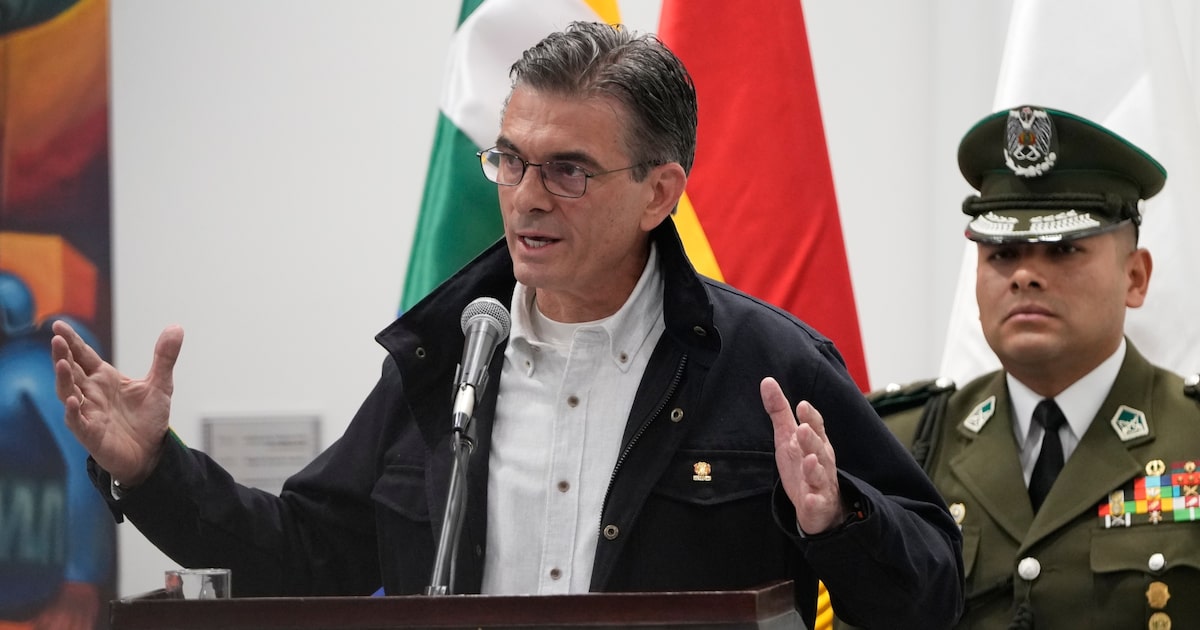
- I&W: Defence Minister Ernesto Justiniano or the armed forces publish route‑by‑route updates of reopened corridors (0-14 days)
- I&W: New mass blockades reappear on cleared approaches to La Paz reported by national outlets (0-14 days)
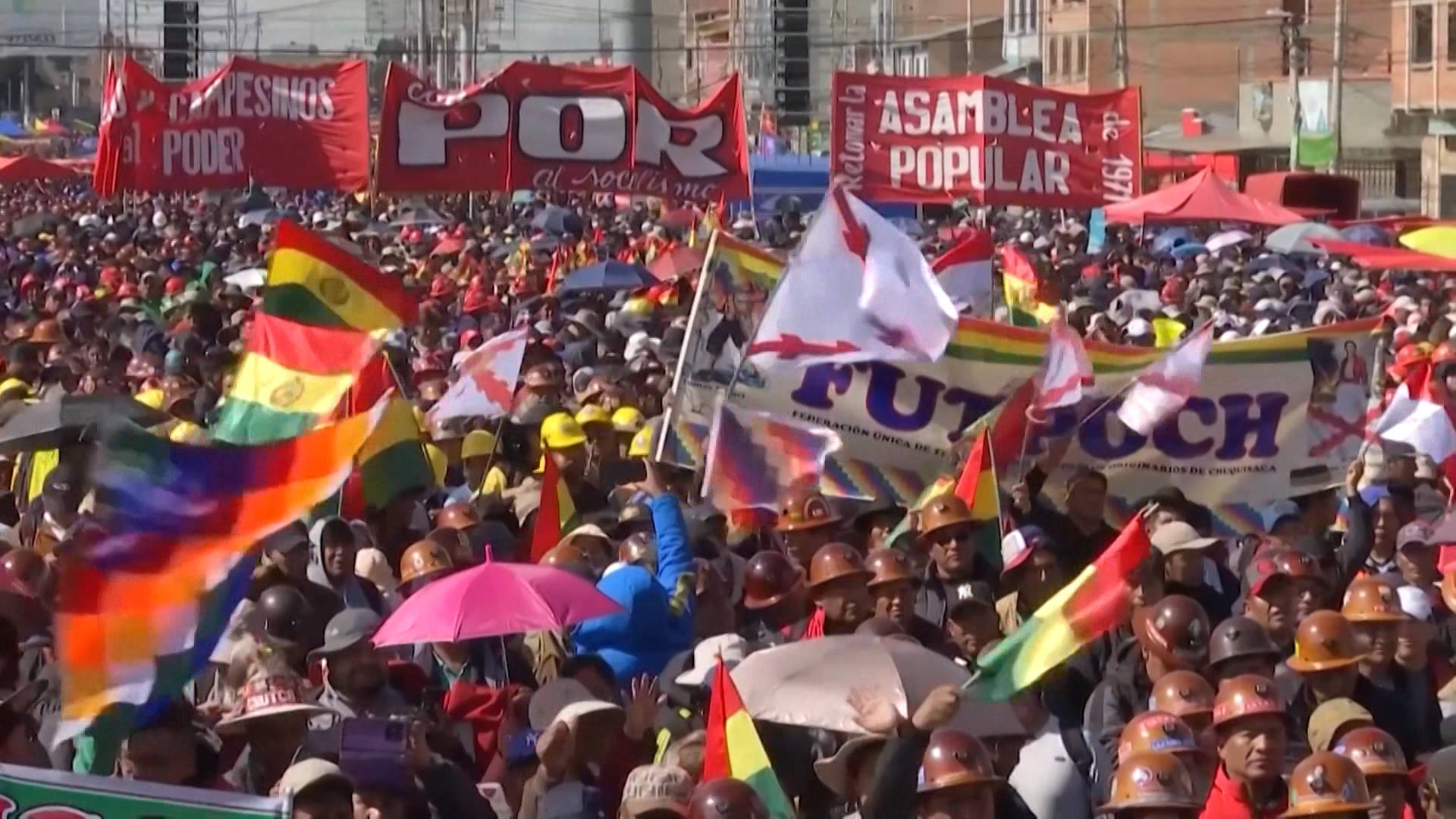
- The protest movement is almost certainly led by Indigenous groups and unions, backed by Evo Morales, and is driven primarily by Paz’s abrupt fuel‑subsidy cuts; core demands include reinstating subsidies, rolling back austerity, and Paz’s resignation. (Confidence: high · REPORTED)
- I&W: COB, Ponchos Rojos or allied federations issue fresh communiqués restating subsidy reinstatement and resignation demands (0-14 days)
- I&W: Union leadership publicly directs members to lift blockades following new agreements (0-14 days)
- The humanitarian toll is likely rising, with at least 14 killed between 1 May and 15 June, at least 17 deaths linked to disrupted medical access, and at least 365 arrests; figures vary by source and remain fluid. (Confidence: medium · REPORTED)
- I&W: Ombudsman or human rights groups publish updated casualty and arrest tallies exceeding prior counts (0-14 days)
- I&W: Authorities and hospitals report medical supply convoys reaching urban centres without obstruction (0-14 days)
- The United States is highly likely providing emergency food aid and logistics support to Bolivia and intends to ramp up assistance, as conveyed directly to Paz by the U.S. Secretary of State. (Confidence: high · REPORTED)
- I&W: U.S. Embassy or State Department announces arrival of aid shipments or deployment of logistics teams in Bolivia (0-14 days)
- I&W: Official statements indicate a pause or reversal of planned U.S. assistance (0-14 days)
- Emergency powers and expanded internal security authorities are likely to attract political and legal scrutiny in Congress, creating a roughly even chance of institutional friction around notification, duration and the military’s role in domestic order. (Confidence: medium · ASSESSED)
- I&W: Legislative debate or motions to review, limit or ratify the decree and recent security laws are scheduled (0-14 days)
- I&W: Congress formally endorses the decree and related authorities without challenge (0-14 days)
- A negotiated off‑ramp remains plausible in the near term, given agreements signed with at least one labour union and engagement with the Central Obrera Boliviana to lift blockades, even as security operations continue. (Confidence: medium · REPORTED)
- I&W: Joint government‑union communiqués instructing wider lifting of blockades (0-14 days)
- I&W: Union federations call a general strike or escalate blockades after talks stall (0-14 days)
Outlook & scenarios
Security‑first stabilisation under emergency rule (55%)
Under emergency authorities, police and troops expand clearance operations with bulldozers, reopening principal approaches to major cities and easing shortages. Arrests rise, but blockades persist in pockets. Political temperature remains high, with calls for Paz’s resignation continuing without forcing immediate leadership change.
Negotiated de‑escalation with partial concessions (40%)
The government broadens agreements beyond the initial labour deal and COB engagement, prompting most groups to lift blockades. Authorities prioritise supply restoration and signal willingness to review austerity measures and subsidy policy timelines, lowering street pressure while formal negotiations proceed.
Hard‑line escalation centred on Evo Morales (25%)
A sharper security posture, including public consideration of an operation against Evo Morales, galvanises allied unions and Indigenous groups into broader mobilisation. Casualties and arrests increase, clearance gains are contested, and shortages persist longer, widening the legitimacy dispute around Paz’s government.
Fiscal squeeze deepens and IMF track accelerates (35%)
Protracted disruption and dollar scarcity push the government to accelerate negotiations with the IMF for loan packages. Any perceived austerity conditionality becomes a fresh focal point for protest leaders, complicating de‑escalation even if key roads are intermittently reopened.
Recommendations
- Verify legal compliance steps: obtain and archive the government’s formal notification to Congress within 24 hours of the decree and track any legislative scheduling to review or ratify the emergency.
- Stand up a daily route‑status log focused on access to La Paz and other major cities: ingest police, defence and local media reports on cleared versus blocked segments and note re‑blockading within 24-72 hours.
- Task collection on humanitarian access: monitor ombudsman and rights‑group reporting on deaths, arrests and medical‑access denials; flag spikes or new localities with disrupted care.
- Engage industry and logistics sources: track updates from the Cámara Nacional de Industrias and freight carriers on stranded trucks, resupply volumes and estimated losses to validate or adjust the 3 billion dollar impact figure.
- Monitor union and movement communications: follow COB statements, Indigenous group councils, Ponchos Rojos and associated federations for calls to escalate, lift or localise blockades.
- Catalogue U.S. assistance flows: log State Department and Embassy readouts and on‑the‑ground reporting of emergency food and logistics deliveries to assess relief timelines and potential stabilising effects.
- Maintain a structured timeline of policy steps tied to the crisis, including subsidy‑cut decisions and security‑law changes, to anticipate flashpoints for legal or political challenge.
Confidence & uncertainty
Multiple high‑reliability major‑media reports and named official statements corroborate the state of emergency, the military’s clearing role, the 50‑day disruption, acute shortages and the protest movement’s composition and demands. Economic impact and humanitarian toll figures are sourced to credible sector bodies and public offices but vary in scope and timing. There are minor contradictions on the exact declaration date and casualty tallies, and some legal‑process and forward‑looking elements rest on inference from single‑source or medium‑confidence reporting. On balance, this supports a medium overall confidence rating.
Cited sources
[1] Jerusalem Post · Bolivia's Paz declares state of emergency over blockade crisis, paving way to deploy military (A) · sha256:c6440d9cf6ba [2] cnn.com · Bolivia’s president declares state of emergency over blockade crisis | CNN (A) · sha256:84828205f9e6 [3] theguardian.com · Bolivian president declares state of emergency and deploys military to quell anti-government protests (A) · sha256:b361a12322ba [4] Los Angeles Times · Bolivia’s president declares a state of emergency as road blockades choke supplies - Los Angeles Times (A) · sha256:1274b57214e5 [5] ynetnews.com · Bolivia declares state of emergency after 50 days of anti-government blockades (B) · sha256:2bf0c3e9b6df [6] bloomberglinea.com · Presidente de Bolivia declara el estado de emergencia a causa de los bloqueos (A) · sha256:c60ea5c0e642 [7] mipais.com · Bolivia declara estado de excepción tras 51 días de bloqueos económicos (B) · sha256:a8c323ac2c71 [8] vietnam.vn · Bolivia declara el estado de emergencia tras 50 días de violencia sangrienta. (B) · sha256:c453cdae8932 [9] democracynow.org · Bolivia declara el estado de excepción y despliega a las fuerzas armadas para sofocar las manifestaciones (B) · sha256:37cff9a20bf9 [10] BBC · Bolovian president declares state of emergency (A) · sha256:77d691991468
Source content hashes were computed at collection time; the cited text is preserved unmodified for the life of this product.
TLP:CLEAR