TLP:CLEAR · Disclosure is not limited.
Bolivia: COB March Proceeds, Blockade Risk Remains Unresolved
Time window: Last 1 day · Audience: General analyst · Type: Situation report · DTG: 2026-11-28 03:36Z · Overall confidence: HIGH
BLUF
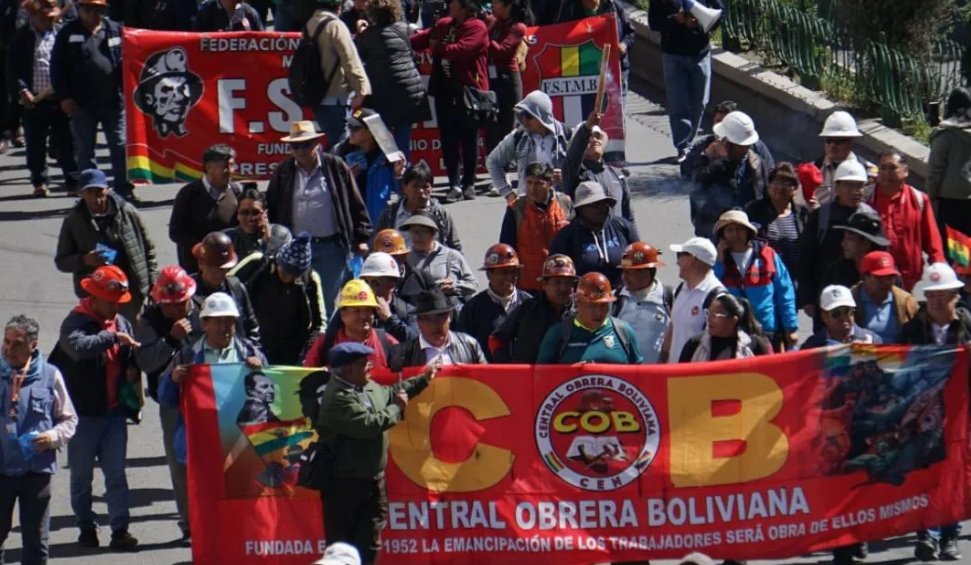
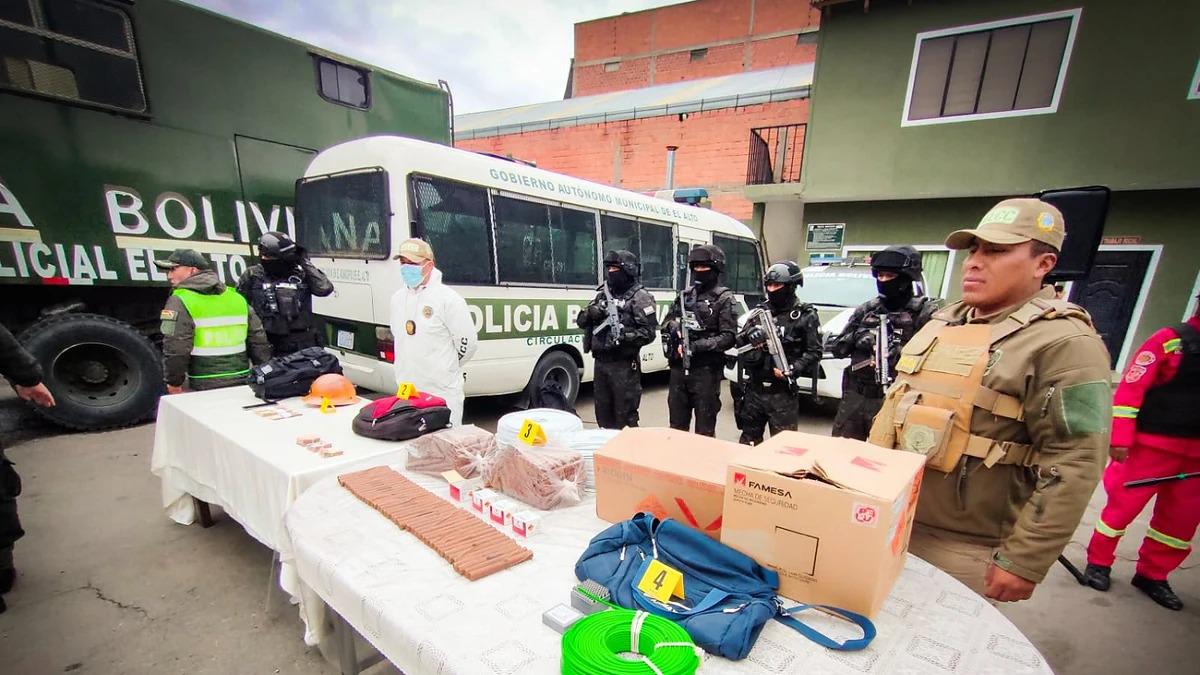
The COB’s 27 November march proceeded from El Alto towards central La Paz, with parallel marches reported in Cochabamba and Santa Cruz. Police reported four detentions and seizures of explosives and cash, but conflicting inventories and disputed accounts do not establish that COB leaders directed an explosives-related operation. There is a roughly even chance of renewed road blockades in the next 14 days; none are confirmed in the current reporting.
Executive summary
The COB moved from calling a national mobilisation to holding a march on 27 November. Local reporting describes its demands as covering food prices, layoffs, education decentralisation, police conduct and proposed changes to the Social Security and Mining codes. Separate reporting links the mobilisation to President Rodrigo Paz’s diesel price rise, reported as 14.3 per cent, but the detailed demands list does not name fuel prices. Police said they deployed more than 500 officers in La Paz and detained four people travelling to the march with explosives and cash. Reports differ on the quantities seized, while police claims about intended use and payment of participants are disputed by union representatives. The Government extended the state of exception for internal commotion by 90 days. The reports confirm the march, but do not establish its turnout, new road closures or a COB-led campaign to remove Paz.
Change from previous assessment
Since the 27 November prior brief, the COB march has moved from a scheduled event to a reported mobilisation that began at La Ceja and proceeded towards central La Paz, with parallel marches reported in Cochabamba and Santa Cruz. Announced participation by five sectors still does not establish turnout or that every sector attended. New reporting adds four police detentions, disputed explosives and cash seizures, and a 90-day extension of the state of exception. I lower the renewed-blockade outlook from likely to a roughly even chance over the next 14 days: the march is confirmed, but the current reporting does not confirm new road closures. The prior assessment that a nationwide resignation campaign was unlikely remains in place, with low confidence because the evidence is limited.
Key judgments
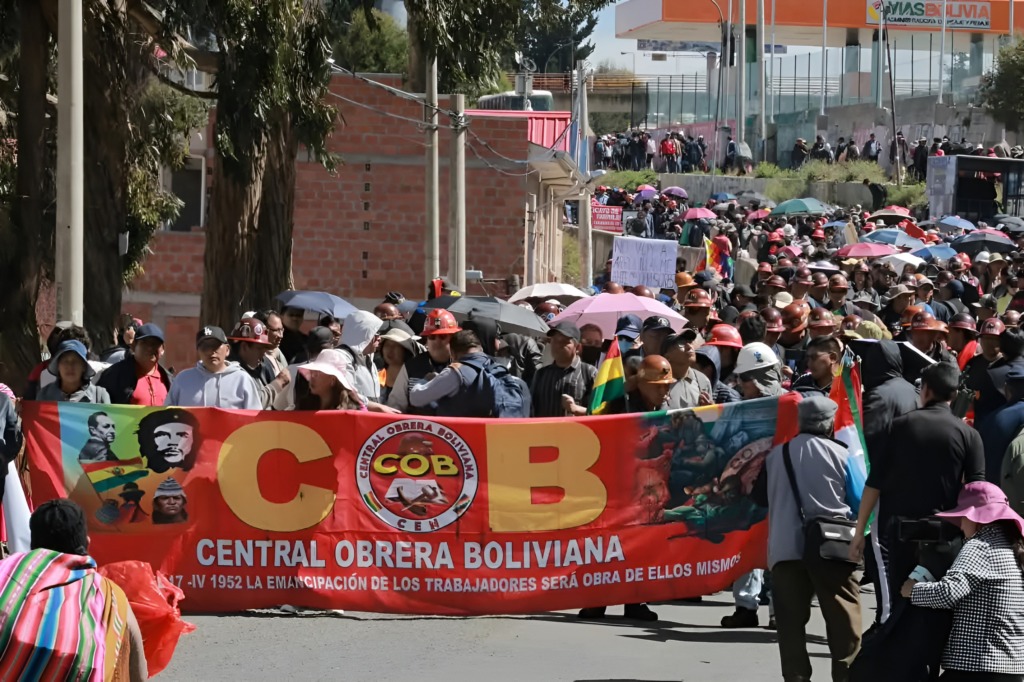
- The COB’s 27 November mobilisation took place, beginning at La Ceja in El Alto and proceeding towards central La Paz; parallel marches were reported in Cochabamba and Santa Cruz. The available reporting confirms the event, but not the turnout or participation of every sector that had announced plans to join. (Confidence: high · REPORTED)
- I&W: A COB post-march statement naming participation by teachers, miners, factory workers, peasants and coca growers would confirm the announced breadth of participation. (0-7 days)
- I&W: A documented correction showing that the reported parallel march in Cochabamba or Santa Cruz did not take place would break the multi-city account. (0-7 days)
- There is a roughly even chance that COB-related mobilisation will produce renewed road blockades by 12 December. Bolivia recently experienced 53 days of blockades, and the COB instructed departmental labour centrals to coordinate marches; however, the current reports confirm a march, not fresh road closures, and police warned that they would intervene against blockades. (Confidence: medium · ASSESSED)
- I&W: A COB departmental central or transport union notice naming road closure locations, followed by a traffic authority closure alert, would confirm renewed blockade activity. (0-14 days)
- I&W: A COB post-march statement explicitly ruling out blockades through 12 December, alongside traffic advisories reporting no closures, would weaken this assessment. (0-14 days)
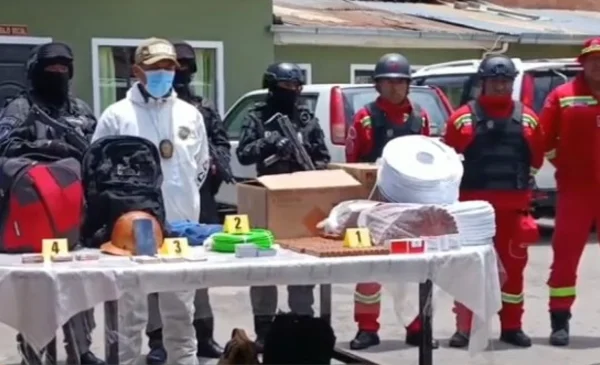
- The 27 November detentions do not establish that COB leadership organised or directed an explosives-related operation. Police reported finding explosives and cash on people travelling to the march and said the materials were intended for use during it; COB executive Mario Argollo denied knowledge of the detentions and requested evidence, while FSTMB leader Andrés Paye alleged that government infiltrators were provoking disturbances. Reported seizure quantities also conflict. (Confidence: medium · ASSESSED)
- I&W: A Public Ministry filing naming a COB official or documenting an instruction from COB leadership would establish a direct organisational link. (0-30 days)
- I&W: A case file attributing the materials to individual possession and documenting no link to COB leadership would further weaken the police attribution. (0-30 days)
- A nationwide campaign specifically demanding Paz’s resignation remains unlikely over the next 14 days. The detailed COB demands reported locally concern policy and labour grievances, and the organisation called for direct dialogue with Paz. A low-reliability social-media report attributes an immediate resignation demand to former Santa Cruz gubernatorial candidate Otto Ritter, but the supplied reporting does not establish that this is a COB or nationwide demand. (Confidence: low · ASSESSED)
- I&W: A formal COB or affiliated-sector statement demanding Paz’s resignation would break this assessment. (0-14 days)
- I&W: Further COB notices focused on dialogue and the reported policy demands, with no resignation demand in public statements through 12 December, would support this assessment. (0-14 days)
- Police intervention against a new road blockade is likely within the next 14 days. The Government extended the state of exception by 90 days, more than 500 police officers were deployed to monitor the La Paz march, and government and police officials warned that blockades or violence would prompt intervention. These statements indicate intent, not proof of how authorities will respond in a future incident. (Confidence: medium · ASSESSED)
- I&W: A police deployment or clearing operation following a reported blockade on the La Ceja to central La Paz route would confirm the enforcement posture. (0-14 days)
- I&W: A public withdrawal of the Government’s warning against blockades, accompanied by direct talks with COB leaders and no reported closure, would weaken this assessment. (0-14 days)
Outlook & scenarios
Managed confrontation, no sustained closures (50%)
The COB continues public mobilisation around its reported policy and labour demands, while the Government maintains its offer of dialogue and its warning against blockades. Police monitor gatherings, but no sustained road closure is reported by 12 December.
Renewed blockades and transport disruption (30%)
COB departmental centrals or allied groups announce road closures, and police attempt to prevent or clear them. The resulting disruption affects movement on routes linked to La Paz, El Alto or the sites of reported parallel marches.
Confrontation escalates after a blockade (15%)
A blockade is followed by police intervention, arrests or clashes. The Government invokes the state of exception in its response, while union leaders contest the police account. This is the low-probability, high-impact scenario.
Dialogue narrows the dispute (5%)
The Government and COB leaders begin direct talks on the education decentralisation proposal and other reported grievances. The COB suspends further mobilisation while talks proceed, without an immediate change to the Government’s broader policies.
Recommendations
- Track daily traffic and police notices for the La Ceja to central La Paz route and for reported march locations in Cochabamba and Santa Cruz. Record confirmed closures separately from scheduled marches.
- Compare the Public Ministry case file, police inventory and subsequent court reporting on the 27 November detentions before attributing the explosives or cash to the COB or its leadership.
- Monitor formal COB statements and notices from its departmental labour centrals. Record whether new demands call for Paz’s resignation or remain focused on the reported policy and labour issues.
- Verify the text and duration of Supreme Decree 5707, and track any public announcement of police or Armed Forces deployments tied to future blockades.
- Keep police claims about intended use of the seized materials distinct from verified facts, and include the conflicting seizure quantities and union responses in any update.
Confidence & uncertainty
Confidence is high in the core reported developments because local and major-media accounts corroborate that the COB march began in El Alto and that police made detentions during checks on buses heading to the march. The state of exception extension and large police deployment are also reported. The reporting is not uniformly independent: accounts of the detentions rely heavily on police statements, seizure quantities conflict, and union representatives dispute the police account of intent. High confidence applies to the central event timeline, not to responsibility for the seized materials or the blockade forecast.
Intelligence gaps
- [EEI 1.1 · UNCOVERED] Official resignation letter or public statement from President Rodrigo Paz announcing intent to step down, with date/time and channels of release. Recommended collection: official statements/OSINT
- [EEI 1.2 · UNCOVERED] Number and identities of cabinet ministers or senior executive officials who have tendered resignations or publicly withdrawn support (names, offices, dates). Recommended collection: government sources/HUMINT
- [EEI 1.3 · UNCOVERED] Formal legislative actions filed and their sponsorship count (impeachment/ removal motions, dates filed, vote schedule, list of legislators publicly backing each action). Recommended collection: legislative records/OSINT
- [EEI 1.4 · PARTIAL] Existence and content of signed negotiation outcomes or exit agreements between the presidency and opposition/protest leaders (meeting minutes, memoranda, signatories, deadlines). Recommended collection: HUMINT/diplomatic
- [EEI 2.1 · PARTIAL] Orders or directives from the Ministry of Defense or Interior authorizing deployment, use of lethal force, curfews, or emergency powers (document text, date/time, units named). Recommended collection: official statements/OSINT
- [EEI 2.2 · PARTIAL] Observed troop and police unit movements and concentrations at key urban areas, government buildings, or protest hotspots (unit identifiers, equipment observed, locations, timestamps). Recommended collection: satellite/imagery
- [EEI 2.3 · UNCOVERED] Public resignations, defections, or denouncements by senior military/police officers (names, ranks, dates, content of statements). Recommended collection: social media/HUMINT
- [EEI 2.4 · UNCOVERED] Verified incidents of security forces using live ammunition, heavy weapons, or armored vehicles against protesters (casualty numbers, weapon types, time/place, supporting media or hospital records). Recommended collection: medical/hospital reports & open source
- [EEI 3.1 · PARTIAL] Location, number, and estimated duration of active roadblocks on major highways and access routes (GPS coordinates, reported start times, groups controlling each blockade). Recommended collection: transport/logistics & social media
- [EEI 3.2 · UNCOVERED] Operational status of key transport nodes (international airports, major bus terminals, rail hubs, and border crossings), open, limited, closed, with timestamps. Recommended collection: transport authority updates/OSINT
- [EEI 3.3 · PARTIAL] Size and frequency of street protests in major cities (estimated attendance counts, dates/times, trend compared to previous days). Recommended collection: social media/OSINT
- [EEI 4.1 · PARTIAL] Fuel supply status at major depots and petrol stations (days of supply remaining, deliveries canceled/delayed, outages reported by region). Recommended collection: logistics/industry reports
- [EEI 4.2 · PARTIAL] Availability and price movements of staple foods in principal wholesale markets and supermarkets (stock levels, price changes percent, locations affected). Recommended collection: market/retail & OSINT
- [EEI 4.3 · PARTIAL] Scope and duration of disruptions to public services (electricity outages, water supply interruptions, hospital service reductions) with affected areas and timestamps. Recommended collection: utility operators/OSINT
- [EEI 4.4 · UNCOVERED] Actions by foreign governments or international organizations: travel advisories, embassy evacuations, recognition/condemnation statements, sanctions or aid pledges (dates and content). Recommended collection: diplomatic channels/OSINT
Red cell review: CONCUR WITH COMMENT
TLP:CLEAR