TLP:CLEAR · Disclosure is not limited.
Bolivia: Evidence Gap on Reported Nationwide Protests and Blockades
Time window: Last 1 day · Audience: General analyst · Type: Situation report · DTG: 2026-07-11 13:40Z · Overall confidence: MEDIUM
BLUF
This cycle contains no Bolivia‑specific, corroborated OSINT to validate claims of nationwide anti‑government protests or coordinated road blockades. Treat such reports as unconfirmed and prioritise targeted collection and verification before making operational or policy decisions.
Executive summary
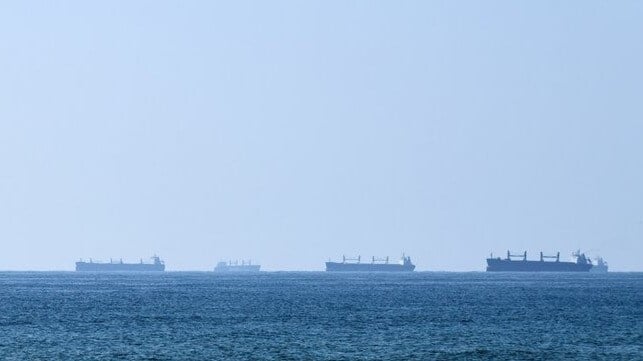
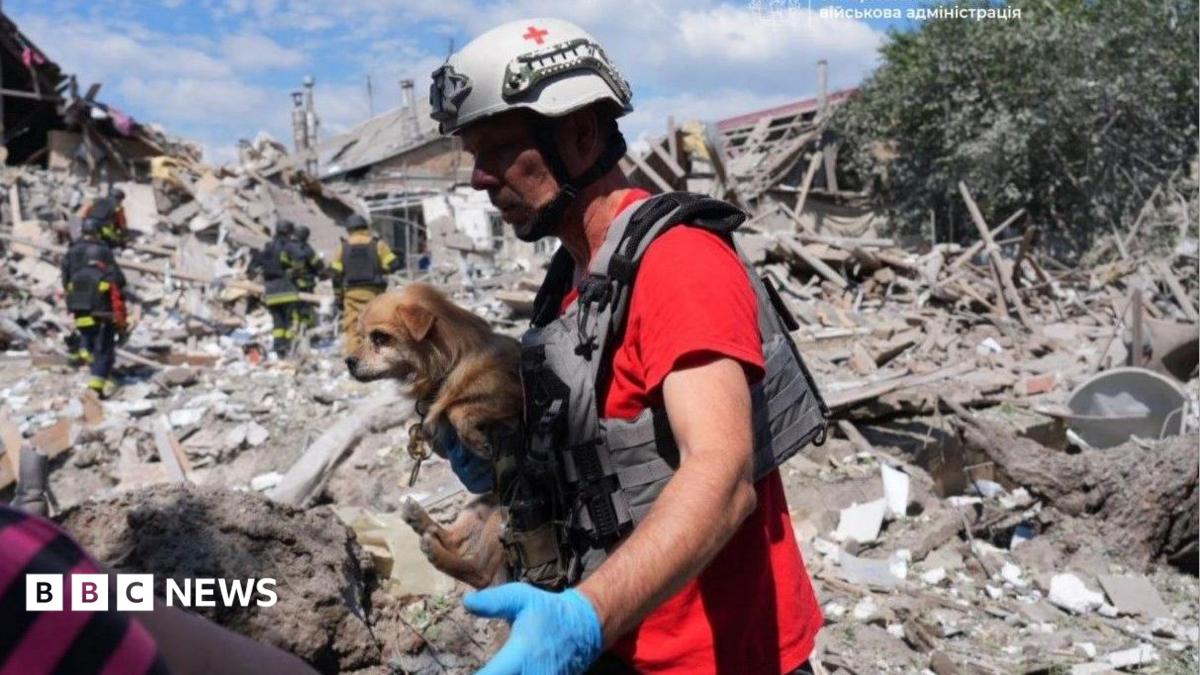
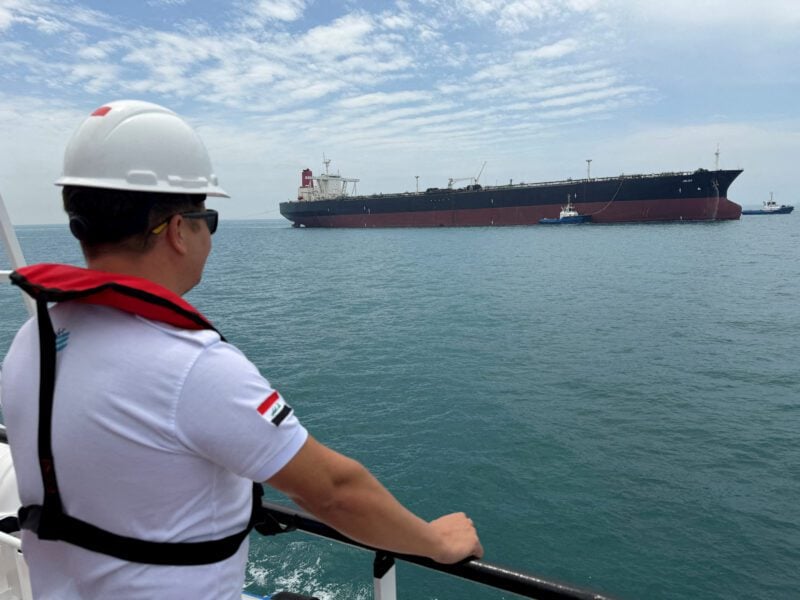
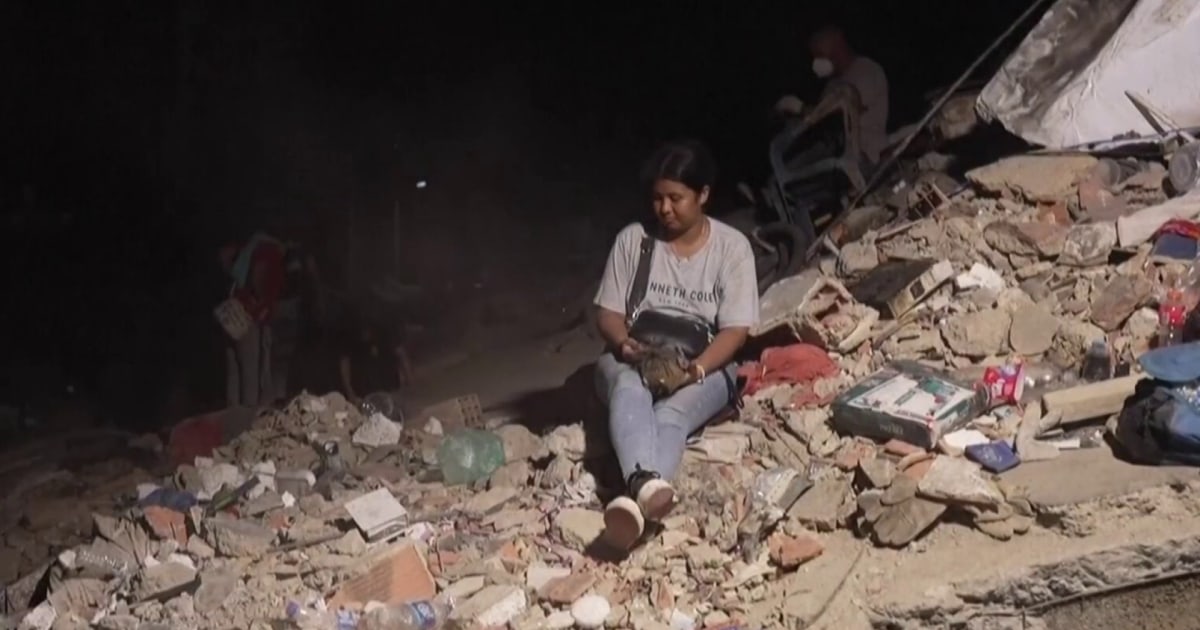
The approved claims in this window focus on crises and disruptions outside Bolivia, including shipping slowdowns in the Strait of Hormuz, power‑grid failures in Cuba, conflict incidents in Yemen and Ukraine, and earthquake impacts in Venezuela. There are no sourced, Bolivia‑specific claims confirming large‑scale protests, sustained highway blockades, or acute disruption of state functions. Given the concurrent volume of high‑salience regional and global reporting, the risk of misattribution or recycled imagery being linked to Bolivia is non‑trivial. Until validated local reporting or official communiqués emerge naming locations, times and responsible organisers in Bolivia, the asserted nationwide protest‑and‑blockade narrative remains uncorroborated in this run.
Change from previous assessment
Since the 10 July brief, no approved, Bolivia‑specific claims entered this run. We therefore cannot update or validate earlier assessments on cabinet churn or the scale of protest activity. Confidence on reported nationwide blockades is lowered given the continued absence of corroboration, and we shift focus to targeted collection and verification. Initial assessment for this cycle: evidentiary gap persists.
Key judgments
- It is unlikely that there is corroborated open‑source confirmation of nationwide anti‑government protests or coordinated road blockades in Bolivia in this reporting window; approved claims concentrate on unrelated theatres and contain no Bolivia‑specific reporting. (Confidence: low · ASSESSED)
- I&W: Bolivia’s national police or road authority issue communiqués naming multiple interdepartmental corridors closed by protests for more than 24-48 hours, with corroborating local press and imagery. (0-14 days)
- I&W: Continuous traffic and media reporting showing normal flow on trunk routes in major Bolivian urban areas without credible contradictory local sources. (0-14 days)
- OSINT noise from concurrent maritime, energy and conflict reporting elsewhere is likely to increase the risk of misattribution to Bolivia, warranting heightened verification of protest and blockade claims. (Confidence: medium · ASSESSED)
- I&W: Reverse‑image searches frequently trace Bolivia‑labelled protest footage to prior incidents tied to Strait of Hormuz disruptions or other non‑Bolivia events. (0-14 days)
- I&W: Emergence of multiple Bolivia‑datelined, major‑media and official sources publishing verifiable, geolocated evidence of road blockades and protester demands. (0-14 days)
- There is a roughly even chance that some Latin America‑tagged disruption narratives circulating this week are being conflated with events in Cuba or Venezuela rather than reflecting Bolivia‑specific unrest, so Bolivia‑facing assessments should remain guarded pending local corroboration. (Confidence: medium · ASSESSED)
- I&W: Bolivia‑specific local outlets and authorities publish detailed, time‑stamped reports on protest locations, turnout, and road closures that are independently geolocated. (0-14 days)
- I&W: High‑engagement posts alleging Bolivia disruptions are debunked via source tracing to Cuba’s blackout coverage or Venezuela earthquake response. (0-14 days)
Outlook & scenarios
Escalation to sustained, multi‑city blockades (35%)
Local protests cohere into coordinated blockades along key intercity corridors, with daily actions lasting beyond 48 hours and visible pressure on fuel, food distribution and public services. Government messaging hardens and police deployments increase, raising confrontation risk.
Localised flare‑ups without nationwide spread (45%)
Protests occur intermittently in a handful of municipalities and along select stretches of road but lack scale, duration or national coordination. Authorities contain disruptions through traffic diversions and targeted talks; daily life and supply chains continue with minor delays.
Negotiated de‑escalation (25%)
Officials engage local leaders and civic groups, announce near‑term concessions or a timetable for dialogue, and protests wind down. Roads reopen and state services operate normally while stakeholders prepare for structured talks.
Wildcard: Security split triggers abrupt instability (10%)
A sudden rift within security forces or a hardline move against protesters catalyses broader unrest, rapid curfews and ad hoc closures. International attention spikes and external mediation is mooted. Low probability but high impact.
Recommendations
- Stand up a Bolivia‑specific OSINT collection deck prioritising Spanish‑language local media, municipal authorities, transport agencies and police channels; set alerts for terms associated with road closures and blockades.
- Institute mandatory geolocation and timestamp verification for all purported Bolivia protest or blockade content before dissemination; use reverse‑image and video analysis to screen for recycled material.
- Track official communiqués from national police and road authorities naming affected routes; maintain a live map of any verified closures with start time, duration and reopening status.
- Cross‑cue social reporting with independent indicators such as live traffic data cams or crowd‑sourced navigation incident reports to validate on‑the‑ground disruption.
- Prepare a short‑fuse analytic update template that can be pushed within two hours of any verified Bolivia‑specific reporting, capturing what is confirmed, where, by whom and with what operational impact.
Confidence & uncertainty
Overall confidence is set to medium, reflecting that the approved claims are drawn from generally reliable outlets but contain no Bolivia‑specific reporting to corroborate the asserted nationwide protests and blockades. Judgments therefore rest largely on negative evidence and inference about an OSINT environment dominated by other crises, which limits certainty. With direct, corroborated Bolivian sourcing, confidence would rise; absent that, a lower confidence could also be justified, but we retain medium to reflect disciplined caveating and the clarity about evidentiary gaps.
Alternative analysis (red cell)
The dataset contains multiple high‑confidence claims tied to Cuba, Venezuela and Middle Eastern maritime routes and no Bolivia‑specific reports, but absence of Bolivia items in this limited slice does not prove non‑existence of corroborated Bolivian unrest. Given null origin_cluster_id and lack of targeted Bolivian sourcing, the stronger analytic posture is that current evidence neither confirms nationwide Bolivian protests/blockades nor demonstrates systematic conflation with other countries; Bolivian‑facing assessments should remain open pending focused local verification (geolocated media, local press, official logs).
Intelligence gaps
- [EEI 1.1 · UNCOVERED] Official resignation letter or public statement from President Rodrigo Paz announcing intent to step down, with date/time and channels of release. Recommended collection: official statements/OSINT
- [EEI 1.2 · UNCOVERED] Number and identities of cabinet ministers or senior executive officials who have tendered resignations or publicly withdrawn support (names, offices, dates). Recommended collection: government sources/HUMINT
- [EEI 1.3 · UNCOVERED] Formal legislative actions filed and their sponsorship count (impeachment/ removal motions, dates filed, vote schedule, list of legislators publicly backing each action). Recommended collection: legislative records/OSINT
- [EEI 1.4 · UNCOVERED] Existence and content of signed negotiation outcomes or exit agreements between the presidency and opposition/protest leaders (meeting minutes, memoranda, signatories, deadlines). Recommended collection: HUMINT/diplomatic
- [EEI 2.1 · UNCOVERED] Orders or directives from the Ministry of Defense or Interior authorizing deployment, use of lethal force, curfews, or emergency powers (document text, date/time, units named). Recommended collection: official statements/OSINT
- [EEI 2.2 · PARTIAL] Observed troop and police unit movements and concentrations at key urban areas, government buildings, or protest hotspots (unit identifiers, equipment observed, locations, timestamps). Recommended collection: satellite/imagery
- [EEI 2.3 · UNCOVERED] Public resignations, defections, or denouncements by senior military/police officers (names, ranks, dates, content of statements). Recommended collection: social media/HUMINT
- [EEI 2.4 · UNCOVERED] Verified incidents of security forces using live ammunition, heavy weapons, or armored vehicles against protesters (casualty numbers, weapon types, time/place, supporting media or hospital records). Recommended collection: medical/hospital reports & open source
- [EEI 3.1 · UNCOVERED] Location, number, and estimated duration of active roadblocks on major highways and access routes (GPS coordinates, reported start times, groups controlling each blockade). Recommended collection: transport/logistics & social media
- [EEI 3.3 · PARTIAL] Size and frequency of street protests in major cities (estimated attendance counts, dates/times, trend compared to previous days). Recommended collection: social media/OSINT
- [EEI 3.4 · UNCOVERED] Communications from named protest leaders or coalitions calling for escalation, general strike, or de-escalation (public messages, strikes announced, coordination instructions). Recommended collection: social media/HUMINT
- [EEI 4.2 · UNCOVERED] Availability and price movements of staple foods in principal wholesale markets and supermarkets (stock levels, price changes percent, locations affected). Recommended collection: market/retail & OSINT
Cited sources
[1] maritime-executive.com · Dark Transits of Hormuz and Spoofing Increase as Ships Avoid Omani Route (B) · sha256:3f7e1d57fd2d [2] ynetnews.com · How the US is crushing communist Cuba without firing a single shot (B) · sha256:aa3913557fd2 [3] BBC · Russia trains sights on buses, schools and offices in busy Ukrainian city (A) · sha256:e4344edd0506 [4] Al Jazeera · What is going on in Yemen? (A) · sha256:a0cc8a5e44ae [5] gcaptain.com · INTERTANKO: Hormuz Tanker Transits Via Southern Route Fall to Single Digits After Renewed Fighting (C) · sha256:d4540b21f2bf [6] Associated Press · An islandwide blackout strikes Cuba for the second time this week as its grid crumbles (A) · sha256:83432687b171 [7] nbcnews.com · Death toll rises to over 4,000 in Venezuela as search efforts are still underway (A) · sha256:d2c726157b9a
Source content hashes were computed at collection time; the cited text is preserved unmodified for the life of this product.
Red cell review: PARTIAL DISSENT
TLP:CLEAR