TLP:CLEAR · Disclosure is not limited.
Bolivia: IMF Deal Deepens Fuel-Driven Political Risk
Time window: Last 1 day · Audience: General analyst · Type: Situation report · DTG: 2026-09-19 21:06Z · Overall confidence: HIGH
BLUF
Bolivia's Congress has approved the US$1.9 billion IMF arrangement, while President Rodrigo Paz has ended the diesel subsidy and raised the price to Bs17.95 per litre. The most likely near-term risk is renewed mobilisation by the Central Obrera Boliviana, farmers, drivers and producer groups, supported by the government's continued state of emergency.
Executive summary
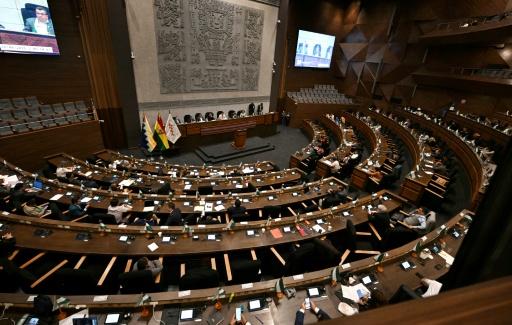
Bolivia's Chamber of Deputies and Senate approved the US$1.9 billion IMF arrangement on 17 and 18 September, but the IMF Executive Board must still approve the programme before funds are released. President Rodrigo Paz then ended the diesel subsidy under Supreme Decree 5716, raising the price by about 83 per cent to Bs17.95 per litre on 19 September. The Central Obrera Boliviana, the Bolivian Workers' Central, farmers, drivers and producer groups have opposed the IMF conditions and diesel policy, with several groups announcing protests. Congress also extended the state of emergency for another 90 days, preserving powers that allow military intervention and suspension of some civil liberties. Reporting now corroborates the main legislative and policy developments, although the scale of any new mobilisation and the scope of changes to gasoline subsidies remain uncertain.
Change from previous assessment
Confidence has risen from low to high since the 18 September brief. New reporting from multiple major-media and wire sources corroborates the IMF legislative approval, the diesel subsidy removal, the 90-day state-of-emergency extension and threats from organised labour, drivers, farmers and producer groups. The assessment now centres on the political effects of the IMF conditions and diesel-price shock. The prior brief's single-source claims about 22 deaths, adulterated gasoline and the reported clearance of more than 100 roadblock points are no longer central judgments because the current reporting does not independently corroborate them.
Key judgments
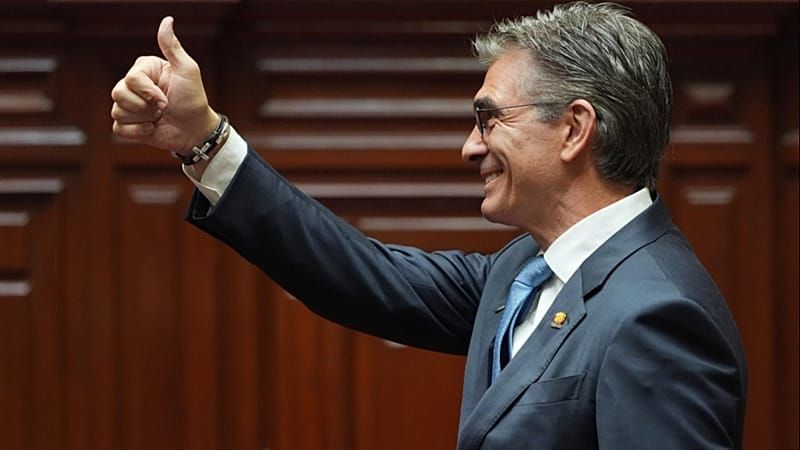
- The US$1.9 billion IMF arrangement has very likely cleared Bolivia's domestic legislative hurdle, but disbursement remains contingent on approval by the IMF Executive Board. The Chamber of Deputies approved the arrangement before the Senate ratified it on 18 September, and Bolivian officials expect an IMF vote on 2 October followed by a first disbursement of about US$250 million. (Confidence: high · REPORTED)
- I&W: Confirming indicator: the IMF Executive Board records a vote on 2 October and Bolivia announces the expected first disbursement of about US$250 million within days. (0-14 days)
- I&W: Breaking indicator: the IMF Executive Board delays or rejects approval, or no disbursement follows the expected vote. (0-30 days)
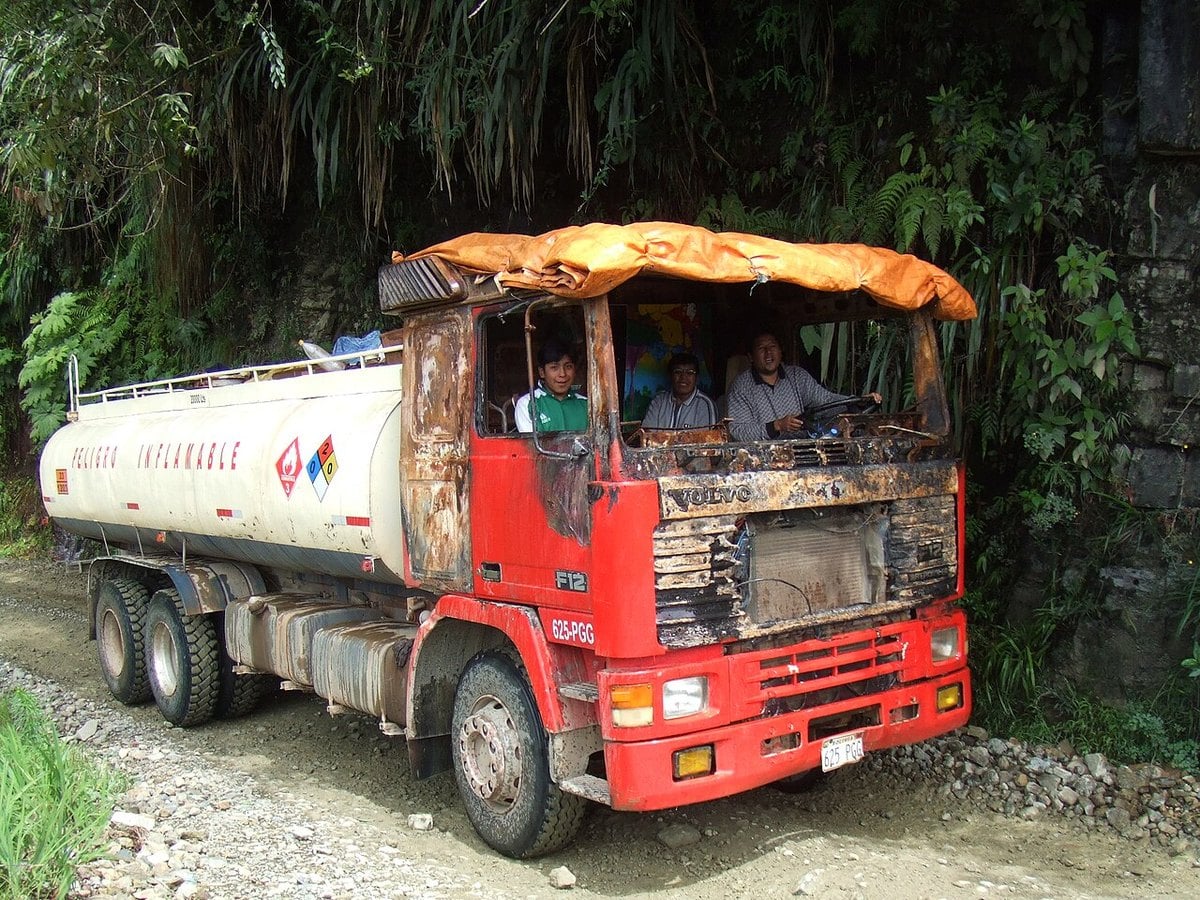
- The diesel subsidy is very likely already removed across Bolivia, with the price raised by about 83 per cent to Bs17.95, or US$1.63, per litre on 19 September under Supreme Decree 5716. Confidence in the wider policy scope is medium because reporting conflicts over whether gasoline and other fuel subsidies changed immediately or are scheduled for January. (Confidence: medium · REPORTED)
- I&W: Confirming indicator: Bolivian authorities publish implementing guidance that confirms the Bs17.95 diesel price and clarifies whether gasoline prices also float immediately. (0-14 days)
- I&W: Breaking indicator: official guidance or observed prices show that the diesel subsidy remains in place outside the initial implementation reported on 19 September. (0-30 days)
- Renewed mobilisation by the Central Obrera Boliviana, farmers, drivers and producer groups is likely within 1-3 months. This is an assessed inference from announced opposition to diesel subsidy removal and IMF spending cuts, together with the groups' previous road blockades in June and July; it is not evidence that new blockades have already begun. (Confidence: medium · ASSESSED)
- I&W: Confirming indicator: the Central Obrera Boliviana, driver unions, agricultural producer unions or farmers announce dates and locations for road blockades, followed by verified closures. (0-30 days)
- I&W: Breaking indicator: the named organisations enter sustained talks with Rodrigo Paz's government and no verified road closures occur during the next three months. (1-3 months)
- The 90-day state of emergency is very likely to remain the Paz government's main coercive instrument for managing renewed blockades. Congress extended it on 17 September, and the measure allows military intervention and suspension of some civil liberties. (Confidence: high · REPORTED)
- I&W: Confirming indicator: Bolivian authorities deploy military personnel to clear renewed road blockades or announce restrictions under the extended state of emergency. (0-30 days)
- I&W: Breaking indicator: Congress or the Paz government formally rescinds the extension or declines to use its military and civil-liberty provisions during renewed protests. (1-3 months)
Outlook & scenarios
Renewed blockades and localised protests (55%)
This is the most likely scenario over the next 1-3 months. The Central Obrera Boliviana, farmers, drivers and producer groups resume protests against diesel prices and IMF-linked spending cuts. Road closures initially remain localised, while Rodrigo Paz uses dialogue, cash assistance and the extended state of emergency to contain their spread.
Managed implementation of the IMF package (40%)
A roughly even chance exists that the IMF Executive Board approves the programme on 2 October, the first disbursement follows, and the government sustains the diesel policy. The Bs874 million PEPE II transfer and preferential loans reduce pressure among some affected groups, while opposition remains vocal but does not restore nationwide blockades.
High-impact confrontation under emergency powers (15%)
An unlikely but high-impact scenario is a rapid return to large-scale road blockades followed by military intervention under the state of emergency. A confrontation between the Paz government and organised labour, transport and producer groups would deepen the political crisis and threaten the government's ability to implement the IMF conditions.
Recommendations
- Treat the IMF Executive Board decision expected on 2 October as the primary near-term checkpoint. Report separately on approval, the timing of the first approximately US$250 million disbursement and any conditions attached to release.
- Maintain a mobilisation tracker for the Central Obrera Boliviana, farmers, drivers and producer groups. Distinguish public threats from verified road closures, record locations and identify whether disruptions are localised or spread across Bolivia.
- Verify the implementation and scope of Supreme Decree 5716 by monitoring diesel prices at filling stations, the reported Bs17.95 price, diesel queues and any official clarification on gasoline subsidies or the January timetable.
- Track the government's mitigation measures, including the Bs874 million PEPE II payment scheduled from mid-October, the claimed reach of approximately 2.9 million people, preferential loans and the dialogue offer to affected sectors.
- Monitor use of the extended state of emergency for military road clearance or restrictions on civil liberties. Treat any deployment against the Central Obrera Boliviana, transport unions or producer groups as an escalation trigger requiring immediate reassessment.
Confidence & uncertainty
Overall confidence is high because the central developments are corroborated across Associated Press, Al Jazeera, AFP, wire-service and major-media reporting. Multiple sources support congressional approval of the US$1.9 billion IMF arrangement, the 17 September state-of-emergency extension and the diesel policy announced on 18-19 September. The principal uncertainties concern the IMF Executive Board's future decision, the full scope of fuel-price changes and whether announced protests become verified blockades.
Intelligence gaps
- [EEI 1.1 · UNCOVERED] Official resignation letter or public statement from President Rodrigo Paz announcing intent to step down, with date/time and channels of release. Recommended collection: official statements/OSINT
- [EEI 1.2 · UNCOVERED] Number and identities of cabinet ministers or senior executive officials who have tendered resignations or publicly withdrawn support (names, offices, dates). Recommended collection: government sources/HUMINT
- [EEI 1.3 · UNCOVERED] Formal legislative actions filed and their sponsorship count (impeachment/ removal motions, dates filed, vote schedule, list of legislators publicly backing each action). Recommended collection: legislative records/OSINT
- [EEI 1.4 · PARTIAL] Existence and content of signed negotiation outcomes or exit agreements between the presidency and opposition/protest leaders (meeting minutes, memoranda, signatories, deadlines). Recommended collection: HUMINT/diplomatic
- [EEI 2.1 · PARTIAL] Orders or directives from the Ministry of Defense or Interior authorizing deployment, use of lethal force, curfews, or emergency powers (document text, date/time, units named). Recommended collection: official statements/OSINT
- [EEI 2.2 · UNCOVERED] Observed troop and police unit movements and concentrations at key urban areas, government buildings, or protest hotspots (unit identifiers, equipment observed, locations, timestamps). Recommended collection: satellite/imagery
- [EEI 2.3 · UNCOVERED] Public resignations, defections, or denouncements by senior military/police officers (names, ranks, dates, content of statements). Recommended collection: social media/HUMINT
- [EEI 2.4 · UNCOVERED] Verified incidents of security forces using live ammunition, heavy weapons, or armored vehicles against protesters (casualty numbers, weapon types, time/place, supporting media or hospital records). Recommended collection: medical/hospital reports & open source
- [EEI 3.1 · PARTIAL] Location, number, and estimated duration of active roadblocks on major highways and access routes (GPS coordinates, reported start times, groups controlling each blockade). Recommended collection: transport/logistics & social media
- [EEI 3.2 · UNCOVERED] Operational status of key transport nodes (international airports, major bus terminals, rail hubs, and border crossings), open, limited, closed, with timestamps. Recommended collection: transport authority updates/OSINT
- [EEI 3.3 · PARTIAL] Size and frequency of street protests in major cities (estimated attendance counts, dates/times, trend compared to previous days). Recommended collection: social media/OSINT
- [EEI 3.4 · PARTIAL] Communications from named protest leaders or coalitions calling for escalation, general strike, or de-escalation (public messages, strikes announced, coordination instructions). Recommended collection: social media/HUMINT
- [EEI 4.1 · PARTIAL] Fuel supply status at major depots and petrol stations (days of supply remaining, deliveries canceled/delayed, outages reported by region). Recommended collection: logistics/industry reports
- [EEI 4.2 · UNCOVERED] Availability and price movements of staple foods in principal wholesale markets and supermarkets (stock levels, price changes percent, locations affected). Recommended collection: market/retail & OSINT
- [EEI 4.3 · UNCOVERED] Scope and duration of disruptions to public services (electricity outages, water supply interruptions, hospital service reductions) with affected areas and timestamps. Recommended collection: utility operators/OSINT
- [EEI 4.4 · PARTIAL] Actions by foreign governments or international organizations: travel advisories, embassy evacuations, recognition/condemnation statements, sanctions or aid pledges (dates and content). Recommended collection: diplomatic channels/OSINT
Cited sources
[1] Al Jazeera · Bolivia’s Congress approves $1.9bn IMF loan amid protest threats (A) · Sat Sep 19 2026 04:22:47 GMT+0000 (Coordinated Universal Time) · sha256:20d3d5655431 [2] The Associated Press (via ABC News) · Bolivia's Congress approves $1.9 billion IMF deal, triggering threats of unrest (A) · Sat Sep 19 2026 00:09:48 GMT+0000 (Coordinated Universal Time) · sha256:f151b51c558d [3] The Rio Times (riotimesonline.com) · Bolivia Ends Diesel Subsidy, Raising Price 83% to US$1.63 (D) · Sat Sep 19 2026 08:06:48 GMT+0000 (Coordinated Universal Time) · sha256:7108c26334cb [4] inkl.com · Bolivia slashes diesel subsidies as its Congress ratifies $1.9 billion IMF deal to ease deep economic crisis (B) · Sat Sep 19 2026 06:54:12 GMT+0000 (Coordinated Universal Time) · sha256:17a29d061bf9 [5] AFP (Agence France-Presse) · Congreso de Bolivia aprueba financiamiento de 1.900 millones de dólares con el FMI (A) · Sat Sep 19 2026 04:38:01 GMT+0000 (Coordinated Universal Time) · sha256:fec4f3ce0e90 [6] La Nación (Paraguay) · Bolivia: Gobierno anuncia eliminación total de la subvención al diésel (B) · Sat Sep 19 2026 10:56:27 GMT+0000 (Coordinated Universal Time) · sha256:29a60dd90d68 [7] Agencia Boliviana de Información (ABI) · ABI (D) · sha256:39e8e5058deb
Source content hashes were computed at collection time; the cited text is preserved unmodified for the life of this product.
TLP:CLEAR