Bolivia: Nationwide Blockades Strain Essentials as Political Crisis Deepens
Time window: Last 7 days · Audience: General analyst · Type: Situation report · DTG: 2026-06-10 12:16Z · Overall confidence: MEDIUM
BLUF
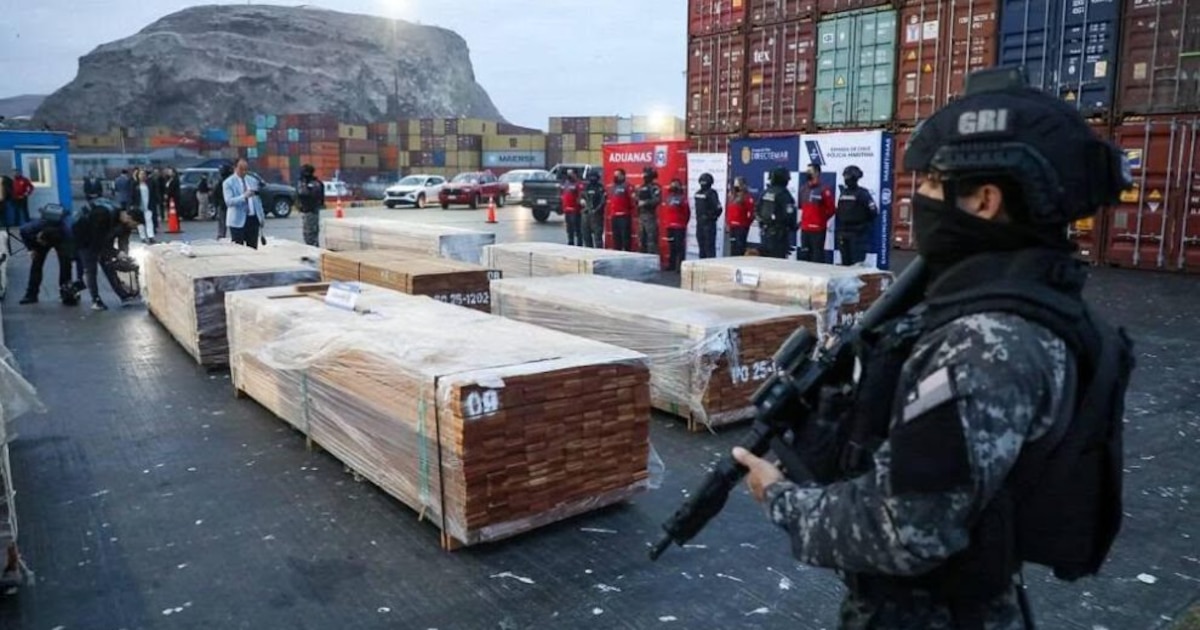
Nationwide road blockades are very likely disrupting fuel, food, and medicine supplies across Bolivia, intensifying unrest and heightening near-term humanitarian risks. A large cross-border narcotics interdiction tied to Bolivian wood exports will likely sharpen regional scrutiny as the crisis unfolds.
Executive summary
Bolivia is experiencing growing unrest driven by nationwide road blockades that are disrupting delivery of fuel, food, and essential medicines. The resulting shortages increase pressure on authorities and raise the risk of confrontation if the disruptions persist. Bolivia’s history of acute political breakdown in 2019 underscores the potential for escalation under prolonged stress. In parallel, Chilean authorities reported a major narcotics seizure concealed within wood consignments from Bolivia, while credible, reporting on the operation’s timing is inconsistent, likely drawing additional regional law-enforcement scrutiny during a sensitive period. Humanitarian actors, including the United Nations system’s 18 agencies operating in Bolivia, and bilateral partners such as China, appear positioned to help mitigate shortfalls if access corridors are enabled. Drug-control narratives are also poised to re-emerge given UNODC’s 2020 coca findings and prior government commitments, potentially shaping political messaging during the crisis.
Key judgments
- Nationwide road blockades are very likely disrupting delivery of fuel, food, and essential medicines across Bolivia, driving growing unrest and compounding political instability. (Confidence: high)
- There is a roughly even chance that prolonged blockades will trigger confrontations between demonstrators and security forces, given Bolivia’s 2019 crisis that ruptured constitutional order and the current nationwide disruptions. (Confidence: low)
- Chile’s reported interdiction of over 100 tons of narcotics chemically impregnated in 1,080 tons of wood from Bolivia will likely intensify regional law-enforcement scrutiny of Bolivian export channels and could complicate crisis messaging in La Paz; however, the operation’s timeline is unclear, lowering confidence. (Confidence: medium)
- Humanitarian actors already embedded in Bolivia, 18 UN agencies, and bilateral partners such as China are likely positioned to help mitigate shortages if authorities facilitate access corridors and logistics deconfliction. (Confidence: medium)
- Drug-control narratives are likely to re-emerge in domestic debate during the crisis, given UNODC’s 2020 report of a 15% coca expansion and the government’s 2021 commitment to resume a comprehensive drug policy. (Confidence: low)
- Absent rapid deconfliction and resupply, essential medicine availability will very likely deteriorate further in blockade-affected areas in the near term. (Confidence: high)
Outlook & scenarios
Negotiated relief corridors and partial de-escalation, 35%
Authorities and protest organizers agree to targeted humanitarian and fuel corridors while talks proceed, enabling intermittent resupply of medical facilities and markets. Unrest eases but remains volatile pending delivery on concessions and broader political dialogue.
Protracted standoff with rolling blockades and localized clashes, 40%
Blockades persist across main arteries for weeks, deepening shortages and creating flashpoints where security forces attempt clearance. Isolated confrontations occur, heightening human-rights concerns and weakening public confidence in crisis management.
Regional scrutiny intensifies after Chilean interdictions, 25%
High-visibility drug seizures tied to Bolivian shipments lead to expanded inspections at borders and ports, slowing trade flows and complicating La Paz’s crisis messaging. Domestic debate over counternarcotics policy sharpens amid supply disruptions.
Humanitarian surge support stabilizes essentials, 20%
UN agencies leverage in-country presence to coordinate with authorities on access corridors, while bilateral donations help backfill gaps in medicines and basic goods. Supply stabilization dampens protest momentum and creates space for political negotiation.
Recommendations
- Map and continuously update major blockade nodes and their effects on fuel depots, food distribution hubs, and medical supply chains; fuse open-source reporting with local validation to prioritize deconfliction routes.
- Engage the UN country team to pre-designate humanitarian access corridors and neutral monitoring mechanisms for medical and fuel convoys; seek written facilitation from relevant ministries to minimize en-route interference.
- Task liaison channels to clarify with Chilean authorities the timeline, methods, and chain-of-custody in the reported multiport drug interdictions tied to Bolivian wood shipments; assess exposure of export sectors and potential knock-on effects for cross-border commerce.
- Develop contingency logistics options for essential medicines (e.g., time-bound escorted convoys, alternate routing, or limited airlift for critical items) to bridge near-term gaps while negotiations proceed.
- Prepare risk-informed public messaging to emphasize protection of medical supply lines and non-interference with humanitarian flows, reducing incentives for confrontations at critical distribution points.
- Monitor political narratives around coca cultivation and counternarcotics commitments to anticipate shifts in public sentiment and inform engagement strategies with domestic stakeholders.
Confidence & uncertainty
Overall confidence is medium. The core assessment of nationwide road blockades and essential-supply disruptions rests on high-confidence reporting but is concentrated in limited open-source coverage. The cross-border narcotics interdiction is credibly reported, yet conflicting dates in the available accounts introduce timeline uncertainty. On-the-ground details of protester organization, state response posture, and any security-force rules of engagement are thin, constraining precision on escalation risks. Key uncertainties include whether authorities and organizers will enable humanitarian corridors, the durability of the blockade campaign, and how regional law-enforcement actions will shape domestic narratives.
Cited sources
[1] ALERT News, WATCH: Massive Protests Erupt In Bolivia, Social Crisis Deepens In La Paz (B) [2] Ministerio de Relaciones Exteriores del Estado Plurinacional de Bolivia, Noticia, Página 114, CANCILLERIA: BOLIVIA (A) [3] infobae.com, Chile decomisó más de 100 toneladas de droga oculta en cargamentos de madera boliviana (A) [4] cancilleria.gob.bo, INIKA MIRABAL, Página 75, CANCILLERIA: BOLIVIA (A) [5] Cancillería de Bolivia, Noticia, Página 124, CANCILLERIA: BOLIVIA (A) [6] Ministerio de Relaciones Exteriores del Estado Plurinacional de Bolivia, Noticia, Página 116, CANCILLERIA: BOLIVIA (A)