TLP:CLEAR · Disclosure is not limited.
Bolivia: No Corroborated Reporting of Nationwide Protests or Blockades in 25-26 June Set
Time window: Last 1 day · Audience: General analyst · Type: Situation report · DTG: 2026-06-26 08:11Z · Overall confidence: MEDIUM
BLUF
Within 25-26 June, the approved material does not corroborate nationwide protests, road blockades, or calls for the Bolivian president’s resignation. The set is dominated by Venezuela’s earthquake disaster and maritime security in the Strait of Hormuz, indicating a continuing collection gap on Bolivia that needs immediate validation before policy or operational moves.
Executive summary
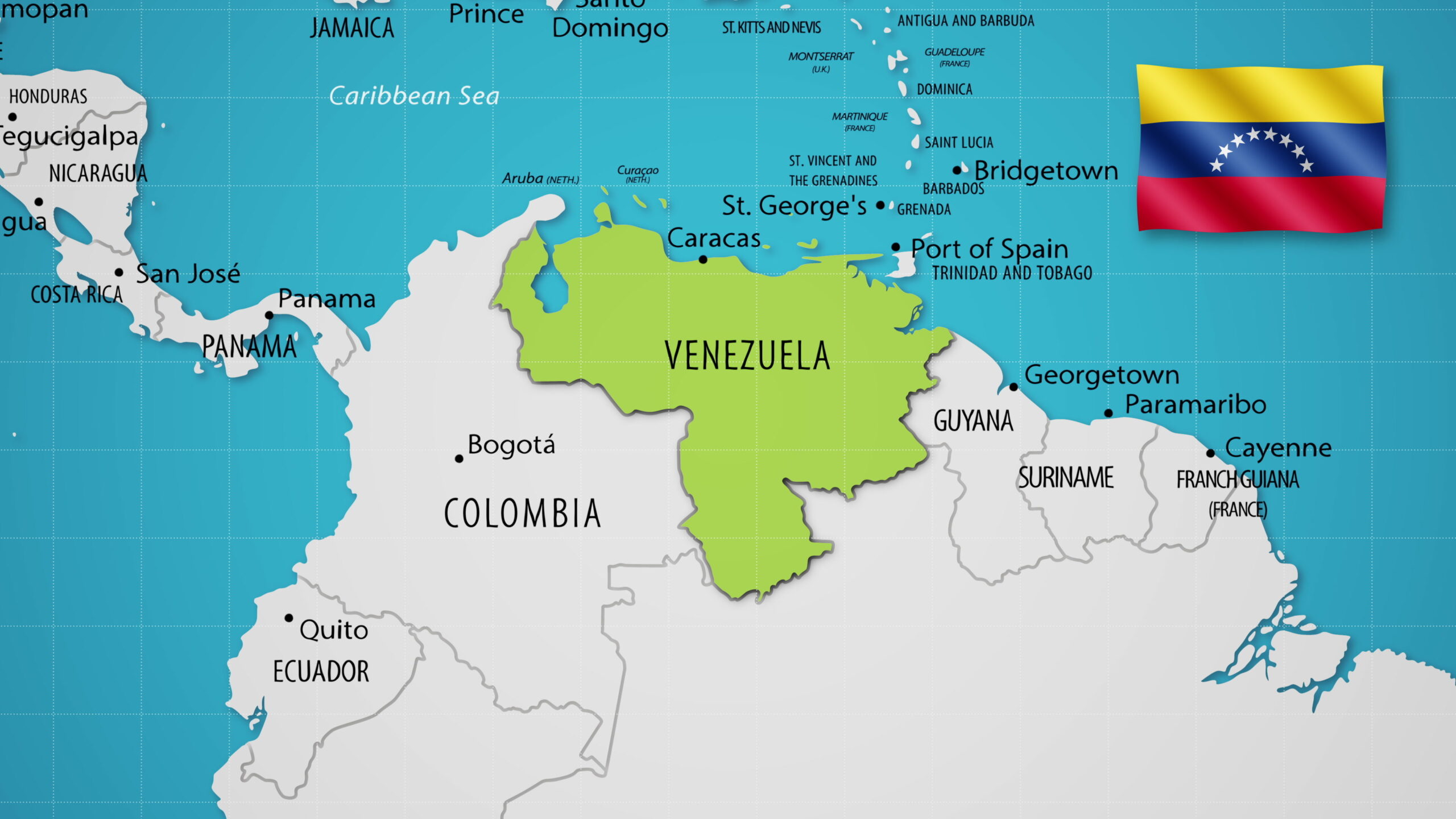
Across this 24-hour window, none of the approved claims reference Bolivia, its leadership, security services, or domestic unrest. Instead, reporting concentrates on Venezuela’s twin earthquakes, associated casualties and infrastructure damage, and international assistance, alongside renewed maritime warnings around Hormuz. This leaves the Bolivia brief reliant on absence-of-evidence rather than direct sourcing. Until verifiable, on-the-record reporting emerges from credible outlets, assertions of nationwide blockades or mass protest activity in Bolivia remain unverified in this set.
Change from previous assessment
Since the 24-25 June brief, there remains no corroborated, Bolivia-specific reporting in the approved material, and the collection gap persists. This update adds detailed sourcing on the competing newsflow around Venezuela’s earthquakes and maritime security to explain the gap, introduces concrete indicators to confirm or break the Bolivia-unrest hypothesis, and outlines forward scenarios. Core judgments are substantively unchanged.
Key judgments
- The approved material likely does not corroborate nationwide protests, road blockades, or calls for the Bolivian president’s resignation during 25-26 June, indicating a continuing collection gap on Bolivia in this window. (Confidence: insufficient · ASSESSED)
- I&W: Major wires or reputable Bolivian outlets publish verifiable, geolocated imagery and official statements describing concurrent road blockades across multiple departments. (0-14 days)
- I&W: No Bolivia-focused unrest reports appear across major international outlets and recognised local media for two consecutive news cycles. (0-14 days)
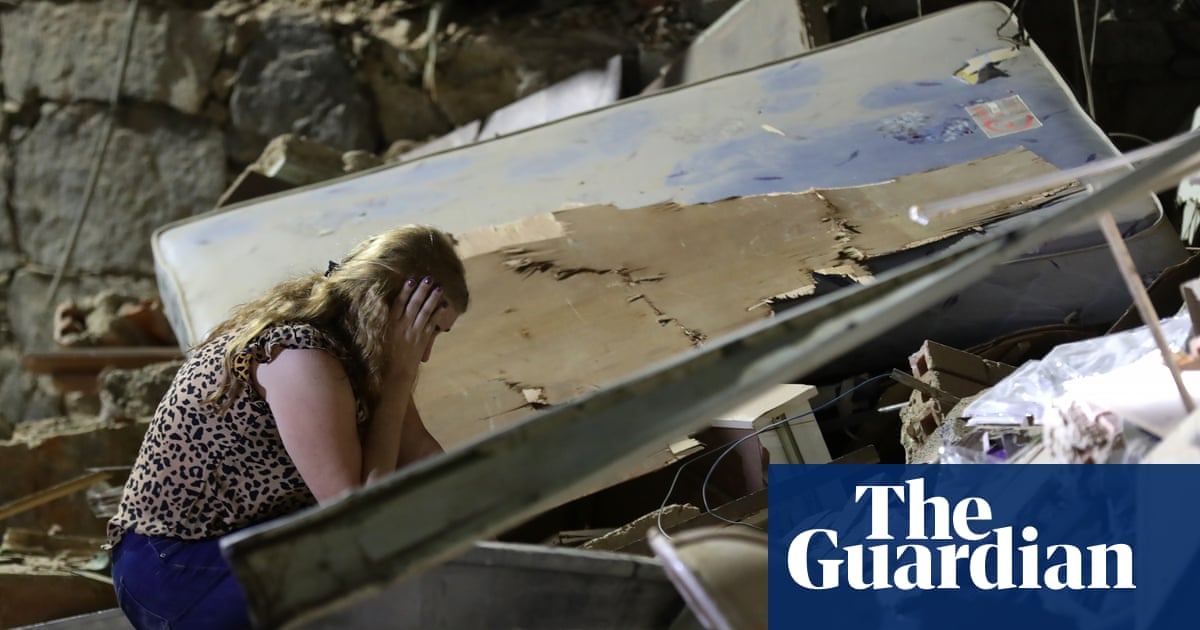
- Regional newsflow in the approved set is very likely dominated by Venezuela’s twin earthquakes, with reported deaths ranging from at least 164 to 235, injuries from 971 to 1,520, airport closure in Caracas, and immediate international assistance including U.S. search-and-rescue support and a U.S. Treasury licence for relief transactions. (Confidence: high · REPORTED)
- I&W: Further high-circulation reporting on casualty updates, foreign urban search-and-rescue arrivals, and restoration of damaged infrastructure in Venezuela. (0-14 days)
- I&W: A marked shift in top-line coverage within approved claims from Venezuela’s disaster response to Bolivia-focused unrest. (0-14 days)
- Given the absence of Bolivia-specific reporting and the concentration on unrelated crises, there is a roughly even chance that references to a Bolivian nationwide crisis reflect either misattribution in tasking or lag in collection rather than on-the-ground events captured in this set. (Confidence: low · ASSESSED)
- I&W: Reputable outlets issue corrections or clarifications walking back earlier mentions of nationwide unrest in Bolivia, citing source error or misattribution. (0-14 days)
- I&W: Emergence of multiple, independent, bylined reports with verifiable imagery confirming coordinated, nationwide protest actions in Bolivia. (0-14 days)
Outlook & scenarios
Nationwide protest wave is confirmed and escalates (35%)
Verified, multi-source reporting shows coordinated blockades across multiple departments, large urban turnouts, and disruption to intercity movement. Central authorities face mounting demands for leadership change, while security services prioritise crowd control and route clearance. Short-term risks include fuel and food supply delays, interruptions to public transport, and sporadic clashes.
Localised unrest persists without nationwide coordination (40%)
Protests and intermittent roadblocks occur in select municipalities but fail to scale nationally. Authorities rely on targeted policing and ad hoc negotiations to reopen routes. Effects are transient and geographically bounded, with limited economic disruption and low spillover into national governance.
No current nationwide crisis; earlier references were misframed (25%)
Follow-on reporting does not substantiate claims of nationwide blockades. Routine demonstrations occur at normal levels, and transport networks operate largely as usual. The analytic focus shifts back to other regional crises that dominate the period’s reporting.
Recommendations
- Prioritise targeted collection on Bolivia: monitor official communiqués, recognised national outlets, and provincial authorities for statements on protest activity, route closures, and security deployments.
- Institute a rapid geolocation and chronolocation workflow for alleged protest and blockade footage, with cross-cues to traffic data, airport/bus operator notices, and logistics advisories.
- Stand up a daily Bolivia-specific sitrep until the collection gap closes, separating this line from Venezuela earthquake tracking to avoid cross-contamination of narratives.
- Task language-enabled analysts to scan Spanish-language social channels for claims of nationwide actions and to flag items with corroborating imagery or official acknowledgement.
- Pre-identify observable triggers that would warrant escalation, such as sustained closures on trunk highways or formal curfew declarations, and set alerting thresholds.
Confidence & uncertainty
Overall confidence is medium because the central judgments rest on negative evidence within the approved set and on strong, corroborated reporting about other topics that crowd out Bolivia coverage. Multiple independent, reliable items confirm Venezuela’s earthquakes and maritime developments, but none address Bolivia. The main uncertainty is whether material outside this set captured Bolivian unrest that is not reflected here; this keeps confidence below high despite the clear absence inside the approved claims.
Alternative analysis (red cell)
The approved set’s lack of Bolivia reporting is real for this corpus but does not by itself justify a 50/50 probability or a definitive collection-gap diagnosis. Given the evidence concentration on a major Venezuela earthquake and maritime/security stories, selection bias or tasking concentration is at least as plausible an explanation as a systemic collection failure; targeted Bolivian-source collection and tasking metadata are needed to resolve which interpretation is correct.
Intelligence gaps
- [EEI 1.1 · UNCOVERED] Official resignation letter or public statement from President Rodrigo Paz announcing intent to step down, with date/time and channels of release. Recommended collection: official statements/OSINT
- [EEI 1.2 · UNCOVERED] Number and identities of cabinet ministers or senior executive officials who have tendered resignations or publicly withdrawn support (names, offices, dates). Recommended collection: government sources/HUMINT
- [EEI 1.3 · UNCOVERED] Formal legislative actions filed and their sponsorship count (impeachment/ removal motions, dates filed, vote schedule, list of legislators publicly backing each action). Recommended collection: legislative records/OSINT
- [EEI 1.4 · UNCOVERED] Existence and content of signed negotiation outcomes or exit agreements between the presidency and opposition/protest leaders (meeting minutes, memoranda, signatories, deadlines). Recommended collection: HUMINT/diplomatic
- [EEI 2.1 · UNCOVERED] Orders or directives from the Ministry of Defense or Interior authorizing deployment, use of lethal force, curfews, or emergency powers (document text, date/time, units named). Recommended collection: official statements/OSINT
- [EEI 2.2 · PARTIAL] Observed troop and police unit movements and concentrations at key urban areas, government buildings, or protest hotspots (unit identifiers, equipment observed, locations, timestamps). Recommended collection: satellite/imagery
- [EEI 2.3 · UNCOVERED] Public resignations, defections, or denouncements by senior military/police officers (names, ranks, dates, content of statements). Recommended collection: social media/HUMINT
- [EEI 2.4 · UNCOVERED] Verified incidents of security forces using live ammunition, heavy weapons, or armored vehicles against protesters (casualty numbers, weapon types, time/place, supporting media or hospital records). Recommended collection: medical/hospital reports & open source
- [EEI 3.1 · UNCOVERED] Location, number, and estimated duration of active roadblocks on major highways and access routes (GPS coordinates, reported start times, groups controlling each blockade). Recommended collection: transport/logistics & social media
- [EEI 3.3 · UNCOVERED] Size and frequency of street protests in major cities (estimated attendance counts, dates/times, trend compared to previous days). Recommended collection: social media/OSINT
- [EEI 3.4 · UNCOVERED] Communications from named protest leaders or coalitions calling for escalation, general strike, or de-escalation (public messages, strikes announced, coordination instructions). Recommended collection: social media/HUMINT
- [EEI 4.1 · UNCOVERED] Fuel supply status at major depots and petrol stations (days of supply remaining, deliveries canceled/delayed, outages reported by region). Recommended collection: logistics/industry reports
- [EEI 4.2 · UNCOVERED] Availability and price movements of staple foods in principal wholesale markets and supermarkets (stock levels, price changes percent, locations affected). Recommended collection: market/retail & OSINT
Cited sources
[1] jpost.com · Venezuela earthquakes leave almost 250 dead, over 41,000 reportedly missing (A) · sha256:e9e5c5d8d9ba [2] The Guardian · Powerful earthquakes rock Venezuela as death toll reaches 164 | First Thing (A) · sha256:c0edc959c2c2 [3] gcaptain.com · Ships Turn Back in Strait of Hormuz as IRGC Renews Transit Warnings (B) · sha256:f5d9e9e45ddc [4] gcaptain.com · Ship Attack Off Oman Derails IMO's Hormuz Evacuation Effort (B) · sha256:918fb650e3ef [5] gcaptain.com · Trump Row With Republican Senator Clouds US Drive to Sell Iran Deal to Gulf Allies (A) · sha256:5b3902477e56 [6] insurancejournal.com · Thousands Feared Dead After Two Major Earthquakes Hit Venezuela (A) · sha256:a390672462e7 [7] jpost.com · Venezuela reels from earthquake disaster as rescuers race to find survivors (A) · sha256:e198cbed61aa [8] newsweek.com · After meddling in Venezuela, how is the US actually helping the country now? (B) · sha256:d034f65492db
Source content hashes were computed at collection time; the cited text is preserved unmodified for the life of this product.
Red cell review: PARTIAL DISSENT
TLP:CLEAR