TLP:CLEAR · Disclosure is not limited.
Bolivia: Protests Deepen Political and Humanitarian Crisis
Time window: Last 1 day · Audience: General analyst · Type: Situation report · DTG: 2026-08-27 13:36Z · Overall confidence: HIGH
BLUF
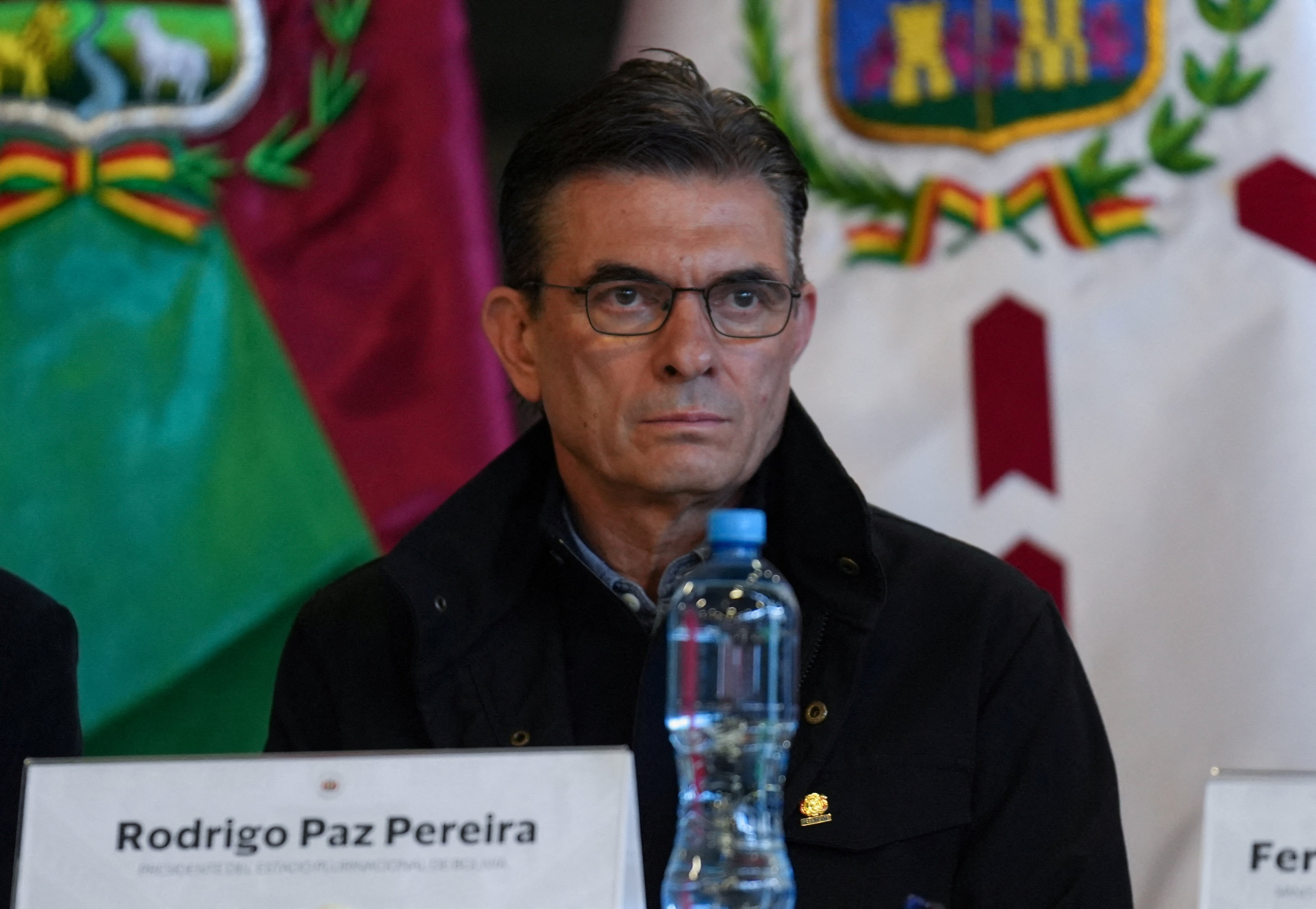
Bolivia's protests and road blockades are likely sustaining near-national pressure on President Rodrigo Paz, with activity reported across eight of the country's nine regions, economic losses above $1.9 billion and shortages of fuel, food, medicine and medical oxygen. Reports that three ministers submitted resignations indicate rising cabinet pressure, but the resignation count and the prospect of an imminent government collapse remain low-confidence judgements.
Executive summary
As of 27 August 2026, Bolivia's crisis has expanded beyond a road-access dispute into a wider political and humanitarian challenge. Peasant unions, the Bolivian Workers' Central and supporters of former President Evo Morales are reported to be leading protests and blockades across eight of nine regions. The disruption is associated with more than $1.9 billion in losses, shortages of essential goods and nine deaths. The government of Rodrigo Paz has attempted twice to establish humanitarian corridors. Separate low-confidence reports state that three ministers submitted resignations, naming Education Minister Beatriz García and Defence Minister Marcelo Salinas, but the reporting does not resolve the total number of resignations.
Change from previous assessment
Since the 26 August 2026 brief, the assessment has shifted from a sustained blockade campaign with no confirmed cabinet rupture to a deeper political crisis marked by reported ministerial resignations, quantified economic losses, reported shortages and nine deaths. The assessment that mobilisation is widespread is retained, while the judgement on imminent government collapse remains unlikely with low confidence. The new cabinet-pressure judgement is also low confidence because reporting on the number and identity of resigning ministers is incomplete and unresolved.
Key judgments
- It is likely that protests and road blockades are sustaining near-national pressure on President Rodrigo Paz, extending across eight of Bolivia's nine regions and led by peasant unions, the Bolivian Workers' Central and supporters of former President Evo Morales. This is a medium-confidence assessment because the geographic spread is reported by a single major-media source and the status of individual road closures remains unresolved. (Confidence: medium · ASSESSED)
- I&W: Confirm: Within 0-14 days, credible reporting verifies active blockades in Bolivia's ninth region or documents continued closures in multiple named locations across the eight currently affected regions. (0-14 days)
- I&W: Break: Within 0-14 days, the Bolivian Workers' Central and peasant unions announce a suspension and reporting confirms restored road access in at least six of the eight affected regions. (0-14 days)
- It is likely that the mobilisation is imposing a material humanitarian and economic burden in Bolivia. Reported losses exceed $1.9 billion, shortages affect fuel, food, medicine and medical oxygen, and nine people have died in the conflict. The causal link between each shortage and the blockades is not fully established, so confidence is medium despite high-confidence reporting on the losses and deaths. (Confidence: medium · REPORTED)
- I&W: Confirm: Within 0-14 days, health, commercial or transport reporting records continuing stock-outs of fuel, food, medicine and medical oxygen in areas affected by the blockades. (0-14 days)
- I&W: Break: Within 0-14 days, independent inventories show normal availability of the four reported shortage categories and no additional conflict-related deaths are reported. (0-14 days)
- It is likely that cabinet cohesion is under pressure, with reporting that three ministers submitted resignations and separate reporting naming Education Minister Beatriz García and Defence Minister Marcelo Salinas. This is a low-confidence, thinly corroborated judgement because the provided reporting does not establish whether García and Salinas are included in the reported three ministers. (Confidence: low · REPORTED)
- I&W: Confirm: Within 0-14 days, the presidency formally acknowledges the resignations of García and Salinas and identifies the third minister referenced in the reporting. (0-14 days)
- I&W: Break: Within 0-14 days, the presidency publishes official records showing that García and Salinas remain in office or that the resignation reports were withdrawn. (0-14 days)
- It is unlikely that the protests and reported cabinet resignations will cause Rodrigo Paz to resign or his government to collapse within the next 30 days. This is an assessed, low-confidence judgement: the claims demonstrate broad pressure and cabinet strain but provide no direct evidence on Paz's political support, succession arrangements or the durability of state authority. (Confidence: low · ASSESSED)
- I&W: Confirm: Over the next 0-30 days, Rodrigo Paz remains president and no formal resignation or succession announcement is issued despite continued blockades. (0-30 days)
- I&W: Break: Over the next 0-30 days, Rodrigo Paz announces his resignation or the government announces a formal succession process. (0-30 days)
- It is likely that protest pressure will persist for 1-3 months unless the government and organisers reach an arrangement that restores access to essential supplies. The breadth of the mobilisation, reported shortages and two attempted humanitarian-corridor initiatives indicate that the immediate dispute has not been resolved. Confidence is medium because the claims do not specify the protesters' current negotiating position or the status of the corridors. (Confidence: medium · ASSESSED)
- I&W: Confirm: Within 1-3 months, new reporting continues to place blockades in eight regions and records another humanitarian-corridor attempt or the failure of an existing corridor. (1-3 months)
- I&W: Break: Within 1-3 months, the Bolivian Workers' Central and peasant unions announce a suspension and reporting confirms reopened routes across at least six regions. (1-3 months)
Outlook & scenarios
Protracted mobilisation with managed access (55%)
The most likely path is continued blockades across much of Bolivia, with the government pursuing limited humanitarian access rather than securing a political settlement. Shortages and economic losses remain visible, while Rodrigo Paz stays in office and cabinet pressure continues.
Negotiated de-escalation without leadership change (27%)
The government and protest organisers agree to limited access for fuel, food, medicine and medical oxygen. Blockades ease across several regions, humanitarian corridors operate, and Paz retains the presidency without resolving the wider political dispute.
Cabinet rupture and accelerated political transition (13%)
The reported resignations are formally confirmed and additional ministers leave the government. Protest leaders maintain pressure, cabinet authority weakens and the government begins a political transition without an immediate change in the presidency.
High-impact confrontation and humanitarian shock (5%)
Low-probability, high-impact wildcard: humanitarian-corridor efforts fail, confrontation at blockades produces additional deaths and shortages intensify. The resulting shock forces a decision on leadership or triggers a wider breakdown in government authority.
Recommendations
- Establish a daily regional reporting matrix for all nine Bolivian regions. Record active blockade locations, route status, organiser identity, duration and access for essential supplies. Treat the eight-region figure as provisional until location-specific reporting is available.
- Seek independent confirmation of the cabinet reports from the presidency, the ministries named in the reporting and the Bolivian Workers' Central. Determine whether Beatriz García and Marcelo Salinas are included in the reported total of three ministers.
- Track daily availability of fuel, food, medicine and medical oxygen in areas affected by blockades. Separate confirmed stock-outs from general reports of disruption and record whether shortages result from blocked transport, depleted stocks or other stated causes.
- Monitor each humanitarian-corridor initiative for an observable outcome: announcement, route, cargo, duration and whether supplies reach intended destinations. Use failed or repeated corridor attempts as an early warning of prolonged mobilisation.
- Update the economic-loss estimate with its measurement period, affected sectors and methodology. Do not treat the reported figure above $1.9 billion as a settled baseline until its calculation is independently assessed.
- Maintain a 0-30 day alert threshold for any formal resignation or succession announcement involving Rodrigo Paz, and a 1-3 month threshold for confirmation that the Bolivian Workers' Central and peasant unions have suspended blockades across at least six regions.
Confidence & uncertainty
Overall confidence is high for the core assessment that Bolivia faces widespread protest-related disruption and a deepening political crisis. High-confidence major-media reporting supports the reported economic losses and deaths, while medium-confidence reporting adds shortages, an eight-region spread, leading organisations and attempted humanitarian corridors. The principal uncertainties concern the exact status of road closures, the causal contribution of blockades to each shortage and the number and political effect of ministerial resignations. Confidence is therefore lower for cabinet rupture and imminent government collapse than for the existence and breadth of the mobilisation.
Intelligence gaps
- [EEI 1.1 · UNCOVERED] Official resignation letter or public statement from President Rodrigo Paz announcing intent to step down, with date/time and channels of release. Recommended collection: official statements/OSINT
- [EEI 1.2 · PARTIAL] Number and identities of cabinet ministers or senior executive officials who have tendered resignations or publicly withdrawn support (names, offices, dates). Recommended collection: government sources/HUMINT
- [EEI 1.3 · UNCOVERED] Formal legislative actions filed and their sponsorship count (impeachment/ removal motions, dates filed, vote schedule, list of legislators publicly backing each action). Recommended collection: legislative records/OSINT
- [EEI 1.4 · UNCOVERED] Existence and content of signed negotiation outcomes or exit agreements between the presidency and opposition/protest leaders (meeting minutes, memoranda, signatories, deadlines). Recommended collection: HUMINT/diplomatic
- [EEI 2.1 · UNCOVERED] Orders or directives from the Ministry of Defense or Interior authorizing deployment, use of lethal force, curfews, or emergency powers (document text, date/time, units named). Recommended collection: official statements/OSINT
- [EEI 2.2 · UNCOVERED] Observed troop and police unit movements and concentrations at key urban areas, government buildings, or protest hotspots (unit identifiers, equipment observed, locations, timestamps). Recommended collection: satellite/imagery
- [EEI 2.3 · UNCOVERED] Public resignations, defections, or denouncements by senior military/police officers (names, ranks, dates, content of statements). Recommended collection: social media/HUMINT
- [EEI 2.4 · UNCOVERED] Verified incidents of security forces using live ammunition, heavy weapons, or armored vehicles against protesters (casualty numbers, weapon types, time/place, supporting media or hospital records). Recommended collection: medical/hospital reports & open source
- [EEI 3.1 · PARTIAL] Location, number, and estimated duration of active roadblocks on major highways and access routes (GPS coordinates, reported start times, groups controlling each blockade). Recommended collection: transport/logistics & social media
- [EEI 3.2 · UNCOVERED] Operational status of key transport nodes (international airports, major bus terminals, rail hubs, and border crossings), open, limited, closed, with timestamps. Recommended collection: transport authority updates/OSINT
- [EEI 3.3 · PARTIAL] Size and frequency of street protests in major cities (estimated attendance counts, dates/times, trend compared to previous days). Recommended collection: social media/OSINT
- [EEI 3.4 · PARTIAL] Communications from named protest leaders or coalitions calling for escalation, general strike, or de-escalation (public messages, strikes announced, coordination instructions). Recommended collection: social media/HUMINT
- [EEI 4.1 · PARTIAL] Fuel supply status at major depots and petrol stations (days of supply remaining, deliveries canceled/delayed, outages reported by region). Recommended collection: logistics/industry reports
- [EEI 4.2 · PARTIAL] Availability and price movements of staple foods in principal wholesale markets and supermarkets (stock levels, price changes percent, locations affected). Recommended collection: market/retail & OSINT
- [EEI 4.3 · PARTIAL] Scope and duration of disruptions to public services (electricity outages, water supply interruptions, hospital service reductions) with affected areas and timestamps. Recommended collection: utility operators/OSINT
- [EEI 4.4 · UNCOVERED] Actions by foreign governments or international organizations: travel advisories, embassy evacuations, recognition/condemnation statements, sanctions or aid pledges (dates and content). Recommended collection: diplomatic channels/OSINT
Cited sources
[1] 10tv.ar · Bolivia: tres ministros pusieron la renuncia a disposición de Rodrigo Paz en medio de la crisis por los bloqueos (A) · sha256:2a5ac7295ed6 [2] gcaptain.com · Iran, Oman Agree to Share Strait of Hormuz Revenue (A) · sha256:6daef8156ec8
Source content hashes were computed at collection time; the cited text is preserved unmodified for the life of this product.
TLP:CLEAR