TLP:CLEAR · Disclosure is not limited.
Bolivia: Reported Nationwide Protests Uncorroborated in Current OSINT Window
Time window: Last 1 day · Audience: General analyst · Type: Situation report · DTG: 2026-06-25 08:13Z · Overall confidence: LOW
BLUF
Within the 24-25 June window, the provided sources do not corroborate nationwide protests, road blockades, or calls for the Bolivian president’s resignation. Only a single, low-confidence item touches Bolivia at all, so this is an initial, low-confidence assessment with priority collection gaps.
Executive summary
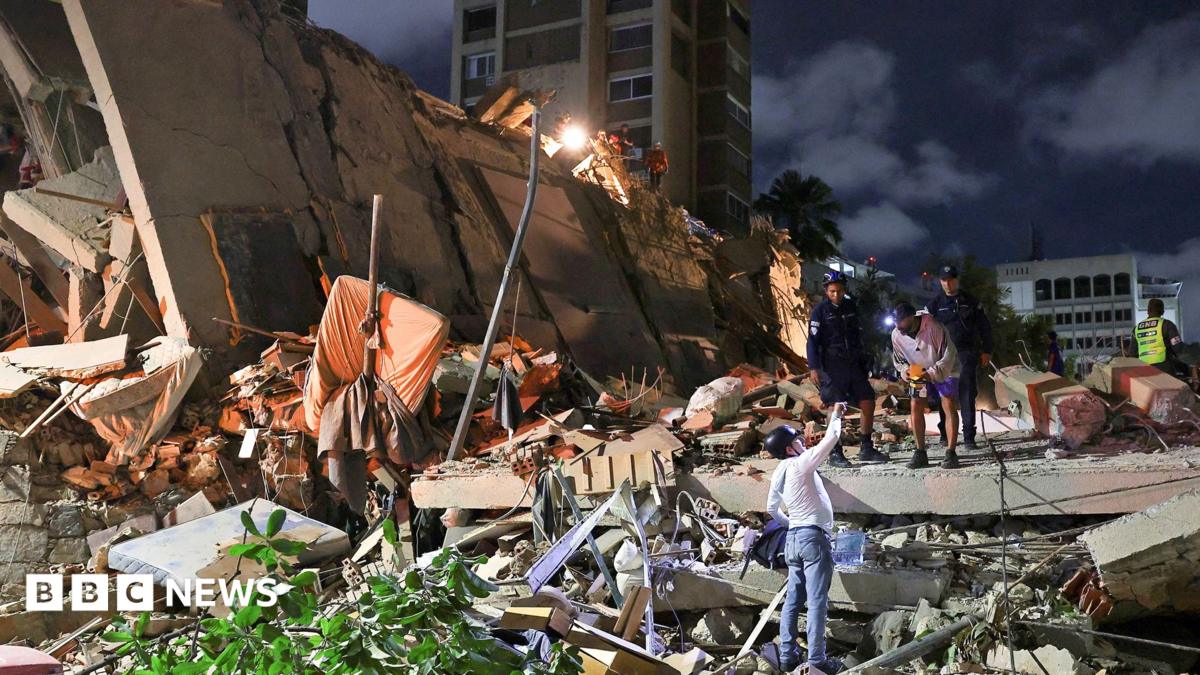
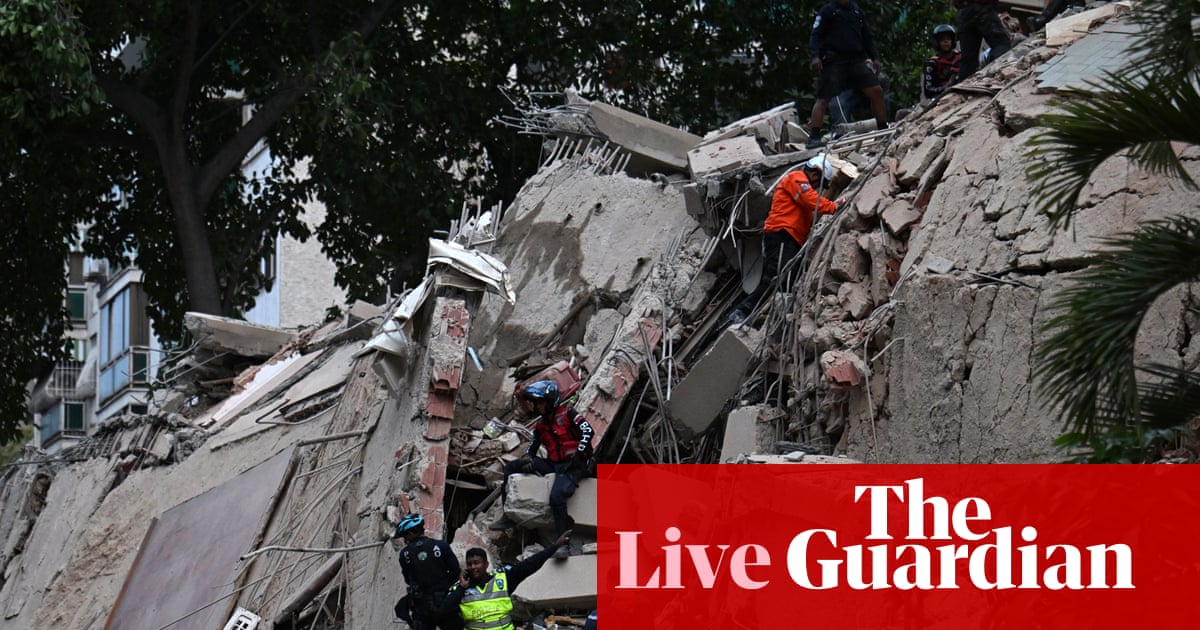
The supplied reporting set contains no direct coverage of protest activity or transport blockades in Bolivia during 24-25 June. The sole Bolivia-linked item is a low-confidence claim that Bolivia resumed operational cooperation with the U.S. Drug Enforcement Administration in March 2026, which does not speak to protest dynamics. Regional coverage is dominated by Venezuela’s earthquakes and state-of-emergency measures, which may explain the absence of contemporaneous Bolivian items in this feed. We cannot validate the scale, organisation, or targets of any alleged protest movement in Bolivia from the material provided and recommend urgent targeted collection.
Key judgments
- The provided material almost certainly does not directly report nationwide protests or road blockades in Bolivia during 24-25 June 2026, indicating a critical collection gap on the topic in this window. (Confidence: insufficient · ASSESSED)
- I&W: No major outlet items in the next cycle explicitly reporting Bolivia-wide blockades or protest demands, with verifiable on-the-ground details. (0-14 days)
- I&W: Publication by a major outlet of geolocated reports of nationwide Bolivian blockades and protester demands, breaking the current absence. (0-14 days)
- There is a roughly even chance Bolivia resumed operational cooperation with the U.S. Drug Enforcement Administration in March 2026, a development that could shape internal security decision-making but does not evidence protest activity. (Confidence: low · REPORTED)
- I&W: Official communique or press conference in Bolivia announcing an operational MOU or joint tasking with the DEA. (0-14 days)
- I&W: Formal denial by the Bolivian executive or the U.S. Embassy that any DEA operational cooperation has resumed. (0-14 days)
- Regional newsflow in this window was likely dominated by Venezuela’s earthquakes and state-of-emergency measures, which may explain the absence of Bolivia protest coverage in the provided set. (Confidence: medium · ASSESSED)
- I&W: A continued majority of Latin America items from major outlets focus on Venezuela’s earthquake fallout rather than Bolivian domestic politics. (0-14 days)
- I&W: Multiple independent reports from major outlets emerge focusing on Bolivian protest dynamics, displacing Venezuela from the lead of the regional agenda. (0-14 days)
Outlook & scenarios
Escalation: Nationwide blockades harden and security forces respond (40%)
If a large protest movement is indeed active, road blockades could proliferate, disrupting inter-city movement and supply chains. Security forces may deploy to clear choke points, raising the risk of clashes and detentions. Without negotiated channels, protester demands could radicalise and target central institutions, prolonging disruption.
Negotiated off-ramp: Targeted concessions and phased de-escalation (35%)
Authorities open talks with protest representatives, offering limited concessions on immediate grievances and sequencing removals of key blockades. Protest actions persist but become localised and time-bound, enabling restoration of most transport links while political negotiations continue.
Fragmentation: Movement loses momentum (25%)
Absent sustained organisation or national leadership, protests diminish into sporadic, locality-specific demonstrations with intermittent road disruptions. The government avoids major concessions and manages the situation administratively, while public attention shifts to other issues.
Wildcard: Security cooperation controversy inflames the street (15%)
Public debate over resuming operational cooperation with a foreign agency triggers a backlash that fuses with economic or governance grievances, broadening participation and spiking turnout at demonstrations. This raises the risk of polarisation and short-notice surges in disruptive actions.
Recommendations
- Issue a collection gap alert on Bolivia: prioritise Spanish-language monitoring of official government communications, verified local media, and labour or civic group statements for verifiable protest and blockade reporting.
- Stand up a rapid geolocation cell to validate any circulating footage of blockades or demonstrations; require road signage, storefronts, and terrain cues before accepting for situational use.
- Task transport-watch to scrape public notices on road closures and diversions, and to compile a daily map of confirmed blockages with time stamps and confidence levels.
- Set tripwires: (a) formal declaration of emergency powers; (b) curfew announcements; (c) mass arrest reports from multiple independent outlets. Pre-draft incident templates to accelerate dissemination.
- Open a channel with humanitarian and logistics operators active in-country to obtain time-stamped disruption reports for fuel, food distribution, and medical referrals.
- If DEA cooperation in Bolivia is confirmed, prepare a stakeholder map of likely political supporters and opponents, and assess how this might alter security force posture at protest sites.
Confidence & uncertainty
Overall confidence is low because the provided set contains no direct reporting on Bolivian protests or road blockades in the stated window, and the only Bolivia-adjacent claim is a single, low-confidence item about resumed DEA cooperation from a think tank source. Regional items are dominated by Venezuela’s earthquakes and contain internal discrepancies in dates and casualty figures, which reduces confidence in using them as contextual anchors for Bolivian political dynamics. While we can describe plausible scenarios, there is insufficient corroborated evidence to make high-confidence judgments about protest scope or government response.
Alternative analysis (red cell)
The ledger does not support attributing a Bolivia-specific collection gap or estimating resumed Bolivia–DEA cooperation because the cited claim (04b4d364) refers to Venezuela, not Bolivia, and is low-grade (C6). The corpus contains high-confidence reporting on Venezuela earthquakes and other distinct topics (heatwave, Strait of Hormuz), and contains unaddressed contradictions (tradecraft_lint_findings.code = "contradiction_unaddressed"), so absence of Bolivia reporting is as plausibly explained by collection scope or source-selection biases as by topical overshadowing.
Intelligence gaps
- [EEI 1.1 · UNCOVERED] Official resignation letter or public statement from President Rodrigo Paz announcing intent to step down, with date/time and channels of release. Recommended collection: official statements/OSINT
- [EEI 1.2 · UNCOVERED] Number and identities of cabinet ministers or senior executive officials who have tendered resignations or publicly withdrawn support (names, offices, dates). Recommended collection: government sources/HUMINT
- [EEI 1.3 · UNCOVERED] Formal legislative actions filed and their sponsorship count (impeachment/ removal motions, dates filed, vote schedule, list of legislators publicly backing each action). Recommended collection: legislative records/OSINT
- [EEI 1.4 · UNCOVERED] Existence and content of signed negotiation outcomes or exit agreements between the presidency and opposition/protest leaders (meeting minutes, memoranda, signatories, deadlines). Recommended collection: HUMINT/diplomatic
- [EEI 2.1 · UNCOVERED] Orders or directives from the Ministry of Defense or Interior authorizing deployment, use of lethal force, curfews, or emergency powers (document text, date/time, units named). Recommended collection: official statements/OSINT
- [EEI 2.2 · UNCOVERED] Observed troop and police unit movements and concentrations at key urban areas, government buildings, or protest hotspots (unit identifiers, equipment observed, locations, timestamps). Recommended collection: satellite/imagery
- [EEI 2.3 · UNCOVERED] Public resignations, defections, or denouncements by senior military/police officers (names, ranks, dates, content of statements). Recommended collection: social media/HUMINT
- [EEI 2.4 · UNCOVERED] Verified incidents of security forces using live ammunition, heavy weapons, or armored vehicles against protesters (casualty numbers, weapon types, time/place, supporting media or hospital records). Recommended collection: medical/hospital reports & open source
- [EEI 3.1 · UNCOVERED] Location, number, and estimated duration of active roadblocks on major highways and access routes (GPS coordinates, reported start times, groups controlling each blockade). Recommended collection: transport/logistics & social media
- [EEI 3.3 · UNCOVERED] Size and frequency of street protests in major cities (estimated attendance counts, dates/times, trend compared to previous days). Recommended collection: social media/OSINT
- [EEI 3.4 · UNCOVERED] Communications from named protest leaders or coalitions calling for escalation, general strike, or de-escalation (public messages, strikes announced, coordination instructions). Recommended collection: social media/HUMINT
- [EEI 4.1 · UNCOVERED] Fuel supply status at major depots and petrol stations (days of supply remaining, deliveries canceled/delayed, outages reported by region). Recommended collection: logistics/industry reports
- [EEI 4.2 · UNCOVERED] Availability and price movements of staple foods in principal wholesale markets and supermarkets (stock levels, price changes percent, locations affected). Recommended collection: market/retail & OSINT
- [EEI 4.3 · PARTIAL] Scope and duration of disruptions to public services (electricity outages, water supply interruptions, hospital service reductions) with affected areas and timestamps. Recommended collection: utility operators/OSINT
Cited sources
[1] Atlantic Council · The recent US-Venezuelan strike on Tren de Aragua’s leader will reverberate across Latin America (C) · sha256:8ea6d63d3e05 [2] BBC · Venezuela earthquakes kill at least 32, with 700 injured, as buildings destroyed across Caracas - follow live (A) · sha256:8d0102de92a0 [3] theguardian.com · Venezuela earthquakes leave at least 32 dead, 700 injured and dozens of buildings collapsed – latest updates (A) · sha256:a4dfd6190ab9 [4] CNN · Two quakes rattle Venezuela within a minute, causing damage and state of emergency | CNN (A) · sha256:b368e6e0e82f
Source content hashes were computed at collection time; the cited text is preserved unmodified for the life of this product.
Red cell review: PARTIAL DISSENT
TLP:CLEAR