TLP:CLEAR · Disclosure is not limited.
Bolivia: State of emergency and military clearance amid deepening protests
Time window: Last 7 days · Audience: General analyst · Type: Situation report · DTG: 2026-06-25 06:19Z · Overall confidence: MEDIUM
BLUF
President Rodrigo Paz imposed a state of emergency on 20 June 2026 and is deploying the armed forces to clear road blockades after more than six weeks of unrest. Supply chains are strained and casualties have been reported, while Washington has publicly backed Paz and is ramping emergency assistance even as parts of the protest movement vow to continue.
Executive summary
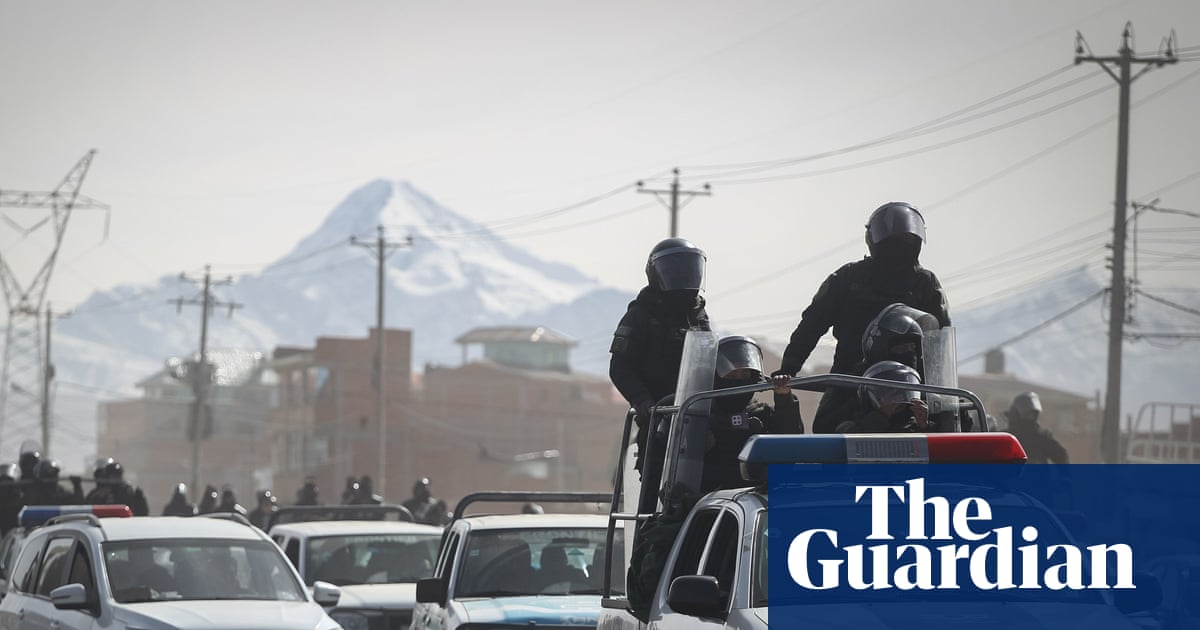
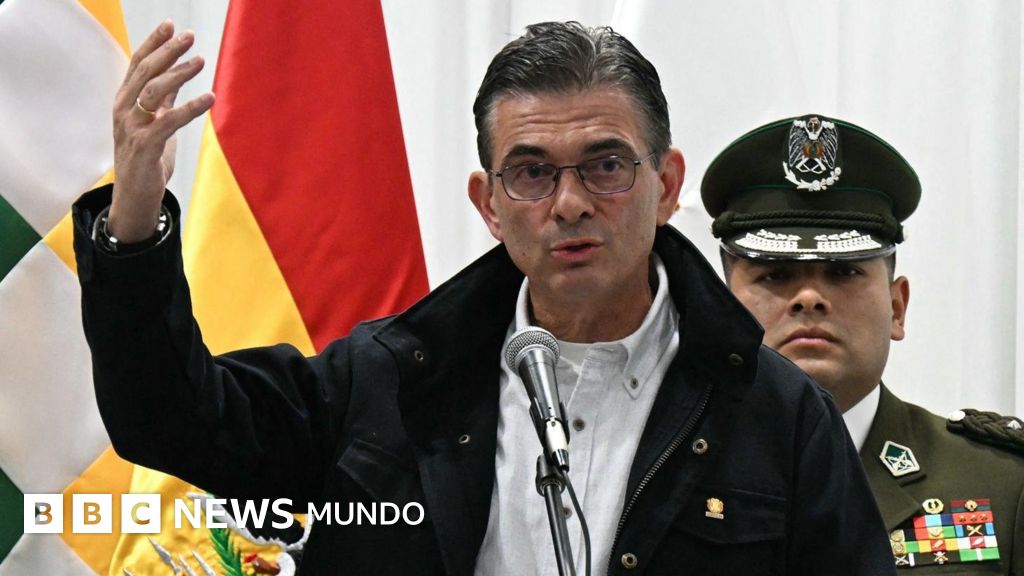
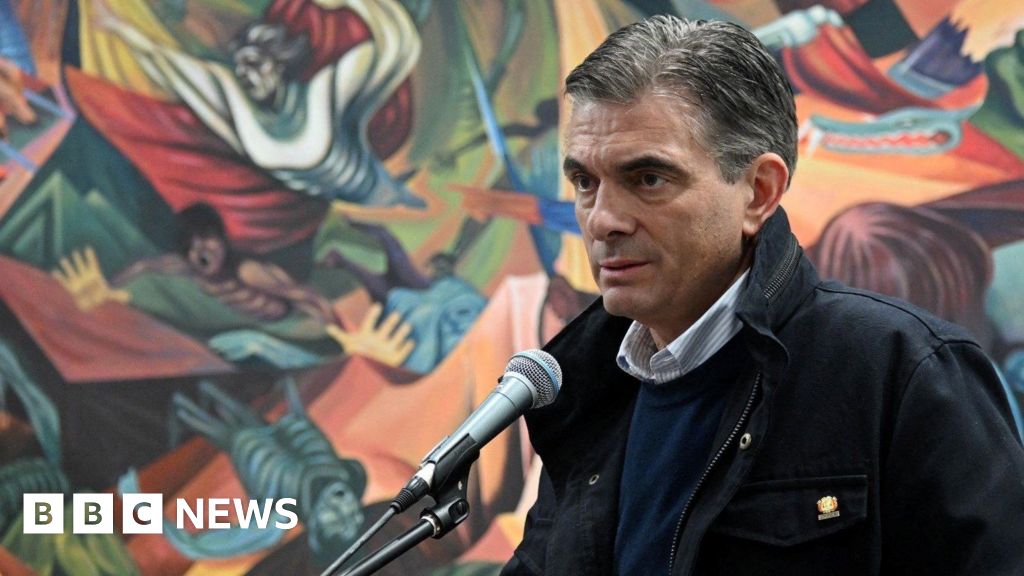
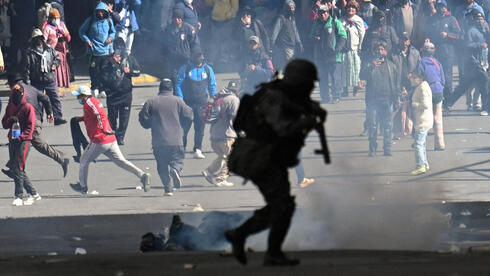
After weeks of protests led by unions, highland Indigenous and rural workers, and coca growers demanding wage rises, relief from fuel and dollar shortages, and President Paz’s resignation, the government declared a state of emergency on 20 June. The decree enables military deployments to clear blockades, which have already begun alongside police action. Road closures have choked deliveries of fuel, food and medicines to major cities including La Paz, with multiple reports of deaths, injuries and hundreds of arrests. The United States has aligned diplomatically with Paz and is increasing emergency support. Protest drivers include abrupt fuel subsidy cuts and broader economic shortages, with some reporting also tying the unrest to land reform plans. The interior minister has not ruled out an operation to capture former president Evo Morales, a step that would risk sharp escalation. One major union has signalled a stand-down, but some Indigenous groups have pledged to fight on.
Key judgments
- It is very likely the Paz administration will persist with military and police clearance of road blockades under the state of emergency over the next two weeks. (Confidence: high · REPORTED)
- I&W: Official communiques or widely reported footage of soldiers and bulldozers removing barricades on approaches to La Paz and other departmental capitals (0-14 days)
- I&W: Congress votes down the emergency decree or the presidency issues an order suspending armed forces support to internal security (0-14 days)
- Humanitarian supply chains are likely to remain disrupted nationwide in the short term, with acute shortages in major cities. (Confidence: medium · ASSESSED)
- I&W: Municipal announcements of continued rationing and price spikes for staple foods and fuel in La Paz and other major cities (0-14 days)
- I&W: Transport authorities report reopening of main corridors and normalised deliveries to urban fuel depots (0-14 days)
- The protest movement is likely to persist despite fractures, with unions, highland Indigenous and rural workers, and coca growers maintaining pressure through marches and blockades. (Confidence: medium · ASSESSED)
- I&W: Public calls from highland Indigenous and rural workers’ organisations for new marches and renewed road blockades (0-14 days)
- I&W: The Bolivian Workers’ Central and allied federations announce and adhere to a nationwide stand-down from protests for at least two weeks (0-14 days)
- Economic policy choices, notably abrupt fuel subsidy cuts amid shortages, and a contested land reform agenda very likely helped trigger and intensify the unrest. (Confidence: medium · ASSESSED)
- I&W: Government announces adjustments or partial rollbacks to fuel subsidy cuts or unveils compensatory measures (1-3 months)
- I&W: Executive or legislative steps to pause or amend land reform proposals (1-3 months)
- Public US backing for President Paz and increased emergency assistance are very likely to continue in the near term, bolstering the administration’s external support. (Confidence: high · REPORTED)
- I&W: US Embassy or State Department announcements of additional aid deliveries or programmes for Bolivia (0-14 days)
- I&W: US officials publicly condition support on the government’s handling of protests and rights concerns (1-3 months)
- Any attempt to detain former president Evo Morales would likely escalate tensions and catalyse broader mobilisation among his allies. (Confidence: medium · ASSESSED)
- I&W: Interior Ministry announces warrants or operations targeting Morales or detains senior figures close to him (0-14 days)
- I&W: Government publicly rules out pursuing Morales and initiates a formal dialogue track with protest leaders (0-14 days)
Outlook & scenarios
Managed coercion with piecemeal deals reopens corridors (50%)
Security forces continue to clear key barricades under the emergency decree while the presidency strikes limited agreements with select unions to lift blockades. Essential flows gradually improve in major cities, though sporadic protests persist and periodic clear-and-hold operations remain necessary.
Crackdown or a move against Morales triggers escalation (35%)
A forceful enforcement push or an attempt to capture Evo Morales sparks wider mobilisation by his allies. Casualties and arrests rise and new blockades proliferate, deepening shortages and forcing the government to expand emergency measures while international scrutiny increases.
Targeted concessions and aid ease pressure on streets (25%)
The government unveils economic relief tied to fuel and currency shortages and leverages US emergency assistance to unblock logistics. A commission structure channels local grievances, and additional unions stand down, reducing blockade frequency and lowering the temperature without fully resolving core disputes.
Recommendations
- Maintain a daily map of active and cleared road blockades affecting access to La Paz and other departmental capitals, incorporating open-source video, official communiques and press briefings.
- Track casualty and detention reporting from the ombudsman’s office, health sector representatives and authorities; flag discrepancies across tallies in internal products and avoid single-source figures in external use without caveat.
- Monitor congressional procedure on the emergency decree and any extensions, as well as presidential orders governing the armed forces’ internal security roles.
- Establish an indicator watch for any Interior Ministry actions targeting Evo Morales, including warrants, operational announcements and unusual deployments by police or military units associated with internal operations.
- Follow statements and decisions by the Bolivian Workers’ Central and leading Indigenous organisations to assess protest cohesion or fragmentation; log announced strike calendars and blockade calls.
- Monitor implementation of US emergency assistance and logistics support to Bolivia and any additional US political signalling to assess effects on humanitarian conditions and narrative framing by both government and opposition.
- Capture government policy signals on fuel subsidy adjustments and land reform, and model likely protest response under partial, full or no concessions.
Confidence & uncertainty
Overall confidence is medium. Multiple independent, high-reliability outlets and official statements corroborate the state of emergency, authorisation to deploy the armed forces, active clearance of barricades, widespread shortages and US diplomatic and humanitarian support. Key uncertainties remain on precise casualty totals and arrest figures, which vary across reporting, and on the initial trigger of the unrest, with conflicting accounts pointing to both fuel subsidy cuts and a land reform push. There are also minor inconsistencies in some date references in secondary reporting. These factors limit confidence in some specifics but not in the core trajectory.
Alternative analysis (red cell)
Government authorizations and initial deployments indicate capacity and intent to clear blockades, but union agreements and signs of protest fragmentation make sustained, nationwide clearance operations and uniformly persistent protest action uncertain. Economic policy and land reform appear relevant to unrest, but sequencing and relative causal weight are ambiguous in the record. U.S. support is evident now but its duration and scope are not definitively established, and detention of Morales could provoke escalation in some areas but not necessarily a unified nationwide mobilisation.
Cited sources
[1] Jerusalem Post · Bolivia's Paz declares state of emergency over blockade crisis, paving way to deploy military (A) · sha256:c6440d9cf6ba [2] BBC News Mundo · Rodrigo Paz declara el estado de excepción en Bolivia “para liberar las carreteras del país” - BBC News Mundo (A) · sha256:99ae6e66ab38 [3] ynetnews.com · Bolivia declares state of emergency after 50 days of anti-government blockades (B) · sha256:2bf0c3e9b6df [4] BBC · Bolovian president declares state of emergency (A) · sha256:77d691991468 [5] CNN · Bolivia’s president declares state of emergency over blockade crisis | CNN (A) · sha256:84828205f9e6 [6] theguardian.com · Bolivian president declares state of emergency and deploys military to quell anti-government protests (A) · sha256:b361a12322ba [7] vietnam.vn · Bolivia declara el estado de emergencia tras 50 días de violencia sangrienta. (B) · sha256:c453cdae8932 [8] Los Angeles Times · Bolivia’s president declares a state of emergency as road blockades choke supplies - Los Angeles Times (A) · sha256:1274b57214e5 [9] Ministerio de Relaciones Exteriores de Bolivia · CANCILLERIA: BOLIVIA (A) · sha256:9197e0b8058d
Source content hashes were computed at collection time; the cited text is preserved unmodified for the life of this product.
Red cell review: PARTIAL DISSENT
TLP:CLEAR