TLP:CLEAR · Disclosure is not limited.
Chinese Submarine Missile Test Escalates Taiwan Strait Tensions
Time window: Last 1 day · Audience: General analyst · Type: Situation report · DTG: 2026-07-06 11:50Z · Overall confidence: HIGH
BLUF
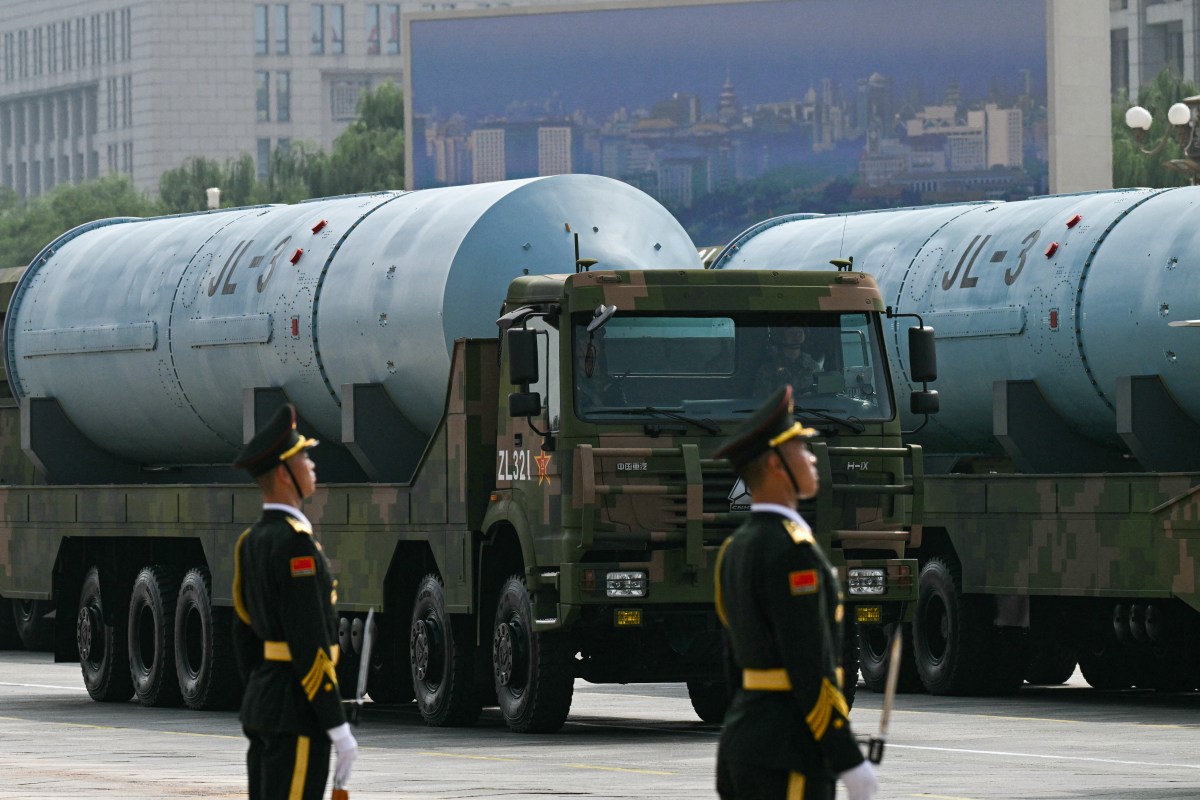
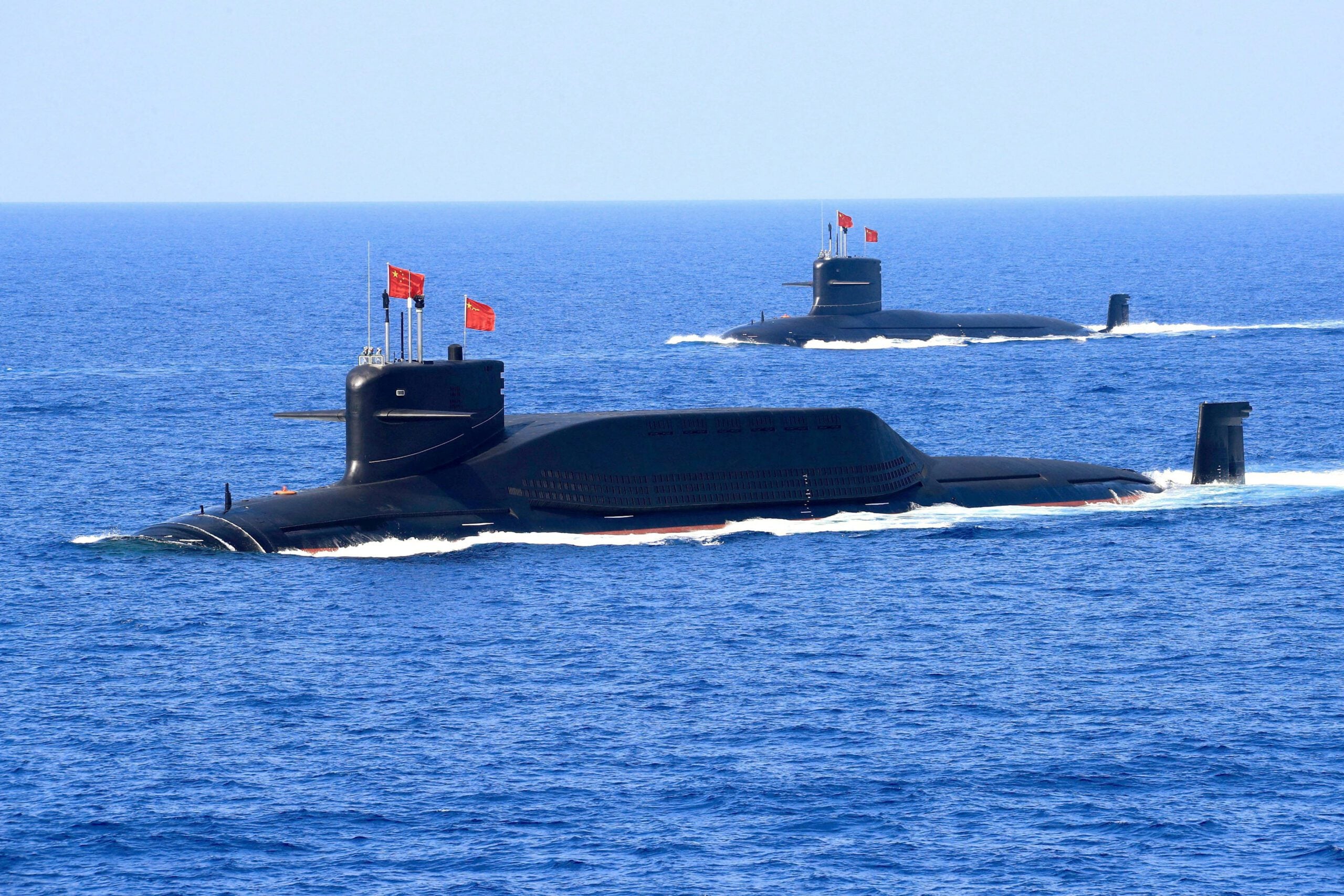
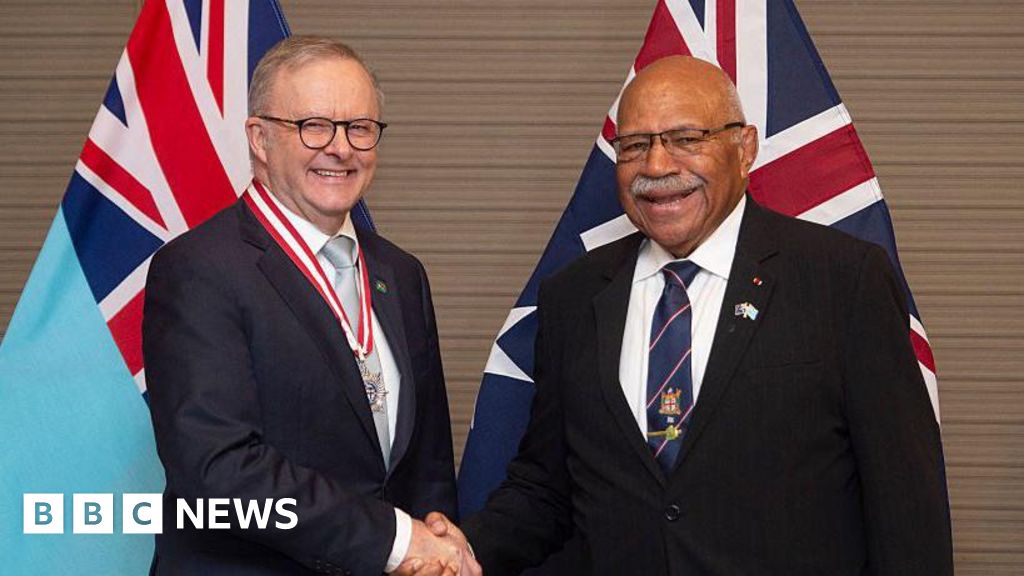
China conducted a long-range ballistic missile test from a nuclear-powered submarine in the South Pacific on 6 July 2026, immediately following Australia's mutual defense treaty signing with Fiji. Taiwan currently tracks over 110 Chinese military and coast guard vessels along the first island chain, including four active naval units in the Western Pacific. Regional partners including Australia, Japan, and New Zealand have condemned the launch as destabilising to the region, with Australia calling it China's second missile test since September 2024.
Executive summary
China's military test-fired a long-range ballistic missile from a nuclear-powered submarine in the South Pacific on 6 July 2026 while simultaneously maintaining high naval operating tempo around Taiwan. The test, conducted with a dummy warhead launched at 12:01 p.m., generated regional condemnation from key US treaty allies, with Australia, Japan, and New Zealand criticising the action despite receiving pre-launch notifications. Taiwan reports tracking more than 110 Chinese military and coast guard vessels across the first island chain, including four active naval units in the Western Pacific near Taiwan's east coast, marking July to September as the period when Chinese military drills are most intense.
Change from previous assessment
Confidence in China's sustained military posture has increased from medium to high based on more comprehensive reporting of naval unit movements and vessel counts. The timeline for the PLA-Navy/Russian joint drills remains unchanged (10-13 July), but reporting now confirms four Chinese naval units are currently active in the Western Pacific near Taiwan, up from earlier general references to elevated activity. Taiwan's reported vessel count has been precisely quantified as over 110 Chinese military and coast guard vessels, providing more concrete data for tracking operations. Australia's characterization of the missile test as China's second since September 2024 represents new specific information absent from the prior briefing.
Key judgments
- China very likely conducted a long-range ballistic missile test from a nuclear-powered submarine in the South Pacific on 6 July 2026, immediately following Australia's mutual defence treaty signing with Fiji on the same day. (Confidence: high · REPORTED)
- I&W: Confirmation of missile debris retrieval in the South Pacific consistent with Chinese SLBM parameters (0-14 days)
- I&W: Additional Chinese ballistic missile tracking ships redeploying to the South Pacific within 72 hours (0-7 days)
- Taiwan is very likely monitoring intensified Chinese naval movements around its territory, currently tracking more than 110 Chinese military and coast guard vessels across the first island chain, with four active naval units in the Western Pacific. (Confidence: high · REPORTED)
- I&W: Taiwan tracking and reporting on more than 150 Chinese military and coast guard assets across the first island chain (0-7 days)
- I&W: Taiwan declaring multiple Chinese vessels as having entered its air defence identification zone within 24 hours (0-3 days)
- Australia, Japan, and New Zealand very likely perceive China's missile test as deliberately timed to undermine regional stability, with Australia specifically calling it destabilising to the region and noting it represents China's second missile test since September 2024. (Confidence: high · REPORTED)
- I&W: Australia accelerating deployment of ADF personnel to regional defence facilities within 14 days (1-4 weeks)
- I&W: Japan issuing official protests to China through diplomatic channels within 72 hours following another Chinese naval incursion (0-3 days)
- China maintains very likely sustained naval activity around Taiwan through July as a precursor to the 10-13 July joint sea drills with Russia off Qingdao, with July to September representing the peak season for intensified Chinese military exercises. (Confidence: high · ASSESSED)
- I&W: Additional Chinese naval units deploying to the Western Pacific within the next 72 hours (0-3 days)
- I&W: Chinese military announcing an increased number of vessels participating in the 10-13 July joint drills with Russia (3-7 days)
Outlook & scenarios
Continued Military Posturing (65%)
China maintains high naval operating tempo around Taiwan through July, culminating in the 10-13 July joint drills with Russia off Qingdao. Taiwan continues tracking Chinese military movements without significant escalation, while US treaty allies maintain diplomatic protests against Chinese activities. China conducts another missile test following the Russia drills, likely in late July or early August.
Regional Military Escalation (20%)
Taiwan initiates more aggressive expulsions of Chinese coast guard vessels east of Taiwan, prompting a Chinese counter-response. Japan and Australia accelerate defence cooperation, deploying additional air and naval assets to strengthen surveillance of Chinese movements. China responds with larger-scale military exercises involving more vessels and aircraft, creating increased risk of mid-air or maritime incidents.
Diplomatic De-escalation (10%)
Following regional diplomatic protests, China reduces its naval activities near Taiwan and refrains from further missile tests through August. The United States mediates increased communication between China and regional partners, leading to a temporary reduction in tensions. Japan and China resume high-level defence dialogue that had been suspended.
Taiwan Strait Incident (5%)
An accidental collision between Chinese and Taiwanese vessels east of Taiwan results in fatalities, prompting immediate military mobilisation from both sides. China conducts additional shows of force including live-fire exercises near Taiwan while Taiwan activates contingency plans. The United States deploys additional naval assets to the region, raising the risk of wider conflict.
Recommendations
- Conduct time-sensitive analysis of Chinese naval patterns east of Taiwan to identify potential indicators of imminent coercive operations against Taiwanese-flagged vessels
- Monitor closely for any communication from Taiwanese military or coast guard authorities regarding hardening of rules of engagement toward Chinese vessels, particularly within seven days of the 10-13 July PLA-Navy/Russian drills
- Track regional sentiment shifts by collating official statements from Japan, Australia, and New Zealand regarding Chinese naval activities, with particular attention to language changes indicating heightened concern
- Analyse historical patterns of Chinese military activity following missile tests to identify potential flashpoints for escalation during the July-September peak exercise period
Confidence & uncertainty
Overall confidence is assessed as high due to multiple independent reports from major media sources including BBC, The Guardian, and Aviation Week, corroborated by official government and military statements from regional actors. The missile test date and timeline is consistently reported across sources, with high-reliability confirmation from Japan's Ministry of Defense tracking Chinese naval vessels. Confidence is strengthened by photographic evidence of missile tracking ships in the South Pacific and Taiwan's detailed reporting on Chinese naval movements. Main uncertainties include the precise capabilities measured in the missile test and whether the timing was deliberately coordinated with Australia's treaty signing with Fiji.
Intelligence gaps
- [EEI 1.1 · UNCOVERED] Number, type, and precise locations (latitude/longitude or named sea areas) of PLAN surface combatants, amphibious ships, and auxiliaries operating within 200 nautical miles of Taiwan or transiting the Taiwan Strait over the past 72 hours. Recommended collection: maritime/AIS
- [EEI 1.2 · UNCOVERED] NOTAMs, maritime safety warnings, or official PRC civil/maritime notices that close or restrict airspace/sea lanes around Taiwan, and any concurrent cancellation of commercial ferry or airline services to/from Taiwanese ports/airports. Recommended collection: open-source/diplomatic
- [EEI 1.3 · UNCOVERED] Number and sortie patterns of PLA air assets (fighters, bombers, airborne early warning, aerial refuellers) crossing the median line or entering Taiwan ADIZ, including time-on-station and armament indications (e.g., weapons pylons loaded). Recommended collection: air/flight-radar
- [EEI 2.1 · UNCOVERED] Location and composition of any PLAN carrier strike groups or task forces within the Western Pacific (carrier identity, escort ships, embarked air wing size and aircraft types) and recent underway replenishment events. Recommended collection: satellite/imagery
- [EEI 2.2 · UNCOVERED] Presence, numbers, and readiness indicators of amphibious assault ships, large landing craft, and pre-positioned amphibious equipment at eastern PRC ports (Fujian, Zhejiang, Guangdong), including evidence of loading, embarkation or training ramps/vehicles staged for embarkation. Recommended collection: maritime/AIS
- [EEI 2.3 · PARTIAL] Submarine activity: detections or reported transits of PLAN attack or ballistic submarines on routes between mainland bases and patrol areas around Taiwan, and indications of increased sonar/contact reports or anti-submarine warfare activity by regional navies. Recommended collection: undersea/acoustic
- [EEI 3.1 · UNCOVERED] Movements and positions of US and allied naval and air forces (carrier strike groups, amphibious ready groups, maritime patrol aircraft) toward the Taiwan region, including orders to sortie, transit times, and change in deployment status. Recommended collection: maritime/AIS
- [EEI 3.3 · PARTIAL] Commercial indicators of regional escalation: rapid increases in war-risk insurance premiums for Taiwan-related sea lanes, suspension of shipping lines or insurance-backed rerouting, and major port/terminal closures affecting logistic lifelines. Recommended collection: financial/insurance
Cited sources
[1] The Guardian · China tests long-range missile in South Pacific in move Australia condemns as ‘destabilising to region’ (A) · sha256:afc7c6e974e0 [2] nypost.com · China test-launches a ballistic missile in a South Pacific nuclear-free zone (B) · sha256:776840ea93d0 [3] gcaptain.com · China Test Fires Missile Into Pacific, Alarming Regional Powers (A) · sha256:4b3ea6e94a77 [4] CBS News · China test-launches ballistic missile from sub in South Pacific, drawing protests (A) · sha256:60023a5a3ba3 [5] gcaptain.com · Indonesia, Singapore Reaffirm Free Passage in Strait of Malacca (A) · sha256:5ffe6d11a131 [6] marinelink.com · Taiwan claims to be tracking the 'increasing trend' of Chinese naval activity (D) · sha256:9a8a4d72e476 [7] maritime-executive.com · Authorities in Turkey Turn Away Gay Cruise, Citing "Moral Values" (B) · sha256:39e456f26634 [8] udn.com · 日方連發10警示:中國逾7艘軍艦部署西太平洋 | 聯合新聞網 (B) · sha256:265f80505c95 [9] newsweek.com · US allies react to Chinese ballistic missile test in Pacific waters (B) · sha256:1979375c0544 [10] BBC · China tests missile in the Pacific after Australia-Fiji alliance signed (A) · sha256:03b898b33c7e [11] gcaptain.com · North Korea's Kim Observed Naval Destroyer Cruise Missile Launch (B) · sha256:c84d0aa1508f [12] maritime-executive.com · European Naval Coalition for Hormuz Disappears Without a Trace (B) · sha256:db0a99346fac [13] cnanews_tw · Threads (E) · sha256:1e4471d8c688 [14] jpost.com · Are officials exaggerating Hamas threat to impact elections, push for new invasion? - analysis (B) · sha256:0cf2b9a5bd2b
Source content hashes were computed at collection time; the cited text is preserved unmodified for the life of this product.
TLP:CLEAR