TLP:CLEAR · Disclosure is not limited.
Escalating Iran-Israel Conflict: Military Strikes Intensify with Regional Implications
Time window: Last 1 day · Audience: General analyst · Type: Situation report · DTG: 2026-06-27 23:14Z · Overall confidence: LOW
BLUF
Iran conducted retaliatory strikes against US military installations on 26-27 June following US counterstrikes on 26 June, triggering further escalation in the Strait of Hormuz. Simultaneous signing of the Israel-Lebanon framework agreement has heightened rather than reduced regional tensions, with Hezbollah threatening immediate escalation. Commercial shipping disruptions persist as conflicting navigation requirements from Iran and US-led forces continue alongside confirmed mine threats in traffic lanes.
Executive summary
The US Central Command conducted strikes against Iranian missile storage sites and coastal radar installations on 26 June in response to Iran's drone attack on the Ever Lovely on 25 June. Iran retaliated on 26-27 June with strikes against US-linked military installations, while Bahrain accused Iran of attacking its territory. The Israel-Lebanon framework agreement signed on 26 June has failed to de-escalate tensions, with Hezbollah explicitly threatening escalation against Israeli forces. Commercial operators face conflicting navigation requirements as Iran insists vessels obtain authorisation while US-led maritime forces maintain vessels may use the southern corridor without Iranian permission. At least 80 mines reportedly remain in traffic separation lanes with the Joint Maritime Information Center threat level elevated to substantial.
Change from previous assessment
The situation has deteriorated significantly from the prior brief with the transition from Iranian harassment to direct US-Iran military exchanges on 26-27 June. Confidence has decreased due to conflicting source accounts regarding the timeline of strikes and attribution of responsibility. The signing of the Israel-Lebanon framework agreement on 26 June represents a major new development not present in the previous briefing, though its impact appears to be increasing rather than decreasing regional tensions.
Key judgments
- Very likely Iranian forces conducted retaliatory strikes against US military installations in the region on 26-27 June following US Central Command counterstrikes on 26 June, evidenced by multiple reports of attacks on US military sites and Iranian official statements acknowledging defensive strikes. (Confidence: medium · ASSESSED)
- I&W: Iran's Islamic Revolutionary Guard Corps confirms specific targeting of CENTCOM facilities in Eastern Command region (0-14 days)
- I&W: US Central Command acknowledges casualties or material damage from Iranian strikes (0-14 days)
- Iranian authorities have deliberately expanded the regional security crisis by targeting US forces and commercial shipping in the Strait of Hormuz on 26-27 June while simultaneously accusing the United States of violating the Islamabad Memorandum of Understanding. (Confidence: medium · REPORTED)
- I&W: Iranian state media publishes specific coordinates of alleged US violations within maritime exclusion zones (0-14 days)
- I&W: Iranian authorities impose immediate restrictions on vessels transiting without PGSA authorisation (0-14 days)
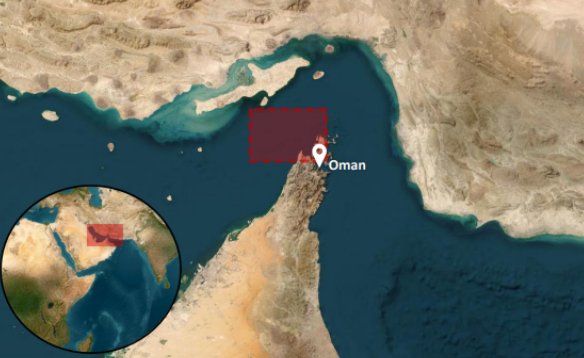
- Likely the US Central Command counterstrikes on 26 June targeted missile platforms and observation towers on Sirik Island, Iran, responding specifically to Iran's drone attack on the Singapore-flagged Ever Lovely on 25 June in international waters eight nautical miles southeast of Dahit, Oman. (Confidence: medium · ASSESSED)
- I&W: Iranian authorities verify physical damage to specific military facilities on Sirik Island through official media (0-14 days)
- I&W: Independent satellite imagery confirms damage to specified installations on Sirik Island (0-14 days)
- The Joint Maritime Information Center's threat level elevation to substantial reflects confirmation of at least 80 sea mines in traffic separation lanes of the Strait of Hormuz, with Iranian authorities warning journeys outside designated transit routes are prohibited. (Confidence: medium · REPORTED)
- I&W: Mine countermeasure units detect and deactivate three or more mines in traffic lanes within seven days (0-14 days)
- I&W: Commercial shipping associations report vessels rerouting significantly north of established navigation corridors (0-14 days)
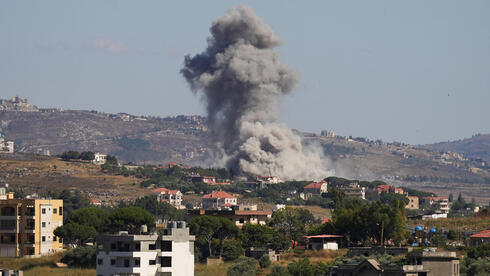
- Very likely the Israel-Lebanon framework agreement signed on 26 June will trigger immediate Hezbollah retaliation against Israeli forces in southern Lebanon, as evidenced by Hezbollah leadership's explicit condemnation of the agreement and statements supporting attacks on Israeli forces. (Confidence: medium · ASSESSED)
- I&W: Hezbollah conducts direct attack on Israeli Defence Forces positions within seven days (0-14 days)
- I&W: Israeli Defence Minister Israel Katz orders additional forces into southern Lebanon security zone (0-14 days)
- Commercial operators face conflicting navigation requirements as Iran insists vessels obtain Persian Gulf Strait Authority authorisation while US-led maritime security forces maintain vessels may use the southern corridor without Iranian permission, creating significant operational uncertainty. (Confidence: medium · REPORTED)
- I&W: Three or more commercial vessels diverted to port of Bandar Abbas for inspections within seven days (0-14 days)
- I&W: United States Maritime Administration issues mandatory navigation guidance specifying permitted transit routes (0-14 days)
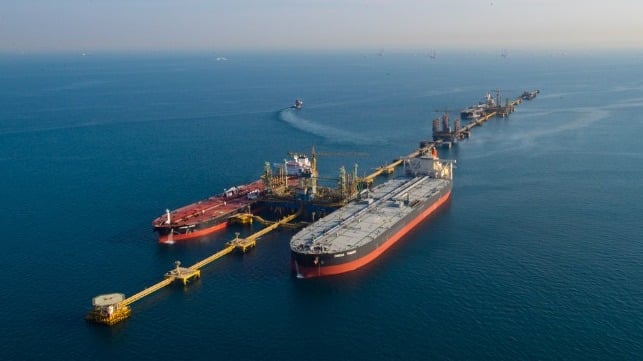
- Commercial shipping disruptions persist despite partial resumption of transits, evidenced by Saudi Arabia operating at full crude loading capacity at Yanbu terminals with all seven berths occupied and the successful transit of the Lowlands Corso carrying 35,000 tons of aluminum. (Confidence: low · REPORTED)
- I&W: Daily oil throughput through Hormuz falls below 5 million barrels per day (0-14 days)
- I&W: Containerised freight rates increase by over 30 percent within two weeks (0-14 days)
Outlook & scenarios
Controlled Escalation (40%)
Iran conducts limited retaliatory strikes on US military installations while avoiding direct casualties, with the United States maintaining proportional response discipline. International diplomatic channels mediate de-escalation while the Israel-Lebanon agreement provides framework for limited Hezbollah disengagement. Commercial traffic gradually normalises through the Strait of Hormuz over one month as mine clearance operations commence.
Regional Wider War (30%)
Hezbollah conducts major attack on Israeli forces in southern Lebanon following the framework agreement, triggering Israeli ground operation into Lebanon. Iranian-backed militias intensify attacks on US bases in Iraq and Syria, with Iran expanding strikes to include commercial shipping. The Strait of Hormuz becomes effectively blocked as Iran imposes naval restrictions, triggering severe global energy shortages.
Stalemate with Economic Pressure (20%)
Military exchanges remain limited to Iranian drone strikes against US facilities and US counterstrikes, while both sides avoid direct casualties. The United States implements severe economic pressure through expanded sanctions on Iranian oil exports and shipping, maintaining commercial traffic through naval escorts. The Israel-Lebanon agreement becomes effectively frozen with Hezbollah controlling border areas, preventing Israeli withdrawal.
Diplomatic Breakthrough (10%)
Direct bilateral talks between Tehran and Washington produce a revised maritime security agreement recognising Iranian sovereignty interests while maintaining international navigation rights. Hezbollah leadership splits over response to Israel-Lebanon agreement, with faction accepting gradual disengagement. Commercial shipping recovers rapidly as mines are cleared and insurance premiums normalise within one month.
Recommendations
- Monitor Iranian naval vessels in the Strait of Hormuz for aggressive intercept patterns against commercial shipping within next 14 days
- Track Iranian Revolutionary Guard Corps communications for specific targeting parameters against US military installations in Eastern Command region
- Coordinate with IMO to establish unified navigation corridor protocol to reduce conflicting routing requirements for commercial vessels
- Analyse Hezbollah force posture changes along the Blue Line with specific attention to rocket and missile inventory movements
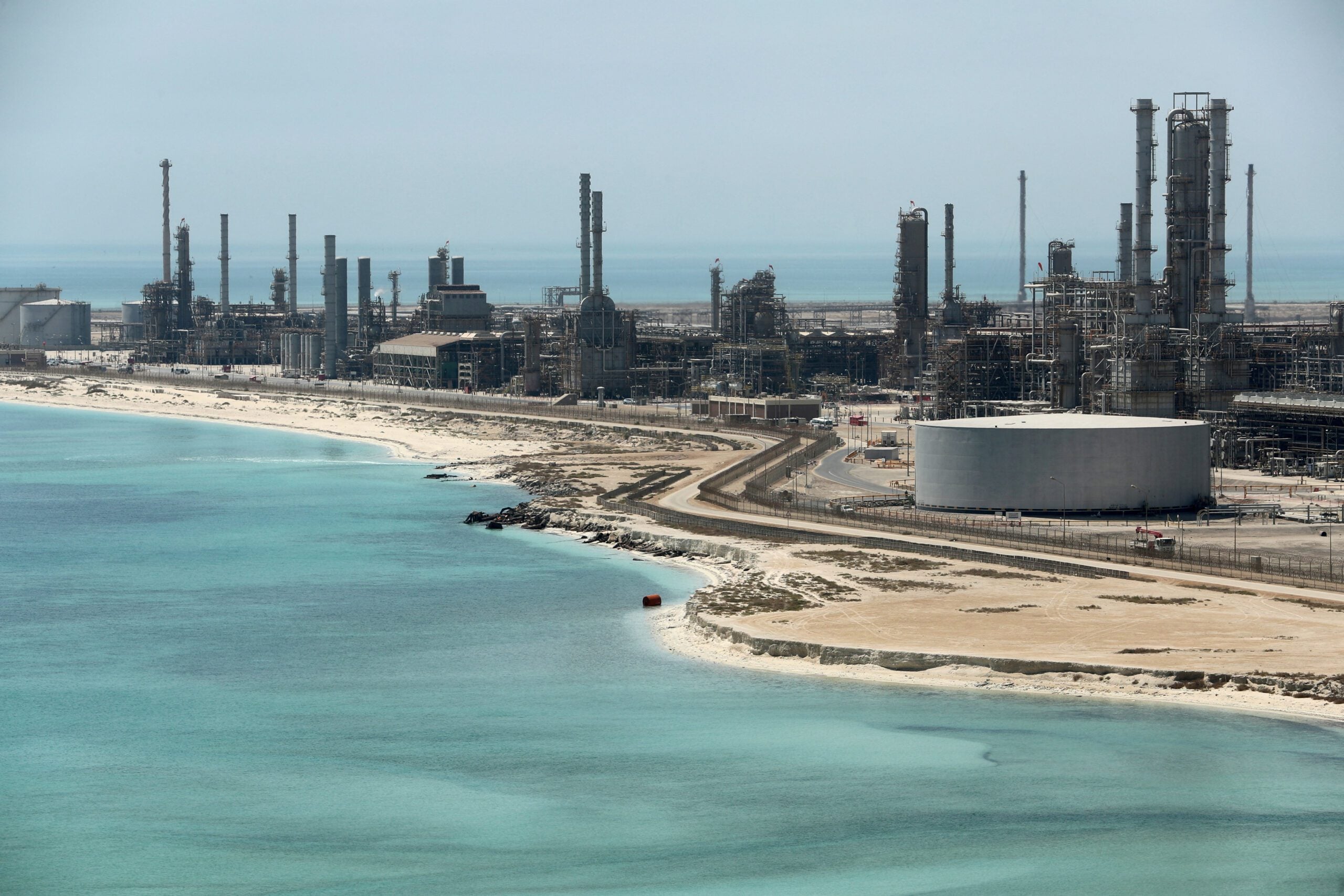
- Track Saudi Arabia's crude export patterns to assess sustained capacity at Ras Tanura and Ju'aymah terminals versus previous baselines
Confidence & uncertainty
Overall confidence is assessed as low due to multiple date discrepancies in source reporting, including conflicting timelines for US-Iran military exchanges on 26-27 June. Significant attribution uncertainties exist between independent media reports and official statements, particularly regarding mine counts in the Strait of Hormuz and casualty figures from Lebanese conflicts. Several critical claims rely on single-source reporting with medium reliability ratings, including the precise location of US strikes on Sirik Island and Hezbollah's immediate attack plans. Contradictions between major media sources regarding the sequence of events undermine overall coherence of the reporting picture.
Cited sources
[1] Al Jazeera · US, Iran trade strikes: What to know, will it unravel the MoU? (A) · sha256:013385e41073 [2] haaretz.com · Iran says it hits U.S.-linked targets as Bahrain reports drone attack (A) · sha256:2a032d042755 [3] blockchain.news · Iran warns of swift response as Polymarket puts 59% odds on June 27 strike (B) · sha256:f82d57df5b03 [4] Al Jazeera · Iran war day 120: Tehran condemns US strikes, says it violates MoU (A) · sha256:4f39d97b702c [5] maritime-executive.com · Full Steam Ahead In the Strait of Hormuz? Not So Fast (B) · sha256:dc8023b563e8 [6] gcaptain.com · Second Tanker Struck in Strait of Hormuz as U.S.-Iran Shipping Crisis Deepens (B) · sha256:8959adec91e3 [7] gcaptain.com · Tanker Struck In Hormuz As Navies Raise Threat Level To Ships (A) · sha256:66b5a9d55f10 [8] Institute for the Study of War (ISW) and The Critical Threats Project (CTP) at the American Enterprise Institute · Iran Update Special Report, June 26, 2026 (B) · sha256:b752f09c6dbe [9] aljazeera.net · أمريكا وإيران. هدنة هشة بعد حرب لم تحقق أهدافها (A) · sha256:04e651b9a59d [10] maritime-executive.com · Tanker Struck by Drone off Oman and the US Again Responds with New Strkes (B) · sha256:b8b2d6d9d5bc [11] ynetnews.com · Israel braces for northern escalation after Lebanon deal: ‘Hezbollah and Iran are losing it’ (A) · sha256:ba515337f873 [12] jpost.com · Poll shows most Israelis favor hardline security policies on Lebanon, Iran, Palestinians (B) · sha256:48a2e6013c8c [13] gcaptain.com · Saudi Arabia Is Ramping Up Oil Exports As Gulf Ports Restart (A) · sha256:6a23bc687681 [14] gcaptain.com · Vitol Sails Stranded Aluminum Cargo Out Of Strait Of Hormuz (B) · sha256:3f988bac295e
Source content hashes were computed at collection time; the cited text is preserved unmodified for the life of this product.
TLP:CLEAR