TLP:CLEAR · Disclosure is not limited.
Escalating Iran-Israel Conflict Threatens Strait of Hormuz Security and Global Energy Flows
Time window: Last 1 day · Audience: General analyst · Type: Situation report · DTG: 2026-07-15 16:21Z · Overall confidence: LOW
BLUF
Iran conducted additional attacks against commercial vessels in the Strait of Hormuz on 15 July 2026, following the United States' reimposition of its naval blockade against Iranian ports on 14 July. The United States responded with further strikes against Iranian coastal defence systems and military infrastructure, while Israel increased military readiness. Oil prices remain elevated above $85 per barrel with shipping disruption likely to persist, raising risks of further escalation beyond the current US-Iran confrontation.
Executive summary
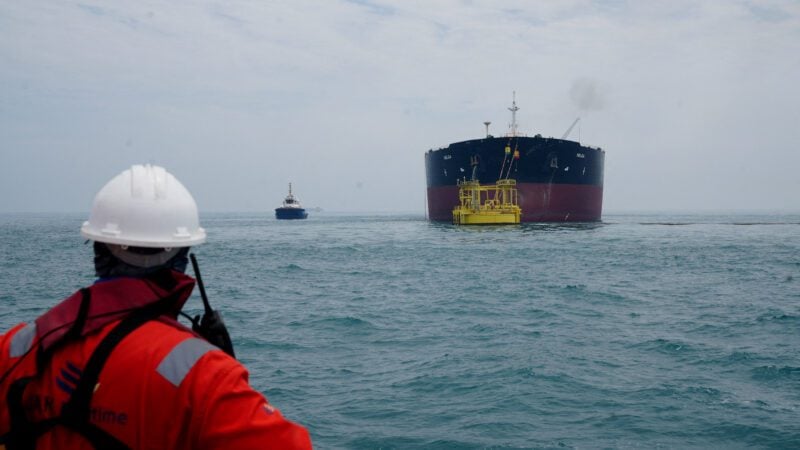
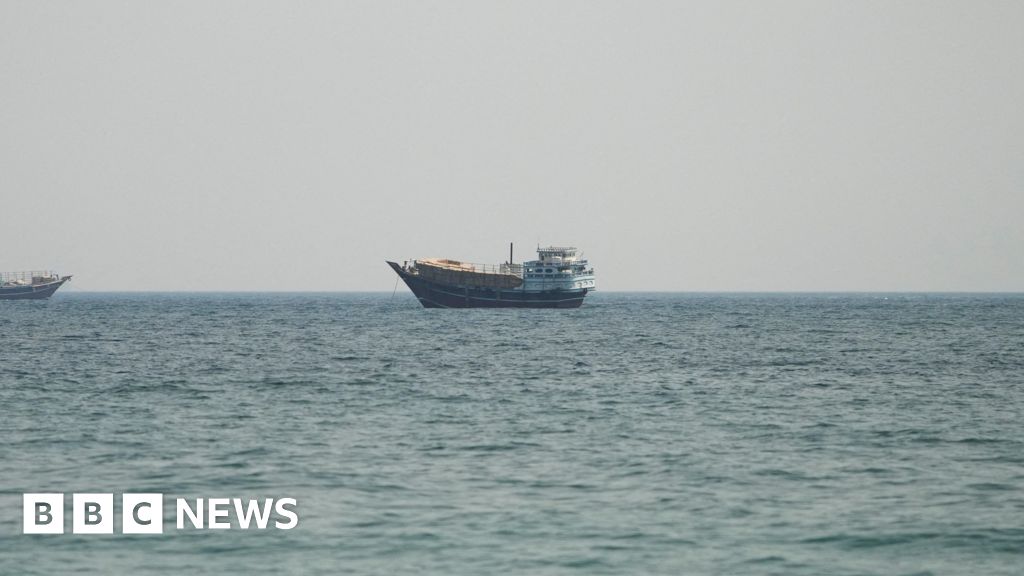
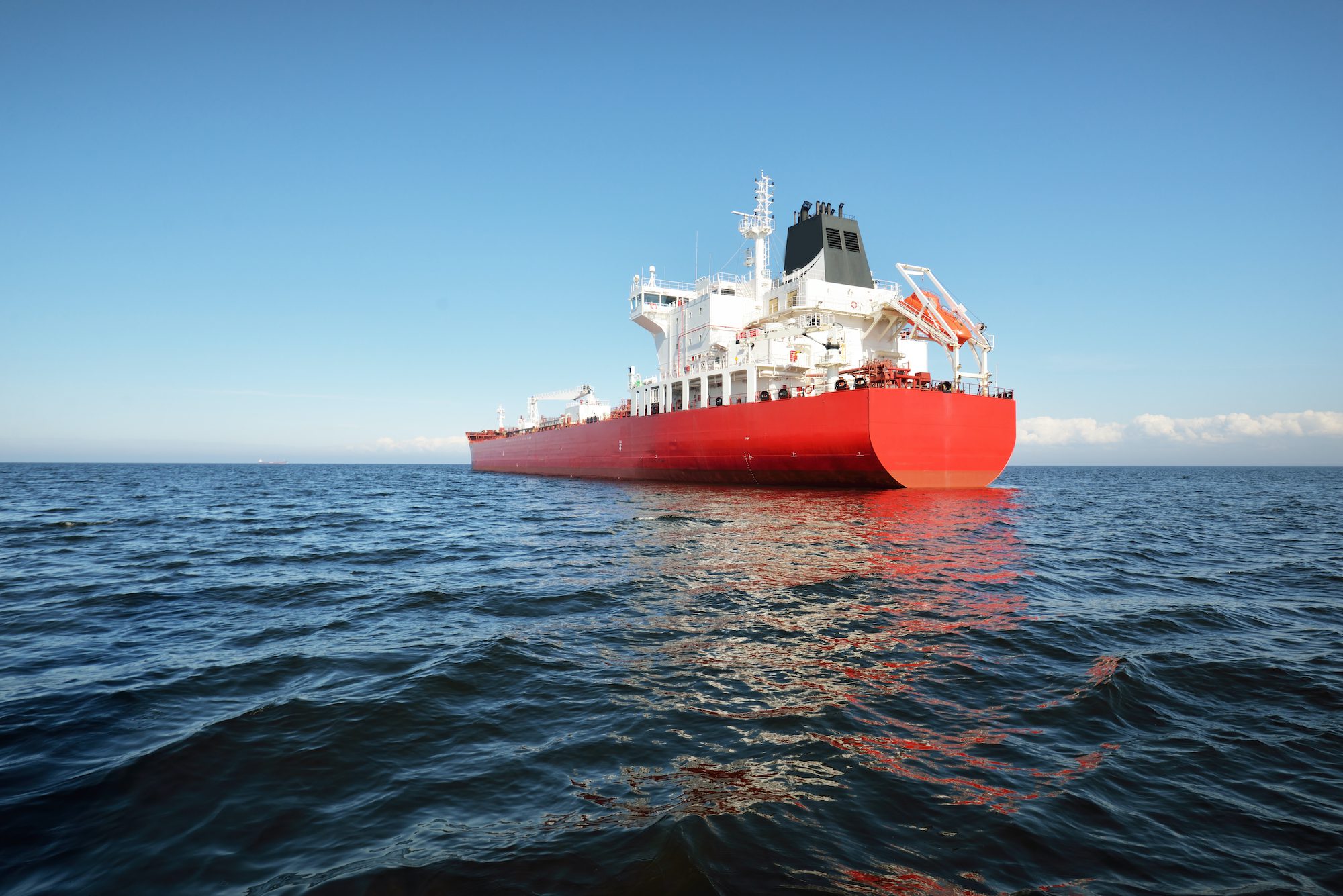
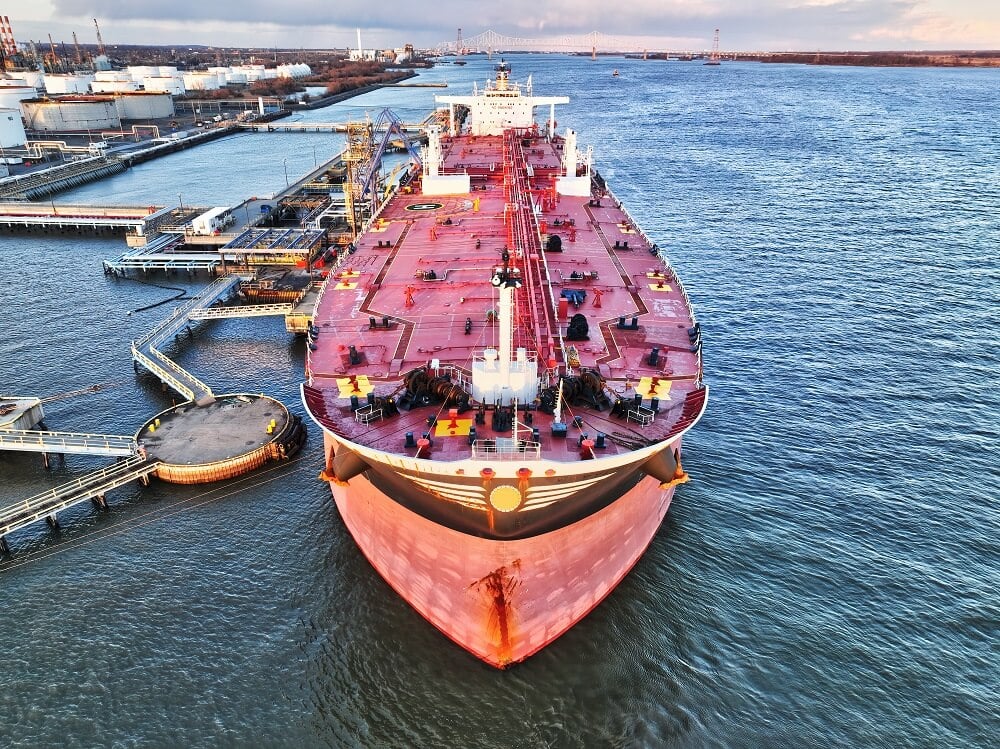
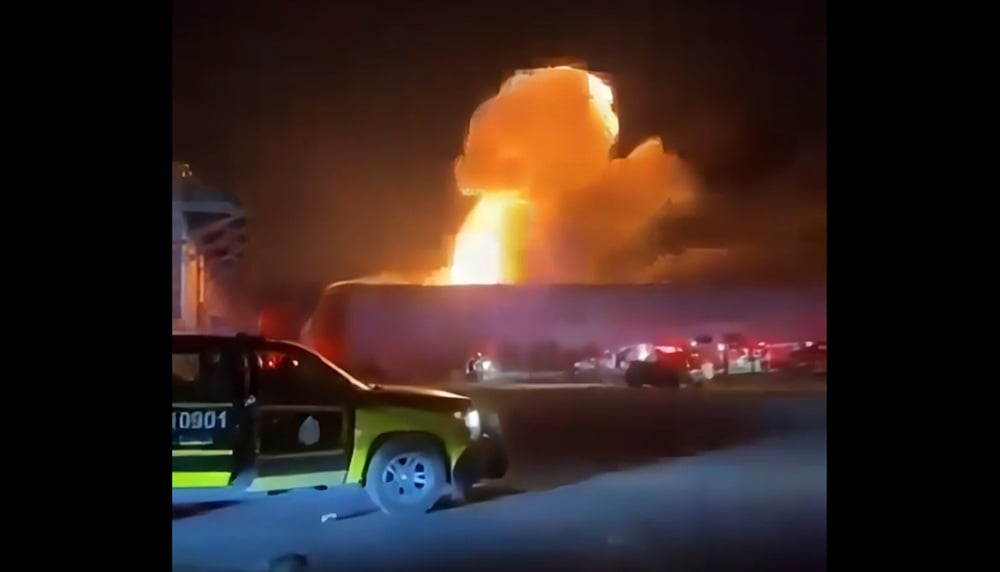
The United States and Iran continue exchanging military strikes following the US reimposition of a naval blockade against Iranian ports on 14 July 2026. Iran attacked two United Arab Emirates oil tankers in the Strait of Hormuz on 15 July, killing one Indian crew member aboard the MT Al Bahiyah and causing injuries to nine Indian nationals aboard the MT Mombasa. The United States responded with additional strikes targeting Iranian air defence systems, coastal radar sites and naval infrastructure near Bandar Abbas. Israel has increased military readiness while Prime Minister Netanyahu warned Iran against future attacks. Oil prices remain above $85 per barrel as shipping insurers declared the southern traffic lane through Omani territorial waters unsafe, with the Joint Maritime Information Center maintaining a SEVERE threat assessment for the Strait of Hormuz.
Change from previous assessment
The situation has deteriorated significantly since the prior brief issued on 14 July 2026, with Iran conducting additional attacks against commercial vessels in the Strait of Hormuz on 15 July killing one Indian crew member and injuring nine others. The United States has responded with a fourth consecutive day of strikes against Iranian coastal defence systems and military infrastructure near Bandar Abbas, expanding the geographic scope of US operations beyond the initial blockade enforcement. While the prior brief anticipated potential Israeli escalation following Netanyahu's warnings, there is no evidence yet of direct Israeli military action against Iranian targets, though Israel has increased military readiness and Netanyahu has issued stronger warnings from Dimona. The United States abandoned its proposal to charge a 20 percent fee on cargo through the Strait of Hormuz after Gulf Arab allies objected, though it maintains the naval blockade through alternative security arrangements.
Key judgments
- Iran almost certainly conducted further attacks against commercial vessels in the Strait of Hormuz on 15 July 2026, killing one Indian crew member aboard the MT Al Bahiyah and injuring nine Indian nationals aboard the MT Mombasa, following the United States' reimposition of naval blockade against Iranian ports. (Confidence: high · REPORTED)
- I&W: Additional attacks against commercial vessels in the Strait of Hormuz by Iranian forces (0-14 days)
- I&W: Iranian naval or Revolutionary Guard statements claiming responsibility for new attacks (0-7 days)
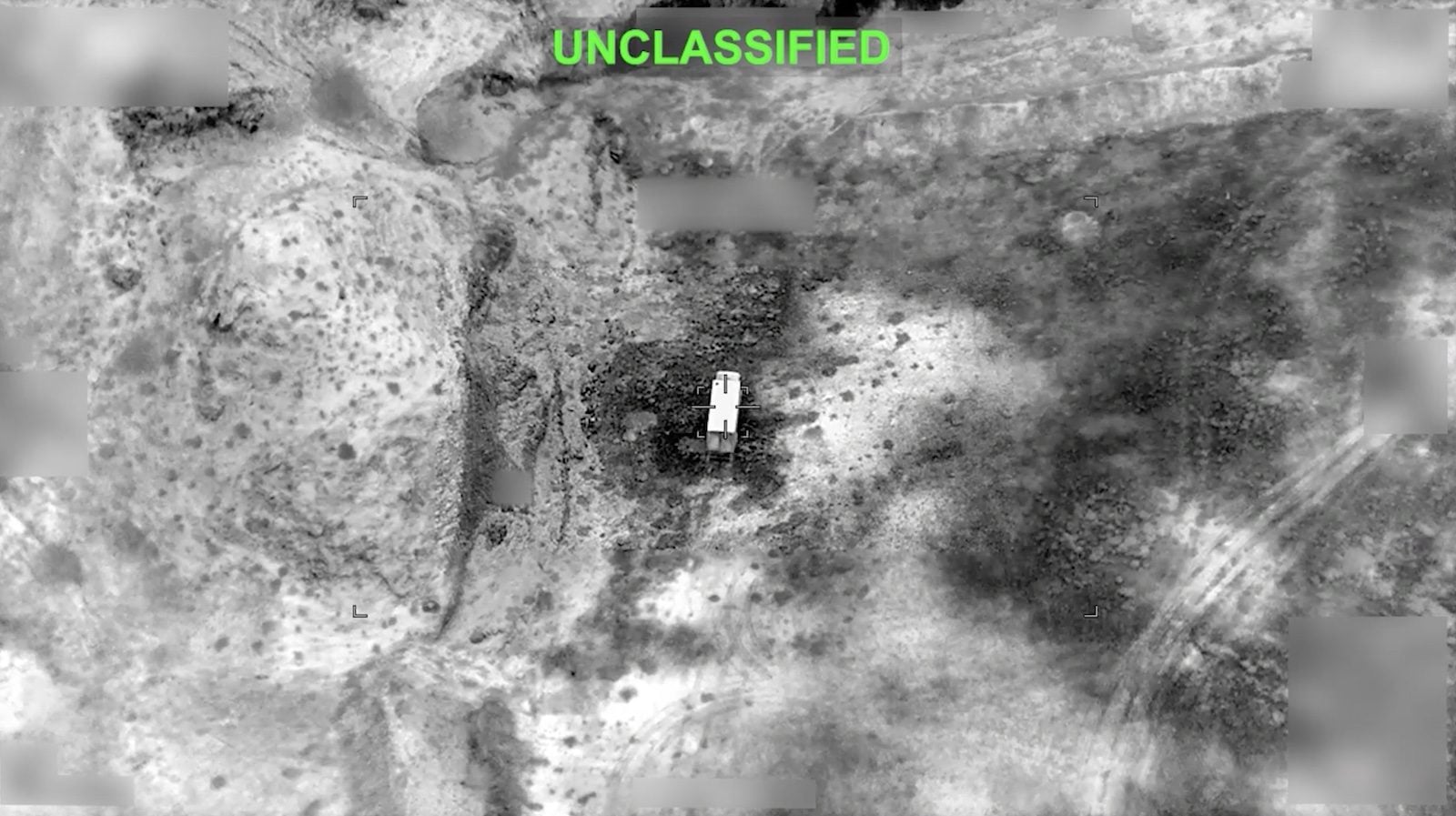
- The United States almost certainly conducted further strikes against Iranian military targets on 15 July 2026, targeting coastal defence systems, missile launch sites and naval infrastructure near Bandar Abbas as part of a seven-hour operation intended to degrade Iran's ability to attack commercial shipping. (Confidence: high · REPORTED)
- I&W: CENTCOM announcements of additional US strikes against Iranian targets (0-7 days)
- I&W: Iranian reports of damaged coastal defence infrastructure or missile sites (0-14 days)
- Iran is very likely threatening to escalate control over regional energy exports, with the Revolutionary Guard threatening to halt Middle East oil and gas exports if the United States maintains its naval blockade of Iranian ports, stating that only vessels obtaining prior authorisation through Iran's Persian Gulf Security Administration will be permitted to transit the Strait of Hormuz. (Confidence: medium · ASSESSED)
- I&W: Iranian announcement of restrictions on vessels not using PGSA-approved routes (1-3 months)
- I&W: Official Iranian statements linking export route closures to US policy (0-14 days)
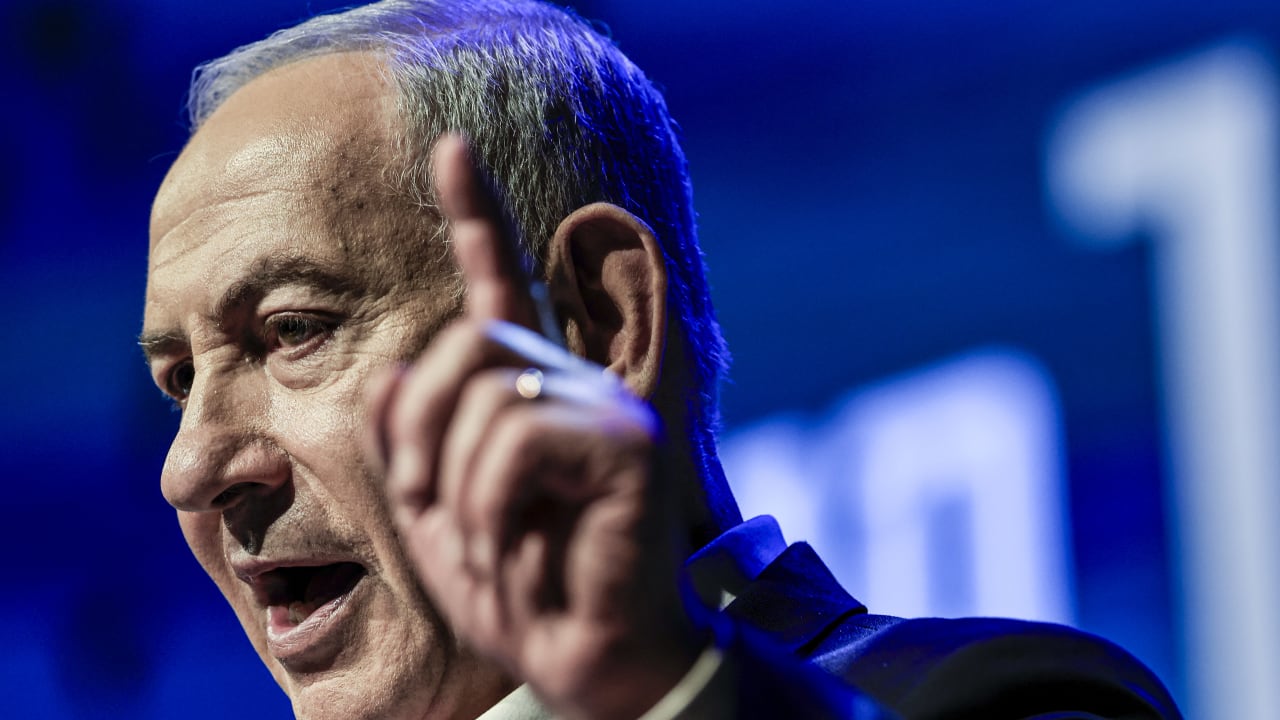
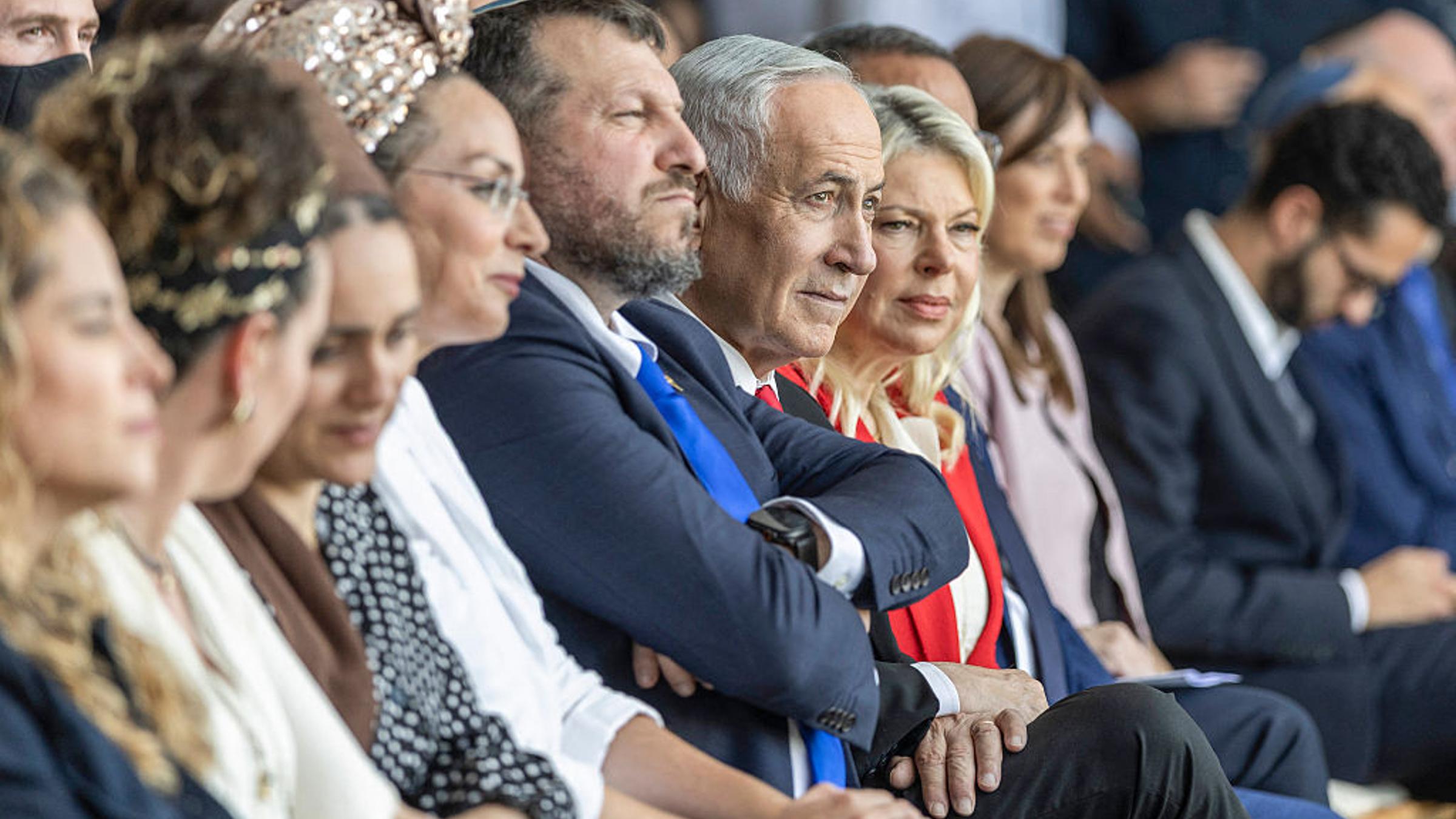
- Israel has increased military readiness and issued stronger warnings to Iran following cross-border attacks, with Prime Minister Benjamin Netanyahu stating from Dimona that Iran should not count on a quiet response if they attack Israel and promising total victory against all of Israel's enemies including Iran. (Confidence: high · REPORTED)
- I&W: Unexplained movements of Israeli military assets toward Iran's borders (0-14 days)
- I&W: Public statements from Iranian officials acknowledging Israeli military positioning (7-14 days)
- The risk of direct Israeli-Iranian military confrontation is likely increasing following Prime Minister Netanyahu's explicit warnings from Dimona and continued Iranian attacks in the region, with Iran targeting US facilities in Bahrain, Kuwait and Jordan that host American forces. (Confidence: medium · ASSESSED)
- I&W: Israeli or Iranian military statements acknowledging direct engagement (0-7 days)
- I&W: Unilateral Israeli strikes against Iranian targets without US coordination (1-4 weeks)
- Oil prices are likely to remain elevated above $85 per barrel for the next several weeks due to reduced shipping capacity through the Strait of Hormuz and increased war risk premiums imposed by insurers, with the benchmark 3:2:1 crack spread rising to approximately 75 percent. (Confidence: medium · ASSESSED)
- I&W: Brent crude trading consistently above $88 per barrel (1-4 weeks)
- I&W: Major oil producer announcements reducing exports through the Strait of Hormuz (2-4 weeks)
- The United States is very unlikely to succeed in its objective of ensuring free flow of global oil and gas supplies through the Strait of Hormuz given Iran's insistence on controlling transit routes through its Persian Gulf Security Administration and Tehran's threats to close alternative export corridors. (Confidence: medium · ASSESSED)
- I&W: Oman agreeing to implement joint maritime procedures with Iran (1-3 months)
- I&W: Vessels voluntarily complying with Iran's PGSA transit requirements (1-2 months)
Outlook & scenarios
De-escalation through US-Iran Diplomatic Channels (25%)
The United States and Iran reach an understanding whereby Iran ceases attacks on commercial shipping in exchange for US scaling back its naval blockade and security guarantees in the Gulf region. This would involve third-party mediation through Oman or Switzerland, with Iran accepting limited US military presence to protect shipping while maintaining sovereignty over Strait transit procedures. Oil prices would gradually decline toward $75 per barrel within two months as shipping lanes normalise, though residual security concerns would persist.
Limited Escalation with Regional Involvement (45%)
The conflict remains primarily between the United States and Iran, but expands to include additional regional actors as Iran leverages its network of proxies. Houthi forces in Yemen increase attacks on Red Sea shipping while Iraqi militias target US bases in Iraq and Jordan. Israel conducts limited cross-border operations against Iranian assets without full-scale intervention. The Joint Maritime Information Center elevates Strait of Hormuz threat level to CRITICAL as attacks increase, with average daily transits dropping to below 50 vessels. Oil prices stabilise around $90 per barrel with sustained refining margins near 70 percent for six months.
Major Conflict Spreading to Israeli-Iranian Front (20%)
Israel launches direct military operations against Iranian targets following continued rocket attacks and Iranian threats, triggering a wider regional war. Iranian forces target Israeli territory directly while Hezbollah intensifies operations in northern Israel. The United States expands its military involvement to protect both allies. The Strait of Hormuz becomes effectively closed to commercial shipping as Iran enforces complete transit control, with alternate routes through Iraq and Saudi Arabia unable to accommodate current traffic volumes. Oil prices surge beyond $120 per barrel, triggering a global economic contraction as global oil supply drops by approximately eight million barrels per day.
Iranian Control of Strait Establishes New Regional Order (10%)
Iran successfully implements its Persian Gulf Security Administration framework as Oman and regional governments acquiesce to Iranian demands following prolonged disruption of shipping. The United States accepts limited Iranian oversight of Strait transit in exchange for Iranian assurances against energy export disruption. An uneasy equilibrium emerges where Iran manages shipping with nominal international oversight, collecting fees while allowing commercial traffic to continue. This represents a significant strategic victory for Iran that fundamentally alters regional power dynamics, with oil prices gradually declining but maintaining elevated risk premiums reflecting the new geopolitical reality.
Recommendations
- Establish direct military deconfliction channels between US Central Command and Iranian military authorities through a neutral intermediary to prevent accidental escalation during naval operations in the Strait of Hormuz
- Coordinate with Omani maritime authorities to develop verifiable vessel transit protocols that address security concerns while preventing unilateral Iranian control of the Strait of Hormuz
- Accelerate diversification of global oil shipping routes by supporting the development of alternative corridors through Iraq and Saudi Arabia to reduce dependence on the Strait of Hormuz
- Implement enhanced monitoring of Iranian Revolutionary Guard financial networks to disrupt funding for drone systems and maritime attack capabilities used against commercial shipping
- Conduct comprehensive assessment of strategic petroleum reserves across allied nations to determine threshold points where coordinated release would counteract energy market manipulation
Confidence & uncertainty
The low overall confidence assessment stems from significant contradictions in casualty figures and attack details, inconsistent reporting on the timeline of events, and unverified claims about operational capabilities. Multiple sources report different casualty numbers for the same incidents - Iranian sources claim 30 civilian fatalities from US strikes while US military reporting indicates seven military personnel killed. Several claims reference conflicting dates with some incidents reported as occurring in 2023 rather than the current 2026 timeframe. Propaganda elements in statements from both sides, including Iranian Revolutionary Guard claims about halting all Middle East energy exports and US statements about fully degrading Iranian capabilities, lack sufficient corroboration. The Joint Maritime Information Center reporting provides reliable data on shipping disruptions but cannot independently verify military claims from either side. Despite multiple major media sources, the pattern of contradictory reporting and historical inaccuracies within the intelligence stream creates significant uncertainty about the precise military situation on the ground.
Alternative analysis (red cell)
U.S. military strikes against Iranian targets reportedly occurred on July 15, 2023, not 2026, based on CENTCOM reporting. The specific targeting details (coastal defense systems, missile sites near Bandar Abbas) are less certain due to source reliability concerns. The operation's duration and intent to degrade Iran's maritime attack capabilities cannot be confirmed with high confidence given the evidence.
Intelligence gaps
- [EEI 1.1 · PARTIAL] Detection and characterization of ballistic/cruise missile or rocket launches originating from Iranian territory or from Iran-controlled positions in Iraq/Syria (time, launch coordinates, missile type, flight trajectory/impact area). Recommended collection: satellite/imagery
- [EEI 1.2 · PARTIAL] Movements and posture changes of Iran-backed proxy forces (Hezbollah units in Lebanon, militias in Syria/Iraq): concentrations of personnel, transport of rocket/artillery launchers, visible logistics build-up within operational range of Israel. Recommended collection: human/intel
- [EEI 1.3 · PARTIAL] Israeli defensive and offensive posture changes: reservist call-ups, mobilization orders, sorties/airstrikes attributed to Israel, and domestic activation of missile-defense systems (locations and activation times). Recommended collection: open-source/media
- [EEI 2.3 · PARTIAL] Changes to force protection or alert levels at foreign bases in the region (e.g., US bases in Kuwait, Qatar, UAE; Russian bases in Syria): activation of additional air defenses, curfews, or reinforcement shipments (personnel/equipment manifests). Recommended collection: signals/intel
- [EEI 3.2 · PARTIAL] Changes in crude oil and refined product flows from key terminals (reported tanker loading delays, terminal closures, throughput volumes at Kharg, Mina al-Ahmadi, Ras Tanura, and major Gulf ports compared to baseline). Recommended collection: commercial/ports
Cited sources
[1] haaretz.com · Trump promised to open Hormuz, but it's Iran that's still calling the shots (B) · sha256:bc7f100693f3 [2] gcaptain.com · Seafarer Death Toll Climbs as Trump Declares Hormuz 'Open to ALL Ship Traffic' (B) · sha256:5e5db8a0853f [3] theguardian.com · US Fifth Fleet targeted in Bahrain, says Iran, in latest exchange of strikes – as it happened (A) · sha256:697d8864cd4a [4] The Jerusalem Post · Live Updates: Latest from Israel, Iran, and Middle East | The Jerusalem Post (A) · sha256:73a4bec78cd0 [5] gcaptain.com · Iran Threatens Wider Energy Chokepoints After Fresh U.S. Strikes (A) · sha256:711246ba41c4 [6] HuffPost · Iran Threatens To Halt All Mideast Energy Exports After Trump Reimposes Naval Blockade (B) · sha256:3e417e15e13a [7] maritime-executive.com · Iran Threatens to Close Off All Oil and Gas Export Routes From Gulf Region (B) · sha256:7c6f9d9ba3f9 [8] bbc.com · Iran threatens to block more trade routes as US launches fresh strikes (A) · sha256:447681551b83 [9] jpost.com · Netanyahu to Iran: New attacks on Israel will be met with 'much more powerful' response (A) · sha256:3919e6a85c56 [10] time.com · Will Israel Elect Netanyahu Again? (A) · sha256:713cae89b2da [11] gcaptain.com · Trump Drops Proposed 20% Hormuz Fee, Replaces It With Gulf Investment Deals (B) · sha256:c08d4550cd89 [12] maritime-executive.com · OSG: Jones Act Waiver is Only Increasing Oil Companies' Profits (C) · sha256:3ad6f868e5dd [13] gcaptain.com · Refiners, Not Consumers, Are Biggest Winners From Jones Act Waiver, OSG CEO Says (C) · sha256:20ee72c1ea7b [14] BBC · Lyse Doucet: Strait of Hormuz remains the fault line as the Iran and US drift back into war (A) · sha256:b9402309639c
Source content hashes were computed at collection time; the cited text is preserved unmodified for the life of this product.
Red cell review: PARTIAL DISSENT
TLP:CLEAR