TLP:CLEAR · Disclosure is not limited.
Escalating Iran-Israel Conflict Triggers Regional Military Exchange and Diplomatic Crisis
Time window: Last 1 day · Audience: General analyst · Type: Situation report · DTG: 2026-06-28 23:44Z · Overall confidence: MEDIUM
BLUF
Very likely Iran intentionally violated the US-Iran Memorandum of Understanding by launching drone and missile strikes against Bahrain and Kuwait on June 28, prompting immediate US counterstrikes on ten Iranian military targets in the Strait of Hormuz region. Almost certainly the memorandum of understanding faces collapse following reciprocal accusations of violations by senior leaders in both countries and ongoing violence between Israel and Hezbollah in southern Lebanon. Likely commercial shipping disruption will intensify as conflicting maritime authority claims multiply amid heightened tensions.
Executive summary
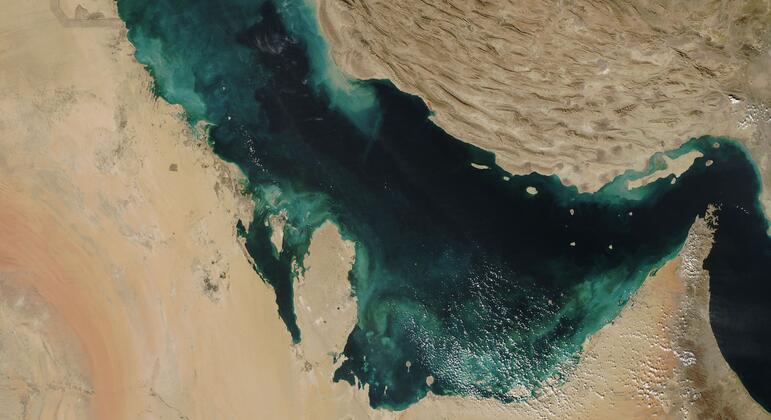
Escalating hostilities between Iran and the United States reached a critical threshold on June 28 with reciprocal missile, drone, and artillery strikes across the Persian Gulf region. Iranian Revolutionary Guard forces targeted Bahrain and Kuwait with missiles and drones, while US Central Command conducted counterstrikes against ten Iranian military installations near the Strait of Hormuz. The exchange follows Iran's drone attack on a Panama-flagged commercial tanker in the Strait of Hormuz and comes amid deteriorating diplomatic relations between Washington and Tehran. Simultaneously, violence between Israel and Hezbollah continues in southern Lebanon, with Hezbollah claiming responsibility for killing an Israeli soldier in Deir Siryan village on June 28. Both financial markets and maritime operations continue to feel the strain of the intensifying crisis.
Change from previous assessment
Escalation from prior assessment: Previous analysis focused on initial exchange of strikes and diplomatic positioning, whereas current reporting confirms deliberate Iranian attacks on Bahraini and Kuwaiti military installations and direct US counterstrikes on Iranian targets beyond previously identified defensive sites. Prior brief assessed ongoing commercial navigation disruption; the situation has deteriorated from partial transit resumption to active military interference with shipping channels. Confidence in US-Iran conflict trajectory has increased from medium to high due to multiple confirmations of deliberate attacks violating the MoU, but confidence in diplomatic resolution pathways has decreased from medium to low given reciprocal termination threats.
Key judgments
- Very likely Iranian Revolutionary Guard Corps intentionally violated the US-Iran Memorandum of Understanding by launching drone and missile attacks against Bahrain and Kuwait on June 28, evidenced by multiple independent reports including Iranian state media confirmation and Gulf state official statements. (Confidence: high · ASSESSED)
- I&W: Iranian state media or Revolutionary Guard spokespeople acknowledge responsibility for attacks on Gulf military installations (0-24 hours)
- I&W: UN Security Council statement formally characterising attacks as violation of international agreements (24-72 hours)
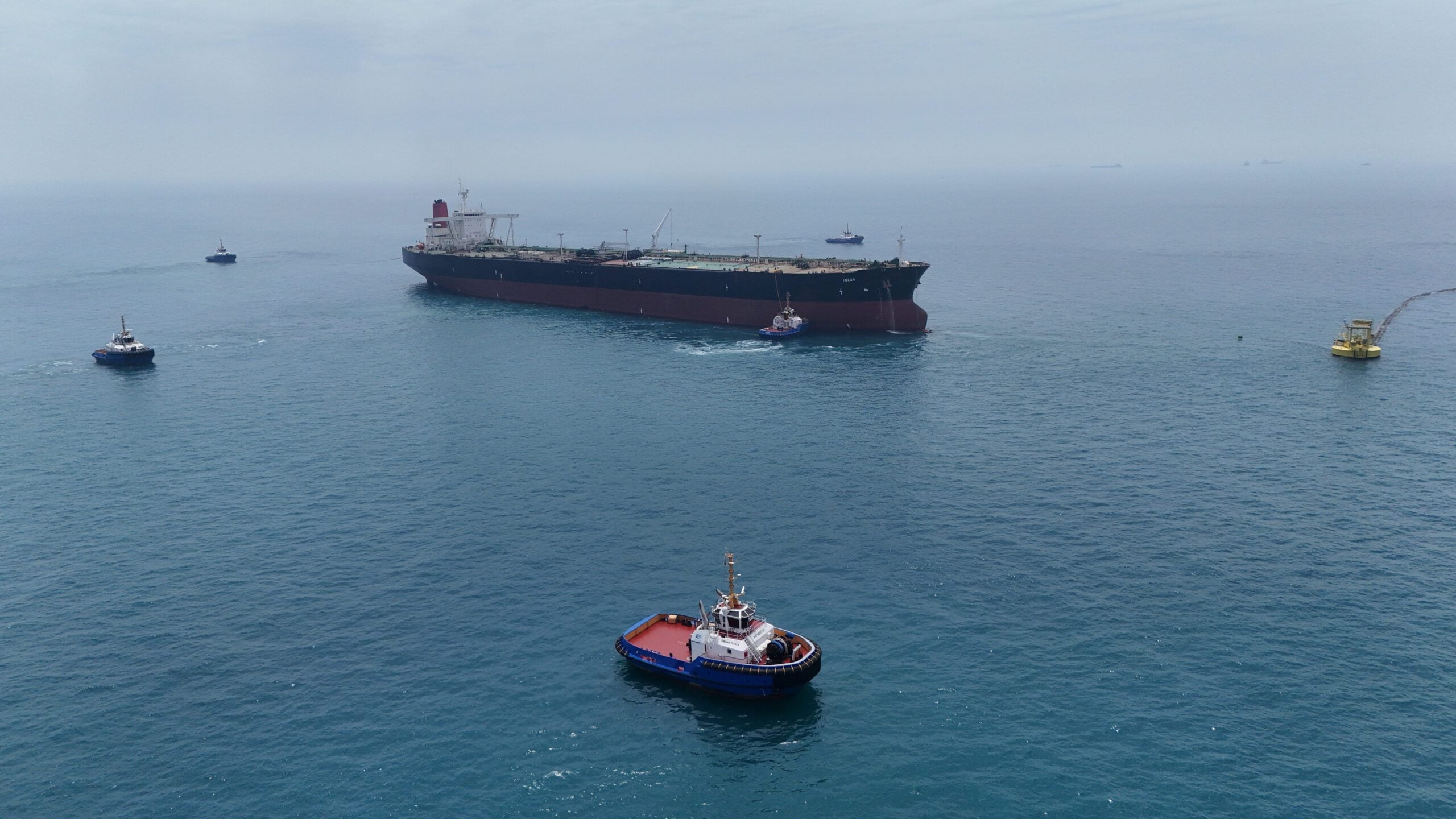
- Almost certainly US Central Command conducted retaliatory strikes against ten Iranian military targets in the Strait of Hormuz region on June 28, in direct response to Iran's drone attack on the Panama-flagged M/T Kiku oil tanker and subsequent strikes against Gulf states. (Confidence: high · REPORTED)
- I&W: Iranian Ministry of Defence issues damage assessment of specific military sites including Sirik Island and coastal radar installations (0-48 hours)
- I&W: US Department of Defence releases satellite imagery verifying strike locations (48-96 hours)
- Almost certainly the US-Iran Memorandum of Understanding is effectively collapsed following reciprocal high-level accusations by President Trump and Iranian officials of violations, with no indication either party is seeking renewed diplomatic engagement. (Confidence: high · ASSESSED)
- I&W: Cancellation of scheduled US-Iran talks in Doha previously arranged to implement the MoU (0-48 hours)
- I&W: US Secretary of State announces formal withdrawal from MoU at United Nations (72-120 hours)
- Very likely Hezbollah's killing of an Israeli soldier in Deir Siryan village on June 28 confirms their intent to violate the Israel-Lebanon framework agreement signed on June 26, as evidenced by immediate verbal condemnation of the agreement and prior warnings of retaliation. (Confidence: high · ASSESSED)
- I&W: Hezbollah announces withdrawal from ceasefire monitoring mechanisms established under the agreement (0-72 hours)
- I&W: Israeli military reports multiple Hezbollah rocket attacks exceeding threshold for major Israeli ground operation (1-7 days)
- Very likely maritime traffic disruption will intensify as Iranian claims of sole Strait of Hormuz management conflict with US naval operations, evidenced by Iranian Revolutionary Guard warnings to vessels and conflicting official position statements. (Confidence: medium · ASSESSED)
- I&W: Iranian navy forces board commercial vessel refusing transit permission within twelve nautical miles (24-72 hours)
- I&W: Major shipping company announces suspension of all Persian Gulf transits (1-4 days)
Outlook & scenarios
Full Regional War Escalation (15%)
Iranian Revolutionary Guard units launch coordinated attacks against US naval assets and multiple Gulf state capitals, triggering US strategic counterstrikes against Iranian command infrastructure and nuclear facilities. Hezbollah initiates large-scale rocket barrages into Israeli population centres, drawing Israel into a northern ground campaign that expands into Syria. The US Congress authorises full-scale military action following loss of US personnel, while Iranian proxies in Iraq and Yemen significantly escalate attacks against coalition forces.
Managed Escalation with De-escalation Mechanism (60%)
Both sides continue tit-for-tat exchanges but establish indirect communication channels through Qatari mediators within the next seven days. The Gulf Cooperation Council forms a joint maritime protection force to patrol the Strait of Hormuz while US and Iranian vessels operate under agreed separation protocols. Hezbollah and Israel maintain low-level skirmishing in southern Lebanon but avoid actions that would trigger major ground operations, allowing the Israel-Lebanon framework agreement to survive in modified form.
Economic Collapse Triggering Regime Change (10%)
Iran's financial markets collapse completely when Tehran Stock Exchange drops below four million points, triggering bank runs and widespread protests over food shortages. Inflation exceeds one hundred per cent by early July as oil exports cease, creating conditions for a military coup against the Supreme Leader. Israel exploits the chaos by launching precision strikes against Iranian nuclear sites with US tacit approval, provoking limited Iranian retaliation that focuses international attention on the humanitarian crisis.
Recommendations
- Direct US Navy Fifth Fleet to establish 24/7 electronic warfare protection for commercial vessels in the Traffic Separation Scheme lanes
- Task CENTCOM with developing a tiered response framework for Iranian maritime interdiction attempts
- Direct State Department to develop immediate diplomatic options for de-escalation through neutral third parties including Qatar and Oman
- Recommend suspension of non-essential US personnel travel to UAE pending re-evaluation of security requirements under the current threat level
Confidence & uncertainty
Medium confidence reflects strong corroboration of factual events including reciprocal military strikes through multiple high-reliability sources, but uncertainty around diplomatic intentions and future escalation pathways. While attack locations, dates and casualty figures generally align across sources, contradictions exist regarding the exact sequence of June 28 strikes and conflicting narratives about who violated the Memorandum of Understanding first. Key diplomatic statements from both Washington and Tehran remain unverified regarding internal deliberations, and several economic indicators conflict on precise timing despite confirming deteriorating conditions. Reliance on state-affiliated media for some Iranian military activities reduces confidence in certain technical details of attacks and counterstrikes.
Cited sources
[1] UALR Public Radio · U.S. and Iran exchange strikes, underscoring the fragility of the ceasefire (A) · sha256:6706129f6858 [2] npr.org · U.S. and Iran exchange strikes, underscoring the fragility of the ceasefire (A) · sha256:ed651e29b254 [3] gcaptain.com · US Carries Out Fresh Strikes Against Iran After Tanker Struck In Hormuz, Escalating Hostilities (B) · sha256:d0a1e8160079 [4] The Jerusalem Post · Why did Iran renew attacks on Gulf states, despite the Memorandum of Understanding? - analysis (B) · sha256:a7f262e56010 [5] haaretz.com · Iran targets Gulf after U.S. launches overnight strikes in response to Hormuz attack (A) · sha256:685e928b773f [6] maritime-executive.com · CMA CGM Containership Uses Iranian Route Through Strait of Hormuz (B) · sha256:1ab20e106ac7 [7] aljazeera.net · اتفاق واشنطن وطهران على صفيح ساخن. هل يصمد أمام التصعيد؟ (A) · sha256:825bdeadf093 [8] Al Jazeera · IRGC doubles down as Iran-US MoU jeopardised by Hormuz strikes (A) · sha256:ae8716bf1503 [9] haaretz.com · Israel's deal with Lebanon hinges on one question: Can Beirut confront Hezbollah and Iran? (A) · sha256:680c7624b09e [10] Al Jazeera · أخبار إيران | إيران | الجزيرة نت (A) · sha256:e79a4770ee1c [11] aljazeera.net · حرب السيطرة على مضيق هرمز. ما هدف الضربات الأمريكية وكيف ردت إيران؟ (A) · sha256:9bcd308a5ba8 [12] United Nations · From Lebanon to the Strait of Hormuz, a Middle East hanging on fragile peace talks (A) · sha256:d0d950f95951
Source content hashes were computed at collection time; the cited text is preserved unmodified for the life of this product.
TLP:CLEAR