TLP:CLEAR · Disclosure is not limited.
Escalating Iranian-US military exchanges threaten US-Iran MoU and regional stability
Time window: Last 1 day · Audience: General analyst · Type: Situation report · DTG: 2026-06-28 11:27Z · Overall confidence: MEDIUM
BLUF
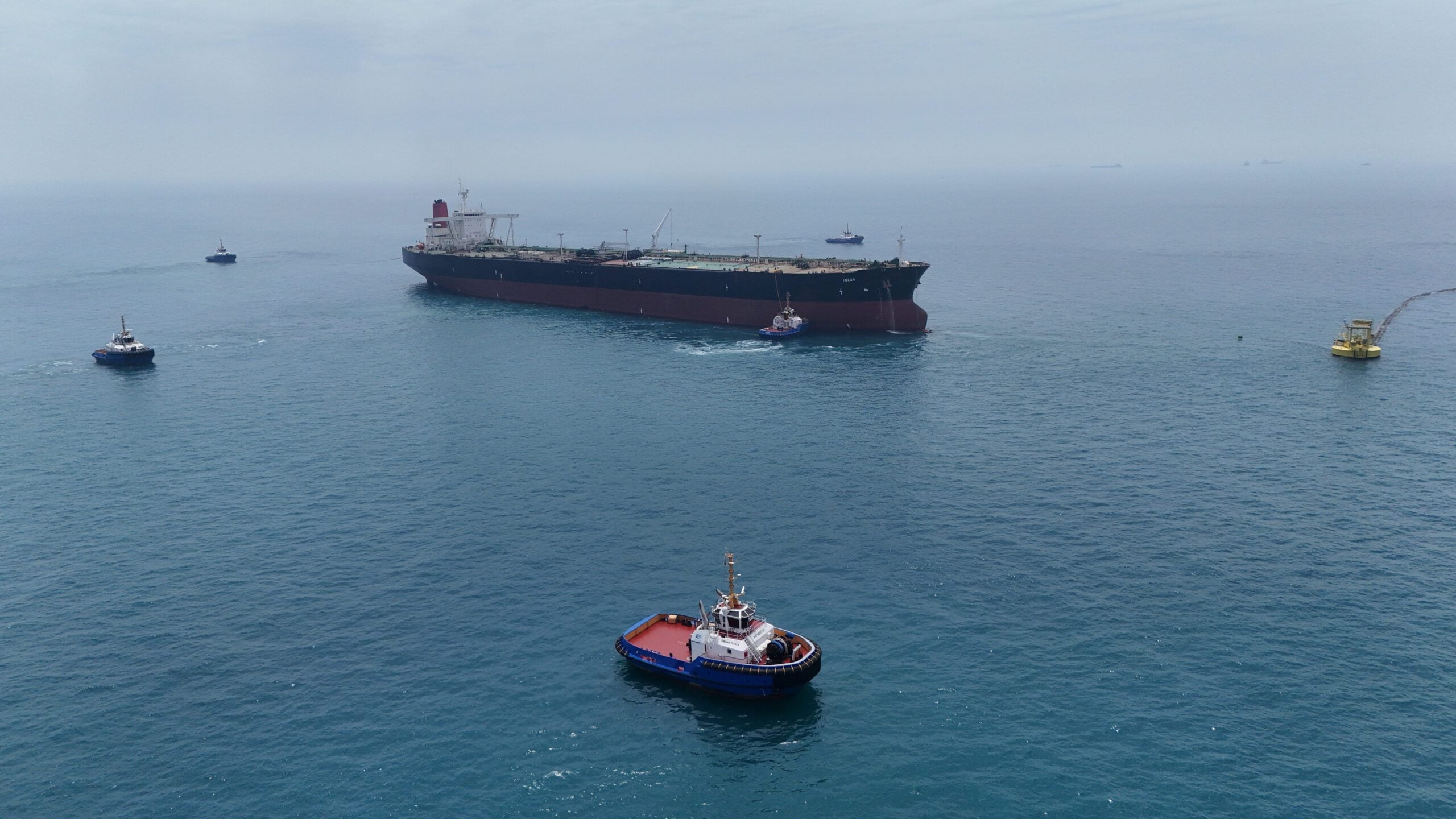
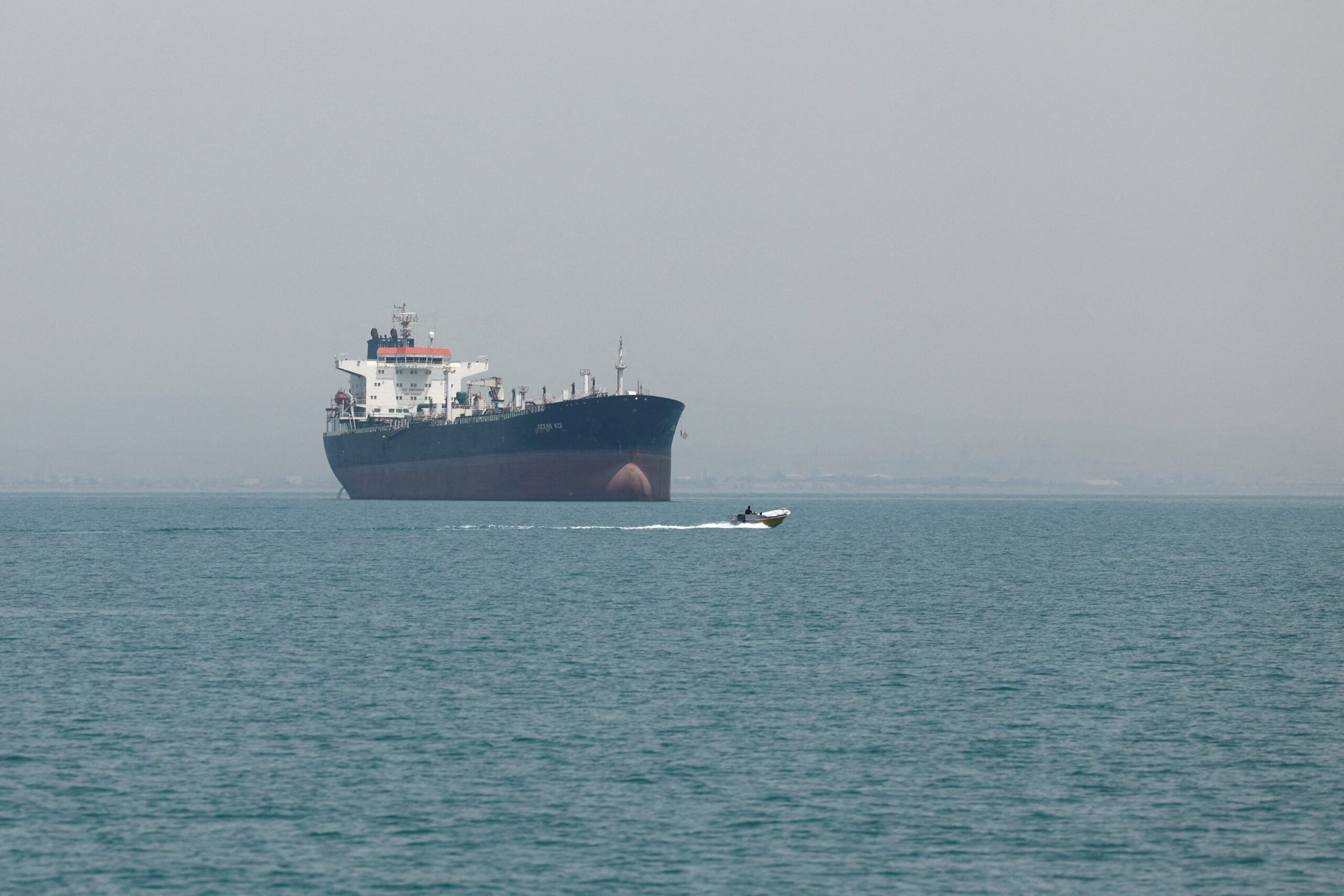
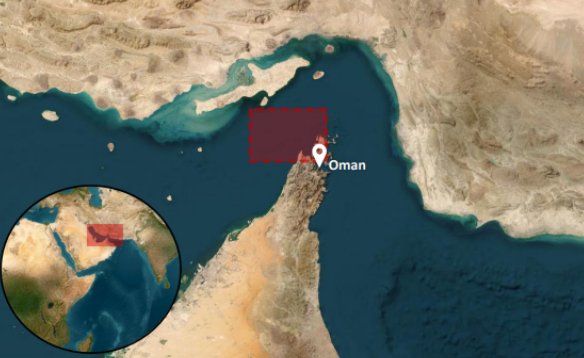
Iran conducted drone attacks on a Panama-flagged tanker off Oman and on Bahrain's territory on 27 June 2026, prompting additional US strikes on Iranian military targets near the Strait of Hormuz on 28 June. The exchange represents the second round of US-Iran military actions since the 17 June Islamabad Memorandum of Understanding and severely strains the fragile ceasefire. Hezbollah's continued opposition to the new US-brokered Israel-Lebanon framework agreement increases risks of northern front escalation.
Executive summary
Iranian forces conducted multiple attacks against commercial shipping and US-allied territories on 27 June 2026, including a drone strike on the Panama-flagged tanker Kiku off Oman and another on Bahrain's territory. The United States responded with additional strikes on Iranian military targets near the Strait of Hormuz on 28 June. These exchanges constitute the second round of direct US-Iran military actions since the 17 June Islamabad Memorandum of Understanding came into effect. Meanwhile, Hezbollah has mobilised against the new US-brokered Israel-Lebanon framework agreement signed on 27 June 2026, conducting protests in Beirut and maintaining military operations against Israeli forces in southern Lebanon. Regional maritime and security tensions remain at elevated levels.
Change from previous assessment
The current assessment shows significant new developments compared to the 27 June prior brief: US-Iran military exchanges have occurred for the second time since the 17 June MoU (previously only one exchange had occurred); a formal trilateral agreement between US, Israel and Lebanon has been signed; Iran has conducted direct attacks against US military sites in Kuwait and Bahrain; and Hezbollah's resistance to the framework agreement has manifested through protests in Beirut and continued military operations. Confidence in the US-Iran MoU holding has decreased from roughly even chance in the prior brief to low in the current assessment due to the recurrence of military exchanges.
Key judgments
- It is very likely Iran's Islamic Revolutionary Guard Corps conducted drone attacks on the Greek-owned, Panama-flagged tanker Kiku off Ras Al Khaimah on 27 June 2026 and on Bahraini territory on 27 June 2026, causing damage to a residential building near Bahrain International Airport. (Confidence: high · REPORTED)
- I&W: Verification of Kiku's position data showing it was struck approximately 95 nautical miles off Ras Al Khaimah on 27 June 2026 (0-14 days)
- I&W: Bahraini government confirmation of damage assessment at residential buildings near Bahrain International Airport following the 27 June attack (0-7 days)
- It is very likely the United States conducted additional counterstrikes against Iranian military targets near the Strait of Hormuz on 28 June 2026, including missile and drone storage facilities along Iran's southern coastline, in response to the Iranian attacks on commercial shipping and Bahraini territory. (Confidence: high · REPORTED)
- I&W: Satellite imagery verification of damage to reported strike locations along Iran's southern coastline on 28 June 2026 (0-14 days)
- I&W: Iranian state media confirmation of explosions in Sirik area corresponding to US strike locations (0-7 days)
- It is likely the 17 June Islamabad Memorandum of Understanding between the United States and Iran is under severe strain following the second round of direct military exchanges within two weeks, with Iran condemning US actions as violations of the agreement while the United States maintains its right to respond to aggression against commercial shipping. (Confidence: medium · ASSESSED)
- I&W: Cancellation or delay of scheduled 18 June US-Iran MoU implementation working groups (1-2 months)
- I&W: Official Iranian statement explicitly declaring the MoU void or non-binding (1-4 weeks)
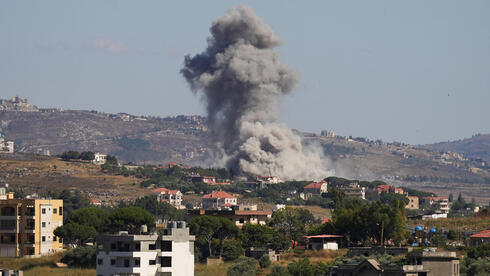
- It is likely Hezbollah will continue to resist the implementation of the 27 June US-brokered Israel-Lebanon framework agreement through military operations in southern Lebanon and domestic political pressure, with Hezbollah supporters staging protests in Beirut and Secretary-General Naim Qassem denouncing the agreement as a 'surrender of Lebanon's sovereignty'. (Confidence: high · REPORTED)
- I&W: Hezbollah conduct of military operations resulting in IDF casualties within 72 hours of the agreement signing (0-3 days)
- I&W: Hezbollah Secretary-General Qassem delivering public speech rejecting the core terms of the framework agreement (1-2 weeks)
- It is very likely Iran has launched a joint missile and drone operation targeting eight US military sites in Kuwait and Bahrain on 28 June 2026, with the Kuwaiti army reporting missile and drone attacks and subsequent interceptions, while Bahrain confirmed damage to a residential building near its international airport. (Confidence: high · REPORTED)
- I&W: US Central Command confirmation of US casualties or equipment damage at the eight targeted locations in Kuwait and Bahrain (0-7 days)
- I&W: Commercial satellite imagery verification of damage at one or more of the targeted US military installations in Kuwait or Bahrain (0-14 days)
Outlook & scenarios
MoU preservation with limited de-escalation (45%)
Despite current exchanges, the United States and Iran preserve the Islamabad MoU framework through direct backchannel negotiations, accepting the latest incidents as isolated actions by sub-state actors. Regional maritime traffic gradually increases to 90 percent of pre-war levels by mid-July as both sides implement confidence-building measures agreed in Islamabad. Hezbollah maintains limited cross-border operations against Israeli forces, but avoids major attacks likely to trigger large-scale Israeli counteroffensives. The Israel-Lebanon framework agreement progresses with limited implementation along the Blue Line.
Full-scale MoU collapse (30%)
Iran rejects US explanations of the counterstrikes as violations of the Islamabad Memorandum, formally suspending the agreement and resuming unrestricted attacks on US forces and commercial shipping in the Gulf region. US and coalition naval escorts become mandatory for all commercial vessels transiting the Strait of Hormuz. Crude exports from the Gulf fall to 60 percent of pre-war levels. Hezbollah escalates attacks against Israeli forces in southern Lebanon, triggering major Israeli ground operations. Full-scale war resumes between Iran and the United States with expanded theatre beyond the Gulf region within 45 days.
Hezbollah-driven northern escalation (20%)
Iran limits its retaliation to proxy actions through Hezbollah, which intensifies military operations against Israeli forces along the Lebanon border. Israel responds disproportionately, conducting extensive ground operations in southern Lebanon that Hezbollah uses to mobilise broader regional Shia networks. The US-brokered Israel-Lebanon framework agreement collapses entirely. The United States and Iran avoid direct military engagement but remain in a state of heightened tension, with maritime incidents continuing at a low level. This scenario creates conditions for a prolonged conflict in Lebanon with potential spillover into Syria.
Regional diplomatic breakthrough (5%)
The recent escalation shocks both sides into accepting comprehensive negotiations, resulting in direct talks between US and Iranian representatives mediated by regional powers. A revised agreement significantly reduces the risk of miscalculation while permitting international maritime access through the Strait of Hormuz. Lebanon's government demonstrates capacity to extend sovereignty into southern regions, fulfilling core requirements of the Israel-Lebanon framework agreement. Hezbollah accepts a face-saving compromise allowing preservation of limited defensive capabilities while ceasing cross-border operations against Israel. This scenario remains unlikely due to current levels of domestic political pressure in both Washington and Tehran.
Recommendations
- Monitor COMINT and SIGINT channels for references to "Sirik" or "Strait of Hormuz" in Iranian military communications to assess potential follow-on operations
- Track vessel movements through the Strait of Hormuz via satellite AIS data to identify patterns suggesting Iran's enforcement of alternative shipping corridors
- Analyse Hezbollah social media channels and Lebanese news outlets for indications of leadership directives regarding the Israel-Lebanon framework agreement
- Assess Israeli military movements near the Lebanon border through overhead collection to determine potential for expanded ground operations
- Review statements from Gulf Cooperation Council members regarding the US-Iran MoU to gauge potential regional diplomatic realignments
Confidence & uncertainty
The overall confidence level is medium due to high-confidence reporting on specific military actions and diplomatic statements, with independent corroboration from multiple media sources and official statements. There is medium confidence regarding the implications of these actions on the US-Iran Memorandum of Understanding due to single-source reporting on certain Iranian positions. Key uncertainties include the precise Iranian decision-making process behind the attacks, potential for escalation beyond current incidents, and Hezbollah's operational readiness following the new Israel-Lebanon framework agreement. The temporal inconsistencies in some reporting regarding the exact timing of certain events (27-28 June) further lower confidence in precise chronology.
Intelligence gaps
- [EEI 1.1 · PARTIAL] Detection and characterization of ballistic/cruise missile or rocket launches originating from Iranian territory or from Iran-controlled positions in Iraq/Syria (time, launch coordinates, missile type, flight trajectory/impact area). Recommended collection: satellite/imagery
- [EEI 1.2 · PARTIAL] Movements and posture changes of Iran-backed proxy forces (Hezbollah units in Lebanon, militias in Syria/Iraq): concentrations of personnel, transport of rocket/artillery launchers, visible logistics build-up within operational range of Israel. Recommended collection: human/intel
- [EEI 1.3 · PARTIAL] Israeli defensive and offensive posture changes: reservist call-ups, mobilization orders, sorties/airstrikes attributed to Israel, and domestic activation of missile-defense systems (locations and activation times). Recommended collection: open-source/media
- [EEI 1.4 · PARTIAL] Evidence of pre-positioning or arming of naval mines, fast attack craft, or anti-ship missile systems in the Gulf of Oman, northern Arabian Sea, or off the Lebanese/Syrian coasts that could be used to interdict Israeli or allied shipping. Recommended collection: maritime/AIS
- [EEI 2.1 · UNCOVERED] Movements and tasking changes of external military assets: carrier strike groups, amphibious ready groups, expeditionary air wings, or ballistic-missile defense units into the Eastern Mediterranean, Persian Gulf, or Red Sea (vessel/aircraft IDs, routing, on-station times). Recommended collection: maritime/AIS
- [EEI 2.2 · PARTIAL] Formal diplomatic/military actions: evacuation orders or embassy closures, public troop posture statements, bilateral/multilateral defense commitments announced, requests for overflight or basing rights in regional states. Recommended collection: diplomatic
- [EEI 2.3 · UNCOVERED] Changes to force protection or alert levels at foreign bases in the region (e.g., US bases in Kuwait, Qatar, UAE; Russian bases in Syria): activation of additional air defenses, curfews, or reinforcement shipments (personnel/equipment manifests). Recommended collection: signals/intel
- [EEI 3.3 · UNCOVERED] Market and insurance indicators: sudden spikes in war-risk or hull insurance premiums for Middle East routes, large moves in regional FX/stock indices, and notable changes in commodity futures (oil, freight rates) tied to regional risk perceptions. Recommended collection: financial/transactional
Cited sources
[1] maritime-executive.com · Tanker Struck by Drone off Oman and the US Again Responds with New Strkes (B) · sha256:b8b2d6d9d5bc [2] gcaptain.com · US Carries Out Fresh Strikes Against Iran After Tanker Struck In Hormuz, Escalating Hostilities (B) · sha256:d0a1e8160079 [3] gcaptain.com · Second Tanker Struck in Strait of Hormuz as U.S.-Iran Shipping Crisis Deepens (B) · sha256:73a0fc5a90df [4] haaretz.com · Iran says it hits U.S.-linked targets as Bahrain reports drone attack (A) · sha256:2a032d042755 [5] The Guardian · Donald Trump threatens to annihilate Iran after crossfire over Hormuz – Middle East crisis live (A) · sha256:1d01382dd8d3 [6] Fox News · US launches retaliatory strikes against Iran as tensions escalate in the Middle East | Fox News Video (B) · sha256:71200b1ffc39 [7] Al Jazeera · US, Iran trade strikes: What to know, will it unravel the MoU? (A) · sha256:013385e41073 [8] haaretz.com · Iran targets Gulf after U.S. launches overnight strikes in response to Hormuz attack (A) · sha256:685e928b773f [9] haaretz.com · Iran says U.S. bases in Gulf to experience 'hell' in coming days in response to strikes (A) · sha256:33906de85734 [10] Wikipedia · 2025–2026 Iran–United States negotiations (B) · sha256:f6eef088b0ac [11] jns.org · Lebanon finally says it out loud: It does not belong to Iran (B) · sha256:0b0f752f07c6 [12] The Jerusalem Post · Live Updates: Latest from Israel, Iran, and Middle East | The Jerusalem Post (A) · sha256:a93f1e5fb65c [13] aljazeera.net · أمريكا وإيران. هدنة هشة بعد حرب لم تحقق أهدافها (A) · sha256:04e651b9a59d [14] haaretz.com · Israel's deal with Lebanon hinges on one question: Can Beirut confront Hezbollah and Iran? (A) · sha256:680c7624b09e [15] ynetnews.com · Israel braces for northern escalation after Lebanon deal: ‘Hezbollah and Iran are losing it’ (A) · sha256:ba515337f873 [16] haaretz.com · Hezbollah chief rejects Israel-Lebanon deal, pushes for full IDF withdrawal (A) · sha256:91c5cdfd4027 [17] haaretz.com · Israel strikes southern Lebanon day after U.S.-brokered deal, report says (A) · sha256:e6f0b1a1f546 [18] haaretz.com · Israeli soldier killed in clash with Hezbollah militant in southern Lebanon on Saturday night, IDF says (A) · sha256:e99cea3ce211
Source content hashes were computed at collection time; the cited text is preserved unmodified for the life of this product.
TLP:CLEAR