TLP:CLEAR · Disclosure is not limited.
Escalating maritime security concerns amid Sahel humanitarian crisis
Time window: Last 7 days · Audience: General analyst · Type: Situation report · DTG: 2026-06-26 16:31Z · Overall confidence: MEDIUM
BLUF
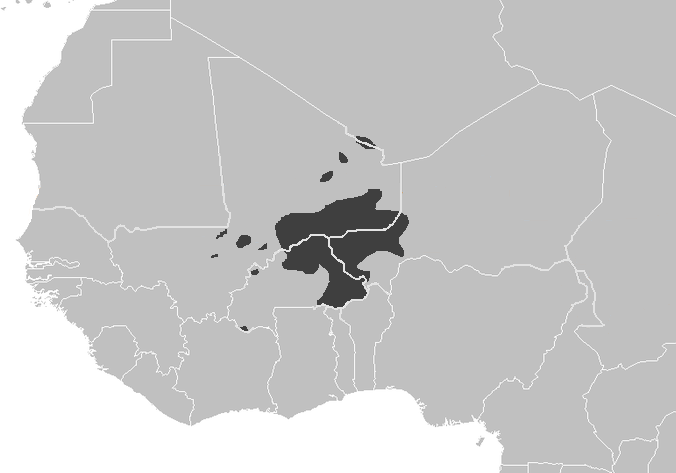
Recent Iranian-backed attacks on shipping in the Strait of Hormuz demonstrate continued vulnerability of critical energy corridors despite U.S.-Iran diplomatic engagement. The Alliance of Sahel States shows no signs of reversing its break from Western security partners while Russian military support continues. Evidence now confirms Malian forces employed Russian-made cluster munitions in northern Mali, creating new legal complications.
Executive summary
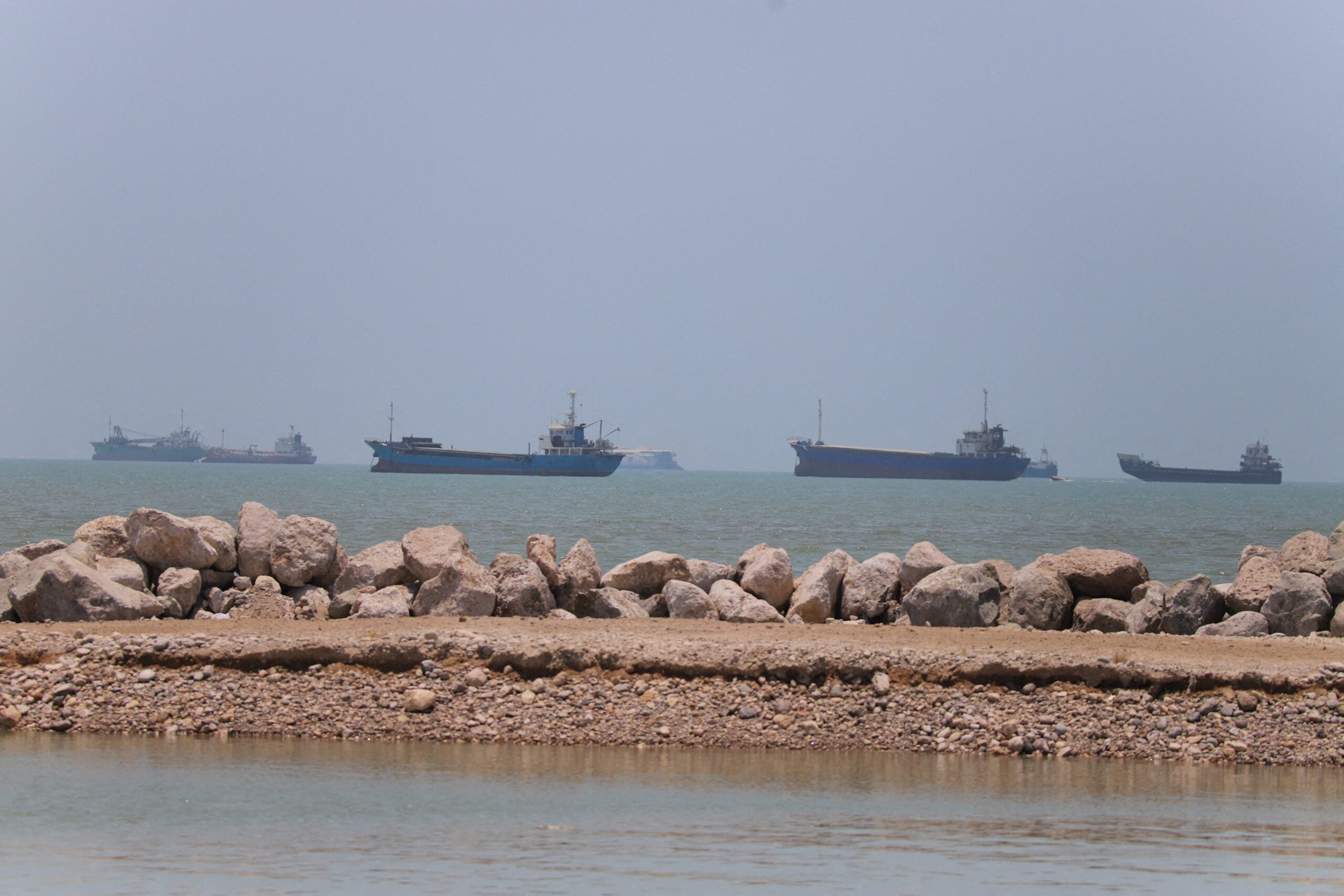
Security conditions deteriorated across the Sahel region during this reporting period with confirmed use of Russian-made cluster munitions in Malian military operations, escalating maritime attacks affecting global trade routes, and worsening humanitarian conditions. The Alliance of Sahel States has consolidated its separation from Western security arrangements while deepening reliance on Russian partners. Concurrent developments in the Strait of Hormuz indicate the conflict's spillover effects now threaten critical energy infrastructure beyond the immediate region.
Change from previous assessment
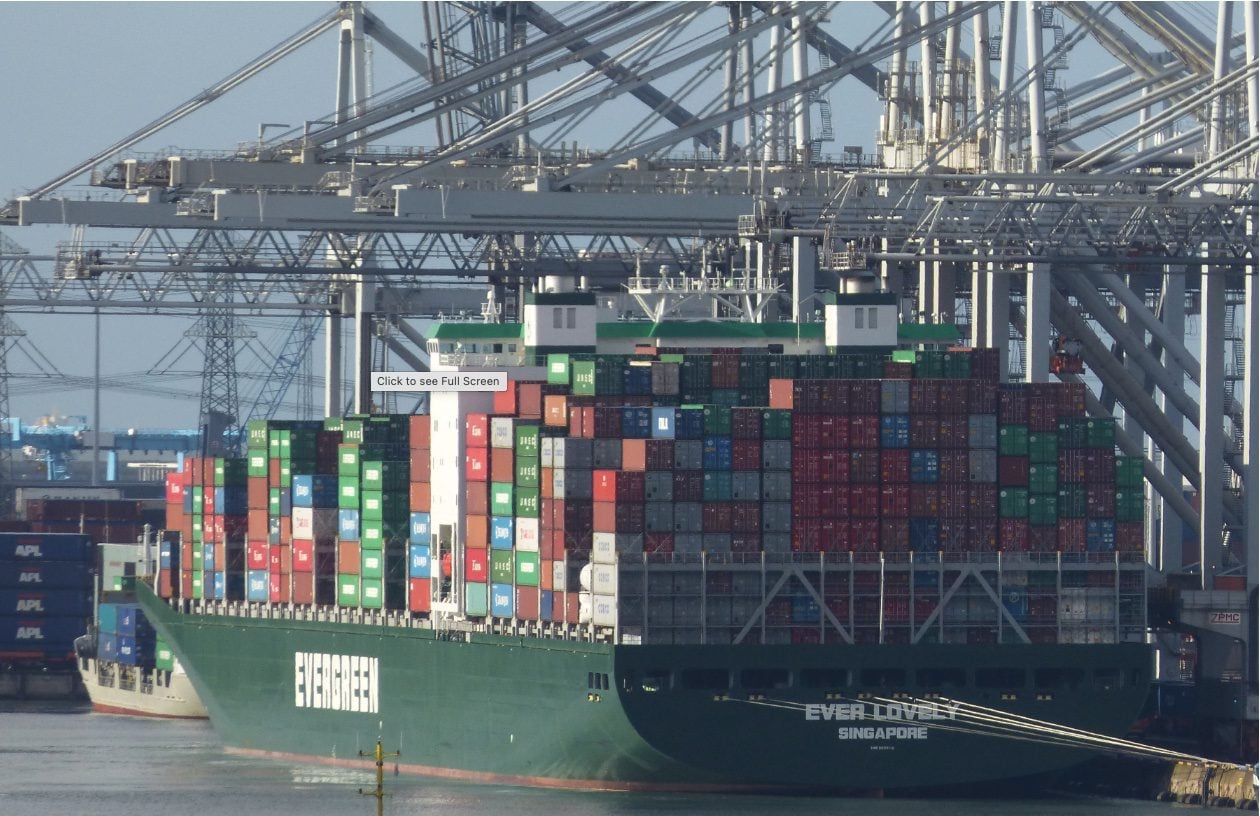
This assessment elevates maritime security as a critical risk vector following the 25-26 June attack on the Ever Lovely container ship, representing a new concern not featured in the prior brief. Confidence in the cluster munition usage assessment has increased from 'likely' to 'very likely' with additional forensic evidence confirming Russian-made submunitions in Tadjmart. New reporting on Burkina Faso's civic space restrictions and journalist disappearances has been incorporated as significant emerging concerns. Assessment of humanitarian impacts now includes specific verification of casualty figures exceeding 68,933 killed, whereas the prior brief cited a more general 68,933+ figure.
Key judgments
- Malian Armed Forces very likely employed Russian-made cluster munitions during strikes in northern Mali on 17 May, creating legal exposure for Bamako as a Convention on Cluster Munitions state party while Russia's Africa Corps continues supporting these operations. (Confidence: high · ASSESSED)
- I&W: Verification through forensic analysis confirming Russian origin of found cluster munitions (0-14 days)
- I&W: Legal action initiated against Mali at the International Court of Justice (30-60 days)
- Iranian security forces very likely conducted the drone attack on the Singapore-flagged Ever Lovely containership near Oman on 25 June, demonstrating continued efforts to assert control over the Strait of Hormuz despite diplomatic engagements. (Confidence: high · ASSESSED)
- I&W: Physical evidence from vessel confirming Iranian drone components (0-14 days)
- I&W: Additional attacks on shipping using Iranian claimed transit routes (0-30 days)
- The Alliance of Sahel States almost certainly continues to entrench separation from Western security partners, having formalised the confederation on 6 July 2024 and subsequently cut military relations with Western powers while expelling Western diplomats. (Confidence: high · REPORTED)
- I&W: Expulsion of additional Western embassy personnel (0-30 days)
- I&W: Documented evidence of Russian personnel operating outside Mali (30-60 days)
- The Sahel conflict very likely continues to exact extreme humanitarian costs, with claims documenting over 68,933 killed and more than 3 million displaced across the region. (Confidence: high · REPORTED)
- I&W: United Nations verification of displacement figures exceeding 3.2 million persons (30-60 days)
- I&W: World Food Programme confirmation of further deterioration in access to food (0-30 days)
- Burkina Faso's military government almost certainly continues to restrict civic space, with evidence of enforced disappearances of journalists including the two-year detention without charges of Serge Oulon. (Confidence: high · REPORTED)
- I&W: Official government explanation for journalist disappearances (0-30 days)
- I&W: Releases of detained journalists including Serge Oulon (30-60 days)
Outlook & scenarios
Escalating maritime conflict (20%)
Iranian maritime attacks continue escalating with more direct confrontations between Iranian and U.S. naval forces. Traffic through the Strait of Hormuz remains significantly disrupted for months, driving global energy prices higher. The International Maritime Organization's evacuation framework fails to restore confidence, worsening the humanitarian situation in affected regions including the Sahel.
Consolidated Sahel separatism (50%)
The Alliance of Sahel States successfully maintains its separation from Western security arrangements while deepening ties with Russia. Military operations against insurgents continue with Russia providing increased support. Western diplomatic efforts fail to reverse the trend, leading to further regional instability. Humanitarian conditions gradually deteriorate without any significant international intervention.
Humanitarian catastrophe (30%)
The conflict intensifies significantly with worsening humanitarian conditions across all three Alliance of Sahel States. Displacement figures exceed 4 million, with severe food shortages affecting large portions of the population. International organisations struggle to maintain operations due to security concerns, creating a full-scale humanitarian emergency requiring major international response.
Recommendations
- Analyse thermal detection patterns in Mali over the past 90 days to identify correlations between high-confidence thermal signatures and confirmed military operations, distinguishing between conflict-related and routine industrial or agricultural activity
- Monitor maritime traffic patterns through the Strait of Hormuz using open-source AIS data, focusing on changes in routing preferences following recent attacks to identify persistent behavioural shifts among commercial shipping operators
- Coordinate with regional partners monitoring Russian military activity in Africa to assess changes in Africa Corps force posture and equipment deployment, particularly tracking movements beyond established bases in Mali
- Develop early warning metrics for humanitarian conditions by synthesising displacement data with food security metrics and medical access reporting, focusing on identifying threshold triggers for rapid deterioration
Confidence & uncertainty
The underlying facts in this assessment benefit from multiple high-quality sources including government publications, multilateral organisation reports, and major media outlets with corroborating accounts. Confidence in the assessments connecting these facts is generally high, though some judgments require analytic interpretation of the evidence. The primary limitation stems from contradictory claims regarding Burkina Faso's security rankings for 2025 and 2026, reflecting reporting inconsistencies that cannot be fully reconciled with available information. Several claims rely on single-sourcing, particularly those concerning the Serge Oulon case and the precise sequence of recent maritime attacks, creating modest confidence reductions in related assessments.
Intelligence gaps
- [EEI 1.1 · UNCOVERED] Number, location, and scale of attacks (IEDs, ambushes, complex attacks) per week against towns, military bases, police posts, or convoys, with casualty and equipment-loss counts. Recommended collection: ground/HUMINT
- [EEI 1.2 · UNCOVERED] Observed movement and size of armed columns (vehicle counts, heavy weapons present) along approach routes to population centers or borders documented by imagery, local reporting, or border guards. Recommended collection: imagery/SATCOM
- [EEI 1.3 · UNCOVERED] Reports of occupation, administration, or imposition of checkpoints/taxes by armed groups in named towns, villages, markets, or on specified road segments. Recommended collection: OSINT (local media/social)
- [EEI 1.4 · UNCOVERED] Seizure or acquisition of heavy weapons or air-defense systems (mortars >81mm, artillery, armored vehicles, MANPADS) attributed to specific groups as evidenced by photos, captured weapons inventories, or weapons interdictions. Recommended collection: forensics/field reporting
- [EEI 2.1 · UNCOVERED] Internal security force movements: redeployment of army units, garrison withdrawals, or mass troop movements toward/away from capitals and regional command posts. Recommended collection: imagery/SATCOM
- [EEI 2.2 · UNCOVERED] Detentions, public dismissals, resignations, or public statements by senior military, police, or government officials indicating factional splits (named individuals, ranks, units). Recommended collection: diplomatic/OSINT
- [EEI 2.3 · UNCOVERED] Changes in foreign military footprints or security agreements: arrival/departure of foreign troops, opening/closure of foreign bases, visible presence of private military contractors (identified personnel/vehicles). Recommended collection: OSINT/imagery
- [EEI 2.4 · UNCOVERED] Targeted external support actions: sanctions, suspension of aid, delivery of weapons or logistics from foreign state or non-state actors (documented shipments, bank transfers, public announcements). Recommended collection: financial/diplomatic
- [EEI 3.1 · UNCOVERED] Interdictions or seizures at borders/markets of weapons, ammunition, fuel, or contraband (type/quantity, seizure location, alleged origin/destination). Recommended collection: border/customs
- [EEI 3.2 · UNCOVERED] Recorded movements of known smuggling routes and convoy volumes: counts of commercial/privately registered vehicles and informal river crossings on specific cross-border corridors. Recommended collection: ground/HUMINT
- [EEI 3.3 · UNCOVERED] Monitored financial flows linked to illicit trade: large cash movements, changes in declared gold exports at named mines/ports, or arrests of money couriers with amounts and origins. Recommended collection: financial/forensics
- [EEI 3.4 · UNCOVERED] Observed changes at border security posts: closures, reductions in personnel, destroyed checkpoints, or documented agreements allowing free movement at named crossings. Recommended collection: imagery/OSINT
Cited sources
[1] bellingcat.com · Banned Russian Submunitions Found After Mali's Military Announces Airstrikes - bellingcat (A) · sha256:6788d3465fd7 [2] gcaptain.com · Drone Strike on Ever Lovely Exposes the Fiction of a Free Strait (B) · sha256:093e5aca0dd1 [3] gcaptain.com · Traffic Through Strait of Hormuz Slows After Attack on Ship (A) · sha256:7470d0ad95a1 [4] Wikipedia · Alliance of Sahel States (A) · sha256:c0c4e5ff6b17 [5] Wikipedia · War in the Sahel (F) · sha256:f934fdb650ad [6] Wikipedia · Islamist insurgency in Burkina Faso (B) · sha256:35c16e56b6bc [7] U.S. Department of State · Nigeria Travel Advisory | Travel.State.gov (A) · sha256:9c4607ffc766 [8] Amnesty International · Burkina Faso. Deux ans après, l’éminent journaliste Serge Oulon toujours porté disparu (B) · sha256:20b95e62c7a9 [9] Reporters Without Borders · Burkina Faso (C) · sha256:b1ca43b11b84
Source content hashes were computed at collection time; the cited text is preserved unmodified for the life of this product.
TLP:CLEAR