TLP:CLEAR · Disclosure is not limited.
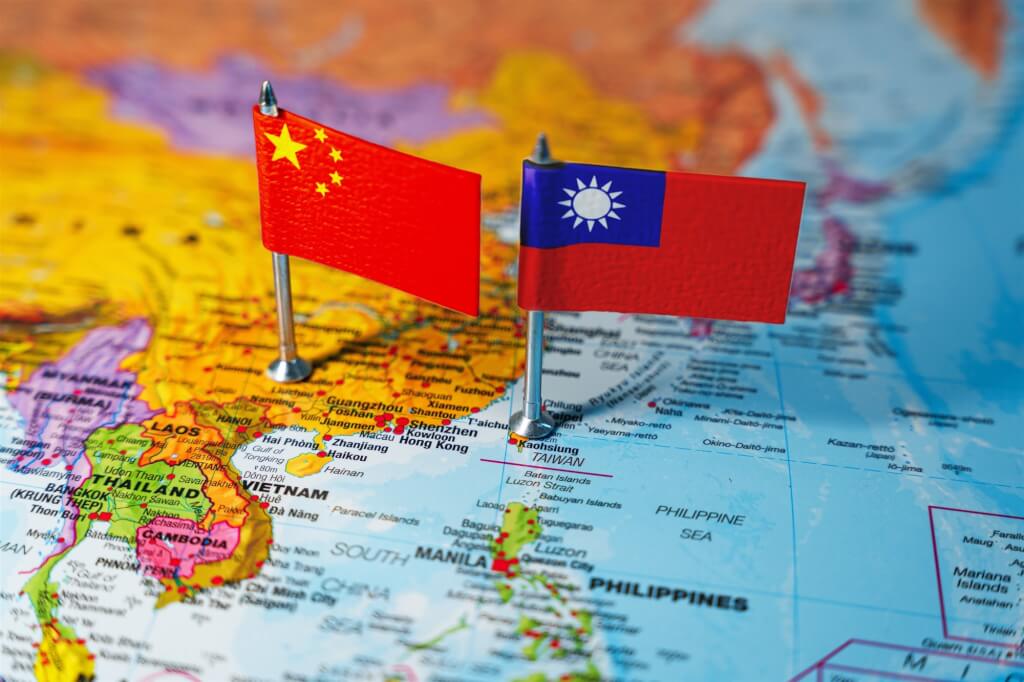
Escalating Military Activities Across the Taiwan Strait
Time window: Last 7 days · Audience: General analyst · Type: Situation report · DTG: 2026-07-07 19:18Z · Overall confidence: MEDIUM
BLUF
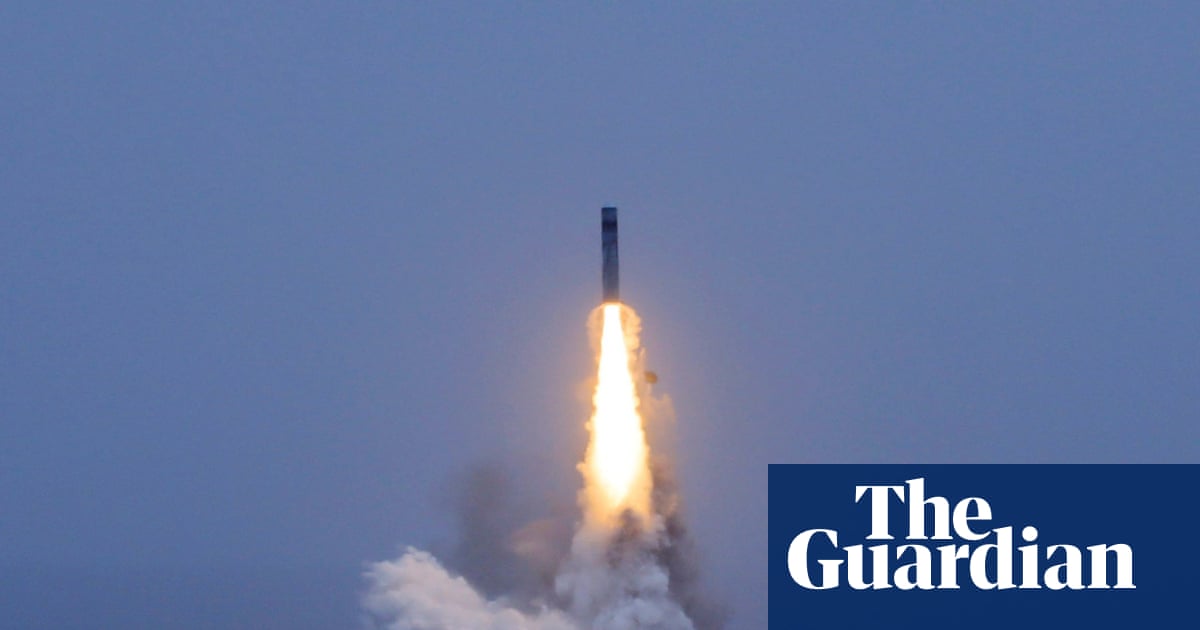
The People's Liberation Army conducted an unprecedented intercontinental ballistic missile test into international waters on July 6, 2026, prompting condemnation from Australia, Japan and New Zealand. Taiwan tracked more than 110 Chinese military and coast guard vessels operating around the island while conducting its own resilience exercise simulating a Chinese blockade scenario. Economic interdependencies flowing through the Taiwan Strait remain critically vulnerable to disruption given that 33% of China's imports and 16% of its exports pass through this waterway.
Executive summary
Since July 5, the People's Liberation Army has intensified military activities near Taiwan, including conducting an intercontinental ballistic missile test on July 6 and maintaining over 110 military and coast guard vessels across strategic waterways. Taiwan responded with a two-day resilience exercise simulating Chinese blockade and invasion scenarios. Chinese coast guard vessels entered restricted waters near the Dongsha Islands while Taiwan criticised Chinese law enforcement patrols east of the island. International partners expressed grave concern as regional tensions escalate against the backdrop of significant economic interdependencies, with Japan, South Korea and the Philippines transporting $755 billion in goods through the Taiwan Strait annually.
Change from previous assessment
Since the prior brief on July 6, People's Liberation Army activities have expanded from vessel deployments and the sub-launched missile test to include Chinese coast guard incursions into restricted waters near the Dongsha Islands alongside intensified Taiwan Strait patrols. Taiwan's response has evolved from domestic readiness measures to conducting specific resilience exercises simulating Chinese blockade scenarios. International reactions have become more unified in characterising Chinese actions as destabilising, with Australia explicitly linking the missile test timing to its new defence pact with Fiji.
Key judgments
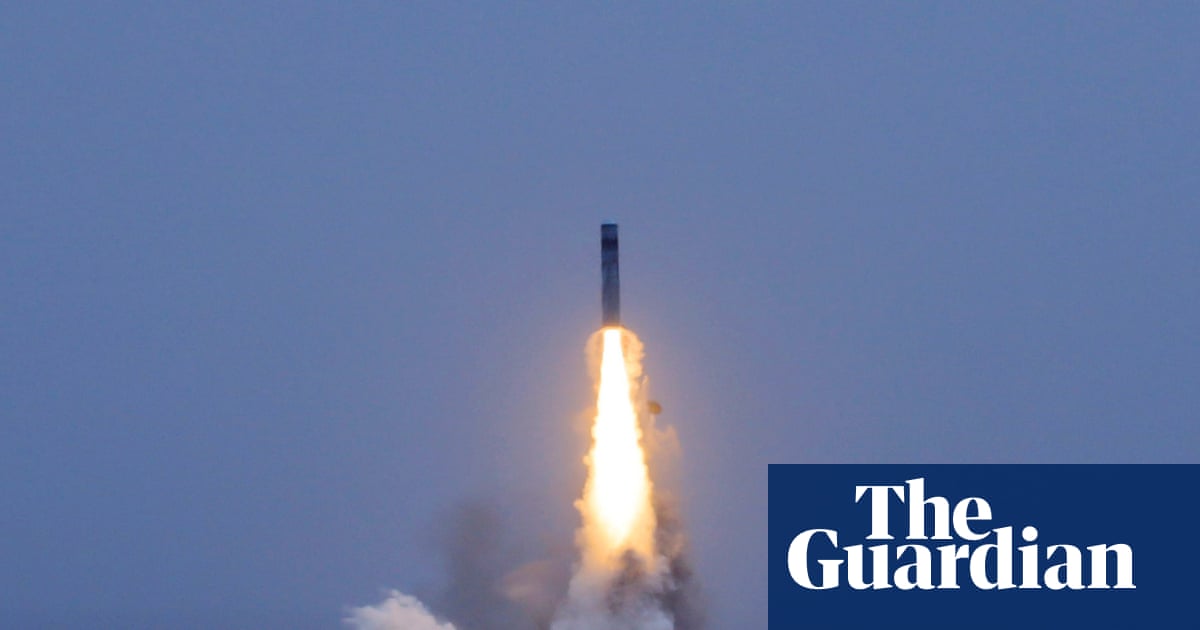
- Very likely the People's Liberation Army Navy conducted China's second publicly acknowledged long-range missile launch into the Pacific in less than two years on July 6, 2026, firing a submarine-launched JL-3 ballistic missile carrying a dummy warhead toward international waters. (Confidence: high · REPORTED)
- I&W: PLA Navy submarine detected in Pacific launch zone coordinates previously used for missile tests (0-14 days)
- I&W: Mao Ning confirms next missile test as part of 'routine military training' schedule (0-30 days)
- Very likely Taiwan tracked more than 110 People's Liberation Army military and coast guard vessels operating around the island as of July 5, with Chinese forces conducting coordinated law enforcement patrols east of the island that prompted formal protests from Taipei. (Confidence: high · REPORTED)
- I&W: Chinese vessels maintain persistent 24-hour presence within 5 nautical miles off Taiwan's east coast (0-14 days)
- I&W: ROC Ministry of National Defense reports specific vessel IDs crossing median line threshold (0-7 days)
- Very likely Taiwan conducted a two-day closed-door resilience exercise in Nantou County simulating a Chinese blockade and invasion scenario on July 5, 2026, while Chinese coastal patrols entered restricted waters near the Dongsha Islands. (Confidence: high · REPORTED)
- I&W: Taiwan's Ministry of National Defense releases video footage of exercise involving civilian logistics (0-14 days)
- I&W: Tsai Ing-wen addresses public on exercise outcomes with specific vulnerability assessments (0-30 days)
- Almost certainly Australia, Japan and New Zealand collectively condemned China's missile test as a destabilising act that violates transparency expectations in the region, with Australia noting the test coincided with its new defence pact with Fiji. (Confidence: high · REPORTED)
- I&W: Australia's Defence Department issues new travel alert for Pacific region citing specific security concerns (0-14 days)
- I&W: Joint statement from Five Eyes partners references China's missile launch as violating international norms (0-30 days)
- Likely economic interdependencies flowing through the Taiwan Strait remain critically vulnerable to disruption, with 33% of China's imports and 16% of its exports passing through this waterway while Japan, South Korea and the Philippines collectively transport $755 billion in goods through the area annually. (Confidence: medium · ASSESSED)
- I&W: Shanghai Containerized Freight Index shows 15% weekly spike in trans-Pacific shipping rates (7-21 days)
- I&W: Chinese customs data reveals abnormal delays exceeding 24 hours for shipments through Taiwan Strait (0-14 days)
Outlook & scenarios
Sustained coercive posture (65%)
The People's Liberation Army maintains its current vessel formations around Taiwan through late August 2026 while conducting intermittent military exercises and patrols. China frames these activities as routine training while gradually increasing pressure through more frequent incursions into restricted waters east of Taiwan. Taiwan counters with heightened surveillance and public reassurance statements, and regional partners issue routine diplomatic protests. Economic disruption remains minimal but insurance premiums for maritime traffic through the Strait rise 20-25%. China avoids any unilateral change to the status quo through Taiwan's traditional peak election season in September.
Incident escalation (25%)
A collision between Chinese and Taiwanese naval vessels near the Dongsha Islands in August 2026 triggers a major diplomatic crisis. China amplifies military activities to demand an official apology from Taipei while deploying additional PLA Navy destroyers to the area. Taiwan responds by implementing temporary commercial shipping restrictions in specific sectors of the Strait. Japan and the United States dispatch naval assets for 'routine monitoring', further inflaming tensions. Insurance rates for commercial vessels in the area triple within one week, and regional stock markets decline 5-8% on economic disruption fears.
De-escalation through tacit understanding (10%)
Senior officials from both sides engage in discreet channels to establish a temporary de-confliction protocol following informal signals from the United States indicating strong opposition to further escalation. By mid-August 2026, China gradually reduces the number of vessels conducting patrols east of Taiwan while maintaining its standard monitoring presence near the median line. Taiwan suspends large-scale military readiness exercises while continuing routine monitoring. Regional partners collectively reduce diplomatic rhetoric and focus on maritime safety coordination channels, allowing commercial shipping to proceed without significant disruption.
Recommendations
- Monitor AIS data for Chinese military and coast guard vessels to identify patterns in vessel formations, loitering behaviour and response to Taiwanese countermeasures
- Track economic indicators including Shanghai Containerised Freight Index and regional insurance rates to detect early signs of supply chain disruption
- Analyse diplomatic statements from Five Eyes partners for shifts in language regarding Chinese activities, particularly references to international law violations
- Assess Chinese official media narratives around 'routine military training' assertions for indicators of sustained pressure campaigns or potential de-escalation signals
- Maintain watch on quarterly Chinese economic data for signs of supply chain pressures stemming from Strait disruption
Confidence & uncertainty
This assessment's medium confidence stems from multiple corroborating high-reliability claims from major media sources and official government reporting on military activities, vessel counts and international reactions. Chinese missile test timing, vessel numbers and international responses benefit from specific attribution to government officials and tracking data. Lower confidence for economic interdependencies reflects single-source trade flow data without immediate observable disruption. Remaining uncertainties include Chinese intent in conducting the missile test during high diplomatic engagement periods and precise Taiwanese military preparedness given limited public data on recent exercises.
Intelligence gaps
- [EEI 1.1 · UNCOVERED] Concentration of PLA amphibious warfare vessels exceeding 15 ships in Fujian Province naval ports. Recommended collection: imagery/satellite
- [EEI 1.2 · UNCOVERED] Unplanned surge in encrypted communications traffic from PLA Eastern Theater Command headquarters. Recommended collection: SIGINT
- [EEI 1.3 · UNCOVERED] Movement of PLA airborne unit heavy equipment to airbases within 200km of Taiwan Strait. Recommended collection: imagery/satellite
- [EEI 2.1 · UNCOVERED] Daily aggregate count of PLA Air Force sorties within 30km of the median line. Recommended collection: radar
- [EEI 2.2 · PARTIAL] Number of active PLA naval live-fire exercise zones in Taiwan Strait international waters. Recommended collection: SIGINT
- [EEI 2.3 · UNCOVERED] Positioning of PLA Type 055 destroyers west of 122°E longitude. Recommended collection: maritime/AIS
- [EEI 3.1 · UNCOVERED] Operational activation of Taiwan's Hsiung Feng III coastal defense missile systems. Recommended collection: SIGINT
- [EEI 3.2 · UNCOVERED] Increased cargo aircraft movements to Penghu Islands military installations. Recommended collection: air/ADS-B
Cited sources
[1] theguardian.com · China missile test: what do we know and why are countries in the region concerned? (A) · sha256:99a81a1088a4 [2] theguardian.com · Australian PM says Chinese missile test could have caused ‘considerable damage’ if weaponised (A) · sha256:1ed2e4521a44 [3] marinelink.com · China Alarms Other Pacific Powers With Missile Test (B) · sha256:b54d65aa1321 [4] dw.com · 台海两岸 – 所有相关主题内容 – 第1 页,共115 页 (A) · sha256:7152f738b711 [5] U.S. Department of State · Ghana Travel Advisory (A) · sha256:842f059b95a2 [6] gcaptain.com · Bulk Carrier Losses Keep Falling, But INTERCARGO Warns New Risks Are Emerging (C) · sha256:e3c9dabe66c3 [7] gcaptain.com · Ukraine Steps Up Strikes on Russian 'Shadow Fleet' Tankers (A) · sha256:ed02d1ccad46 [8] Wikipedia · Fourth Taiwan Strait Crisis (B) · sha256:38c3f408e7a0 [9] dw.com · Philippines' 80-year bet on America — was it worth it? (B) · sha256:9ee9ecb4eb98 [10] 中央社 CNA · 美智庫:中國面臨難解「台海困境」 武力犯台恐自毀經濟命脈 | 政治 | 中央社 CNA (B) · sha256:da06356d774e [11] Associated Press · What to know about China's rare ballistic missile test and why it raises concerns (A) · sha256:885d332f26e9
Source content hashes were computed at collection time; the cited text is preserved unmodified for the life of this product.
TLP:CLEAR