TLP:CLEAR · Disclosure is not limited.
Escalating US-Iran Conflict After Ceasefire Collapse
Time window: Last 7 days · Audience: General analyst · Type: Situation report · DTG: 2026-07-09 18:13Z · Overall confidence: LOW
BLUF
The US-Iran ceasefire has collapsed, prompting multiple US airstrikes against Iranian military targets and Iranian retaliatory strikes against US facilities in Bahrain and Kuwait, with regional escalation risks high and oil markets reacting sharply. President Trump has explicitly declared the ceasefire 'over' and revoked Iran's temporary oil export licence, increasing the probability of sustained conflict. Kuwait and Bahrain have successfully intercepted Iranian missile and drone attacks, but commercial shipping through the Strait of Hormuz faces significant disruption.
Executive summary
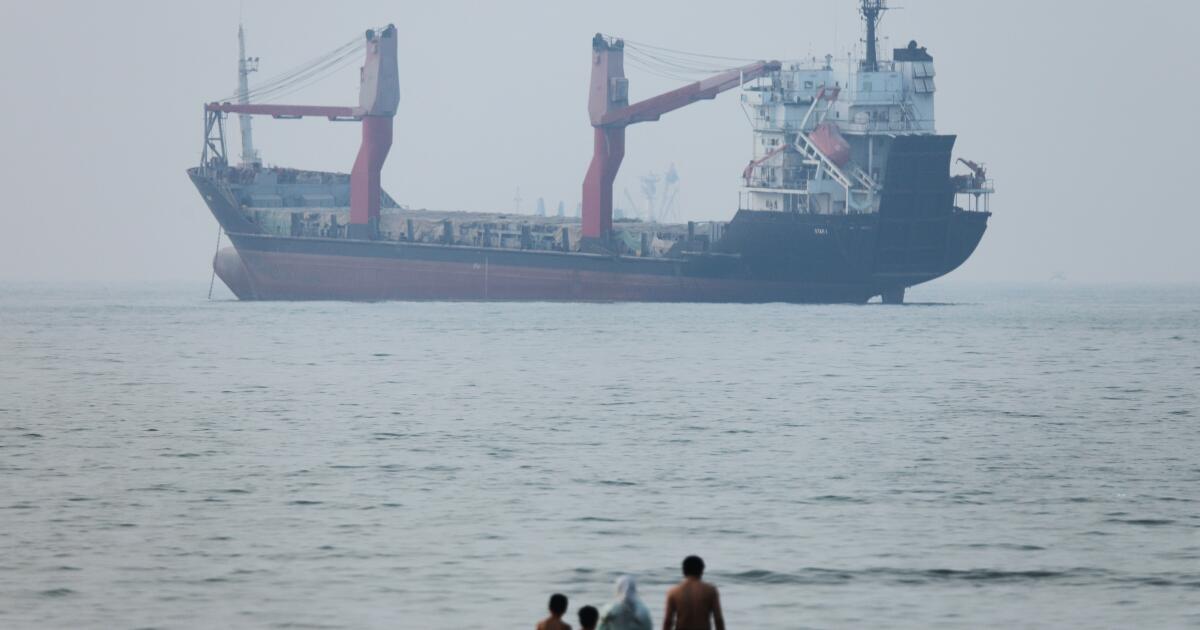
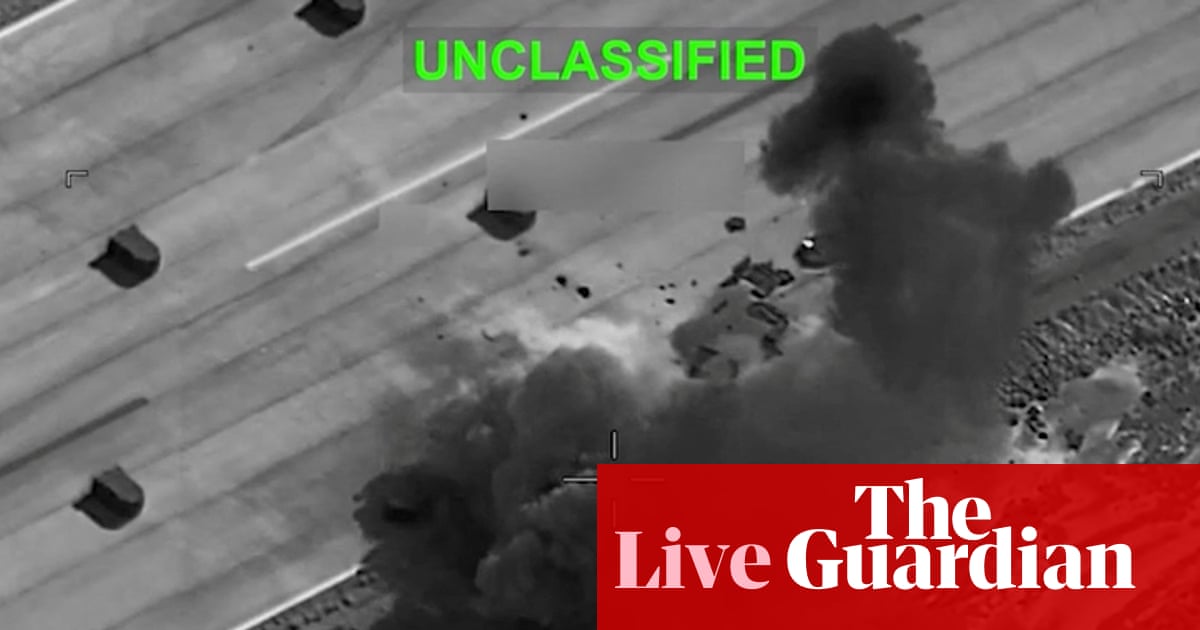
Following Iranian attacks on three commercial vessels in the Strait of Hormuz on July 7, 2026, the United States has ordered new waves of precision airstrikes against Iranian military infrastructure across three consecutive days. Iran has responded with coordinated strikes targeting US military facilities in Bahrain and Kuwait using missiles and drones. President Trump declared the ceasefire 'over' during the NATO summit in Turkey on July 8, explicitly revoking Iran's temporary oil export licence. At least 14 people have been killed and 78 wounded in Iran from US airstrikes, while Kuwait and Bahrain have successfully intercepted numerous Iranian aerial assets. Global oil prices have already increased 6% to $74.50 per barrel of Brent crude as tensions threaten to disrupt vital shipping lanes and potentially trigger further economic instability.
Key judgments
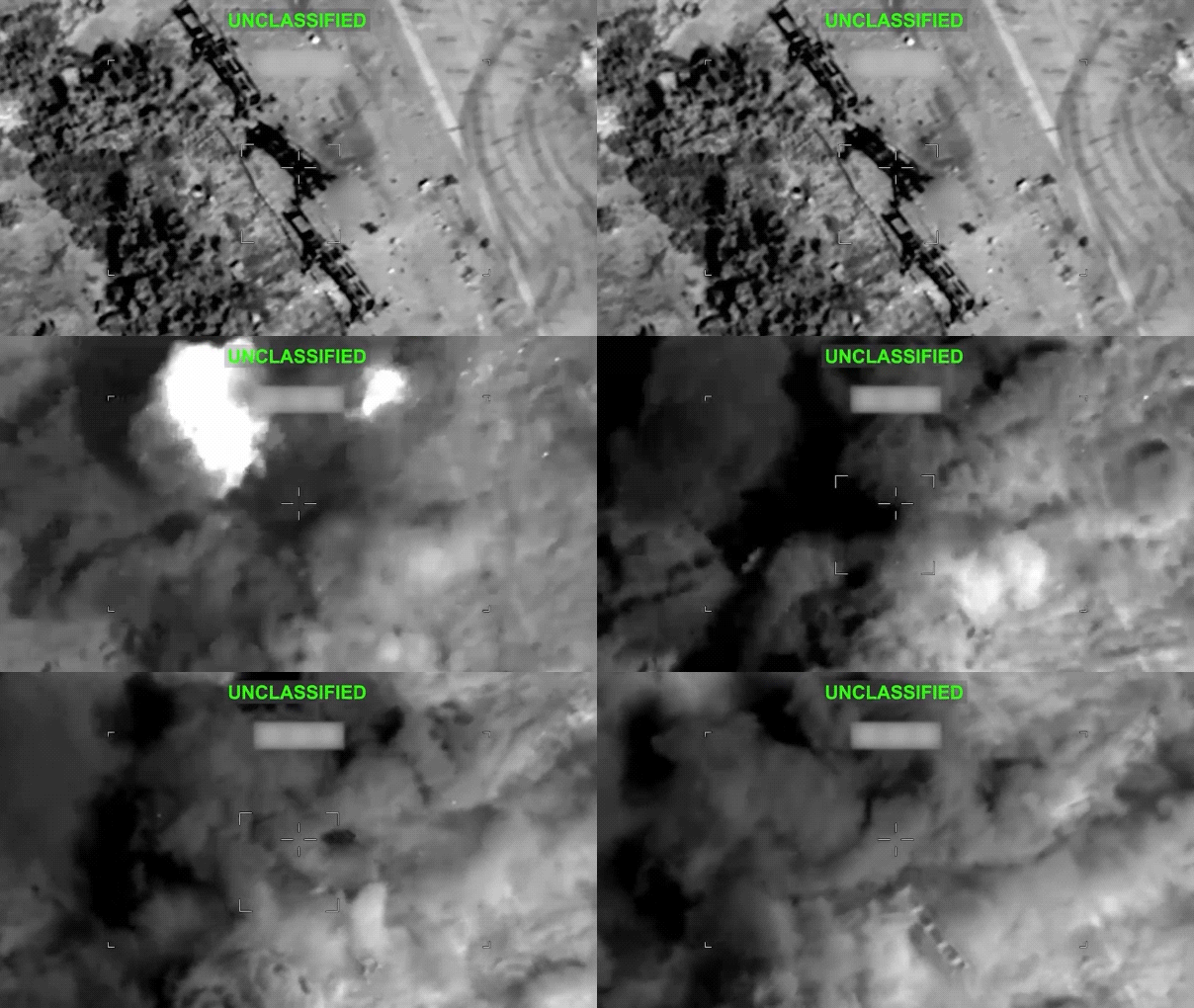
- The United States has conducted three consecutive waves of precision airstrikes against Iranian military targets from July 7 to July 9, 2026, expanding their scope from maritime security infrastructure to broader coastal facilities including bridges and port cities. (Confidence: high · REPORTED)
- I&W: CENTCOM announces targeting of Iranian infrastructure beyond coastal facilities (0-72 hours)
- I&W: US military officials confirm expansion of strikes to specific Iranian nuclear facilities (1-2 weeks)
- Iran has conducted coordinated missile and drone strikes against US military facilities in Bahrain and Kuwait using Revolutionary Guard assets, causing defensive intercepts on July 8-9, 2026, but no confirmed US or coalition military personnel casualties. (Confidence: high · REPORTED)
- I&W: Bahrain Defence Force confirms structural damage to military installations (0-72 hours)
- I&W: Iranian Revolutionary Guard releases visual evidence of successful strikes (0-14 days)
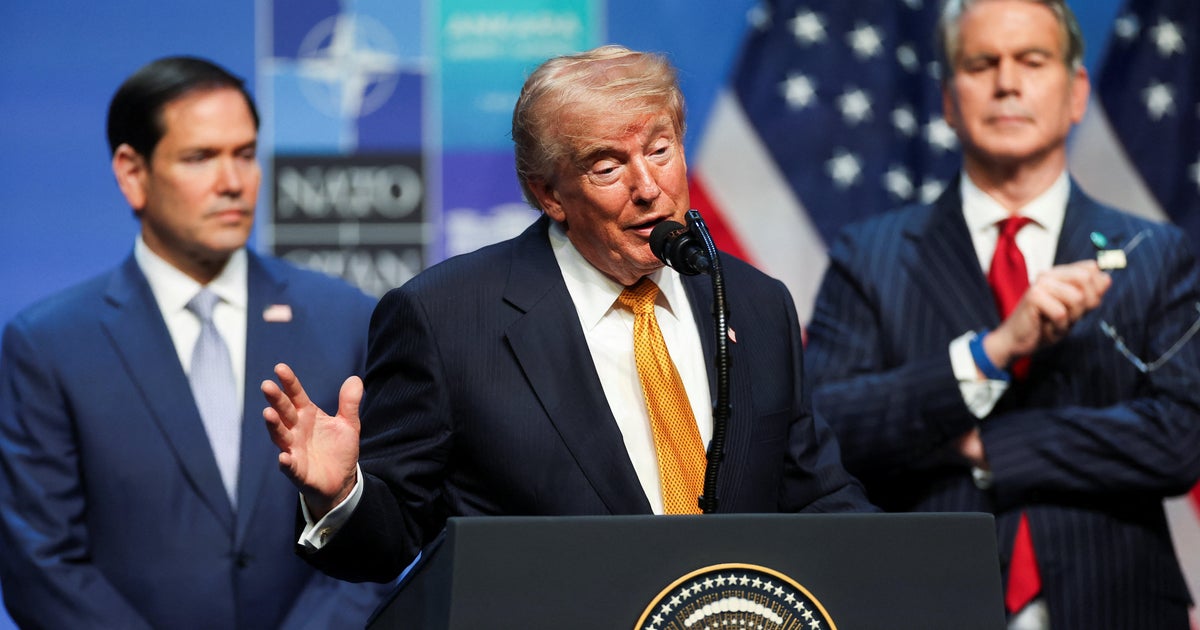
- The US-Iran interim ceasefire has collapsed following Iranian attacks on commercial vessels in the Strait of Hormuz on July 7, 2026, with President Trump explicitly declaring the cessation of hostilities 'over' during the NATO summit, rendering previously agreed diplomatic mechanisms ineffective. (Confidence: high · REPORTED)
- I&W: US State Department updates travel advisories for all Gulf Cooperation Council states (0-14 days)
- I&W: Saudi Arabia requests formal US military protection treaty for GCC states (1-3 months)
- The conflict has triggered defensive mobilisation across Gulf Cooperation Council states, with Bahrain, Kuwait and Jordan engaging Iranian aerial assets, while Israel has remained on high alert but is unlikely to engage Iranian territory absent new attacks on Israeli targets. (Confidence: medium · ASSESSED)
- I&W: Israeli Air Force conducts airstrikes on Iranian territory (0-72 hours)
- I&W: GCC states establish combined air defence command (1-3 months)
- Revocation of Iran's temporary oil export licence and US naval blockade have significantly disrupted global oil markets with prices increasing 6% to $74.50 per barrel of Brent crude, potentially triggering a wider economic crisis if the Strait of Hormuz remains closed to commercial shipping. (Confidence: medium · ASSESSED)
- I&W: Brent crude price exceeds $80 per barrel (0-72 hours)
- I&W: Daily tanker traffic through Strait of Hormuz falls below 20 vessels (1-2 weeks)
Outlook & scenarios
Sustained Regional Conflict (40%)
The US and Iran continue reciprocal strikes at increasing intensity with US targeting of Iranian infrastructure beyond coastal sites, prompting expanded Iranian retaliation against Gulf state assets. The Strait of Hormuz remains effectively closed to commercial shipping, with global oil prices doubling from pre-conflict levels. The conflict stabilises at a high but contained level of violence by October 2026, requiring significant US military reinforcement in the region.
Diplomatic De-escalation (30%)
Oman mediates a new temporary agreement within two weeks, facilitated by Saudi Arabian diplomatic pressure, with both sides agreeing to partial de-escalation. The US lifts limited sanctions while Iran agrees to allow modest commercial shipping through the Strait of Hormuz. Hostilities reduce to pre-June levels but tensions remain high, with periodic flare-ups continuing through early 2027.
Stalemate with Economic Pressure (20%)
Direct military confrontation reaches a stalemate by mid-August 2026, with neither side willing to escalate further. The US imposes escalating economic pressure through expanded sanctions while Iran uses asymmetric tactics to maintain disruption in regional shipping. Economic damage becomes the primary weapon, with global oil markets stabilising around $90 per barrel and significant economic disruption across Middle Eastern economies by early 2027.
Regional War Expansion (10%)
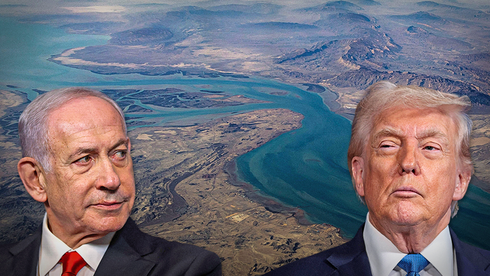
Israeli involvement triggers broader regional conflagration after Iranian attacks on Israeli territory in late July 2026. Major Israeli airstrikes on Iranian nuclear facilities prompt direct Iranian attacks against Israeli population centres, drawing in Hezbollah and other Iran-aligned forces. Gulf states formally join US-led coalition, expanding the conflict to multiple fronts by September 2026 with significantly higher casualties and widespread regional economic collapse.
Recommendations
- Monitor Iranian Revolutionary Guard statements for indications of targeting priorities beyond US military facilities, particularly Israeli or commercial shipping interests
- Track daily vessel traffic through the Strait of Hormuz using maritime data platforms to assess shipping corridor viability and economic impacts
- Analyse diplomatic communications from Oman and Qatar as potential early indicators of renewed negotiation channels
- Prioritise assessment of Israeli security cabinet discussions for signs of intent to expand military engagement despite official posture of high alert
Confidence & uncertainty
The assessment confidence is low due to significant contradictions in claim dates regarding casualty reports and the precise sequence of military operations, with some sources referencing 2023 dates within the July 2-9, 2026 timeframe. Several key diplomatic statements have minor variations in wording across different major media sources, though core meaning remains consistent. The casualty figures from Iranian sources show some overlap but differ in specific dates and attribution (Health Ministry vs individual reports). The overall military narrative is well-corroborated by multiple sources, but the contradictions in date specificity create uncertainty about the exact chronology of specific operations.
Cited sources
[1] Los Angeles Times · U.S. and Iran exchange more attacks across the Mideast, threatening ceasefire deal - Los Angeles Times (A) · sha256:2a72321f58f1 [2] cbsnews.com · U.S., Iran trade more strikes after Trump says ceasefire is "over" (A) · sha256:acce8219b908 [3] foxnews.com · With US unleashing attacks, Iranian official threatens that the Islamic Republic will deliver a 'hard slap' (B) · sha256:f2252c693029 [4] Los Angeles Times · Iran ceasefire is 'over,' Trump says, and orders additional strikes - Los Angeles Times (A) · sha256:1ad6a6524b46 [5] theguardian.com · US and Iran threaten return to war after fiercest exchange of fire since truce (A) · sha256:678fe972862d [6] military.com · US and Iran Exchange Intensifying Fire Across the Gulf, Threatening the Interim Deal to End War (B) · sha256:294c5b79b00f [7] USA Today · Trump says Iran ceasefire is 'over.' Are more strikes coming? (A) · sha256:afd165967327 [8] Wikipedia · 2026 Iran war (B) · sha256:c61d1ccd311e [9] News18 Urdu · US vs Iran War LIVE: Trump Ends Ceasefire, Launches New Airstrikes As Iran Retaliates | Gulf | N18G (B) · sha256:ef6dded39a23 [10] ynetnews.com · Israel braces for renewed Iran fighting as Netanyahu, Katz cancel military ceremony (B) · sha256:37118a6b247a [11] theguardian.com · Middle East crisis live: Tehran launches more strikes as Israel warns it is ready to strike Iran again ‘with even greater force’ (A) · sha256:c11fb2df8e6f [12] Atlantic Council · A network of corridors is the only reliable hedge against Middle East chokepoint disruptions (C) · sha256:ed6453550f3a
Source content hashes were computed at collection time; the cited text is preserved unmodified for the life of this product.
TLP:CLEAR