TLP:CLEAR · Disclosure is not limited.
Escalating US-Iran Conflict Following Missile Strikes on Kuwait and Bahrain
Time window: Last 7 days · Audience: General analyst · Type: Situation report · DTG: 2026-06-28 12:21Z · Overall confidence: HIGH
BLUF
Iran conducted missile and drone attacks on US military installations in Kuwait and Bahrain on 28 June 2026, marking a significant escalation after US strikes on Iranian targets the previous day and violating the recent Islamabad Memorandum ceasefire agreement.
Executive summary
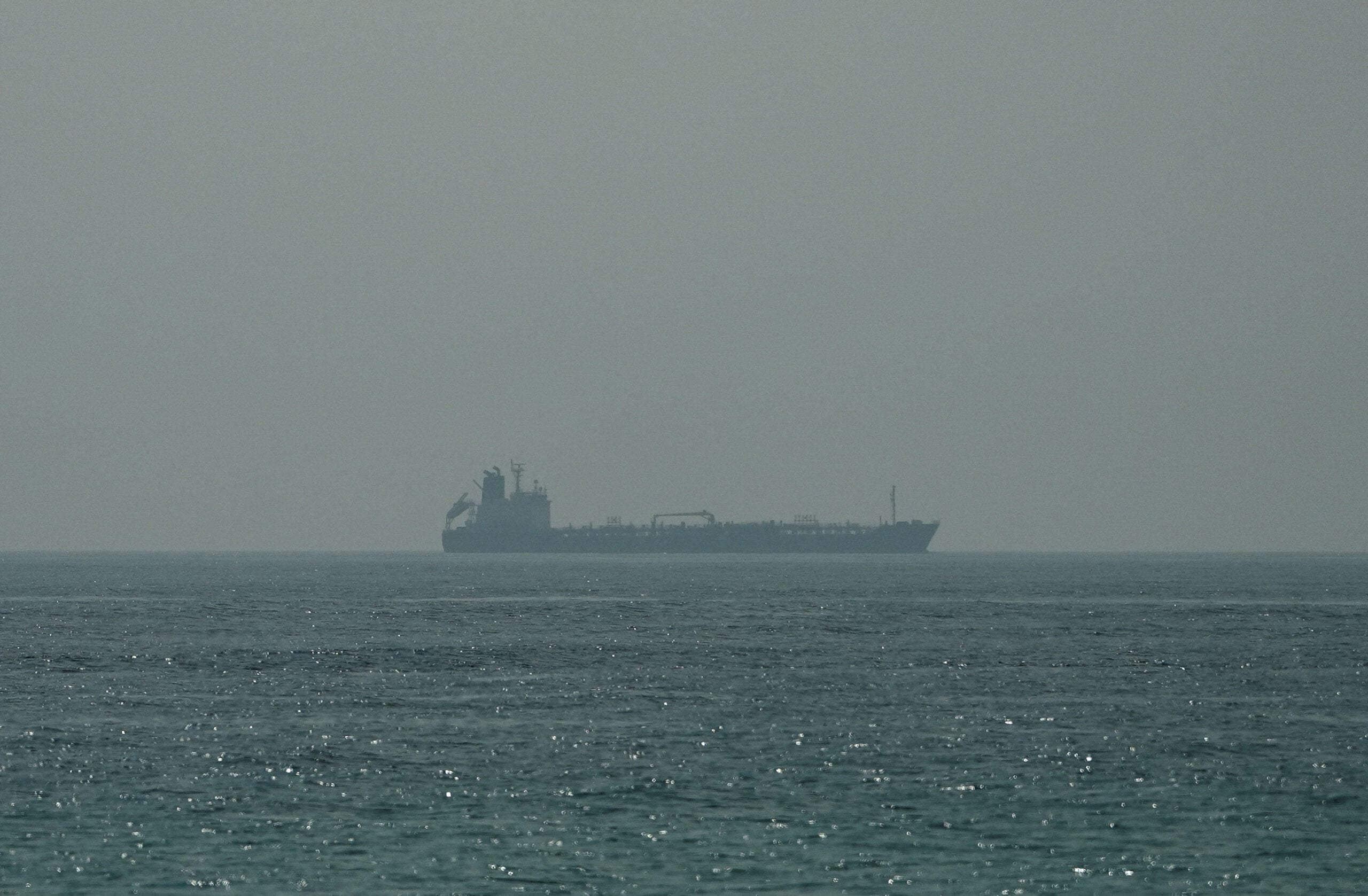
The Middle East region faces heightened risk of wider conflict following Iranian missile and drone strikes against US military sites in Kuwait and Bahrain on 28 June 2026. This represents a direct breach of the Islamabad Memorandum signed on 17 June 2026. US Central Command conducted retaliatory strikes on Iranian military targets near the Strait of Hormuz. Multiple Gulf states including Oman and Sweden have condemned the attacks while regional oil traffic through Hormuz remains substantially impaired due to mine threats.
Key judgments
- Iran conducted missile and drone attacks on US military installations in Kuwait and Bahrain on 28 June 2026. (Confidence: high · REPORTED)
- I&W: Iranian state media broadcasts new footage of specific targeting locations at Ali Al Salem Air Base or US Fifth Fleet headquarters (0-14 days)
- I&W: US Department of Defense releases damage assessments confirming equipment or infrastructure impacts (1-3 months)
- US Central Command conducted retaliatory strikes against 10 Iranian military targets on 28 June 2026 in direct response to Iranian attacks on US sites in the Gulf. (Confidence: high · REPORTED)
- I&W: Iranian authorities report casualties or damage at Bandar-e Lengeh or Qeshm Island naval facilities (0-14 days)
- I&W: Commercial satellite imagery shows physical impacts at claimed strike locations (1-3 months)
- Iranian actions constitute a direct violation of the Islamabad Memorandum signed on 17 June 2026, effectively terminating the ceasefire framework despite Gulf states' efforts to mediate the agreement. (Confidence: high · ASSESSED)
- I&W: Oman or Qatar announces cancellation of planned diplomatic reconciliation meetings (0-14 days)
- I&W: GCC countries formally suspend implementation of Memorandum terms (1-3 months)
- Continued Iranian threats to commercial shipping in the Strait of Hormuz will prolong regional economic disruption, keeping oil traffic below 75% of pre-war levels through at least September 2026. (Confidence: medium · ASSESSED)
- I&W: Daily vessel traffic through Hormuz remains below 100 transits per day (1-3 months)
- I&W: Brent crude price exceeds 120 US dollars per barrel due to sustained supply concerns (1-3 months)
- Oman is under significant pressure to modify Strait of Hormuz traffic protocols, risking the emergence of a toll system despite previous US-GCC opposition. (Confidence: medium · ASSESSED)
- I&W: Omani authorities announce new mandatory pilotage requirements for vessel transits (0-14 days)
- I&W: Commercial shipping lines report new payment procedures to Omani authorities prior to transit (1-3 months)
Outlook & scenarios
Controlled De-escalation (35%)
US-led diplomatic efforts broker a revised ceasefire within two weeks, with Oman facilitating renewed talks. Iran agrees to stand down attacks in exchange for US commitment to uphold earlier security guarantees. Commercial traffic through Hormuz gradually increases to 90% of pre-war levels by September, though mine-clearance operations continue. Both sides maintain defensive postures but avoid offensive actions through November elections.
Sustained Regional Instability (50%)
Cyclical attacks and counterstrikes continue at moderate intensity through October 2026, with Iran conducting periodic missile and drone strikes against Gulf bases while US forces respond with limited strikes on coastal radar and missile sites. Shipping traffic through Hormuz stabilises at 70-80% of pre-war capacity with increased naval escorts. Saudi Arabia and UAE accelerate indigenous military industrial capacity while GCC states implement phased oil export diversification strategies by November.
Full-Scale Regional Conflict (10%)
Iranian strikes on 28 June trigger wider conflict after US attacks cause disproportionate damage to critical infrastructure. Iran blocks Hormuz completely with mines and coastal defences, prompting coalition mine-clearance operations that escalate into naval engagements. Israel joins hostilities with strikes against Iranian nuclear facilities. Global oil prices surpass 200 US dollars per barrel by August, triggering worldwide recession. NATO activates Article 5 contingencies for Gulf states under attack.
Domestic Political Shift (5%)
Iranian regime faces significant internal pressure following failed military operations and economic damage from renewed sanctions. Protests escalate in major cities during July, forcing leadership to seek immediate de-escalation. Oman mediates direct talks resulting in complete ceasefire by mid-August. US secures withdrawal of Iranian proxies from strategic areas while Iran agrees to limited International Atomic Energy Agency monitoring. Regional oil traffic returns to pre-war levels within six weeks.
Recommendations
- Monitor commercial vessel tracking data to identify deviations from traditional Hormuz transit routes, which would indicate evolving threat perceptions by shipping operators
- Track daily changes in US Central Command's Joint Maritime Information Center threat level advisories as early indicators of stability trends in critical maritime corridors
- Analyse social media content from Iranian cities to detect shifts in public sentiment following military engagements, particularly related to economic impacts
- Cross-reference satellite imagery of known Iranian military facilities with reported strike locations to verify damage assessments
- Maintain close attention to Omani diplomatic engagements with European partners for indicators of potential transit fee implementation
Confidence & uncertainty
Overall confidence is high due to multiple corroborating sources including official US defence statements, Iranian state media reports, international organisation assessments, and commercial shipping data. The main uncertainties involve precise damage assessments from strikes and Iranian leadership motivations following the attacks. While most claims originate from major media outlets, they align with government and multilateral sources across different geographic regions, creating a coherent picture of events.
Cited sources
[1] dw.com · إيران وأمريكا تواصلان تصعيد الهجمات وتبادل الاتهامات (B) · sha256:253544b8f5e8 [2] ynetnews.com · Iran's IRGC launches missile, drone strikes on US military sites in Kuwait, Bahrain after US attacks (B) · sha256:087281892da1 [3] jpost.com · Bahrain condemns Iran's 'systematic pattern of aggression,' calls on UN to hold Tehran accountable (B) · sha256:3af9a2203838 [4] gcaptain.com · US Carries Out Fresh Strikes Against Iran After Tanker Struck In Hormuz, Escalating Hostilities (B) · sha256:d0a1e8160079 [5] gcaptain.com · Saudi Arabia Is Ramping Up Oil Exports As Gulf Ports Restart (B) · sha256:ff1c09b9431d [6] Atlantic Council · What the US-Iran deal means for the rest of the Middle East (and beyond) (C) · sha256:5f93318fe142 [7] Wikipedia · 2025–2026 Iran–United States negotiations (B) · sha256:f6eef088b0ac [8] gcaptain.com · Tanker Struck In Hormuz As Navies Raise Threat Level To Ships (A) · sha256:c73f73118763 [9] gcaptain.com · IMO Estimates There Are 80 Mines in Hormuz’s Shipping Lanes (B) · sha256:c276411fe240 [10] Nate "Vandal" Mercer · Hormuz Strikes Resume: Iran-Gulf Escalation Update (B) · sha256:9fe482ab43fe [11] gcaptain.com · Oman Tells Allies Ships Going Through Hormuz May Have to Pay (B) · sha256:32d104d67ec4 [12] gcaptain.com · Coast Guard Taps Commercial Supply Vessel to Keep Cutters on Station Longer (B) · sha256:4666beeb6709
Source content hashes were computed at collection time; the cited text is preserved unmodified for the life of this product.
TLP:CLEAR