TLP:CLEAR · Disclosure is not limited.
Escalating US-Iran Conflict: Major Military Strikes Continue Amid Collapsed Ceasefire
Time window: Last 7 days · Audience: General analyst · Type: Situation report · DTG: 2026-07-16 18:16Z · Overall confidence: MEDIUM
BLUF
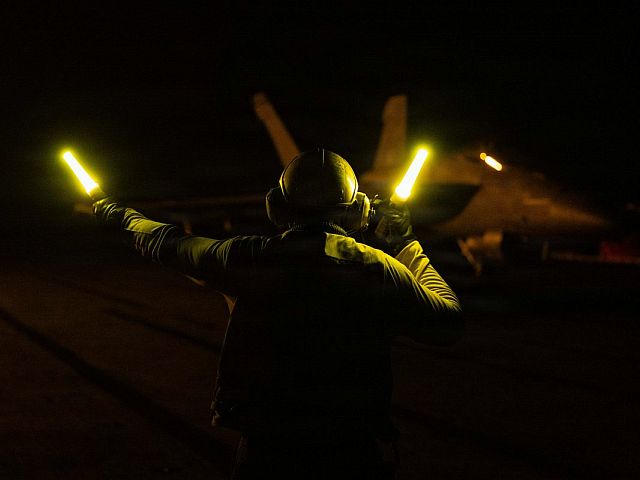
The US and Iran have escalated military strikes across the Middle East since 10 July 2026, following the collapse of an interim ceasefire after attacks on both sides. Iran retaliated against US allies in Bahrain, Jordan and Kuwait while US forces conducted a fifth wave of strikes on 14 July. Over 15,000 Indian seafarers remain stranded west of the Strait of Hormuz as regional energy markets face disruption.
Executive summary
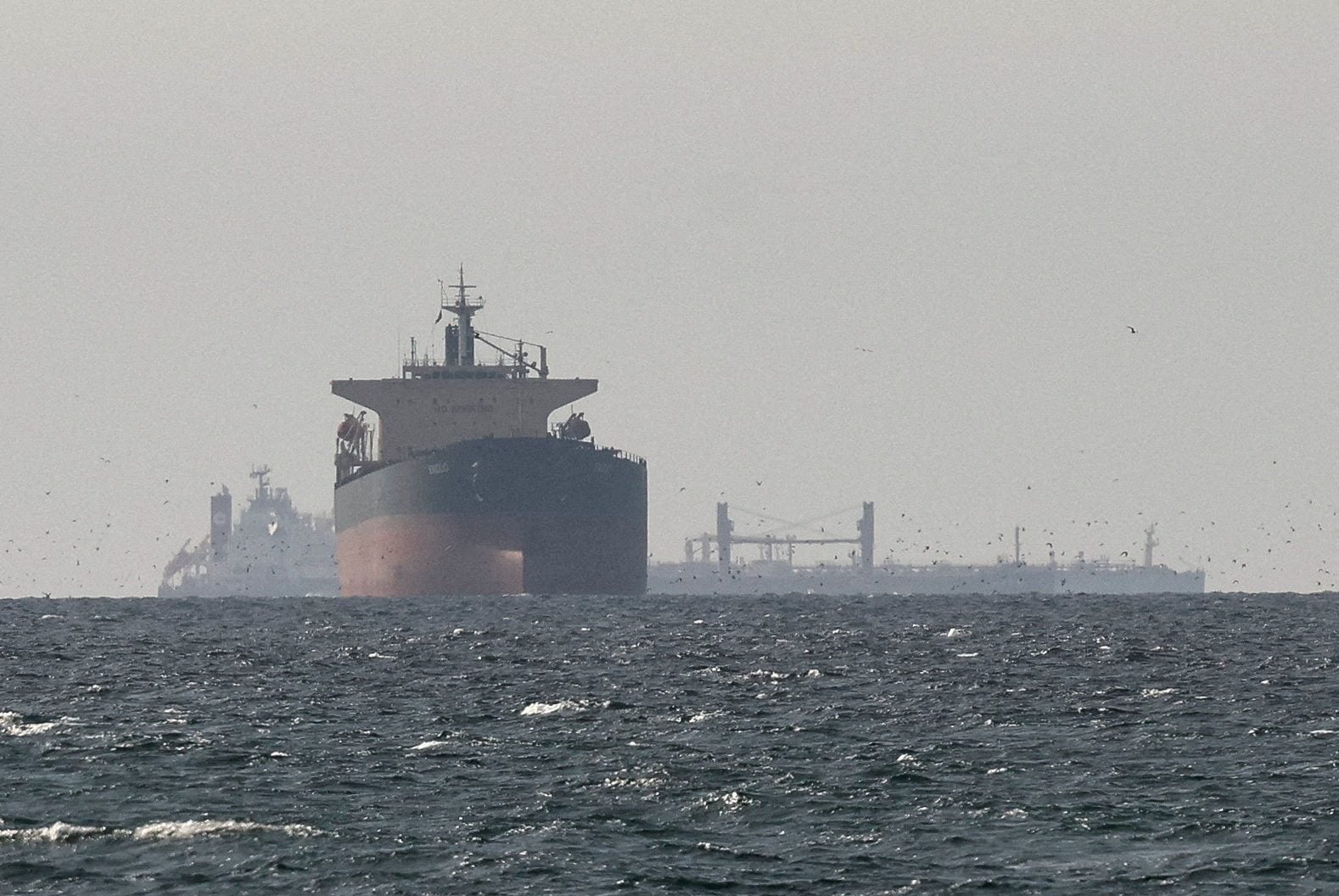
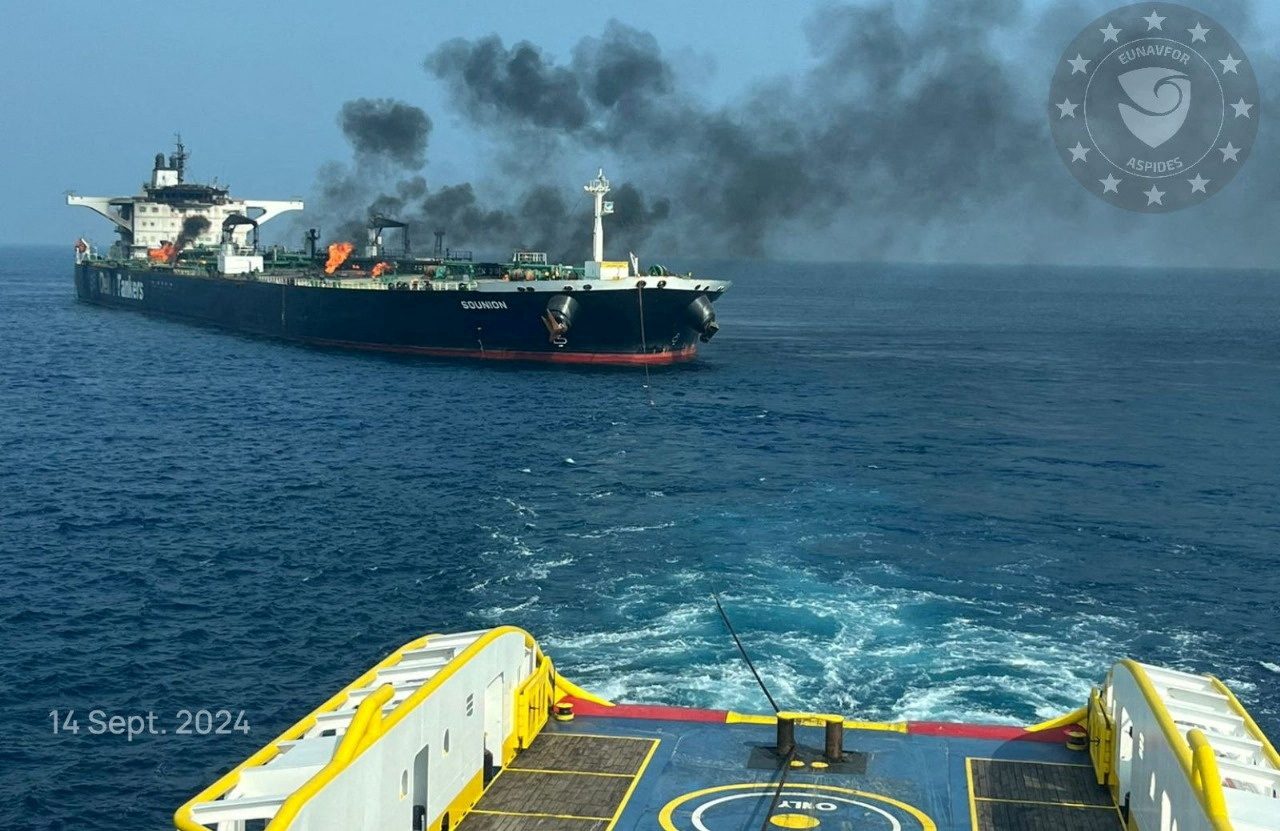
US and Iran exchanged multiple rounds of military strikes between 10-16 July 2026 after an interim ceasefire collapsed on 8 July. US Central Command initiated strikes targeting 90 Iranian military sites on 10 July, drawing Iranian retaliation against US bases in Bahrain, Jordan and Kuwait. The conflict entered a new phase of intense escalation with US conducting a fifth consecutive wave of strikes by 14 July, including disabling a Curacao-flagged oil tanker near Iran's main export terminal on 16 July. The humanitarian impact includes 14 reported killed and 78 wounded in Iran, one wounded in Kuwait, and over 15,000 Indian seafarers stranded west of the Strait of Hormuz. Regional energy routes remain vulnerable as Saudi Arabia diverted exports and Iran has warned it may extend disruption from the Strait of Hormuz to the Red Sea.
Key judgments
- The US and Iran have entered a significant escalation phase following the collapse of an interim ceasefire on 8 July 2026, with US forces conducting five consecutive waves of strikes on Iranian targets and US allies between 10-16 July 2026. (Confidence: high · REPORTED)
- I&W: Additional US military bases in Jordan, Kuwait or Bahrain come under attack (0-14 days)
- I&W: CENTCOM announces cessation of strikes against Iranian territory (0-14 days)
- Iranian military actions against the United States have expanded beyond direct strikes to include targeting of maritime shipping through proxy forces, with recent attacks on Indian-seafarer crewed vessels in the Strait of Hormuz. (Confidence: high · ASSESSED)
- I&W: Further attacks reported against vessels carrying Indian seafarers (0-14 days)
- I&W: Iran officially announces closure of Strait of Hormuz to commercial shipping (1-3 months)
- The humanitarian impact of the conflict has resulted in at least 14 killed and 78 wounded in Iran according to Iranian Health Ministry reports, one wounded person in Kuwait from falling debris, and displacement of over 15,000 Indian seafarers stranded west of the Strait of Hormuz. (Confidence: high · REPORTED)
- I&W: Iranian Health Ministry updates casualty figures above 20 killed (0-7 days)
- I&W: Further attacks on vessels result in additional seafarer casualties (0-7 days)
- Iran is determined to maintain strategic control over the Strait of Hormuz and has warned that it may expand disruption from this chokepoint to the Red Sea route if US military pressure continues. (Confidence: medium · ASSESSED)
- I&W: Iranian Revolutionary Guard officials publicly state plans to close Red Sea shipping routes (0-14 days)
- I&W: Houthi forces in Yemen conduct attacks specifically targeting Red Sea shipping lanes (1-3 months)
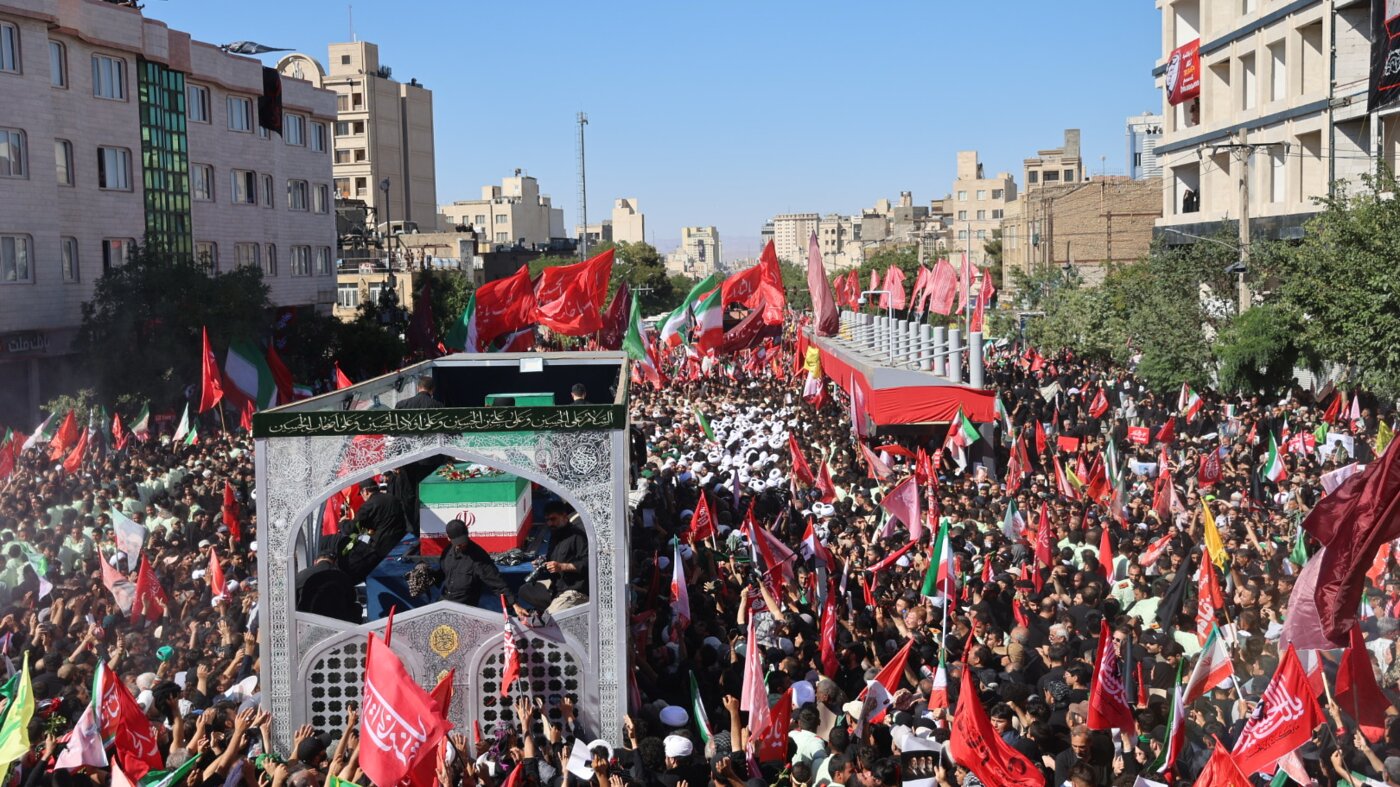
- The collapse of ceasefire negotiations following Supreme Leader Khamenei's death has eliminated immediate diplomatic pathways for de-escalation as both sides remain locked in a blame game about responsibility for broken agreements. (Confidence: high · ASSESSED)
- I&W: US or Iranian officials announce resumption of bilateral negotiations (0-30 days)
- I&W: Trump or other senior US officials make significant derogatory statements about Iran's leadership (0-7 days)
Outlook & scenarios
Sustained Escalation (55%)
US-Iran military exchanges intensify without strategic breakthrough, maintaining daily strike patterns through August. Iran expands operations against commercial shipping with Houthi support, prompting further US strikes against Iranian Revolutionary Guard infrastructure. Kuwaiti and Saudi air-defence systems prove effective against incoming missiles, limiting casualties but not preventing economic disruption. Brent crude reaches $100 a barrel as shipping insurance costs quadruple, with the Strait of Hormuz remaining the critical flashpoint.
Diplomatic Breakthrough (25%)
Regional diplomatic channels led by Oman and Qatar broker an immediate temporary halt to military operations by late July. Secret backchannel communications reveal Iran's willingness to accept limitations on Revolutionary Guard operations in exchange for US security guarantees. The US announces limited sanctions relief for humanitarian purposes, while Iran agrees to stop all proxy attacks on shipping. However, underlying structural conflicts remain unresolved, creating potential for renewed escalation in 60-90 days.
Wider Regional Conflict (15%)
Iranian Revolutionary Guard attacks accidentally kill multiple US military personnel on Jordanian bases, triggering disproportionate US retaliation against Iranian nuclear facilities. Turkey activates NATO Article 4 in response to cross-border spillover, while Saudi Arabia and UAE coordinate military actions against Iranian targets in Yemen. Hezbollah initiates large-scale rocket attacks against northern Israel, drawing Israeli military response against Iranian sites in Syria. The Strait of Hormuz closure forces Middle Eastern oil exports through the Red Sea, overwhelming regional infrastructure capacity.
Internal Instability (5%)
Iranian domestic protests against military adventurism intensify following higher civilian casualties from US strikes, with demonstrations spreading from Tehran to major oil-producing regions. Revolutionary Guard units fracture between hardline commanders and more pragmatic elements, creating conditions for a temporary ceasefire. US forces maintain pressure but avoid striking civilian infrastructure to prevent humanitarian crisis. Saudi Arabia and UAE quietly fund opposition groups within Iran while positioning themselves as potential mediators. Iran's oil production drops by 30 percent within 45 days.
Recommendations
- Increase maritime patrol assets in the Gulf of Oman to protect commercial shipping and verify compliance with expanded US naval blockade measures
- Coordinate with Indian authorities to establish emergency evacuation protocols for the 15,000 stranded seafarers west of the Strait of Hormuz
- Direct CENTCOM to maintain detailed damage assessment records of each strike for possible war crimes documentation and future negotiations
- Activate emergency energy reserve coordination with European partners to prepare for Brent crude volatility exceeding $100 per barrel
- Position diplomatic envoys in Oman to maintain communication channels with Iranian representatives during the escalation phase
Confidence & uncertainty
Overall confidence is assessed as medium due to multiple independent high-reliability sources corroborating key military exchanges. The major media (BBC, AP) and official government sources provide consistent accounts of strike dates, locations and casualties. However, some casualty figures show moderate discrepancies between Iranian and Western reporting, and certain strategic assessments rely on limited source types. Conflicting dating of ceasefire collapse (8 versus 10 July) represents a minor unresolved point affecting precise chronology but not the overall pattern of escalating hostilities.
Alternative analysis (red cell)
Disruption to Strait of Hormuz shipping cannot be attributed to Iranian proxies based on current evidence; the stranded seafarers likely reflect broad regional insecurity rather than targeted Iranian action. Similarly, negotiations collapsed due to the July 8 ceasefire breakdown and retaliatory strikes, not Khamenei's death which occurred amid pre-existing diplomatic failure.
Cited sources
[1] newsru.co.il · Пятая ночь военного противостояния США и Ирана: список атакованных целей - NEWSru.co.il (B) · sha256:ef6b1fc27b0c [2] Associated Press · US expands attacks on Iran, which calls Strait of Hormuz a 'red line' as it retaliates (A) · sha256:88b41ce9c0f3 [3] Wikipedia · 2026 Iran war (B) · sha256:4a1ca6dbf8f1 [4] UALR Public Radio · U.S. and Iran exchange intensifying fire across Mideast, threatening ceasefire deal (A) · sha256:ed61d83f57af [5] wkms.org · U.S. and Iran exchange intensifying fire across Mideast, threatening ceasefire deal (A) · sha256:c66a99211b36 [6] gcaptain.com · India Ask Its Seafarers Not to Take Hormuz Voyages (A) · sha256:ca5c77726721 [7] India Today Global · U.S. Strikes Iran Around Strait of Hormuz as Tehran Retaliates Across Gulf Nations Amid Escalation (B) · sha256:bedbedbf7637 [8] npr.org · U.S. and Iran exchange intensifying fire across Mideast, threatening ceasefire deal (A) · sha256:29a32e92c50d [9] Wikipedia · Hezbollah–Israel conflict (2023–present) (B) · sha256:1c118fd6a421 [10] gcaptain.com · Iran Tells Houthis to Close Red Sea Gateway if U.S. Hits Power Network (A) · sha256:0c7e68b5a769 [11] gcaptain.com · After Hormuz, Here's Why the Red Sea Is Now the World's Most Vulnerable Shipping Route (A) · sha256:d2cbc4b9542e [12] aljazeera.net · الحسم العسكري مستبعد. حرب إيران تدخل مرحلة الاستنزاف ولا تسوية في الأفق (A) · sha256:5c4179ab3d0c [13] Voice of America · Iran Continues to Be a Menace to the Region (B) · sha256:225cd068e70c
Source content hashes were computed at collection time; the cited text is preserved unmodified for the life of this product.
Red cell review: PARTIAL DISSENT — KJ-4 downgraded HIGH→MEDIUM (estimative_mismatch)
TLP:CLEAR