TLP:CLEAR · Disclosure is not limited.
Escalation in US-Iran Hostilities After Strikes Reach Tehran
Time window: Last 1 day · Audience: General analyst · Type: Situation report · DTG: 2026-07-16 16:44Z · Overall confidence: LOW
BLUF
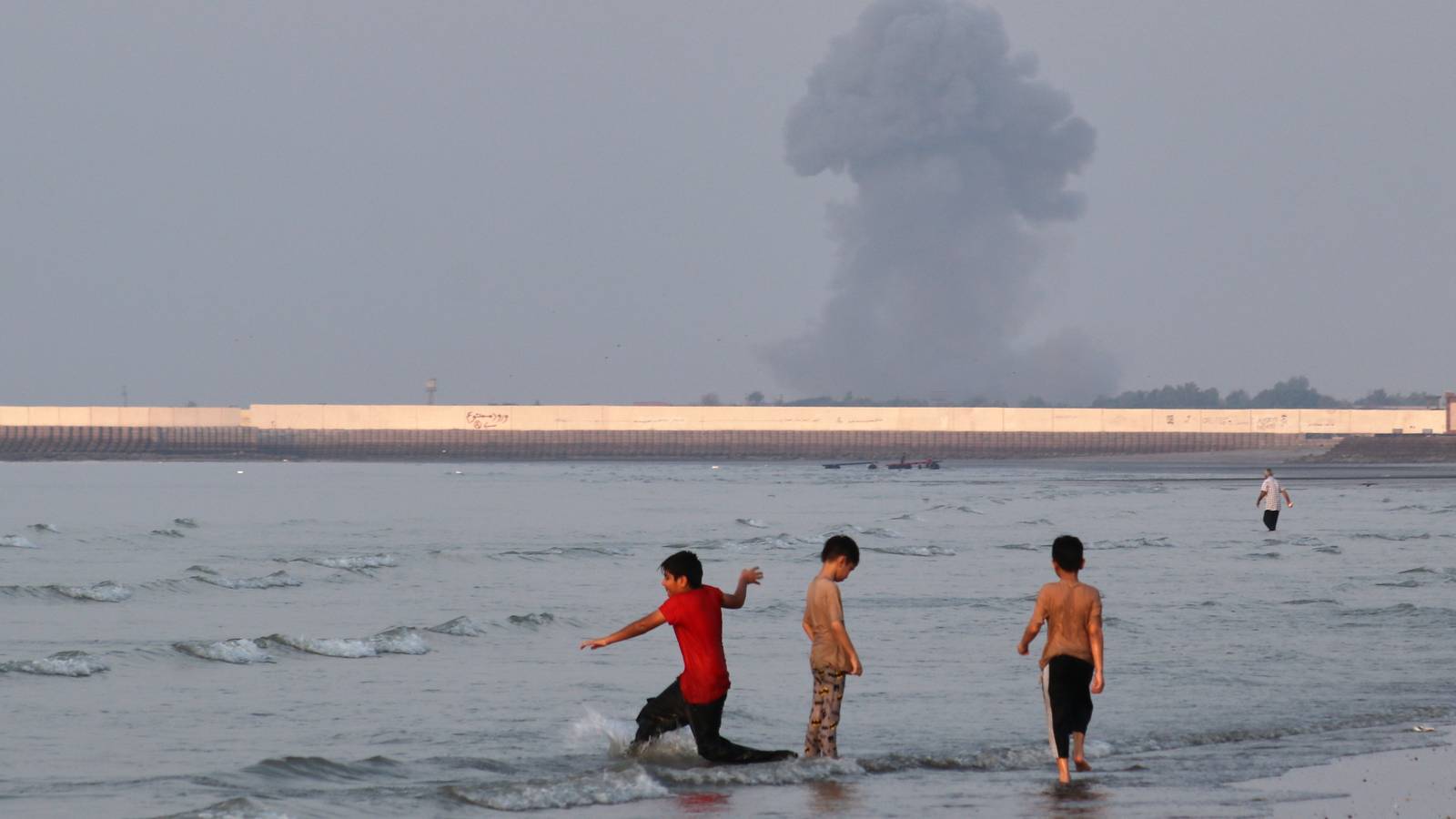
United States military operations have expanded to areas surrounding Tehran for the first time as Iranian retaliatory missile and drone attacks hit Bahrain, Jordan, and Kuwait on 16 July 2026. United Nations Secretary-General António Guterres warns return to full-scale hostilities would have catastrophic consequences. Overall confidence in current assessment remains low due to contradictory reporting on key event dates and military actions.
Executive summary
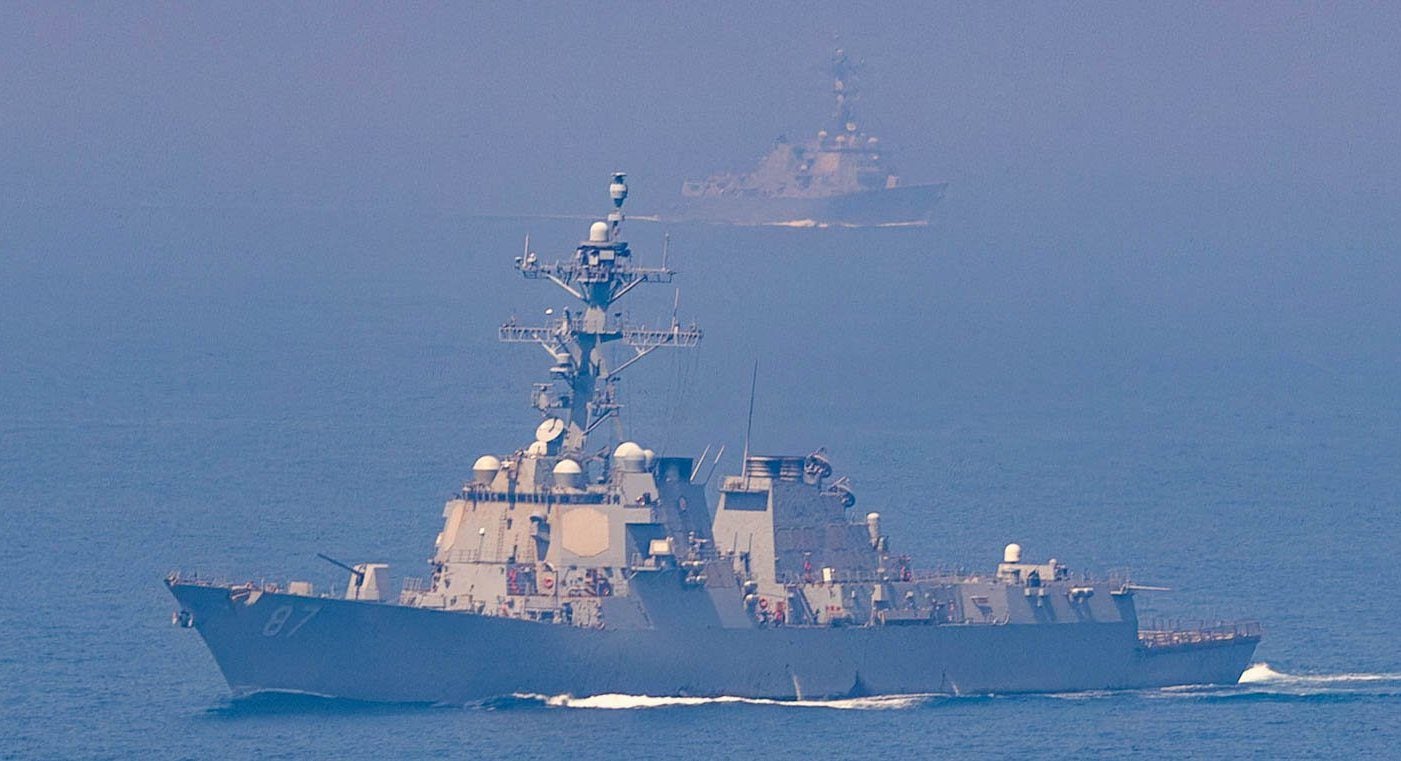
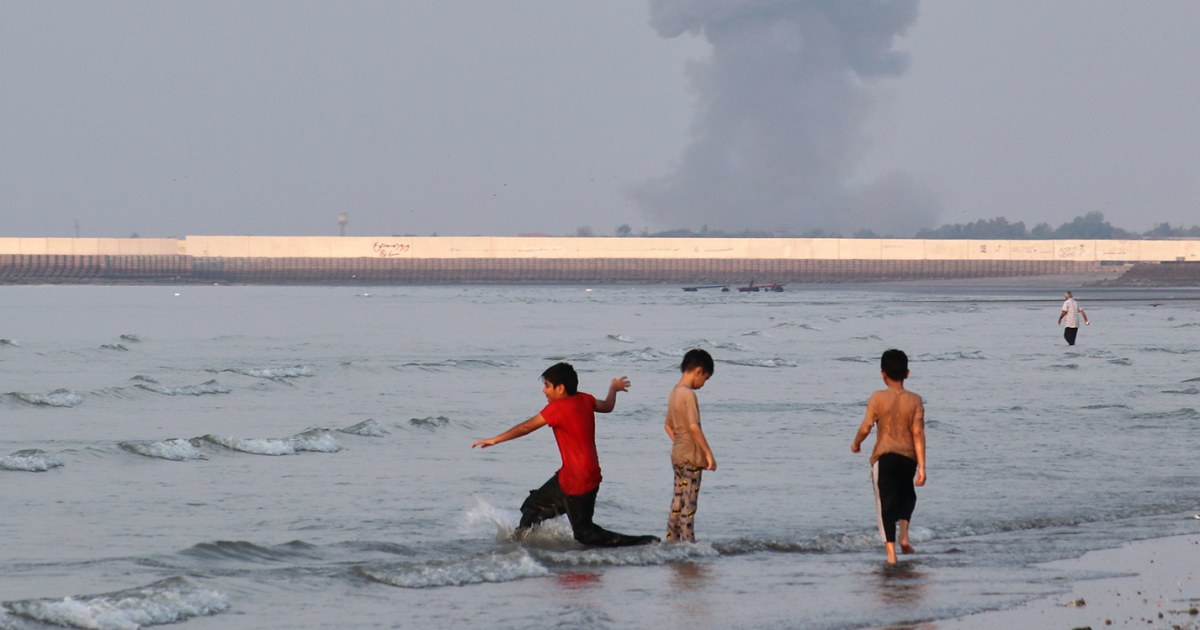
United States military strikes reached areas around Tehran on 16 July 2026, crossing a geographical threshold not previously breached in this escalation cycle. Iran responded with missile and drone attacks against United States forces in Bahrain, Jordan, and Kuwait. Iranian authorities report at least 35 killed and over 300 wounded from United States airstrikes. Secretary-General António Guterres issued urgent calls for de-escalation amid 11 percent weekly increase in Brent crude prices to approximately $84.50 per barrel. The situation shows no signs of abating with conflicting accounts of key military actions complicating accurate assessment.
Change from previous assessment
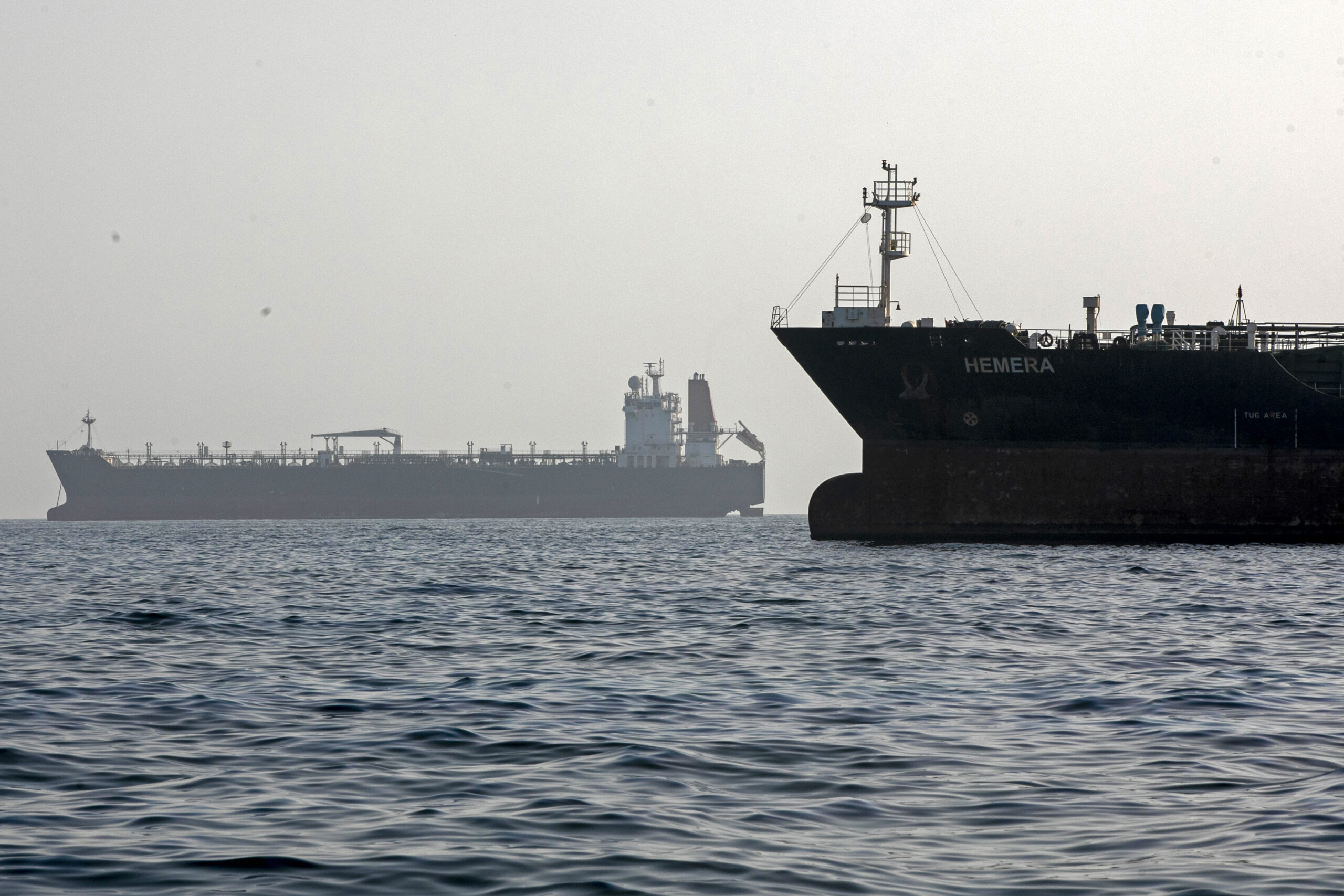
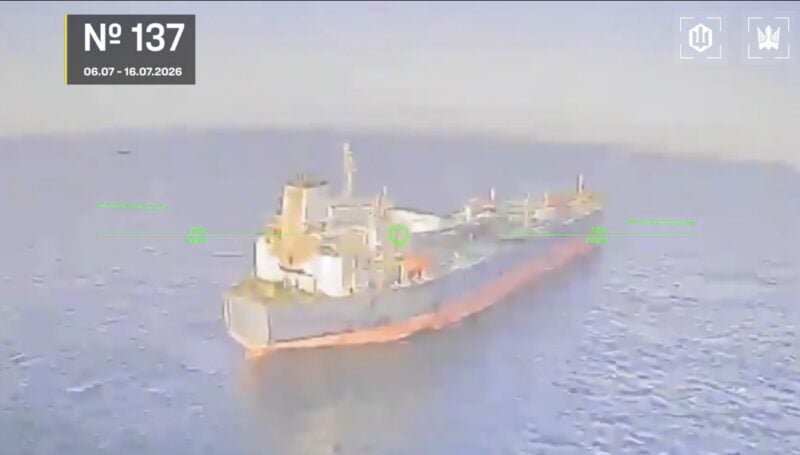
New developments since prior brief include United States strikes reaching Tehran for first time, Iranian missile and drone attacks against United States facilities in Bahrain, Jordan, and Kuwait, and confirmed United States disablement of supertanker near Kharg Island. While prior brief accurately assessed U.S. naval blockade reimposition and initial Iranian retaliation, confidence in understanding escalation trajectory remains low due to contradictory reporting on operational details and timelines. Casualty reports from Iranian authorities now provide specific figures whereas prior brief only mentioned 'significant humanitarian concerns' without quantification.
Key judgments
- The United States has expanded its military operations to include areas surrounding Tehran for the first time in this escalation cycle as of 16 July 2026. (Confidence: high · REPORTED)
- I&W: Confirmation through imagery or Iranian military reporting of United States strike damage within 50 kilometres of Tehran (0-14 days)
- I&W: Official statement from United States Central Command acknowledging direct targeting of Tehran-area facilities (0-14 days)
- Iran has conducted missile and drone attacks against United States military facilities in Bahrain, Jordan, and Kuwait as of 16 July 2026. (Confidence: high · REPORTED)
- I&W: Confirmation from Bahraini, Jordanian, or Kuwaiti military authorities of specific intercepted Iranian missiles with matching launch signatures (0-14 days)
- I&W: Commercial satellite imagery showing damage to United States facilities in all three locations (0-14 days)
- Iranian authorities report United States military actions have killed at least 35 people and wounded over 300 others as of 16 July 2026. (Confidence: medium · REPORTED)
- I&W: Independent verification of casualty numbers through hospital records or international organisations (1-3 months)
- I&W: Contradictory casualty figures from non-Iranian verified sources within affected regions (0-14 days)
- United Nations Secretary-General António Guterres has issued urgent calls for de-escalation, warning that a return to full-scale hostilities would have catastrophic consequences for international peace and security. (Confidence: high · REPORTED)
- I&W: Follow-up United Nations Security Council emergency meeting convened at Guterres' request (0-7 days)
- I&W: Secretary-General issuing specific public warnings about nuclear proliferation risks from escalation (1-3 months)
- Brent crude oil prices have increased approximately 11 percent during the week of 16 July 2026 to around $84.50 per barrel as a result of renewed hostilities. (Confidence: medium · REPORTED)
- I&W: Brent crude futures settling above $87 per barrel for three consecutive trading days (0-14 days)
- I&W: Reduction in weekly crude oil price volatility below five percent (1-3 months)
Outlook & scenarios
Continued Tit-for-Tat Escalation (65%)
United States and Iran continue limited reciprocal strikes over the next 30 days without major infrastructure damage or direct Israel-Iran conflict. United States maintains focus on coercive pressure through naval blockade while avoiding strikes on Iran's nuclear facilities or critical national infrastructure. Iran responds with precise missile and drone attacks against United States-allied military bases. Casualty numbers rise with increasing humanitarian concerns. Oil prices stabilise between $80-85 per barrel as markets adjust to disrupted shipping patterns.
Broadened Regional Conflict (20%)
Iran expands attacks to disrupt critical infrastructure in Saudi Arabia and United Arab Emirates following United States escalation. Houthi forces in Yemen activate pre-positioned capabilities to close Bab el-Mandeb strait per Iranian instruction. Gulf Cooperation Council military coordination falters as Iran successfully targets liquefied natural gas export terminals. Multiple countries begin diverting shipments to the Red Sea. Oil prices surge above $100 per barrel and remain volatile for six months with 20 percent reduction in Gulf energy exports.
Rapid De-escalation Through Diplomatic Intervention (10%)
Secretary-General Guterres brokers emergency talks between Iran and United States within two weeks, facilitated by third-party mediators. Both sides agree to mutual ceasefire and verification mechanisms within 30 days. United States eases naval blockade restrictions while Iran halts all missile and drone operations. Oil prices drop below $75 within one month as commercial shipping returns to pre-escalation patterns through the Strait of Hormuz.
Israeli Direct Military Intervention (5%)
Israel launches unilateral strikes against Iranian nuclear facilities after intelligence assessments suggest United States military response is insufficient. Iran responds with massive missile barrage targeting both United States facilities and Israeli territory directly. Gulf military bases suffer significant damage. Market panic drives oil prices above $130 per barrel. Secretary-General Guterres declares situation 'beyond diplomatic remedy' with United Nations Security Council paralysed by divisions.
Recommendations
- Direct military liaison channels between United States Central Command and Gulf Cooperation Council militaries should be activated immediately to share early warning of Iranian attacks on commercial shipping
- Coordinate with International Maritime Organization to establish alternative routing protocols through the Red Sea for critical energy shipments
- Accelerate implementation of existing contingency plans for strategic petroleum reserve releases should oil prices exceed $95 per barrel for five consecutive trading days
- Dispatch neutral humanitarian assessment teams to areas affected by reported United States strikes to independently verify casualty figures
Confidence & uncertainty
Confidence is assessed as low due to multiple contradictions across reliable sources, particularly regarding dates of specific military actions. Sources conflict on whether United States reimposed naval blockade on July 14 or 15, and on exact dates of specific strike operations against Kharg Island. Several key casualty reports lack independent corroboration despite high-confidence source ratings, suggesting deliberate ambiguity in reporting. Contradictions between major media outlets operating in the same language space further erode confidence in specific battlefield details. Thin reporting on Iranian decision-making processes compounds assessment challenges.
Alternative analysis (red cell)
Brent crude oil prices rose approximately 11 percent during the week of 16 July 2026, but available evidence indicates this movement likely stemmed from confluence of factors including U.S. naval blockades and market skepticism about peace negotiations. Renewed hostilities alone cannot be isolated as the primary cause without more granular market analysis linking price spikes to specific military events.
Intelligence gaps
- [EEI 1.1 · UNCOVERED] Movement, dispersal, or emplacement of Iranian conventional or IRGC heavy assets (ballistic missile launchers, Khoramshahr/Toofan-class missile transporters, ground-to-ground TELs, air defense batteries, amphibious units) from garrison areas toward forward bases or coastal launch sites. Recommended collection: satellite/IMINT
- [EEI 1.2 · UNCOVERED] Authenticated Iranian military orders, NSC/IRGC operations directives, or senior leadership statements explicitly directing strikes against Israel or U.S. forces or authorizing cross-border operations. Recommended collection: human/diplomatic
- [EEI 1.3 · UNCOVERED] Changes in Israeli and U.S. force posture indicating anticipation of direct large-scale conflict—elevated readiness levels, mobilization notices, pre-positioning of munitions, or public/private orders to prepare offensive strikes. Recommended collection: open-source/diplomatic
- [EEI 2.1 · UNCOVERED] Observable pre-launch preparations for missile/rocket/cruise missile strikes (fueling, warhead mating, launcher orientation, support vehicle congregation) and abnormal munitions handling at known launch sites. Recommended collection: satellite/IMINT
- [EEI 2.2 · UNCOVERED] Indications of proxy arms shipments and weapons transfers (truck convoys, small boat transfers, container movements from Iran to proxies, new stockpiles in Lebanon, Iraq, Yemen, Syria). Recommended collection: maritime/AIS
- [EEI 2.3 · UNCOVERED] Evidence of cyber attack planning or active exploitation campaigns targeting Israeli or U.S. military/critical infrastructure (emergence of new command-and-control servers, spear-phishing campaigns against defense personnel, successful intrusions). Recommended collection: cyber
- [EEI 3.1 · UNCOVERED] Movements and posture changes of U.S. regional platforms (carrier strike groups, amphibious ready groups, B-52/B-1/B-2 or fighter deployments, missile defense assets repositioning) and associated armament loadouts. Recommended collection: satellite/IMINT
- [EEI 3.2 · UNCOVERED] Official or leaked U.S. government/diplomatic communications indicating thresholds for strikes, authorization for offensive operations, or limits on action (NSC/DoD statements, congressional notifications, diplomatic notes). Recommended collection: diplomatic/human
- [EEI 3.3 · UNCOVERED] Changes in U.S. base force-protection measures and rules of engagement at regional facilities (base lockdowns, evacuation notices, flight restrictions, activation of Local Defense Forces or missile intercept systems). Recommended collection: open-source/local reporting
- [EEI 4.1 · UNCOVERED] Hezbollah-specific indicators: convoys and logistics movements toward Lebanon–Israel border, artillery/rocket emplacement in southern Lebanon, documented strikes-preparation activity, public mobilization orders or recruitment drives. Recommended collection: satellite/IMINT
- [EEI 4.2 · UNCOVERED] Houthi-attributed maritime attack indicators: AIS anomalies/loss of contact for commercial vessels, reports of missile/drone strikes or near-miss incidents in Bab al-Mandeb/Red Sea, Houthi claims paired with imagery of weapons launches. Recommended collection: maritime/AIS
- [EEI 4.3 · UNCOVERED] Militia cross-border attack evidence from Iraq/Syria: recorded rocket/mortar launch events into Israel or strikes against U.S. facilities, movement of armed convoys toward border areas, and intercepted communications coordinating cross-border operations. Recommended collection: signals/ELINT
- [EEI 4.4 · UNCOVERED] Attacks or credible threats against energy infrastructure and shipping (damage to terminals, pipeline sabotage, oil tanker seizures, war-risk insurance premium spikes for regional routes). Recommended collection: financial/open-source
Cited sources
[1] military.com · US Expands Strikes into Northern Iran and Disables Ship Trying to Run Blockade (A) · sha256:d163948467de [2] haaretz.com · U.S. strikes around Tehran for first time since Trump declared end of cease-fire (A) · sha256:b6a82928d6d4 [3] Los Angeles Times · U.S. expands strikes into northern Iran and disables ship trying to run blockade - Los Angeles Times (A) · sha256:06d5b0bf974d [4] insurancejournal.com · Iran, US Step Up Attacks, Though Release of American May Signal Path to Climbdown (A) · sha256:185edfc6c57e [5] Los Angeles Times · U.S. reimposes blockade and steps up strikes as Iran threatens to halt Mideast energy exports - Los Angeles Times (A) · sha256:5938aa02099d [6] gcaptain.com · Ukraine Says Drone Campaign Has Hit 147 Russian-Linked Vessels in 11 Days (B) · sha256:ebf180680392 [7] maritime-executive.com · Video: U.S. Disables Iran-Linked Tanker With Hellfire Missiles (A) · sha256:2f66b8a1d0e9 [8] The Guardian · Iran reports fresh strikes near Qeshm Island and accuses US over ‘barbaric’ hospital attack – Middle East crisis live (A) · sha256:74d581469074 [9] NBC News · U.S. expands strikes into northern Iran and disables ship trying to run blockade (A) · sha256:4c5a1e998b17 [10] United Nations · Gulf crisis: Guterres calls for de-escalation, warns against return to full-on war (A) · sha256:4f8cc42070b2 [11] gcaptain.com · Iran-US Skirmishes Worsen as Hormuz Shipping Traffic Dwindles (A) · sha256:d6c57666a101 [12] cryptobriefing.com · VP JD Vance claims some in Israel want Iran war to continue indefinitely (B) · sha256:3aaace2eac2b
Source content hashes were computed at collection time; the cited text is preserved unmodified for the life of this product.
Red cell review: PARTIAL DISSENT
TLP:CLEAR