TLP:CLEAR · Disclosure is not limited.
Ethiopia-Eritrea Border Clashes Raise War Risk
Time window: Last 1 day · Audience: General analyst · Type: Situation report · DTG: 2026-11-25 21:05Z · Overall confidence: MEDIUM
BLUF
Reporting now describes Ethiopian and Eritrean exchanges around Badme, an Eritrean return to the area and Ethiopian troop concentrations nearby. A wider war over the next 1-3 months is a roughly even chance, but that forecast has low confidence; the available reporting does not establish either government’s intent to widen the fighting or substantiate the reported Rubio warning.
Executive summary
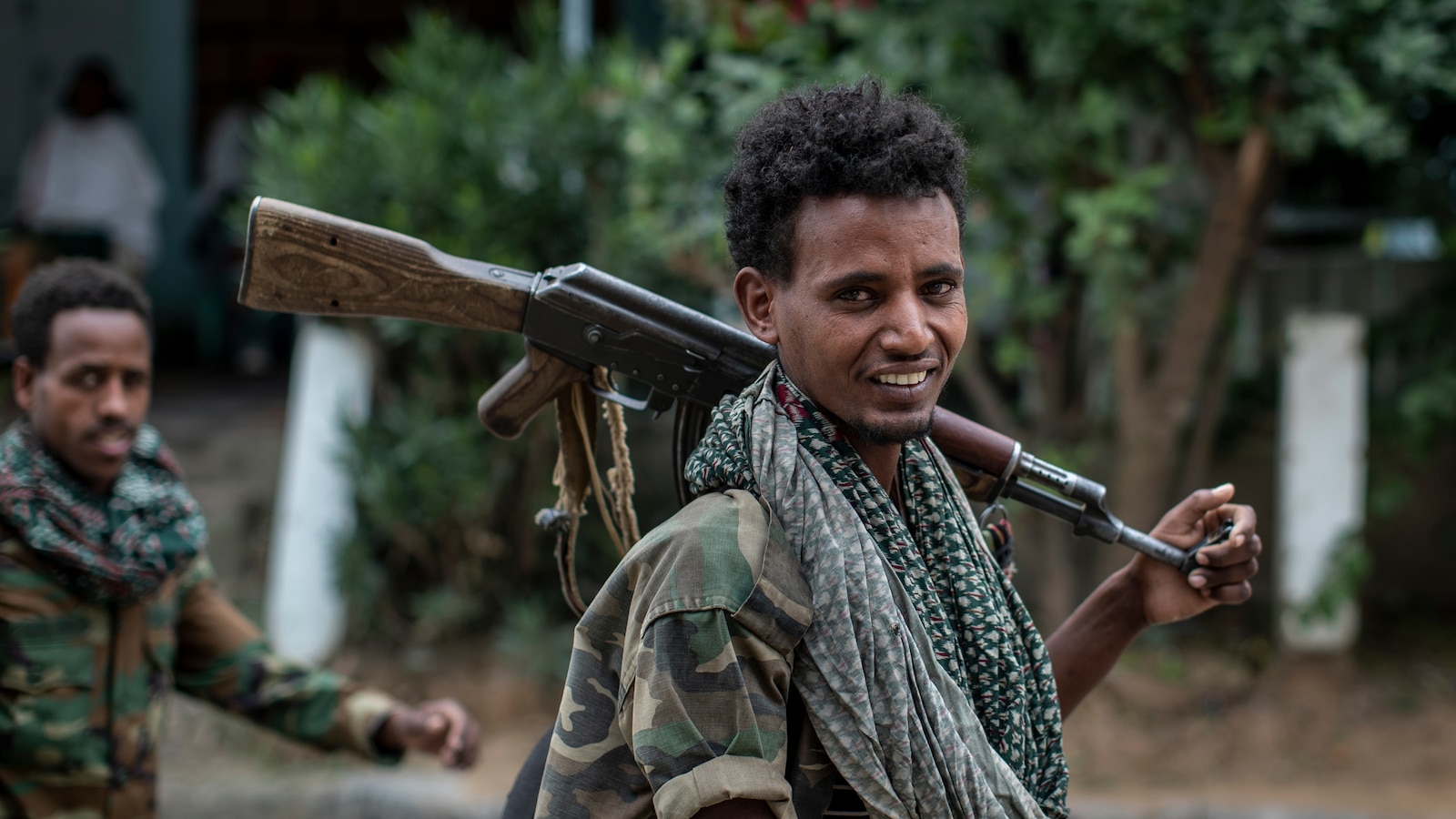
ACLED, as reported by major media, said Ethiopian drones struck suspected Eritrean positions near Badme on 12 November, followed by Eritrean artillery fire and direct clashes. ACLED also reported Eritrean troops returned to Badme around 15 November as Ethiopian forces massed nearby. Residents quoted in major-media reporting described Eritrean troops, heavy weapons and fortifications in Irob district, but those accounts do not establish the scale or extent of any presence inside Ethiopia. Fighting in Tigray resumed in September, and Amnesty reported verifying 14 civilian deaths in artillery attacks on Alamata between 26 and 28 September. A social-media claim that Eritrea backs Tigrayan forces conflicts with accounts of Eritrean military activity in Irob and remains unverified. The supplied claims do not document a statement by Secretary of State Marco Rubio.
Change from previous assessment
Since the 24 November brief, reporting has added ACLED-attributed drone attacks, Eritrean artillery fire and direct clashes around Badme on 12 November, an Eritrean return to Badme around 15 November, and resident accounts of Eritrean troops and fortifications in Irob. These developments make the prior assessment of a wider war as unlikely too reassuring; the estimate is now a roughly even chance over the next 1-3 months, with low confidence because intent, force levels and independent confirmation remain unclear. The supplied claims still do not substantiate the reported Rubio warning.
Key judgments
- Ethiopian and Eritrean forces have already exchanged fire around Badme. ACLED reported Ethiopian drone attacks on suspected Eritrean positions on 12 November, followed by Eritrean artillery fire and direct clashes; it also reported Eritrean troops returned around 15 November while Ethiopian troops massed nearby. The reporting identifies no specific units or troop totals. (Confidence: medium · REPORTED)
- I&W: Additional independently reported Ethiopian drone strikes, Eritrean artillery fire or direct clashes around Badme would confirm that exchanges are continuing. (0-14 days)
- I&W: Verified reporting of both sides withdrawing from Badme, with no further recorded cross-border fire, would break this judgment. (0-14 days)
- Eritrean military activity inside Ethiopia’s Irob district is reported by local residents but is not independently established. Hagos Niguse described Eritrean troops moving tanks and heavy weapons and digging fortifications; Berhe Sibagadis said Eritrean forces occupied part of his local administration near Alitena. The separate claim that Eritrea backs Tigrayan forces comes from low-reliability social-media reporting and conflicts with these accounts, leaving Eritrea’s alignment and the extent of its presence unresolved. (Confidence: low · ASSESSED)
- I&W: Geolocated imagery or additional named witnesses independently confirming Eritrean positions, vehicles or fortifications in Irob would confirm the reported presence. (0-14 days)
- I&W: Independent reporting documenting Eritrean forces’ withdrawal from Irob would break the assessment of a continuing presence there. (0-14 days)
- A wider Ethiopia-Eritrea war over the next 1-3 months is a roughly even chance. The estimate has risen from the prior brief’s unlikely call because reported exchanges and the return of Eritrean troops to Badme indicate active confrontation, and an ACLED analyst assessed the risk of a full-scale confrontation there as high. This remains a low-confidence forecast: the warning and incident details are relayed through one major-media report, while the supplied reporting does not establish either government’s intent, force levels or plans. (Confidence: low · ASSESSED)
- I&W: Independently verified new cross-border exchanges, additional deployments at Badme or fighting spreading beyond the Badme front would confirm the higher war-risk assessment. (0-14 days)
- I&W: Verified troop withdrawals from Badme, an end to reported cross-border fire and documented bilateral deconfliction would break the assessment. (1-3 months)
- Renewed fighting in Tigray is a separate source of escalation and civilian harm. Amnesty said it independently verified 14 civilian deaths in four artillery attacks on Alamata between 26 and 28 September. Attribution remains contested: the reporting describes Ethiopian forces and allied Tigray Peace Forces advancing on Alamata, while Amnesty also accused TPLF-allied forces of endangering civilians and the TPLF rejected that allegation. (Confidence: medium · REPORTED)
- I&W: A named investigation or independently verified reporting that identifies perpetrators of the Alamata artillery attacks would clarify the contested attribution. (1-3 months)
- I&W: New independently reported fighting in named Tigray towns would confirm that the conflict remains an active escalation channel; documented cessation of fighting would weaken this judgment. (0-14 days)
Outlook & scenarios
Clashes expand into a wider Ethiopia-Eritrea war (45%)
Further exchanges around Badme, additional deployments and fighting beyond the border front culminate in sustained combat between Ethiopian and Eritrean forces within 1-3 months. The reported clashes and ACLED’s warning support this path, but the supplied reporting does not establish either government’s decision to pursue it.
Fighting remains localised around Badme (40%)
Ethiopian and Eritrean forces maintain a tense standoff, with intermittent exchanges or deployments around Badme but no sustained wider war. Reports of local clashes and troop movements fit this path; independently verified withdrawals or further clashes would change its standing.
Both sides reduce immediate pressure (10%)
Eritrean forces withdraw from Badme and Ethiopian forces reduce nearby concentrations, followed by a sustained halt in reported cross-border fire. The supplied claims do not report such steps, so this scenario depends on observable changes not yet established.
Tigray fighting widens the crisis (5%)
An unlikely but high-impact outcome is that renewed fighting in Tigray intersects with the Ethiopia-Eritrea border confrontation and draws in additional actors. The supplied claims establish renewed fighting and regional tensions, but do not establish a wider regional military alignment.
Recommendations
- Maintain a dated incident log for Badme, Irob and Alitena. Record the named source, location, reported actor and activity, and distinguish eyewitness testimony from ACLED reporting and social-media claims.
- Seek independent confirmation of the reported Eritrean presence in Irob before treating occupation, fortifications or force scale as established. Prioritise geolocated imagery and additional named local witnesses.
- Verify the reported Rubio warning against an attributable US State Department statement before including it in assessments or external briefings.
- Keep reporting on Tigray Peace Forces, TPLF-allied forces and Eritrean forces separate. Do not treat the claim of Eritrean support for Tigrayan forces as established without corroboration.
- Track independently verified civilian casualties and investigation findings from Alamata alongside border incidents, while retaining the unresolved attribution to the forces involved.
Confidence & uncertainty
The core border reporting comes from major-media coverage relaying ACLED assessments and testimony from local residents. Amnesty’s reported verification provides a separate evidentiary strand on civilian harm in Alamata. The available material does not independently establish the exact troop dispositions, the extent of any Eritrean presence inside Irob or either government’s intent. Social-media claims about Eritrea’s alignment conflict with resident accounts and are weakly supported.
Alternative analysis (red cell)
The available evidence more strongly supports a localized and potentially serious Badme confrontation than an imminent wider Ethiopia-Eritrea war. The two incident claims, da7362dd-a744-4adb-88c0-05734fa59c18 and b0705362-7219-4413-8d84-227df2f17823, and the analyst warning in b868bf98-29e1-49b2-8df2-7e5b0e051f74 do not establish national intent, broad mobilization, or escalation beyond the immediate front. A wider war therefore remains possible but cannot defensibly be treated as roughly even odds on the supplied evidence.
Intelligence gaps
- [EEI 1.2 · PARTIAL] Military orders, mobilization notices, reserve call-ups, or official directives authorizing offensive or defensive operations. Recommended collection: official statements/local reporting
- [EEI 1.3 · PARTIAL] Forward-positioning of fuel, ammunition, medical supplies, bridging equipment, or field headquarters near likely axes of advance. Recommended collection: satellite imagery/human reporting
- [EEI 2.2 · PARTIAL] Changes in command appointments, rules of engagement, force posture, or operational rhetoric by Ethiopian or Eritrean leadership. Recommended collection: government releases/intelligence reporting
- [EEI 2.4 · UNCOVERED] Specific incidents or policy decisions publicly identified by either side as a red line, casus belli, or justification for military action. Recommended collection: official statements/media monitoring
- [EEI 3.1 · PARTIAL] US, African Union, Gulf, or neighboring-state mediation proposals, leader contacts, envoy travel, and requests for de-escalation. Recommended collection: diplomatic reporting
- [EEI 3.2 · UNCOVERED] Public and private Ethiopian or Eritrean responses to Secretary Rubio's warning and other external pressure. Recommended collection: official statements/diplomatic reporting
- [EEI 3.3 · PARTIAL] Evidence of foreign arms deliveries, military advisers, intelligence support, or expanded security cooperation with either government. Recommended collection: trade data/satellite imagery/diplomatic reporting
- [EEI 3.4 · UNCOVERED] Border reopening or closure decisions, military hotlines, troop pullback commitments, and independently verified compliance with them. Recommended collection: official statements/field reporting
- [EEI 4.1 · UNCOVERED] Changes in shipping patterns, vessel advisories, port activity, or war-risk insurance premiums around Assab and nearby Red Sea routes. Recommended collection: maritime/AIS
- [EEI 4.2 · UNCOVERED] Civilian evacuations, displacement flows, border-crossing surges, emergency mobilization, or disruptions to roads, airports, and communications. Recommended collection: humanitarian reporting/satellite imagery
- [EEI 4.3 · UNCOVERED] Attacks or threats against ports, airfields, critical infrastructure, foreign personnel, or commercial shipping. Recommended collection: maritime/aviation/local reporting
- [EEI 4.4 · UNCOVERED] Deployment of foreign naval or military forces, establishment of new access agreements, or changes in regional basing activity. Recommended collection: maritime/AIS/satellite imagery
Red cell review: PARTIAL DISSENT
TLP:CLEAR