TLP:CLEAR · Disclosure is not limited.
Ethiopia-Eritrea border clashes: war risk elevated, troop surge unverified
Time window: Last 1 day · Audience: General analyst · Type: Situation report · DTG: 2026-11-17 18:37Z · Overall confidence: HIGH
BLUF
Reporting describes renewed clashes near Badme, Ethiopian artillery fire near the border and ENDF pressure pushing Tigrayan forces towards Eritrea. Open war between Ethiopia and Eritrea over the next 1-3 months remains unlikely, but the October break in diplomatic ties and competing claims over troop movements raise the risk; the available reporting does not establish a large, quantified troop surge or a public warning by Marco Rubio.
Executive summary
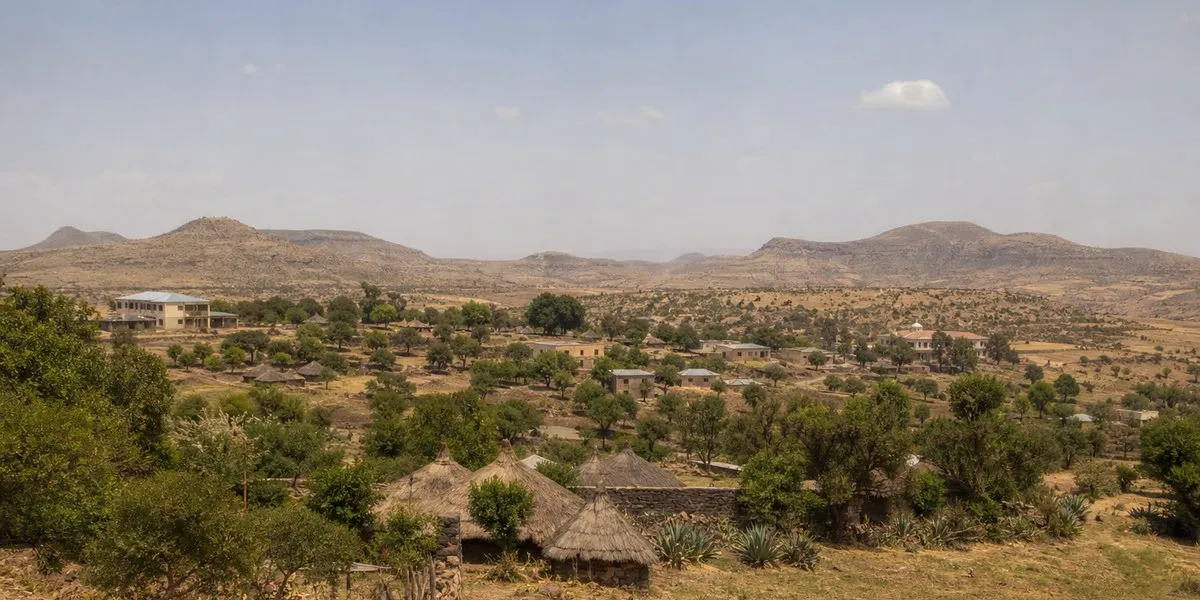
Reporting published on 17 November describes renewed clashes in the disputed Ethiopia-Eritrea border area after several weeks of relative stability. Deutsche Welle reports that the ENDF fired heavy artillery towards dwellings near Badme and, citing ACLED, that ENDF advances pushed the Tigrayan Defense Forces towards the Eritrean border. The reporting does not quantify a troop surge on either side. Eritrean Information Minister Yemane Meskel denied that Eritrean troops crossed into Ethiopia, contrary to reports of a crossing. Ethiopia and Eritrea severed diplomatic ties in October, and Prime Minister Abiy Ahmed has discussed force as a possible means of taking Assab while stating a preference for peaceful access. The available reporting does not establish that Rubio publicly warned of escalation; the only Rubio-related item is a local-media summary of senators urging him to act.
Change from previous assessment
Since the prior brief on 16 November, reporting adds specific accounts of ENDF artillery fire near Badme and ENDF advances pushing TDF forces towards the Eritrean border. The October severing of diplomatic ties and Abiy Ahmed's statements about Assab add context to the escalation risk. Confidence in renewed border clashes rises from low to medium, but open war remains unlikely; no large, quantified troop surge is established. The alleged Eritrean crossing remains disputed, and the available reporting still does not verify a public Rubio warning.
Key judgments
- Clashes have resumed in the disputed Ethiopia-Eritrea border area, and the ENDF reportedly fired heavy artillery towards dwellings near Badme. The specific combat accounts rely chiefly on Deutsche Welle reporting and are not independently corroborated in the available reporting; Eritrea denies that its troops crossed into Ethiopia. (Confidence: medium · REPORTED)
- I&W: A fresh report of ENDF artillery impacts or Eritrean fire near Badme, corroborated by an independent source or geolocated imagery, would confirm continued clashes. (0-14 days)
- I&W: No additional reported firing or geolocated signs of new firing positions near Badme for 14 consecutive days would weaken the assessment of renewed active clashes. (0-14 days)
- Open war between Ethiopia and Eritrea over the next 1-3 months remains unlikely, although the risk is higher than assessed in the prior brief. October's severing of diplomatic ties, Abiy Ahmed's statements about taking Assab by force, reported border clashes and the disputed allegation of an Eritrean incursion raise the risk. The available reporting does not establish a large, quantified mobilisation by either country. (Confidence: medium · ASSESSED)
- I&W: Independent reporting or imagery confirming Eritrean forces inside Tigray, or Eritrean fire on ENDF positions near Badme, would break the assessment that open war remains unlikely. (0-30 days)
- I&W: An announced pullback of forces from the Badme area by both governments, or resumed official contact between Addis Ababa and Asmara, would support the assessment. (1-3 months)
- Fighting between the ENDF and TPLF-aligned forces in Tigray is likely to continue in the near term, with ENDF advances reported to have pushed the TDF towards the Eritrean border. The reporting describes a TPLF-allied offensive beginning on 23 September and federal advances, but accounts differ on how the fighting began and who is directing it. (Confidence: medium · ASSESSED)
- I&W: A new ACLED entry or independently reported clash between ENDF and TDF forces in northwestern Tigray would confirm continued fighting. (0-30 days)
- I&W: A publicly announced cessation between the Ethiopian federal government and the TPLF, followed by 30 days without reported clashes, would break this assessment. (1-3 months)
- The available reporting does not establish that Marco Rubio publicly warned of escalation. The only Rubio-related item is a local-media summary saying US senators sent him a second letter urging action; that item was read only in summary and does not substantiate a statement by Rubio. (Confidence: low · REPORTED)
- I&W: A State Department transcript or official readout quoting Rubio warning of Ethiopia-Eritrea escalation would confirm that he made a public warning. (0-14 days)
- I&W: The full text of the senators' letter showing that it requests action without quoting or describing a Rubio warning would reinforce the distinction between their appeal and his public position. (0-14 days)
Outlook & scenarios
Localised clashes continue without interstate war (55%)
This is the most likely outcome over the next 1-3 months. ENDF pressure on TDF forces near the Eritrean border and further incidents around Badme sustain tension, while neither government begins a sustained campaign across the border.
Tensions ease through restraint or renewed contact (25%)
Ethiopia and Eritrea avoid further direct exchanges near Badme. A pullback from the border area or renewed official contact reduces immediate pressure, although the October severing of diplomatic ties and the dispute over Assab remain unresolved.
Direct Ethiopia-Eritrea fighting expands (15%)
An incident near Badme, or a verified Eritrean incursion into Tigray, prompts direct exchanges between the ENDF and Eritrean forces. Abiy Ahmed's statements about Assab and the lack of diplomatic ties increase the danger of miscalculation, but the available reporting does not establish preparations for a sustained interstate campaign.
Regional actors become directly involved (5%)
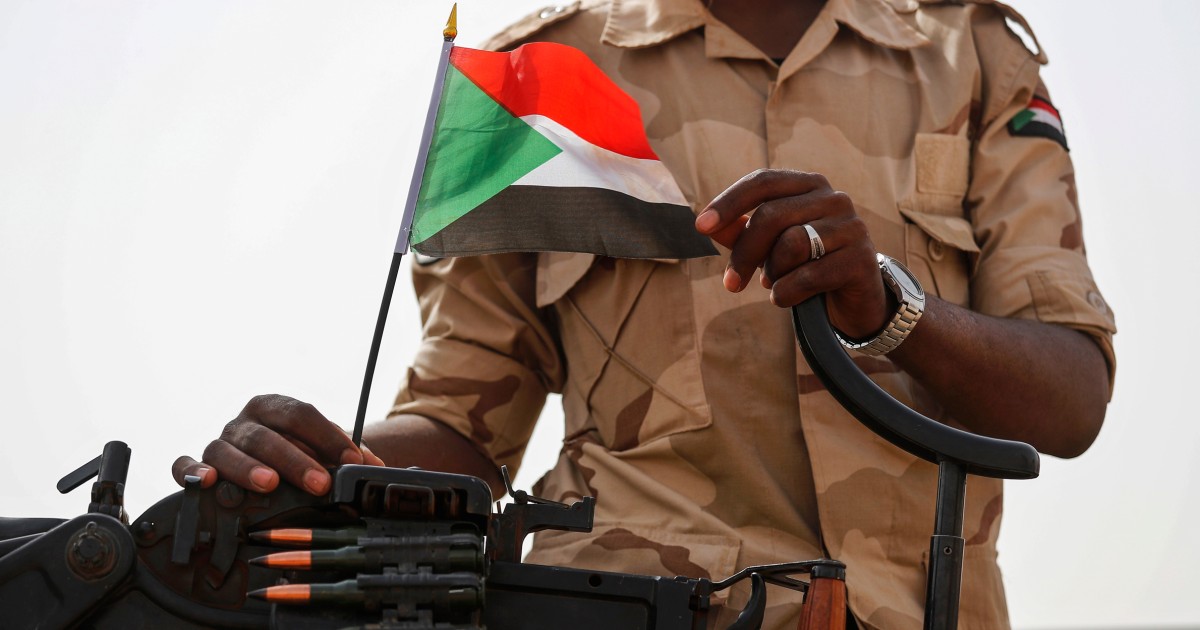
A high-impact but very unlikely outcome is a wider conflict involving external support to Ethiopian or Tigrayan forces. Ethiopian accusations about Eritrean, Sudanese or Egyptian involvement have been disputed or denied, and the available reporting does not verify that those states are directly participating.
Recommendations
- Treat reports of a border troop surge as unverified until collection establishes locations, dates, force sizes and equipment on both sides. Separate activity near Badme from ENDF operations against TDF forces inside Tigray.
- Seek independent corroboration of artillery fire near Badme and of the alleged Eritrean crossing into Tigray. Record Meskel's denial alongside any new evidence and do not present either account as settled without corroboration.
- Check State Department transcripts and official readouts, and obtain the full text of the senators' letter, before attributing an escalation warning to Rubio.
- Update the war-risk assessment if reporting confirms Eritrean forces inside Tigray, direct Eritrean fire on ENDF positions, or sustained force concentrations near Badme or Assab.
Confidence & uncertainty
Overall confidence is high for the broad picture of renewed Ethiopia-Eritrea tension: reporting from major media and wire services describes the Tigray fighting, the October diplomatic break and public statements concerning Assab. Confidence is lower on the precise attribution and scale of border fighting. The detailed clash reporting is concentrated in one Deutsche Welle account, and Eritrea disputes the reported troop crossing. The Rubio warning is not substantiated beyond a local-media item read only in summary.
Alternative analysis (red cell)
The available indicators may support a more cautious reading than 'open war remains unlikely' over the next one to three months. Diplomatic severance, explicit discussion of seizing Assab, renewed border violence, and reported Eritrean involvement create pathways to rapid escalation even without a publicly quantified mobilisation. The mobilisation gap may reflect limited collection rather than a reassuring absence of preparations.
Intelligence gaps
- [EEI 1.2 · PARTIAL] Military orders, mobilization notices, reserve call-ups, or official directives authorizing offensive or defensive operations. Recommended collection: official statements/local reporting
- [EEI 1.3 · UNCOVERED] Forward-positioning of fuel, ammunition, medical supplies, bridging equipment, or field headquarters near likely axes of advance. Recommended collection: satellite imagery/human reporting
- [EEI 3.1 · PARTIAL] US, African Union, Gulf, or neighboring-state mediation proposals, leader contacts, envoy travel, and requests for de-escalation. Recommended collection: diplomatic reporting
- [EEI 3.2 · UNCOVERED] Public and private Ethiopian or Eritrean responses to Secretary Rubio's warning and other external pressure. Recommended collection: official statements/diplomatic reporting
- [EEI 3.4 · PARTIAL] Border reopening or closure decisions, military hotlines, troop pullback commitments, and independently verified compliance with them. Recommended collection: official statements/field reporting
- [EEI 4.1 · UNCOVERED] Changes in shipping patterns, vessel advisories, port activity, or war-risk insurance premiums around Assab and nearby Red Sea routes. Recommended collection: maritime/AIS
- [EEI 4.4 · UNCOVERED] Deployment of foreign naval or military forces, establishment of new access agreements, or changes in regional basing activity. Recommended collection: maritime/AIS/satellite imagery
Red cell review: PARTIAL DISSENT
TLP:CLEAR