TLP:CLEAR · Disclosure is not limited.
Ethiopia-Eritrea: Tigray fighting raises border risk, but deployments remain unverified
Time window: Last 1 day · Audience: General analyst · Type: Situation report · DTG: 2026-11-10 15:39Z · Overall confidence: MEDIUM
BLUF
Reporting describes renewed fighting between the Tigray People's Liberation Front and Ethiopian federal forces in Tigray, but does not verify a two-sided troop buildup or an Eritrean incursion. Open Ethiopia-Eritrea war in the next 1-3 months remains unlikely, with low confidence; the current claims do not independently substantiate the Marco Rubio warning referenced in the prior brief.
Executive summary
Major-media reporting describes TPLF-federal fighting beginning on 23 September 2026, a two-year ceasefire beginning to collapse on 24 September, and late-October drone strikes that killed at least 15 people, including children. The Ethiopian military has accused Sudan, Egypt and Eritrea of backing Tigrayan forces, but that allegation does not establish Eritrean troop movements into Tigray. Reports of an incursion and Ethiopian Air Force strikes prompting an Eritrean withdrawal come from a low-reliability blog. Social-media claims about Ethiopia's Red Sea posture range from seeking access to threatening force; claims involving Assab and the Bure Corridor do not establish an operational escalation. The supplied claims contain no independent corroboration of the Rubio warning or verified troop numbers on either side of the border.
Change from previous assessment
Since the 9 November brief, major-media reporting has added detail on TPLF-federal fighting in Tigray, the ceasefire's reported collapse, late-October drone-strike deaths and the strain on northern Ethiopia's health system. Confidence in the reported internal conflict has risen from low to medium, although some apparent corroboration comes from the same NPR report published through two outlets. The assessment that an Eritrean incursion remains unverified and that open Ethiopia-Eritrea war in the next 1-3 months is unlikely is unchanged. The current claims still do not independently substantiate the Rubio warning.
Key judgments
- TPLF and Ethiopian federal forces are reported to have resumed fighting in Tigray on 23 September 2026, with a two-year ceasefire beginning to collapse on 24 September. Separate reporting says late-October drone strikes killed at least 15 people, including children. The accounts provide a solid basis for reporting renewed internal conflict, although the NPR and Houston Public Media items are versions of the same NPR report rather than independent corroboration. (Confidence: low · REPORTED)
- I&W: Dated reporting of additional clashes between TPLF forces and Ethiopian federal forces, or further drone strikes in Tigray, would confirm continued fighting. (0-14 days)
- I&W: A documented ceasefire implementation announcement accompanied by no reported new clashes or strikes would weaken this judgment. (0-30 days)
- The supplied evidence does not establish an Eritrean troop incursion into Tigray. A low-reliability blog reports troop movements during the first 10 days of October and an Eritrean withdrawal after Ethiopian Air Force strikes; major-media reporting separately records an Ethiopian military accusation that Eritrea backed Tigrayan forces, which is not proof of a deployment. Confidence is low because the specific incursion and strike account is uncorroborated. (Confidence: low · ASSESSED)
- I&W: Independently geolocated imagery or a verifiable official record identifying Eritrean units inside Tigray would break the assessment that an incursion remains unverified. (0-14 days)
- I&W: A retraction or correction of the blog's incursion account, with no independent evidence of Eritrean units in Tigray, would reinforce this assessment. (0-30 days)
- Open Ethiopia-Eritrea war in the next 1-3 months is unlikely. Reporting establishes renewed fighting inside Ethiopia and Ethiopian accusations of Eritrean support, but the supplied claims do not verify direct clashes between Ethiopian and Eritrean forces or a bilateral troop buildup. Confidence is low: the border-clash and incursion claims are thin, uncorroborated social-media and blog reporting, while claims about Ethiopia's Red Sea posture differ in severity and also rely on social media. (Confidence: low · ASSESSED)
- I&W: A verified report of direct exchanges of fire between Ethiopian and Eritrean forces would break this estimate. (0-14 days)
- I&W: Verifiable evidence of an Eritrean deployment into Tigray followed by Ethiopian strikes against those forces would raise the assessed risk of interstate war. (0-30 days)
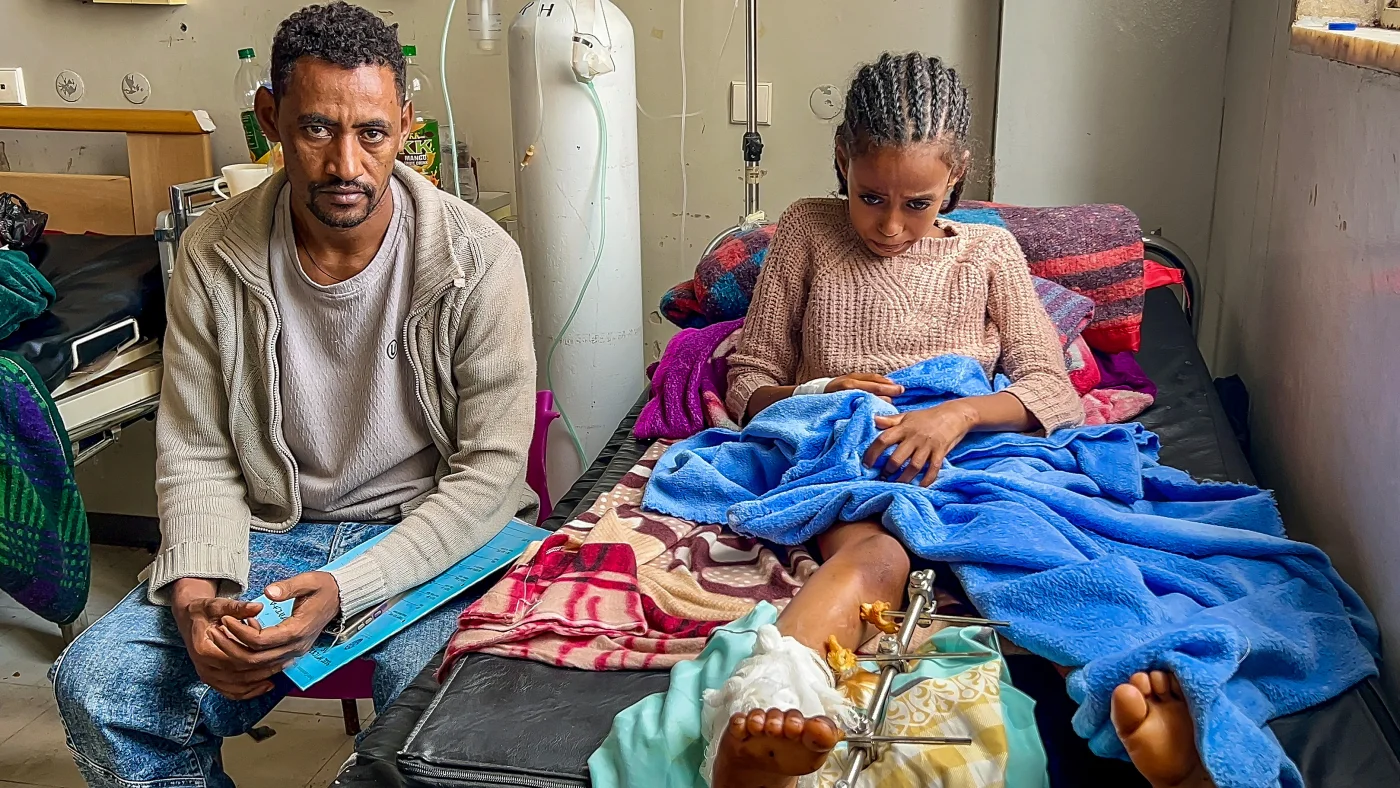
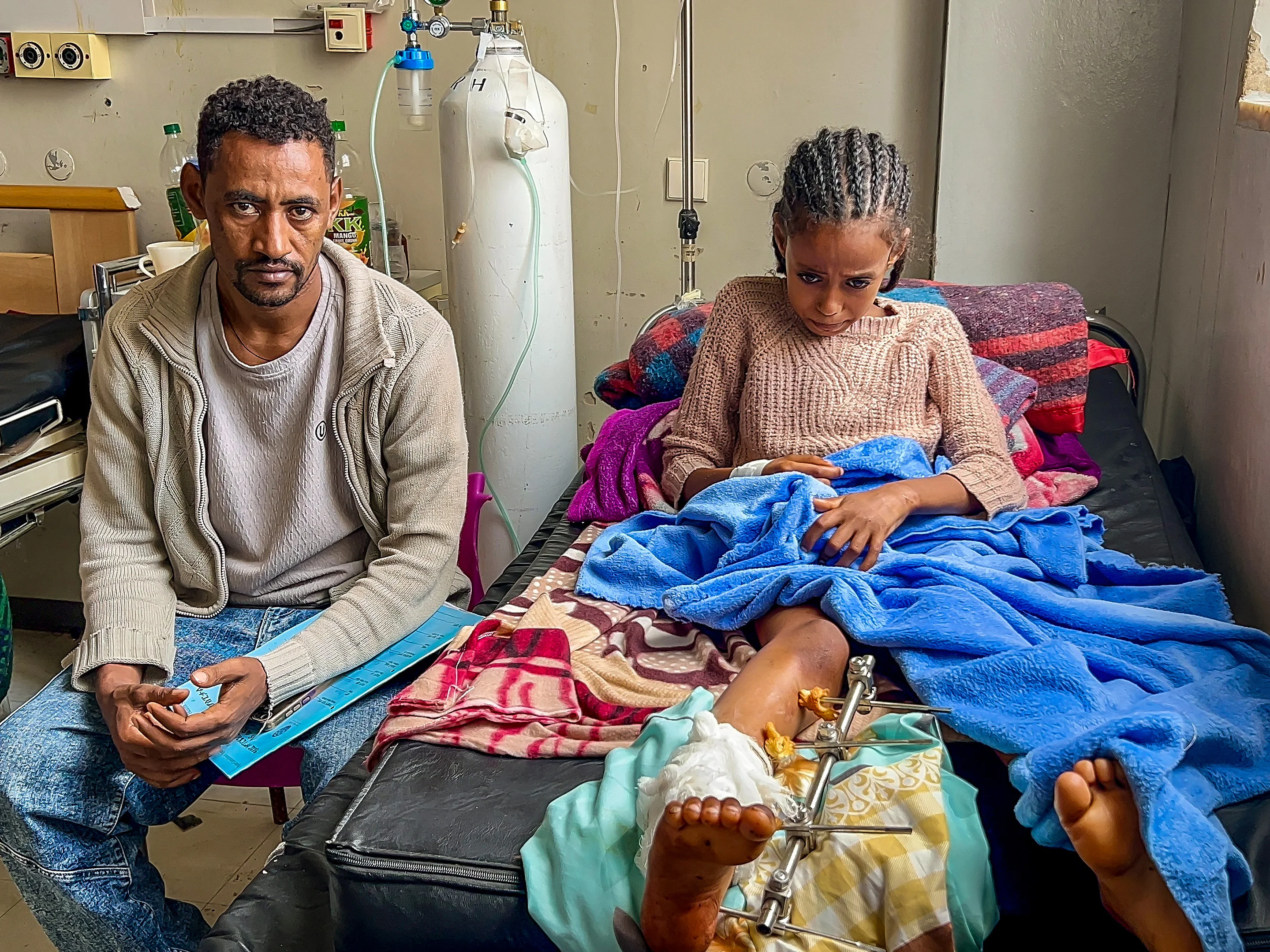
- If fighting in Tigray persists, further pressure on northern Ethiopia's already fragile health system is likely. WHO Director-General Tedros Adhanom Ghebreyesus said violence was pushing the system closer to collapse; a survey of more than 600 health workers also recorded reported attacks on ambulances and armed takeovers of health facilities between 2020 and 2024. The current health-system warning is reported, while the forecast of further pressure is an inference. (Confidence: low · ASSESSED)
- I&W: New WHO or health-facility reporting of closures or interrupted emergency services in Tigray would confirm further pressure on care. (0-30 days)
- I&W: Reported restoration of services in affected Tigray facilities, alongside no new disruption, would weaken this judgment. (1-3 months)
Outlook & scenarios
Tigray fighting continues without verified Eritrean entry (65%)
This is the likely baseline. TPLF-federal fighting and pressure on northern Ethiopia's health system continue, while Ethiopian accusations against Eritrea do not develop into independently verified evidence of Eritrean forces inside Tigray.
A local border incident sharpens the Ethiopia-Eritrea dispute (20%)
An incident or contested report involving Eritrean forces prompts further Ethiopian accusations and heightened border concern, but neither side enters sustained direct conflict. The available incursion reporting is too weak to treat this as an established trajectory.
Diplomatic restraint limits spillover (10%)
Ethiopia and Eritrea avoid direct military engagement while the Tigray conflict remains internal. A verifiable reduction in hostile official statements or a documented de-escalation would support this scenario.
Wildcard: a border confrontation broadens into regional conflict (5%)
A confrontation around the Bure Corridor, linked to claims about Assab and Red Sea access, broadens beyond Ethiopia and Eritrea. This is very unlikely and high impact; the supplied claims framing Assab and the corridor as flashpoints come from low-reliability social-media sources.
Recommendations
- Keep reporting on the TPLF-federal conflict separate from claims of Eritrean involvement. Label Eritrean troop movements and direct border clashes unverified until independently corroborated.
- Prioritise dated, geolocated evidence for any claimed Eritrean deployment into Tigray or Ethiopian Air Force strike there. Record source origin and distinguish original reporting from reposts.
- Check the original Marco Rubio statement or an official US State Department record before citing the warning. The supplied material does not independently verify the attribution or indicate a policy change.
- Track new reporting from WHO and health organisations on facility closures, ambulance access and emergency care in Tigray, and distinguish current incidents from the 2020-2024 survey findings.
- Treat claims about Assab, the Bure Corridor and Ethiopia's Red Sea posture as risk indicators requiring verification, not as evidence of an imminent military plan.
Confidence & uncertainty
Overall confidence is medium. Major-media reporting provides a reliable basis for describing renewed fighting in Tigray and pressure on the health system, but the NPR and Houston Public Media items repeat the same NPR report and are not independent corroboration. Specific Eritrean incursion claims and the Assab and Bure Corridor risk framing rely on low-reliability blog or social-media reporting. One incursion-related accusation appears only in an article lede, and the supplied claims do not independently corroborate the Rubio warning. These gaps lower confidence in judgments about interstate escalation.
Intelligence gaps
- [EEI 1.1 · PARTIAL] Verified changes in troop, armored vehicle, artillery, air-defense, or logistics deployments within designated border areas and around Assab. Recommended collection: commercial satellite imagery
- [EEI 1.2 · UNCOVERED] Military orders, mobilization notices, reserve call-ups, or official directives authorizing offensive or defensive operations. Recommended collection: official statements/local reporting
- [EEI 1.3 · UNCOVERED] Forward-positioning of fuel, ammunition, medical supplies, bridging equipment, or field headquarters near likely axes of advance. Recommended collection: satellite imagery/human reporting
- [EEI 2.4 · PARTIAL] Specific incidents or policy decisions publicly identified by either side as a red line, casus belli, or justification for military action. Recommended collection: official statements/media monitoring
- [EEI 3.1 · PARTIAL] US, African Union, Gulf, or neighboring-state mediation proposals, leader contacts, envoy travel, and requests for de-escalation. Recommended collection: diplomatic reporting
- [EEI 3.2 · UNCOVERED] Public and private Ethiopian or Eritrean responses to Secretary Rubio's warning and other external pressure. Recommended collection: official statements/diplomatic reporting
- [EEI 3.3 · PARTIAL] Evidence of foreign arms deliveries, military advisers, intelligence support, or expanded security cooperation with either government. Recommended collection: trade data/satellite imagery/diplomatic reporting
- [EEI 3.4 · PARTIAL] Border reopening or closure decisions, military hotlines, troop pullback commitments, and independently verified compliance with them. Recommended collection: official statements/field reporting
- [EEI 4.1 · UNCOVERED] Changes in shipping patterns, vessel advisories, port activity, or war-risk insurance premiums around Assab and nearby Red Sea routes. Recommended collection: maritime/AIS
- [EEI 4.2 · PARTIAL] Civilian evacuations, displacement flows, border-crossing surges, emergency mobilization, or disruptions to roads, airports, and communications. Recommended collection: humanitarian reporting/satellite imagery
- [EEI 4.3 · PARTIAL] Attacks or threats against ports, airfields, critical infrastructure, foreign personnel, or commercial shipping. Recommended collection: maritime/aviation/local reporting
- [EEI 4.4 · PARTIAL] Deployment of foreign naval or military forces, establishment of new access agreements, or changes in regional basing activity. Recommended collection: maritime/AIS/satellite imagery
Red cell review: PARTIAL DISSENT, KJ-1 downgraded MEDIUM→LOW (kj_single_origin); KJ-4 downgraded MEDIUM→LOW (kj_single_origin)
TLP:CLEAR