TLP:CLEAR · Disclosure is not limited.
Eurasia: Maritime Escalation Extends the US-Iran Crisis
Time window: Last 1 day · Audience: General analyst · Type: Situation report · DTG: 2026-09-17 23:06Z · Overall confidence: HIGH
BLUF
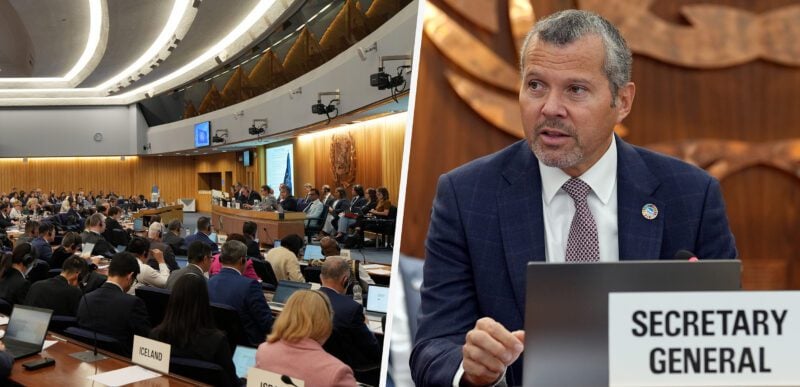
Military pressure linked to the US-Iran conflict is likely to continue over the next 0-14 days, with the immediate risk concentrated on merchant shipping rather than a confirmed full closure of the Strait of Hormuz. The IMO has verified 80 attacks and at least 22 seafarer deaths around Hormuz, while Iran-aligned Houthi forces have taken positions around the Bab el-Mandeb Strait. Hormuz remains open in CENTCOM reporting, but traffic trends are disputed.
Executive summary
As of 17 September 2026, reporting indicates sustained US pressure on Iran, expanding threats to commercial shipping and limited diplomatic activity. The United States is reported to be conducting a naval blockade of Iranian ports and striking Iran-linked vessels, although current reporting does not independently corroborate a new direct US-Iran exchange during this reporting window. Houthi forces have captured Mocha and moved onto islands around Bab el-Mandeb, while Saudi Arabia is seeking to restore about half the East-West pipeline after drone strikes. Wang Yi urged restraint and renewed negotiations on 16 September, but Iranian official Mohsen Rezaei said Tehran would not enter talks until its conditions are met.
Change from previous assessment
The assessment has shifted from a base-defence and interceptor-focused brief to a maritime-centred picture. New reporting raises the assessed risk to merchant shipping: the IMO now records 80 verified attacks and at least 22 deaths around Hormuz, and Houthi forces have captured Mocha and moved onto islands around Bab el-Mandeb. The Hormuz judgement is revised from severely restricted but not halted to open but contested, because CENTCOM reports continued or increasing traffic while another account reports a sharp decline. Diplomatic de-escalation remains unlikely, but Wang Yi's 16 September intervention and the planned Trump meeting with Gulf leaders add more visible channels. A new judgement covers US civilian-harm scrutiny. No new claim in this run directly updates the prior Patriot, THAAD or base-damage assessments, so those judgements are not strengthened.
Key judgments
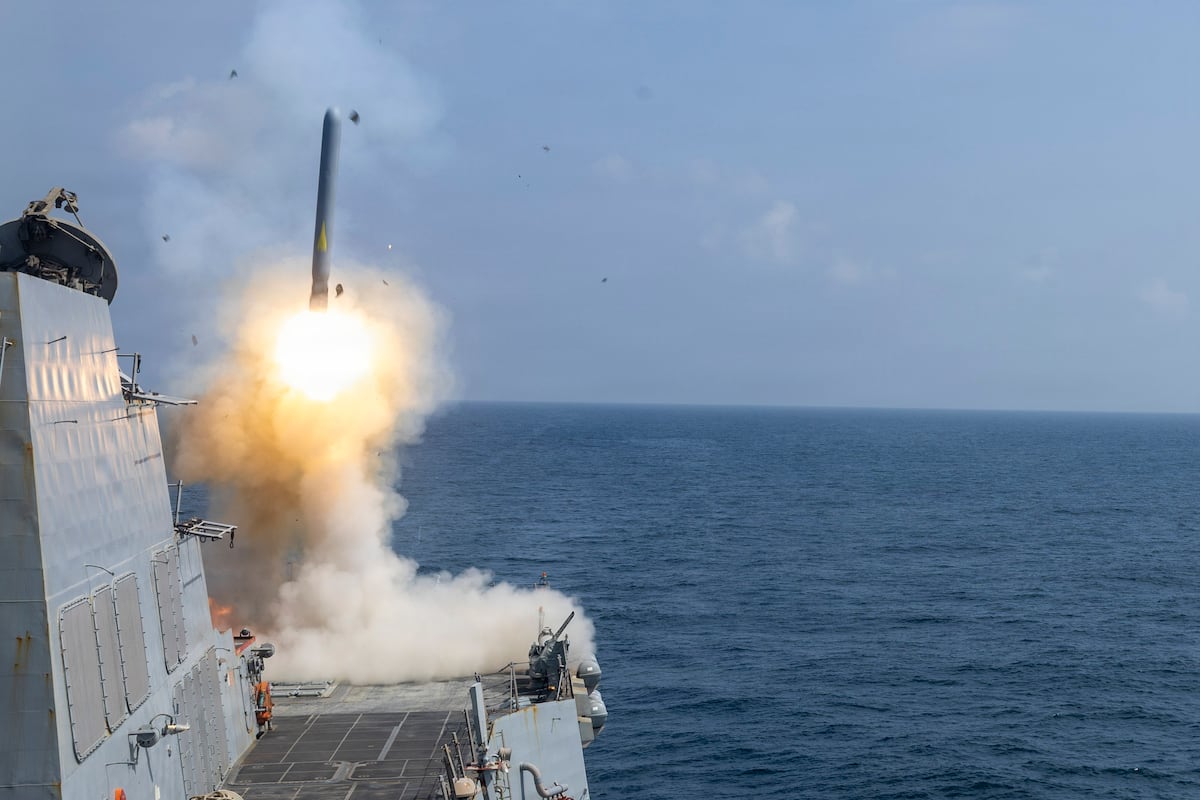
- Military pressure linked to the US-Iran conflict is likely to continue in the Persian Gulf and Strait of Hormuz over the next 0-14 days, but the provided reporting does not establish a new direct US-Iran exchange during this reporting window. The United States is reported to be conducting a naval blockade of Iranian ports and striking Iran-linked vessels, while the United States and Israel launched their first strikes on Iran on 28 February 2026. Current reporting on the blockade and strikes comes from one local-media account and lacks independent corroboration. (Confidence: low · ASSESSED)
- I&W: Confirm: CENTCOM, the IMO or a second reliable source reports a named incident involving a US vessel, an Iranian port or an Iran-linked vessel. (0-14 days)
- I&W: Break: US and Iranian officials announce a verified halt to maritime operations and no further US-Iran-linked vessel incidents are reported. (0-14 days)
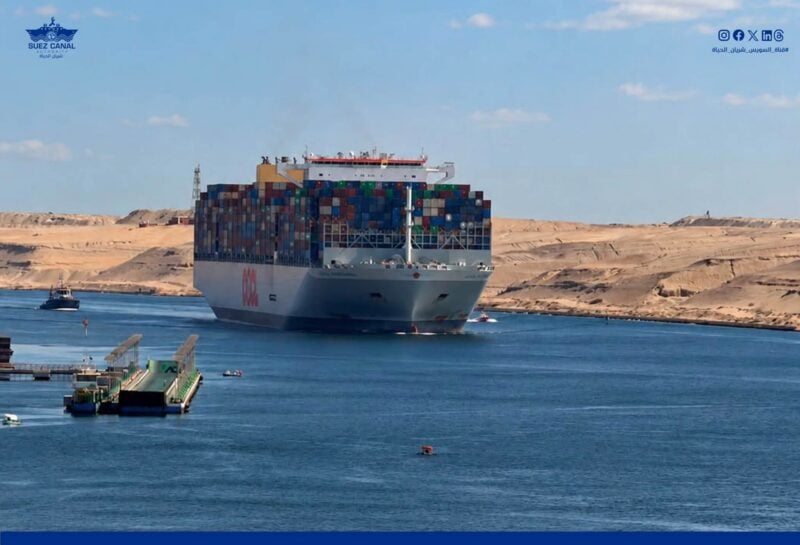
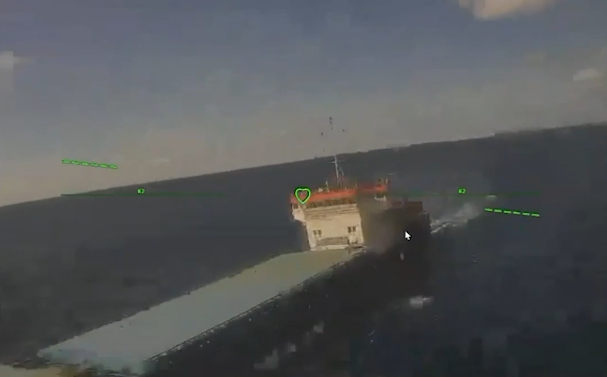
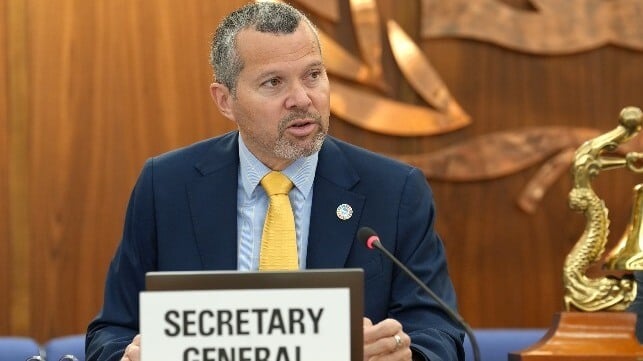
- Merchant-vessel attacks in the Strait of Hormuz and the Red Sea are likely to continue over the next 0-14 days, while the Black Sea remains a separate active threat. The IMO verified 80 attacks around Hormuz and at least 22 seafarer deaths by 15 September, including attacks on Hercules Star and El Gaia. Houthi forces killed four seafarers in a Red Sea attack on 11 August, and Russian and Ukrainian forces exchanged drone strikes against shipping in the Black Sea. Attribution remains unresolved for several Hormuz incidents because the IMO states that attacks are not attributable to a single country. (Confidence: medium · ASSESSED)
- I&W: Confirm: The IMO's verified total rises above 80 attacks, or a new named merchant vessel is damaged or suffers casualties in Hormuz or the Red Sea. (0-14 days)
- I&W: Break: The IMO and maritime trade reporting record no further attacks or casualties in Hormuz and the Red Sea for 14 consecutive days. (0-14 days)
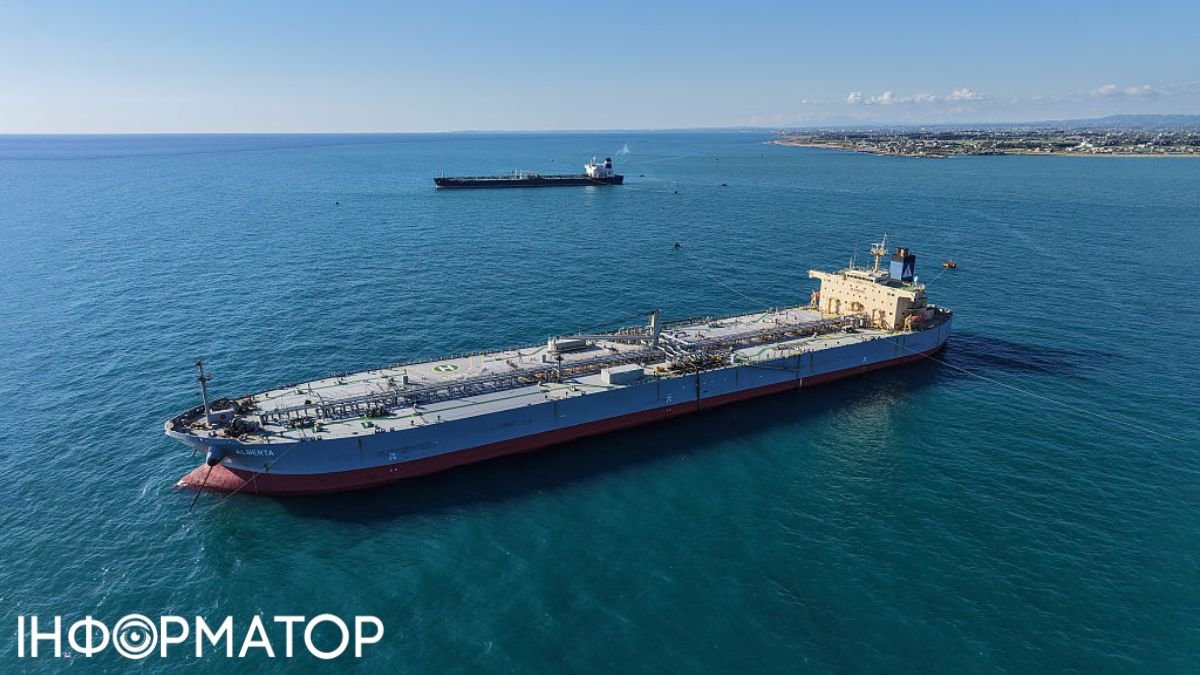
- Commercial transit through the Strait of Hormuz is likely to continue over the next 0-14 days, but traffic is likely to remain below the pre-war pattern and the direction of the trend is unresolved. CENTCOM says the strait remains open and shipping is increasing, while US Energy Secretary Chris Wright reported 18 million barrels of crude and products transited on one day and an 11 million barrel seven-day average. Pre-war traffic was approximately 125 large commercial vessels daily, and the IMO reported that as many as 400 ships carrying about 6,000 seafarers had been unable to depart the Persian Gulf region. A separate account attributed to CENTCOM says commercial shipping volumes have sharply declined since February. (Confidence: medium · ASSESSED)
- I&W: Confirm: Daily vessel movements remain below the pre-war reference of approximately 125 large commercial vessels, while ships continue to report attacks or inability to depart the Persian Gulf. (0-14 days)
- I&W: Break: The IMO or CENTCOM confirms traffic near the pre-war reference for seven consecutive days and reports no continuing backlog of vessels unable to depart. (0-14 days)
- A durable US-Iran de-escalation is unlikely within the next 0-14 days. Wang Yi urged Tehran and Washington on 16 September to exercise restraint, revive the June interim peace framework and resume negotiations, but Iranian Supreme National Security Council Secretary Mohsen Rezaei said Tehran would not enter talks until its conditions are met. China has separately asked Iran to help restrain the Houthis, and President Donald Trump is scheduled to meet Persian Gulf leaders next Tuesday, but these channels have not yet produced an agreed framework. (Confidence: medium · ASSESSED)
- I&W: Confirm: Rezaei's preconditions remain in force and no substantive US-Iran negotiations or revived interim framework are announced by the end of the next 14 days. (0-14 days)
- I&W: Break: Washington and Tehran announce substantive negotiations, or the June interim framework is formally revived with reciprocal military restraint. (0-14 days)
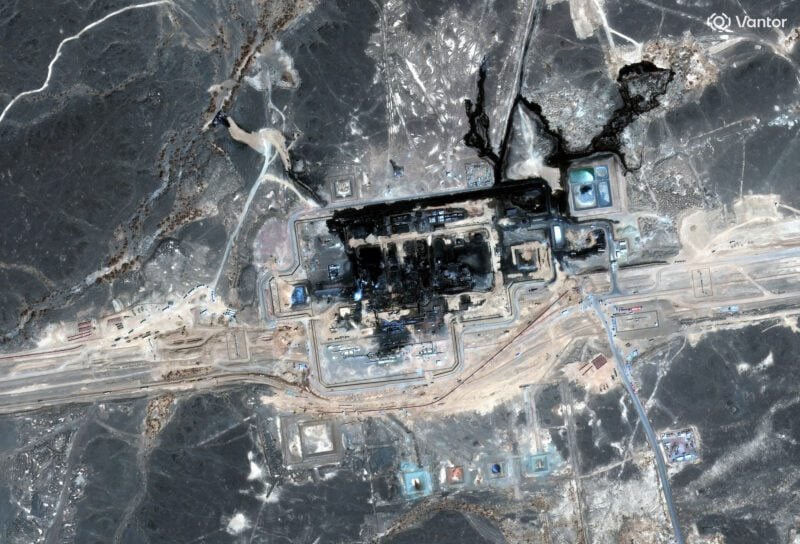
- Houthi forces are likely to sustain pressure on Saudi energy infrastructure and Red Sea shipping over the next 0-14 days, but are unlikely to target US or Israeli vessels if their stated Oman commitments hold. Iran-aligned Houthi forces have captured Mocha and moved onto islands around Bab el-Mandeb, while reporting describes positions overlooking the strait and attacks on Saudi cities and shipping. Saudi Arabia is seeking to restore about half the East-West pipeline within days. Houthi representatives told US officials in Oman that they would not target American or Israeli vessels but reserved the right to attack Saudi shipping. This assessment is medium confidence because the restraint commitments and battlefield reporting are not independently corroborated by the same sources. (Confidence: medium · ASSESSED)
- I&W: Confirm: Houthi forces conduct another drone or missile attack on Saudi cities, the East-West pipeline or Saudi-linked shipping, or consolidate positions around Mocha and Bab el-Mandeb. (0-14 days)
- I&W: Break: Houthi forces attack a US or Israeli vessel, or announce and observe a verified halt to attacks on commercial shipping. (0-14 days)
- US civilian-harm scrutiny from the Minab school strike is very likely to intensify over the next 1-3 months. UN and Iranian officials reported that a Tomahawk missile strike on Shajareh Tayyebeh elementary school on 28 February killed at least 168 people, including more than 100 children under 12. US military investigators said the strike was likely carried out by US forces, but the Pentagon has not released its findings. Amnesty International placed the school fewer than 100 yards from an IRGC naval installation, while a Defense Department inspector general review found weaknesses in civilian-harm implementation. The assessment is medium confidence because responsibility remains provisional and the Pentagon investigation is unpublished. (Confidence: medium · ASSESSED)
- I&W: Confirm: The Pentagon releases investigative findings, or congressional scrutiny produces a new hearing or formal request concerning US responsibility, civilian-harm procedures or AI-enabled targeting in the Minab strike. (1-3 months)
- I&W: Break: The Pentagon publishes findings that exclude US responsibility and no new congressional or legal action concerning the strike follows. (1-3 months)
Outlook & scenarios
Contained but persistent maritime pressure (55%)
The most likely path is continued US pressure on Iran, recurring attacks around Hormuz and Bab el-Mandeb, and further Saudi action against Houthi positions. Saudi Arabia partially restores the East-West pipeline, while commercial traffic continues through Hormuz at uneven and reduced levels. Diplomatic contacts continue without a durable US-Iran agreement.
Widening regional maritime conflict (30%)
Houthi forces abandon their stated restraint towards US and Israeli vessels, or an attack on a US-linked or Iranian-linked vessel produces direct retaliation. Saudi airstrikes and Houthi attacks intensify, further reducing Hormuz and Red Sea traffic. The Black Sea remains an additional source of risk to merchant shipping.
Partial diplomatic and transit stabilisation (25%)
Wang Yi's initiative, the planned Trump meeting with Persian Gulf leaders and GCC-Iran discussions produce a temporary maritime arrangement. Houthi restraint holds, Saudi Arabia restores part of the East-West pipeline, and shipping through Hormuz rises without returning to the pre-war pattern. Military pressure continues at a lower level.
Direct US-Iran escalation and formal Hormuz closure (10%)
A direct US-Iran incident involving a vessel, Iranian port or US military asset triggers reciprocal strikes and a formal halt to commercial transit through Hormuz. Oil flows, Red Sea shipping and diplomatic channels deteriorate together. This is a low-probability, high-impact wildcard.
Recommendations
- Maintain a 0-14-day maritime incident tracker covering the Strait of Hormuz, Bab el-Mandeb, the Red Sea and the Black Sea. Record each named vessel, location, reported attacker, casualties, damage and source corroboration.
- Reconcile Hormuz traffic reporting before issuing a trend judgement. Separate the reported 18 million barrel one-day flow, the 11 million barrel seven-day average, daily vessel counts, the pre-war reference of approximately 125 large vessels and the late-August report of 400 ships unable to depart.
- Prioritise independent verification of the reported US blockade and strikes on Iran-linked vessels. Compare CENTCOM statements with IMO reporting, wire-service accounts and named vessel incidents before assessing a new direct US-Iran exchange.
- Use the planned Trump meeting with Persian Gulf leaders, the GCC-Iran discussions and Wang Yi's diplomatic initiative as near-term decision points. Assess whether each produces substantive negotiations, a revived interim framework or a temporary corridor for commercial vessels.
- Track Houthi activity against the stated Oman commitments separately. Monitor attacks involving Saudi shipping, Saudi cities, the East-West pipeline, US vessels and Israeli vessels rather than treating all Houthi activity as equivalent.
- Monitor the Pentagon for release of the Minab investigation and review related congressional activity on civilian-harm procedures and AI-enabled targeting. Treat any new attribution as provisional until it is corroborated by an official finding and independent reporting.
- Do not carry forward the prior brief's Patriot, THAAD or US base-damage judgements as strengthened by this reporting run. Seek new evidence before changing those assessments.
Confidence & uncertainty
Overall confidence is high for the reported event picture because the principal developments are supported by multiple reliable sources, including the IMO, wire-service reporting, major media and maritime trade publications. The IMO attack and casualty figures, named vessel incidents, Houthi territorial gains and diplomatic statements are separately reported across more than one source stream. The main uncertainties concern attribution of attacks, conflicting assessments of Hormuz traffic volumes, the durability of Houthi assurances and the absence of released Pentagon findings on the Minab strike. These uncertainties lower confidence in some forecasts without overturning the broader situation picture.
Intelligence gaps
- [EEI 1.2 · UNCOVERED] Changes in US or Iranian force posture indicating preparation for further attacks, including aircraft dispersal, missile-unit movement, naval sortie activity, or air-defense activation. Recommended collection: satellite imagery/aviation and maritime tracking
- [EEI 1.3 · PARTIAL] Public or private warnings, ultimata, declared red lines, or force-protection directives issued by US or Iranian leadership. Recommended collection: official statements/diplomatic reporting
- [EEI 2.1 · UNCOVERED] Deployment or repositioning of Iranian ballistic missiles, cruise missiles, drones, fast-attack craft, or other strike assets within operational range of US or partner targets. Recommended collection: satellite imagery/signals intelligence
- [EEI 2.4 · UNCOVERED] Changes in Iranian military alert levels, command activity, weapons dispersal, or continuity-of-government measures. Recommended collection: signals intelligence/satellite imagery
- [EEI 3.1 · UNCOVERED] Arrival or departure of US carrier strike groups, bombers, air-defense units, special operations forces, or additional personnel in the region. Recommended collection: maritime and aviation tracking
- [EEI 3.2 · UNCOVERED] Changes to US force-protection conditions, base access, evacuation plans, embassy staffing, or noncombatant evacuation preparations. Recommended collection: official notices/diplomatic reporting
- [EEI 3.3 · PARTIAL] Presidential, Pentagon, or theater-command statements describing authorized response options, expanded objectives, or revised rules of engagement. Recommended collection: official statements
- [EEI 4.3 · PARTIAL] Regional government decisions to close airspace or waterways, raise military readiness, expel personnel, or request additional US or allied forces. Recommended collection: official statements/aviation and maritime notices
Cited sources
[1] Informator.ua · В армии США заявили, что Ормуз открыт к транзиту – Иран не контролирует (D) · Thu Sep 17 2026 10:42:00 GMT+0000 (Coordinated Universal Time) · sha256:3cabcc42dc58 [2] Defense News · AI military targeting may move faster than humans can authenticate, critics warn (A) · Wed Sep 16 2026 23:49:38 GMT+0000 (Coordinated Universal Time) · sha256:61e6477b3f05 [3] gCaptain · IMO Sounds Alarm as Attacks on Merchant Ships Spread Across Global Trade Routes (C) · Thu Sep 17 2026 18:01:47 GMT+0000 (Coordinated Universal Time) · sha256:43878ecd9b88 [4] The Maritime Executive (reporting an IMO statement) · IMO Renews Call to Stop Attacks on Seafarers and Commercial Ships (B) · sha256:253e6f167beb [5] The Maritime Executive · Drone Attack Kills Master, Injures Three Crewmembers in Black Sea (C) · sha256:78f4a7acda02 [6] Bloomberg (republished by gCaptain) · Oil Extends Drop as Saudi Arabia Moves to Restore Vital Pipeline (A) · Thu Sep 17 2026 12:52:54 GMT+0000 (Coordinated Universal Time) · sha256:9b5462bb73bd [7] Armenian Weekly · The Region in Brief (B) · Thu Sep 17 2026 15:11:12 GMT+0000 (Coordinated Universal Time) · sha256:819865bdd35d [8] gCaptain · Container Shipping Returns to Suez Despite Rising Red Sea Risks (C) · Wed Sep 16 2026 21:51:10 GMT+0000 (Coordinated Universal Time) · sha256:8c387c0329bc
Source content hashes were computed at collection time; the cited text is preserved unmodified for the life of this product.
TLP:CLEAR