TLP:CLEAR · Disclosure is not limited.
Eurasia SITREP: Ukraine’s 18 June drone barrage damages Moscow Oil Refinery and deepens logistics pressure on Russian-occupied south
Time window: Last 7 days · Audience: General analyst · Type: Situation report · DTG: 2026-06-20 00:20Z · Overall confidence: MEDIUM
BLUF
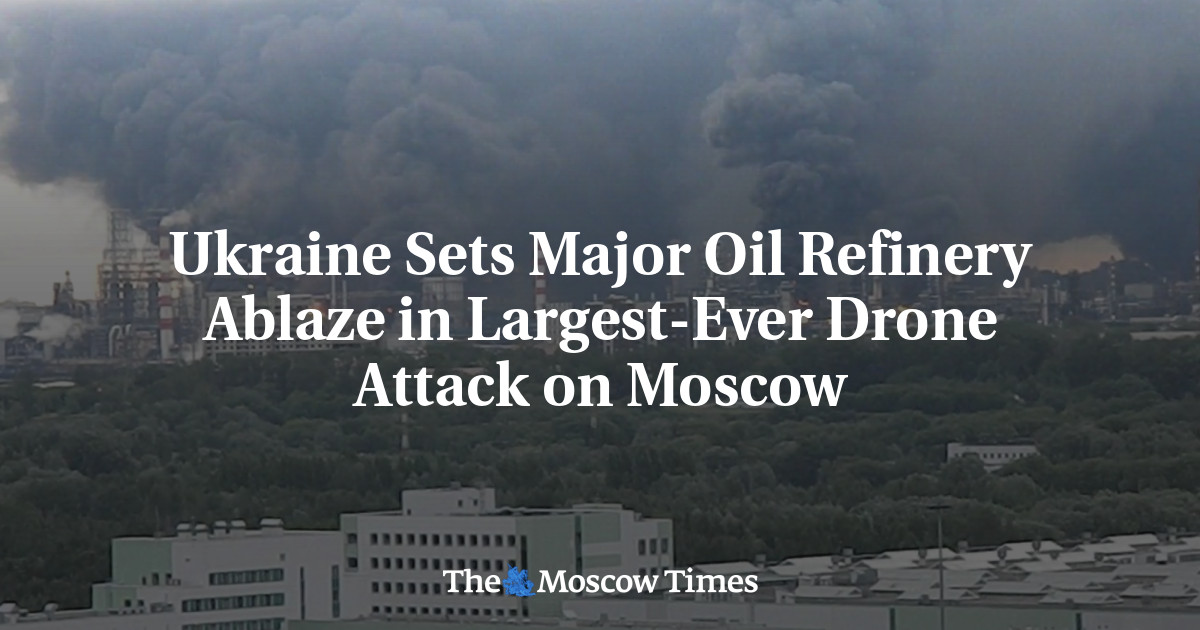
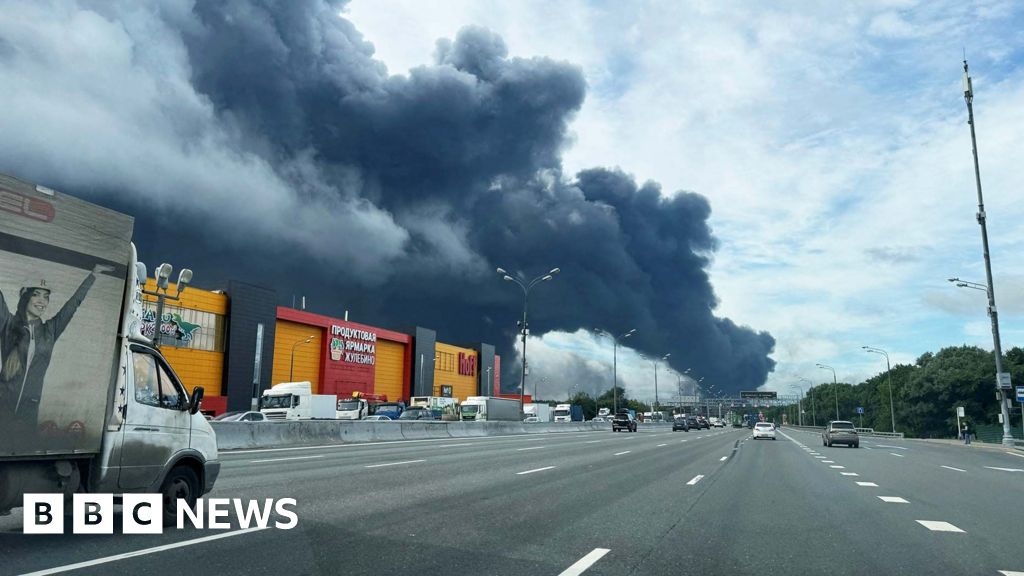
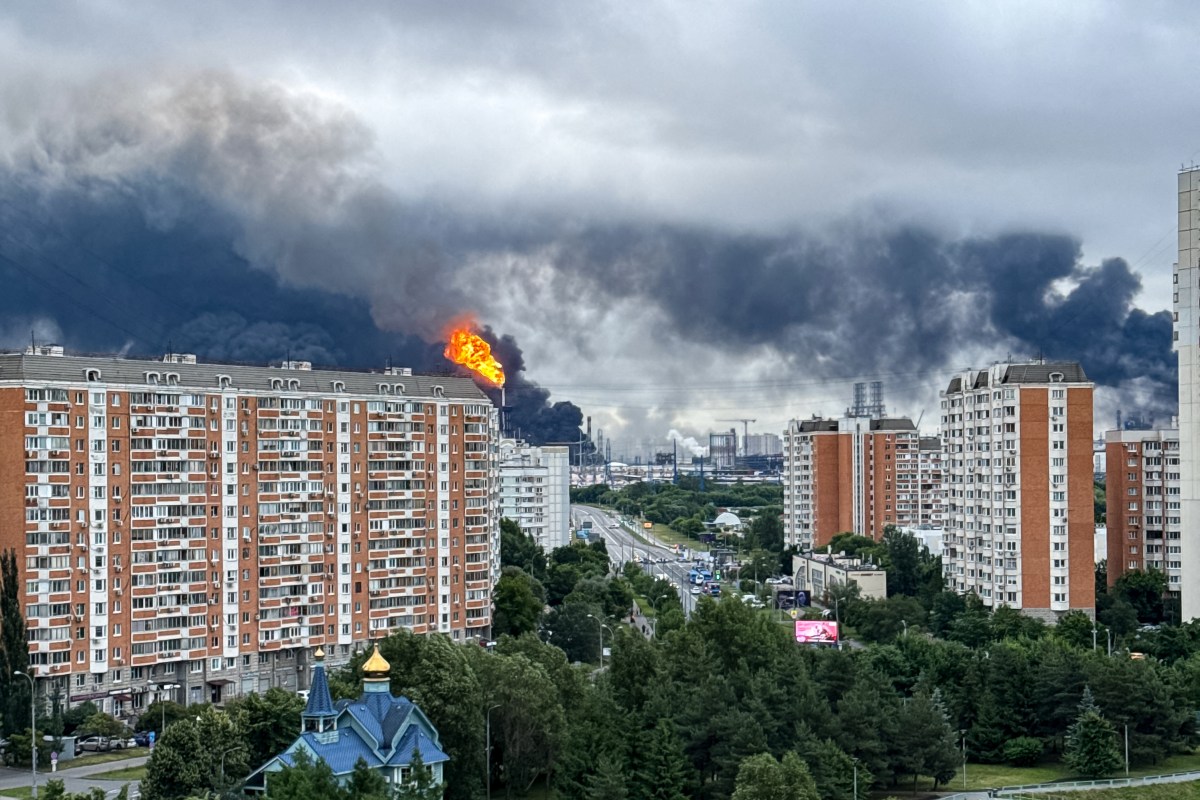
On 18 June, Ukraine very likely conducted its largest drone attack of the war against Moscow, damaging the Gazprom Neft‑operated Moscow Oil Refinery, injuring at least 17 people, and prompting temporary airport shutdowns. Kyiv’s sustained drone campaign is likely degrading Russian fuel logistics, with confirmed disruptions in Crimea and the occupied Donetsk region and reported refinery output impacts inside Russia.
Executive summary
Ukraine launched a large-scale drone strike on 18 June against targets in and around Moscow that very likely ranks as its largest such operation to date, with fires and functional damage at the Gazprom Neft‑operated Moscow Oil Refinery, at least 17 people wounded in the Moscow region, and precautionary shutdowns and evacuations at the capital’s airports. Russian authorities reported hundreds of drones intercepted nationwide, yet multiple drones still reached the refinery. The strike caps months of Ukrainian mid‑range drone interdiction of Russian fuel convoys, rail and road chokepoints into Crimea, which has contributed to traffic bans, rationing and acknowledged route impassability in occupied areas and a reported year‑on‑year fall in Russia’s gasoline output. Moscow has signalled mass retaliation and has recently conducted large missile and drone salvos that killed and injured civilians and struck cultural and energy‑related sites in Kyiv, Kharkiv and Dnipro. Partners pledged about 4 billion dollars in new military assistance on 18 June, and Ukraine’s defence establishment reports a fourfold rise in destruction of Russian logistics, sustaining the current tempo.
Key judgments
- It is very likely that on 18 June Ukraine conducted its largest drone attack of the war against Moscow, damaging the Gazprom Neft‑operated Moscow Oil Refinery, injuring at least 17 people, and triggering temporary airport closures and flight cancellations. (Confidence: high · REPORTED)
- I&W: Official or corporate notices of prolonged outages or reduced throughput at the Moscow Oil Refinery beyond routine maintenance windows (0-14 days)
- I&W: Renewed, citywide airport ground‑stops in Moscow immediately following further drone alerts (0-14 days)
- Ukraine’s mid‑range drone interdiction campaign since spring 2026 is likely degrading Russian fuel logistics and refinery output, as evidenced by repeated strikes on supply lines and refineries, traffic bans and rationing in Crimea and the occupied Donetsk region, and a reported 13 percent year‑on‑year fall in gasoline output by late May. (Confidence: high · ASSESSED)
- I&W: Occupation authorities issue new or extended bans on civilian traffic into or out of Crimea’s northern approaches (0-14 days)
- I&W: Lifting of fuel rationing in the occupied Donetsk region and public reports of normal sales volumes (1-3 months)
- Russia is likely to continue large‑scale missile and drone attacks against Ukrainian cities and energy‑related sites in the near term, given official intent for “mass scale” strikes and the mid‑June pattern of multi‑vector attacks causing civilian casualties and cultural‑site damage in Kyiv, Kharkiv and Dnipro. (Confidence: medium · ASSESSED)
- I&W: Another nationwide Russian strike wave with 500+ aerial targets reported by Ukraine within a fortnight (0-14 days)
- I&W: A sustained, week‑on‑week drop in Russian long‑range launches acknowledged by Ukrainian authorities (2-4 weeks)
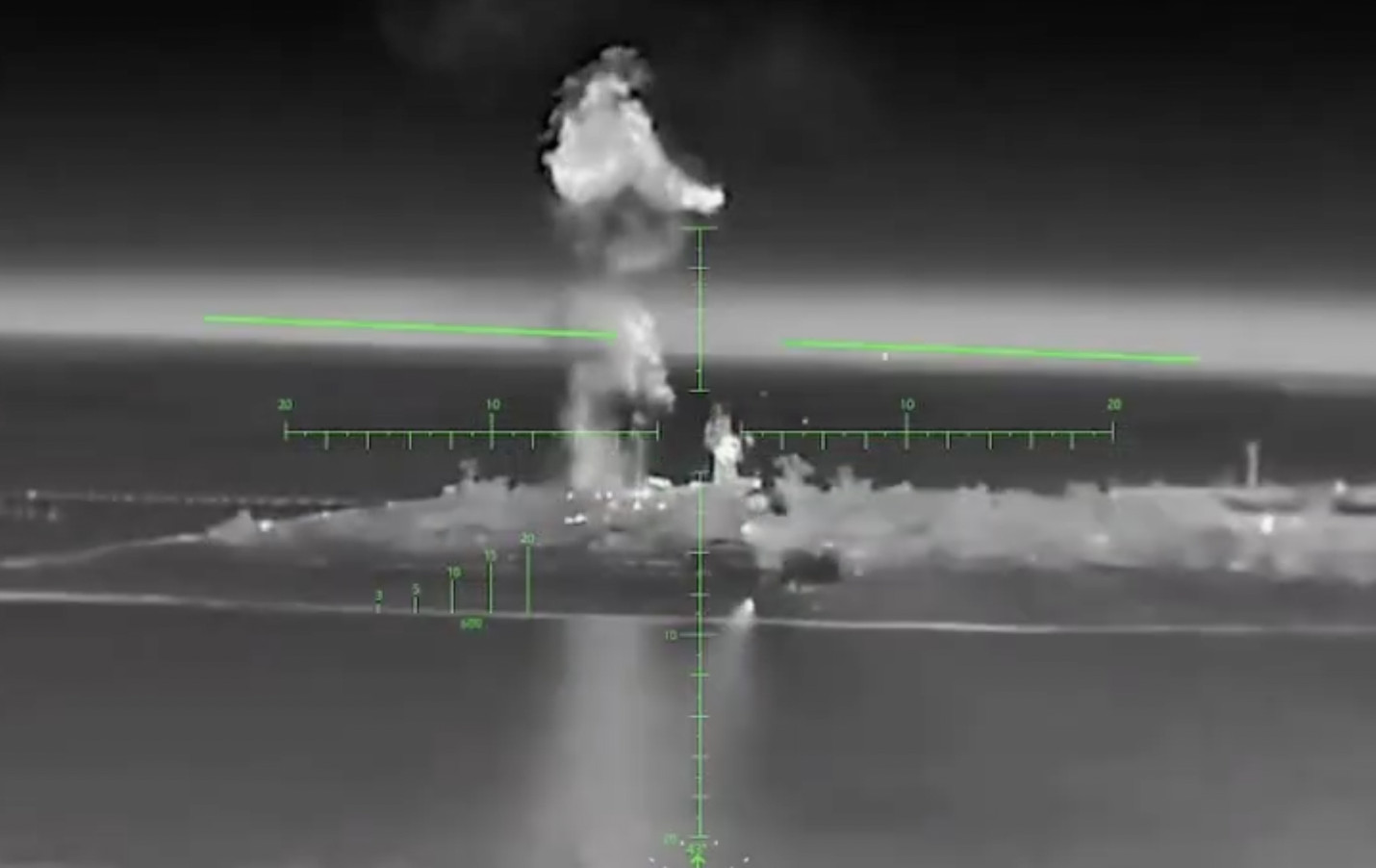
- Russian air defence around high‑value energy infrastructure in Moscow is likely under strain, given multiple drones reached and damaged the refinery despite claimed large‑scale interceptions and video evidence of interceptor misses. (Confidence: medium · ASSESSED)
- I&W: Further successful strikes on the Moscow Oil Refinery or nearby energy assets with publicly visible fires or official outage notices (0-30 days)
- I&W: Documented completion of repairs and a 60‑day period without additional strikes on Moscow‑area energy facilities (1-3 months)
- Western support and Ukraine’s institutionalisation of unmanned warfare are likely to sustain or expand Kyiv’s strike capacity over the next quarter. (Confidence: medium · ASSESSED)
- I&W: Announcements of expanded Ukrainian drone production lines or new long‑range models entering service (1-3 months)
- I&W: A month without reported deep‑strike damage to Russian refineries or logistics nodes (1-2 months)
Outlook & scenarios
High‑tempo exchange: deep strikes and urban disruption persist (60%)
Ukraine continues periodic massed drone sorties against energy infrastructure around Moscow and logistics bottlenecks in Crimea, while Russia maintains large missile and drone salvos against Kyiv, Kharkiv and Dnipro. Expect further refinery outages, temporary airport ground‑stops in European Russia, traffic bans around Crimea’s approaches, and episodic fuel rationing in occupied areas.
Adaptive defences blunt deep strikes, campaign shifts south (40%)
Russian air defences improve around the capital’s refineries, reducing successful hits on Moscow‑area targets. Ukraine concentrates more sorties against road and rail nodes and fuel convoys in occupied southern Ukraine and Crimea. Disruptions persist in the south, but fewer visible effects occur in Moscow.
Extreme retaliation episode (20%)
Following another high‑profile hit near Moscow, Russia delivers an exceptional wave of ballistic and cruise strikes that inflict elevated civilian casualties and energy‑grid damage in major Ukrainian cities. Air‑raid activity spikes, and emergency services face secondary‑strike risks.
Recommendations
- Exploit open‑source video and imagery of Moscow‑area air defence engagements to time‑match interceptor launches, impact points and refinery fires, validating or refuting high interception claims.
- Task collection on refinery operations and repair cycles at the Gazprom Neft‑operated Moscow Oil Refinery, including public outage notices and throughput statements, to assess sustained impact.
- Maintain a standing watch on occupation‑authority channels for traffic restrictions, detours and rationing notices affecting Crimea’s northern approaches and the occupied Donetsk region.
- Integrate NASA FIRMS thermal anomaly data with geolocated strike reports to corroborate fires at refineries, depots and rail chokepoints in European Russia and occupied southern Ukraine.
- Track partner assistance pledged on 18 June and Ukrainian defence‑industry deals for indicators of near‑term unmanned systems growth and air‑defence resourcing that could shift strike and intercept dynamics.
- Monitor Russian official messaging for intent and claimed effects of mass retaliation, and mirror against Ukrainian reports of aerial targets intercepted or suppressed to gauge evolving strike intensity.
Confidence & uncertainty
Overall confidence is medium. The 18 June Moscow strike and its immediate effects are supported by multiple, generally reliable sources with mutually reinforcing details on refinery damage, injuries and airport disruptions. Broader assessments of the logistics campaign’s impact and Russia’s likely retaliation rest on a mix of official statements, aggregated reporting and contested figures for drone interceptions, which introduces uncertainty. Some forward‑looking judgments infer intent and capability from recent patterns rather than direct reporting, keeping confidence below high.
Alternative analysis (red cell)
A more cautious, evidence‑weighted reading is warranted. Credible reporting indicates a significant drone event affecting Moscow and increased Ukrainian attacks on fuel nodes, but key reporting is internally inconsistent (notably drone/intercept counts and flight‑disruption totals) and often single‑sourced or tied to official statements; therefore, it is equally plausible that Ukraine is conducting targeted, episodic strikes that produce localized disruption and political signaling rather than creating sustained, nationwide degradation of Russia's fuel infrastructure or a assured near‑term expansion of Kyiv's strike capacity.
Cited sources
[1] forbes.com · Thursday, June 18. Russia’s War On Ukraine: News And Information From Ukraine (A) · sha256:a87d642f6913 [2] meduza.io · Why are Moscow’s air defenses struggling to stop drone attacks? And why are oil refineries so vulnerable to Ukrainian strikes? (B) · sha256:9b1285a1e2f8 [3] bbc.com · Moscow residents complain of black rain after largest Ukrainian attack hits oil refinery (A) · sha256:3b936b78f38d [4] The Moscow Times · Ukraine Sets Major Oil Refinery Ablaze in Largest-Ever Drone Attack on Moscow - The Moscow Times (B) · sha256:12cafc2161ef [5] Kyiv Post · EXPLAINED: Ukraine’s Mid-Range Drone Strikes vs. Russia – Damage Done and What’s Next (B) · sha256:603f5b78ed33 [6] newsweek.com · Ukraine launches largest attack on Moscow in years (B) · sha256:9bd03ddc41b2 [7] forbes.com · Monday, June 15. Russia’s War On Ukraine: News And Information From Ukraine (A) · sha256:51b380593c77 [8] kyivindependent.com · Russia fired nearly 2,000 drones at Ukraine in one week, Zelensky says (A) · sha256:b79e4b40204f [9] businessinsider.com · Ukraine starting new phrase of Russia war with tech, tactics, progress (B) · sha256:83725d712ca8
Source content hashes were computed at collection time; the cited text is preserved unmodified for the life of this product.
Red cell review: PARTIAL DISSENT
TLP:CLEAR