TLP:CLEAR · Disclosure is not limited.
Eurasia: US-Iran Exchanges and Chokepoint Escalation
Time window: Last 1 day · Audience: General analyst · Type: Situation report · DTG: 2026-09-18 23:38Z · Overall confidence: HIGH
BLUF
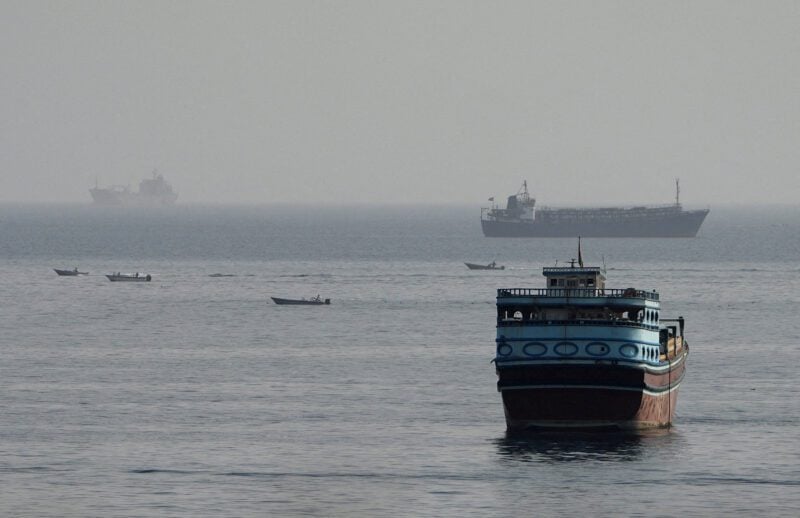
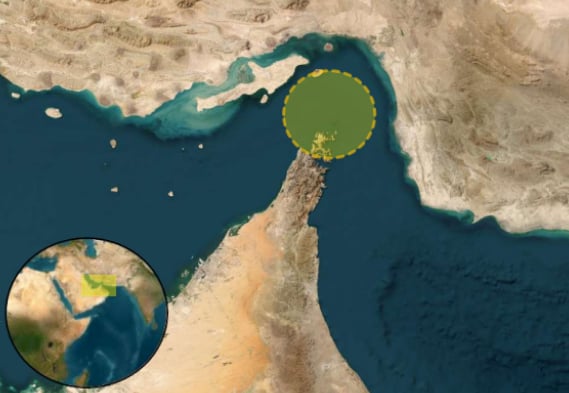
US-Iran military confrontation is very likely to persist over the next 0-14 days, with the immediate operational risk concentrated on contested shipping through the Strait of Hormuz and the Bab el-Mandeb Strait. Hormuz is severely constrained but not demonstrably closed: commercial vessels continue to transit, while tanker attacks, Iranian permit demands and US vessel redirections remain part of the operating environment.
Executive summary
The reporting indicates a broader escalation across the Persian Gulf, Strait of Hormuz, Yemen and the Red Sea. UKMTO recorded three recent Hormuz attack warnings, including the reported IRGC Navy strike on the Togo-flagged tanker Trend, while Iran continues to demand authorised transit under rules requiring permits, designated routes and approved insurance. Houthi forces have taken Mokha, Mayyun Island and other Red Sea islands, tightened their position around Bab el-Mandeb and intensified attacks on Saudi energy infrastructure. Energy markets are already reflecting the disruption, with oil reaching $110 per barrel, LNG spot prices at their highest level in more than three years and VLCC earnings reaching $1.10 million per day. The record contains conflicting year labels and attribution for some incidents, particularly the status of Hormuz traffic and the precise sequence of the Trend attack.
Change from previous assessment
Since the 17 September brief, the assessment has shifted from pressure concentrated mainly on merchant shipping to a broader, multi-chokepoint escalation. New reporting adds three UKMTO attack warnings, the IRGC Navy's reported strike on Trend, a rise in US-reported vessel redirections to 105, Houthi control of Mokha and Red Sea islands, damage to three Saudi pipeline pumping stations and an AI-assisted intelligence failure that nearly triggered a US boarding of a Chinese ship. The assessment that Hormuz is not demonstrably closed remains, but confidence is lower on traffic levels because the latest reporting gives sharply different transit counts. The direct-exchange judgment remains active, while the AI-enabled miscalculation wildcard has been added.
Key judgments
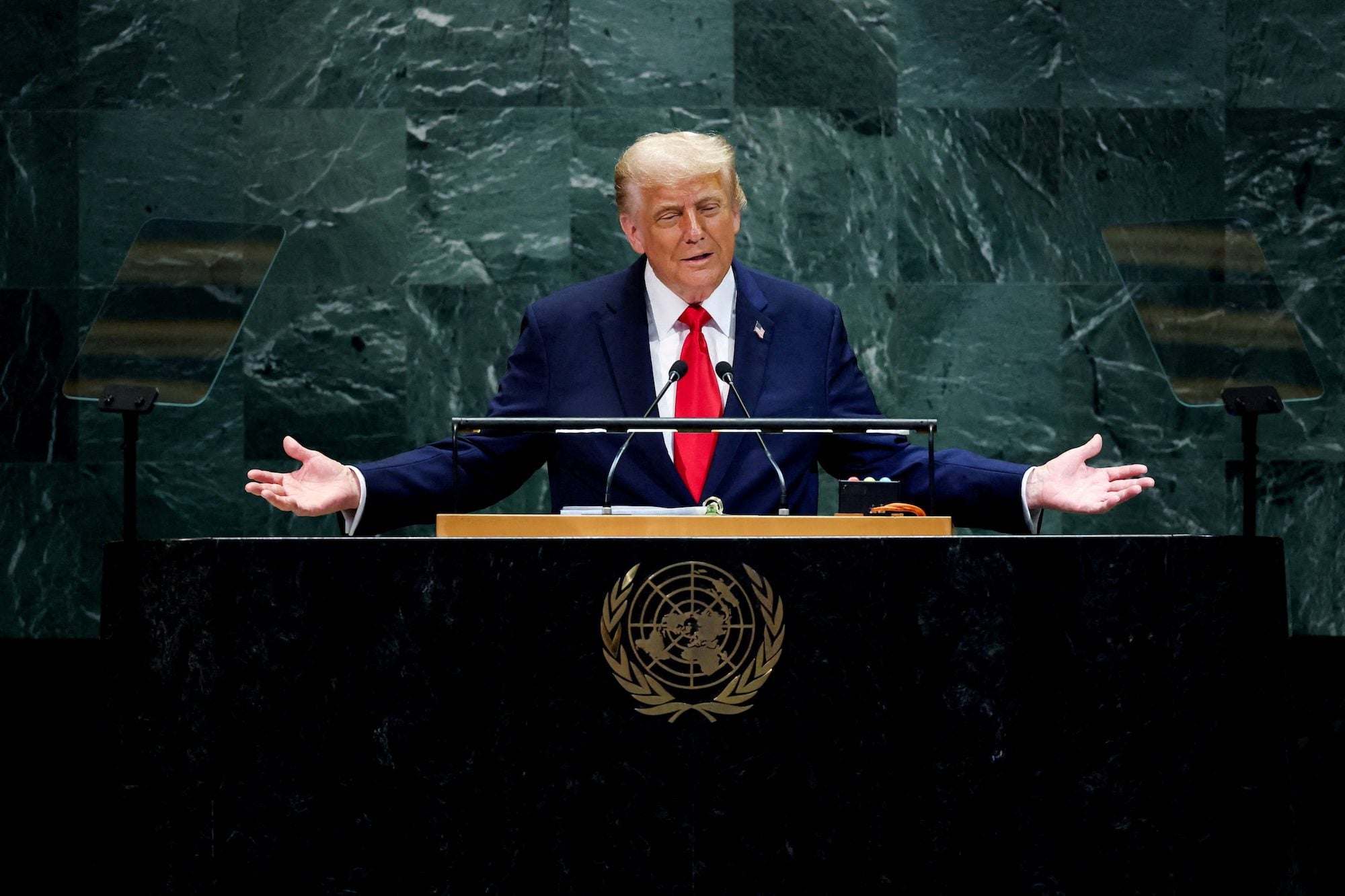
- US-Iran military confrontation is very likely to persist over the next 0-14 days, but the current reporting does not independently confirm a new direct US-Iran exchange on 18 September. The United States and Israel struck Iran on 28 February, Iran has attacked Gulf neighbours and US bases, President Donald Trump has not ruled out new strikes, and IRGC Ground Forces commander Brigadier General Mohammad Karami says Iran is ready to respond. This is an assessed continuation judgment rather than a report of a new exchange. Confidence is medium because the forward assessment rests on multiple statements and reported past actions, while the record contains conflicting year references for some wartime Hormuz incidents. (Confidence: medium · ASSESSED)
- I&W: Confirm: US forces conduct or announce a new strike on an Iranian target, or Iranian forces strike a US base or a Gulf state. (0-14 days)
- I&W: Break: Washington and Tehran announce a mutually observed pause in attacks and no new direct strike occurs during the following 14 days. (0-14 days)
- Commercial transit through the Strait of Hormuz is likely to continue at sharply reduced and risk-managed levels over the next 0-14 days, rather than cease entirely. One account describes Hormuz as effectively closed, while EOS Risk Group reports that 10-20 ships continue to transit daily, Kpler data indicates only four vessels transited on 17 September, and US Central Command reports 105 commercial vessels redirected since the blockade was resumed. At least two LNG shipments transited during the week of 18 September, and Saudi Aramco reportedly plans to move roughly 60 million barrels through Hormuz during September and October. Confidence is medium because the traffic counts, blockade reporting and year labels are inconsistent. (Confidence: medium · ASSESSED)
- I&W: Confirm: ship-tracking data records fewer than five commercial transits per day for three consecutive days, while US Central Command reports additional vessel redirections above 105. (0-14 days)
- I&W: Break: 10-20 vessels continue transiting daily through the Omani route, with additional Saudi Aramco cargoes and LNG shipments completing the passage. (0-14 days)
- Iran has established a permission-based transit regime for Hormuz and publicly claimed enforcement against the Togo-flagged tanker Trend. Iran's June rules require passage permits, designated routes and approved insurance; the IRGC Navy said on 17 September that it struck Trend for unauthorised transit; and Rear Admiral Ali Ozmaei threatened destruction for illegal crossings. This is a reported judgment. Confidence is medium because the enforcement account is Iranian self-report, the reported sequence of the Trend fire and strike conflicts, and UKMTO has not attributed two other projectile attacks to Iran. (Confidence: medium · REPORTED)
- I&W: Confirm: Iranian authorities announce another vessel detention, strike or payment demand linked to an alleged unauthorised transit. (0-14 days)
- I&W: Break: Iran rescinds the permit, route or insurance requirements and publicly authorises unrestricted commercial transit through Hormuz. (0-14 days)
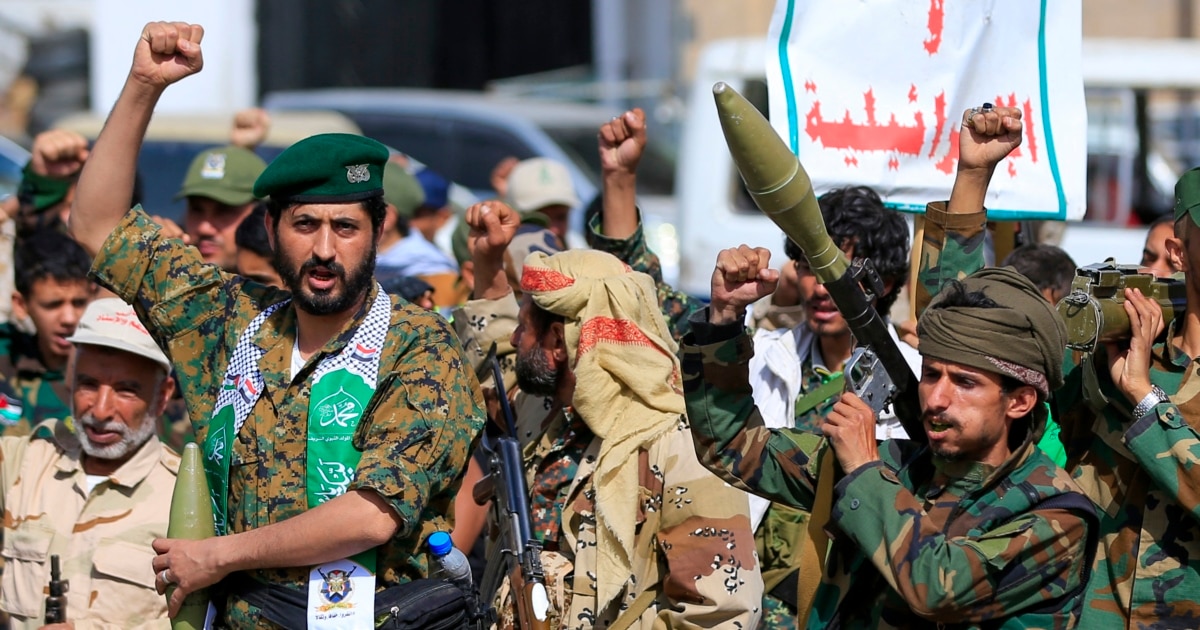
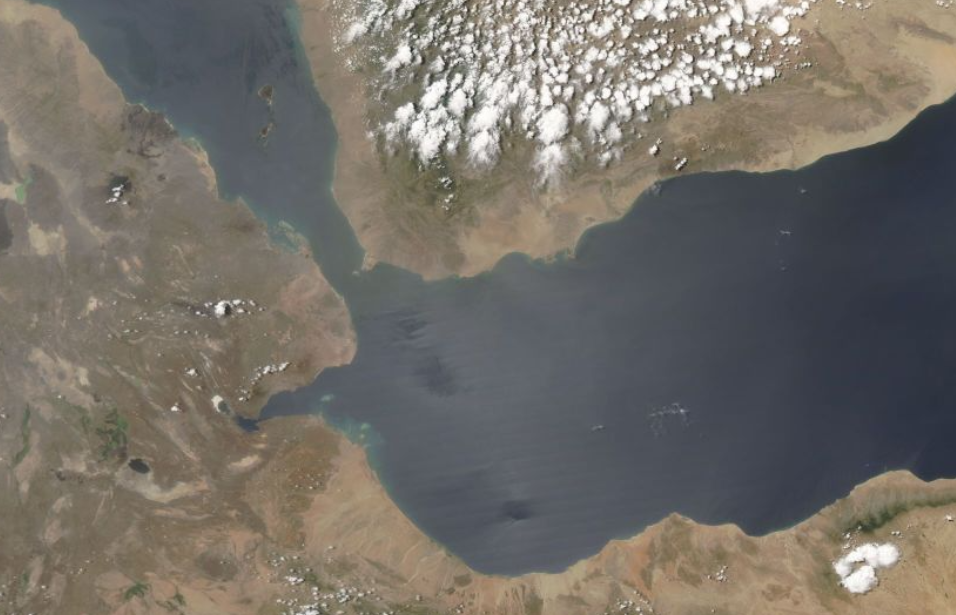
- Houthi forces are likely to sustain pressure on Saudi shipping and energy infrastructure and retain positions around the Bab el-Mandeb Strait over the next 0-14 days; direct attacks on US vessels are unlikely during that period while the Oman assurances hold. Houthi forces have seized Mokha, Mayyun Island and the Zuqar and Hanish archipelago, while Saudi Arabia and the Houthis continue exchanging air strikes, drones and missiles. US officials received assurances in Oman that the Houthis would not block Bab el-Mandeb or attack international shipping except Saudi vessels. Confidence is medium because the territorial-control reporting and the restraint assurances come from different sources. (Confidence: medium · ASSESSED)
- I&W: Confirm: Houthi forces attack a Saudi vessel, port or energy facility, or extend military positions towards another Bab el-Mandeb island. (0-14 days)
- I&W: Break: Houthi representatives publicly revoke the Oman assurances or an Houthi attack strikes a US-flagged or US-operated vessel. (0-14 days)
- Energy and shipping disruption is very likely to persist for 1-3 months, with the Strait of Hormuz, Saudi Arabia's East-West Pipeline and Gulf LNG exports remaining the main pressure points. Gulf LNG exports have been at a virtual standstill since the reported attack on a Qatari tanker in early July; repairs to three damaged East-West Pipeline pumping stations are estimated to require five to six weeks; oil reached $110 per barrel on 15 September; and a VLCC on the Saudi Arabia to China route earned $1.10 million per day. Confidence is medium because the underlying market and infrastructure reporting is well corroborated, but the duration of military disruption remains uncertain. (Confidence: medium · ASSESSED)
- I&W: Confirm: additional LNG ship-to-ship transfers occur off Oman, Gulf LNG exports remain below the pre-war benchmark of about three cargoes per day, and pipeline repairs extend beyond five weeks. (1-3 months)
- I&W: Break: the East-West Pipeline returns to full flow before five weeks and LNG shipments approach the pre-war rate of about three cargoes per day. (1-3 months)
- An accidental US-China or US-Iran escalation triggered by faulty intelligence is unlikely over the next 0-14 days, but remains a high-impact wildcard. A false AI-assisted report nearly led US forces to intercept and board a Chinese ship after aircraft were launched and armed personnel prepared to board; officials halted the operation after finding that the report had misidentified the cargo. Separately, an Iran-linked actor used Claude to track US naval positions and research vulnerabilities in shipboard communications and industrial control systems, while satellite reporting describes renewed Iranian work at Taleghan 2 and reinforced entrances at Pickaxe Mountain. Confidence is low because the AI incident is based on a single trade-publication account and the facility reporting comes from lower-proximity local reporting. (Confidence: low · ASSESSED)
- I&W: Confirm: a new AI-derived or cyber-derived intelligence report prompts US forces to mobilise against an Iranian or Chinese vessel, base or facility before independent corroboration. (0-14 days)
- I&W: Break: US officials confirm the Chinese-ship episode was isolated, impose verified human review for similar targeting decisions and report no new interception or strike triggered by disputed intelligence. (0-14 days)
Outlook & scenarios
Managed but dangerous containment (46%)
The most likely path is continued US-Iran confrontation without a new direct exchange, while Iran maintains selective control measures in Hormuz and commercial traffic continues through risk-managed routes. Houthi assurances to Washington hold for US and non-Saudi shipping, but Saudi vessels and energy infrastructure remain exposed.
Multi-chokepoint escalation (29%)
Iranian enforcement produces additional vessel incidents in Hormuz, while Houthi forces attack Saudi shipping or energy infrastructure and retain control around Bab el-Mandeb. LNG flows remain depressed, the East-West Pipeline repair period extends, and oil and tanker prices rise further.
Limited diplomatic restraint (17%)
The Oman channel and the planned meeting between Donald Trump and Persian Gulf leaders produce a temporary restraint arrangement. Hormuz traffic increases from its lowest levels, Houthi attacks on non-Saudi shipping remain suspended and no new US strike on Iran occurs during the period.
High-impact miscalculation (8%)
A false AI-assisted assessment, cyber incident or disputed activity at Pickaxe Mountain or Taleghan 2 prompts a US interception or strike. The incident involves a Chinese vessel or an Iranian target, generates direct retaliation and removes the remaining space for controlled signalling.
Recommendations
- Treat the Strait of Hormuz as contested and partially open in daily reporting. Separate verified transits, reported transits, US redirections and vessels using ship-to-ship transfer arrangements rather than using a single closed or open label.
- Maintain a 0-14 day warning matrix using three thresholds: fewer than five daily Hormuz transits for three consecutive days, more than 105 US-reported vessel redirections, and any additional IRGC Navy vessel detention or strike.
- Prioritise validation of the original UKMTO advisories for the 16-18 September incidents, including the Khasab bearing, the number of tanker attacks and whether the Friday incident was distinct from the 16 September strike.
- Track Houthi compliance with the Oman assurances separately for US, non-Saudi and Saudi shipping. Treat any attack on a US vessel or any Houthi statement revoking the assurances as an immediate escalation marker.
- Monitor Saudi East-West Pipeline repair progress, Gulf LNG export volumes, LNG transfers off Oman and tanker earnings weekly. Use the five to six week repair estimate as the first benchmark for judging whether disruption is becoming persistent.
- Require independent human corroboration before treating AI-assisted intelligence as a basis for boarding, intercepting or striking a Chinese or Iranian vessel. Flag any report that combines open-source and classified inputs without a documented source review.
- Maintain a chronology register for the conflict and Hormuz incidents. Resolve the conflicting 2025 and 2026 date references before aggregating attack totals or drawing conclusions about the pace of escalation.
Confidence & uncertainty
Overall confidence is high because the core picture is corroborated by multiple independent sources, including UKMTO incident warnings, IMO shipping data, Reuters and Bloomberg reporting, major-media accounts and maritime trade reporting. The strongest findings concern recent tanker attacks, Houthi territorial gains, Saudi pipeline damage and continued commercial traffic through Hormuz. Confidence is lower for precise attribution, the extent of Iranian control over individual attacks, conflicting incident dates and the duration of any disruption.
Intelligence gaps
- [EEI 1.2 · UNCOVERED] Changes in US or Iranian force posture indicating preparation for further attacks, including aircraft dispersal, missile-unit movement, naval sortie activity, or air-defense activation. Recommended collection: satellite imagery/aviation and maritime tracking
- [EEI 2.1 · UNCOVERED] Deployment or repositioning of Iranian ballistic missiles, cruise missiles, drones, fast-attack craft, or other strike assets within operational range of US or partner targets. Recommended collection: satellite imagery/signals intelligence
- [EEI 2.4 · PARTIAL] Changes in Iranian military alert levels, command activity, weapons dispersal, or continuity-of-government measures. Recommended collection: signals intelligence/satellite imagery
- [EEI 3.1 · PARTIAL] Arrival or departure of US carrier strike groups, bombers, air-defense units, special operations forces, or additional personnel in the region. Recommended collection: maritime and aviation tracking
- [EEI 3.2 · UNCOVERED] Changes to US force-protection conditions, base access, evacuation plans, embassy staffing, or noncombatant evacuation preparations. Recommended collection: official notices/diplomatic reporting
- [EEI 3.3 · PARTIAL] Presidential, Pentagon, or theater-command statements describing authorized response options, expanded objectives, or revised rules of engagement. Recommended collection: official statements
- [EEI 4.3 · PARTIAL] Regional government decisions to close airspace or waterways, raise military readiness, expel personnel, or request additional US or allied forces. Recommended collection: official statements/aviation and maritime notices
Cited sources
[1] Reuters (republished by gCaptain) · Trump Returns to UN as Iran War Spreads Across Shipping Chokepoints (A) · Fri Sep 18 2026 16:58:46 GMT+0000 (Coordinated Universal Time) · sha256:7dcae6a7bc9a [2] Interfax · Генерал КСИР заявил о полной готовности Ирана к продолжению конфликта (A) · Fri Sep 18 2026 16:53:00 GMT+0000 (Coordinated Universal Time) · sha256:56864d8b759b [3] The Maritime Executive · Iran Exploits Attack on Small Product Tanker to Assert Hormuz Control (C) · sha256:093f709c7cc9 [4] Radio Free Europe/Radio Liberty · Yemen Conflict Intensifies, Reverberating Beyond The Region (A) · Fri Sep 18 2026 14:55:07 GMT+0000 (Coordinated Universal Time) · sha256:4e62422618bb [5] Bloomberg (republished by gCaptain) · More LNG Getting Through Hormuz as Producers Push for Transits (A) · Fri Sep 18 2026 09:18:10 GMT+0000 (Coordinated Universal Time) · sha256:831f2db8d752 [6] gCaptain · Three Tanker Attacks Hit Hormuz as Saudi Oil Is Forced Back Toward Strait (C) · Fri Sep 18 2026 16:07:36 GMT+0000 (Coordinated Universal Time) · sha256:fba4e5bcba79 [7] gCaptain · U.S. Sanctions Crypto Exchange Tied to Iran’s Hormuz Transit Payments (C) · Fri Sep 18 2026 15:56:09 GMT+0000 (Coordinated Universal Time) · sha256:6a3c5c6367b1 [8] The Maritime Executive · Africa’s Red Sea States Face Growing Risks as Houthi Expand Their Reach (C) · sha256:520a16e34ce5 [9] gCaptain · Shipping’s New Normal: Slower Trade, Higher Costs, Bigger Profits (C) · Fri Sep 18 2026 18:05:15 GMT+0000 (Coordinated Universal Time) · sha256:f62a19210f53 [10] gCaptain · AI Error Nearly Triggered U.S. Intercept of Chinese Ship, CNN Reports (C) · Fri Sep 18 2026 19:30:47 GMT+0000 (Coordinated Universal Time) · sha256:886515941f81 [11] EADaily · ISI: Иран возобновил работы по обогащению урана: EADaily (D) · Fri Sep 18 2026 01:30:00 GMT+0000 (Coordinated Universal Time) · sha256:bdacf9e68135
Source content hashes were computed at collection time; the cited text is preserved unmodified for the life of this product.
TLP:CLEAR