TLP:CLEAR · Disclosure is not limited.
Eurasia: US-Iran Exchanges and Hormuz Pressure
Time window: Last 1 day · Audience: General analyst · Type: Situation report · DTG: 2026-08-30 17:38Z · Overall confidence: MEDIUM
BLUF
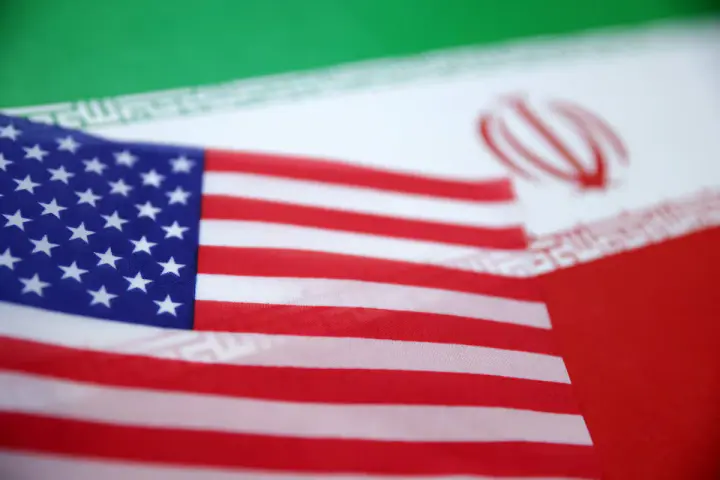
The Strait of Hormuz is likely to remain closed to free passage over the next 0-14 days, although Iran appears to retain a roughly even chance of allowing selective, coordinated transits. A further direct US-Iran military exchange remains a roughly even chance as Washington rejects negotiations, Tehran maintains coercive leverage, and US commanders warn that prolonged operations are unsustainable.
Executive summary
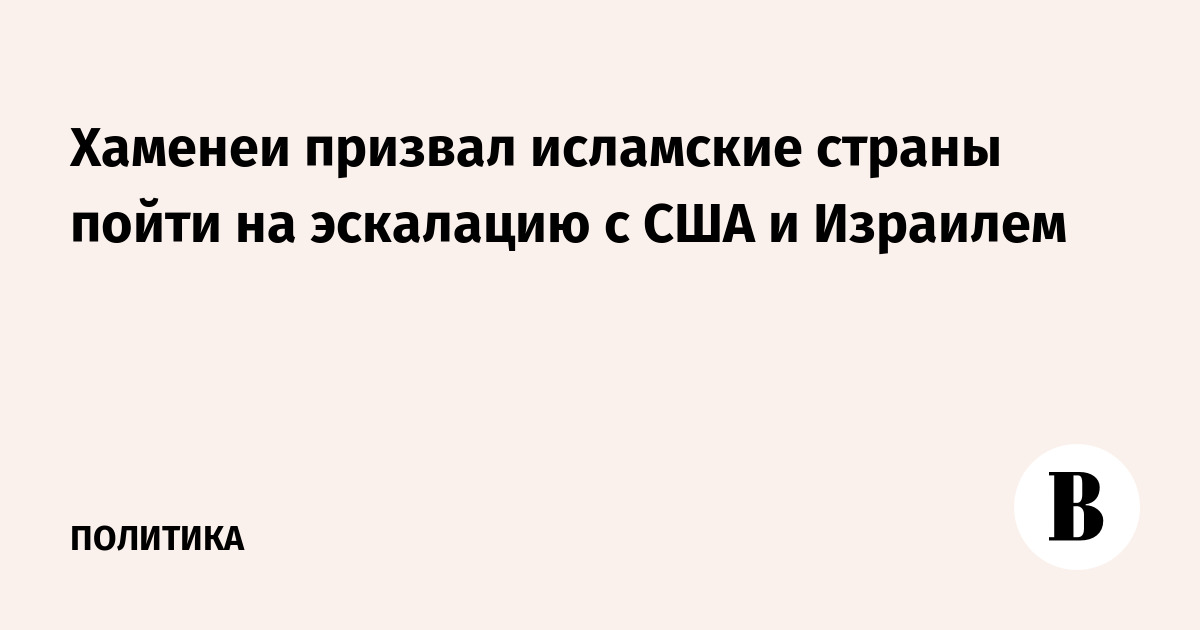
As of 30 August 2026, Iranian officials describe the Strait of Hormuz as closed until the United States meets Tehran's conditions, while also referring to an unimplemented passage procedure agreed with Oman. Mojtaba Khamenei has called for Islamic unity against the US and Israel. Washington is maintaining economic pressure and has threatened countries trading with Iran, but Turkey has not received instructions to sever commercial ties. The United States has sustained a large regional deployment, suffered 18 military deaths and more than 750 wounded, and is preparing to activate Empire State VII for an undisclosed federal mission. The supplied record contains conflicting accounts of the degree of maritime closure, the scale of Iranian strikes on Gulf targets, and the attribution of some earlier Iranian leadership statements.
Change from previous assessment
Compared with the 29 August brief, the assessment shifts towards a tighter and more explicitly conditional closure of the Strait of Hormuz, while confidence remains medium because reports still distinguish between total blockage and selective passage. The roughly even chance of another direct US-Iran exchange is retained. The brief adds a dual-track assessment of Iranian decision-making, based on competing agreement advocates and hardline figures, and gives greater weight to the reported US commander warning and Empire State VII activation as indicators of operational strain. The previous high-confidence assessment of continued US economic pressure is retained in direction but lowered to medium confidence because implementation evidence remains uneven.
Key judgments
- The Strait of Hormuz is likely to remain closed to free passage over the next 0-14 days, with a roughly even chance that Iran permits selective, coordinated transits. Kazem Gharibabadi said Iran will not resume transit first, described the strait as completely blocked, and stated that no vessel can pass without Iranian coordination. Iran's Foreign Ministry separately said reopening depends on the United States meeting Tehran's conditions. The report that Iranian Armed Forces stopped about 30 vessels for rule violations, together with Gharibabadi's account of an unimplemented procedure agreed with Oman, leaves the operational degree of closure unresolved. This is an assessed judgement with medium confidence. Multiple major-media and local-media reports support the closure, but the accounts conflict over whether passage is entirely blocked or conditional. (Confidence: medium · ASSESSED)
- I&W: Iran's Foreign Ministry or Kazem Gharibabadi repeats that commercial vessels require Iranian coordination or that reopening depends on US compliance. (0-14 days)
- I&W: Dated maritime reporting records unrestricted commercial transits through the Strait of Hormuz without Iranian coordination. (0-14 days)
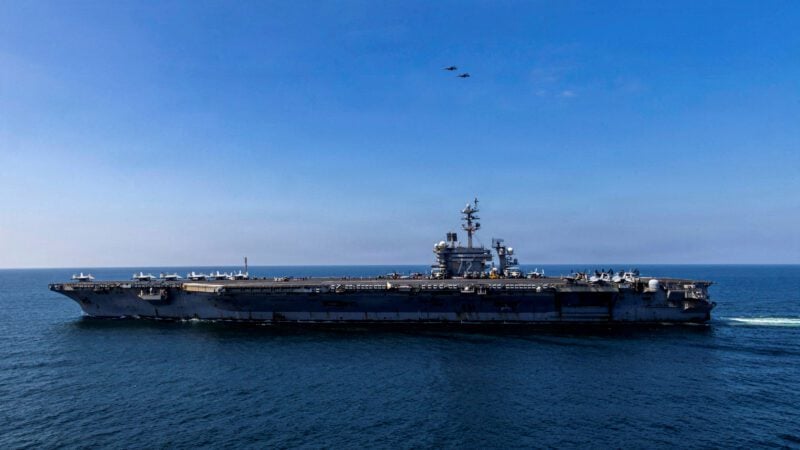
- A further direct US-Iran military exchange is roughly even chance over the next 0-14 days. The United States has been at war with Iran for approximately six months, has more than 50,000 troops stationed across the Middle East, and has suffered 18 deaths and more than 750 wounded. Donald Trump's rejection of negotiations and promise to punish countries trading with Iran, Mojtaba Khamenei's call for Islamic unity against Washington and Tel Aviv, and US commanders' warning that prolonged large-scale operations are unsustainable sustain escalation risk. This is an assessed judgement with medium confidence. The force posture and casualty reporting come mainly from wire sources, while the commanders' warning is a single-source report and reports of Iranian strikes on Gulf oil facilities and tankers are low-confidence and contested. (Confidence: medium · ASSESSED)
- I&W: US or Iranian authorities report a new strike on the other side's military personnel, territory, vessel, or military asset. (0-14 days)
- I&W: Washington announces a halt to offensive operations and Iran announces implementation of the Oman passage procedure without awaiting further US concessions. (0-14 days)
- Iran is likely to pursue a dual track over the next 0-14 days, maintaining coercive leverage over the Strait of Hormuz while testing mediated conditions for an agreement. Masoud Pezeshkian, Mohammad Bagher Ghalibaf and Abbas Araghchi favour using the current situation to reach an agreement with Washington. Kazem Gharibabadi has described an Oman passage arrangement and mediator activity involving Qatar and Pakistan. By contrast, Mohsen Rezaei has demanded sanctions relief, unfreezing of Iranian assets and an end to US military operations, while reporting describes increased IRGC influence and a split within Iran's leadership. This is an assessed judgement with medium confidence. The diplomatic statements are directly reported, but the leadership-split and IRGC-influence assessments rely on medium-confidence reporting, and some earlier statements are inconsistently attributed to Mojtaba Khamenei and to the office of Iran's supreme leader. (Confidence: medium · ASSESSED)
- I&W: Iranian officials repeat conditions for ending the confrontation while Qatar, Pakistan or Oman report further work on an agreement or passage procedure. (0-14 days)
- I&W: Tehran announces implementation of the Oman arrangement without first receiving the US concessions demanded by Gharibabadi and Mohsen Rezaei. (0-14 days)
- The United States is very likely to continue economic pressure on Iran over the next 0-14 days, but third-country implementation is likely to remain uneven. Donald Trump stated that Washington was not negotiating with Tehran and intended to punish countries doing business with Iran. The United States had not provided Turkey with proposals to sever commercial ties with Iran after announcing the Economic Outcast operation. This is an assessed judgement with medium confidence. The policy direction is clear from presidential reporting, but the evidence on implementation in Turkey is source-dependent and does not establish how Washington will approach other countries. (Confidence: medium · ASSESSED)
- I&W: Washington issues Turkey or another trading partner specific instructions to restrict commercial ties with Iran or announces additional penalties under the Economic Outcast operation. (0-14 days)
- I&W: The White House announces negotiations with Tehran or suspends the threatened punishment of countries trading with Iran. (0-14 days)
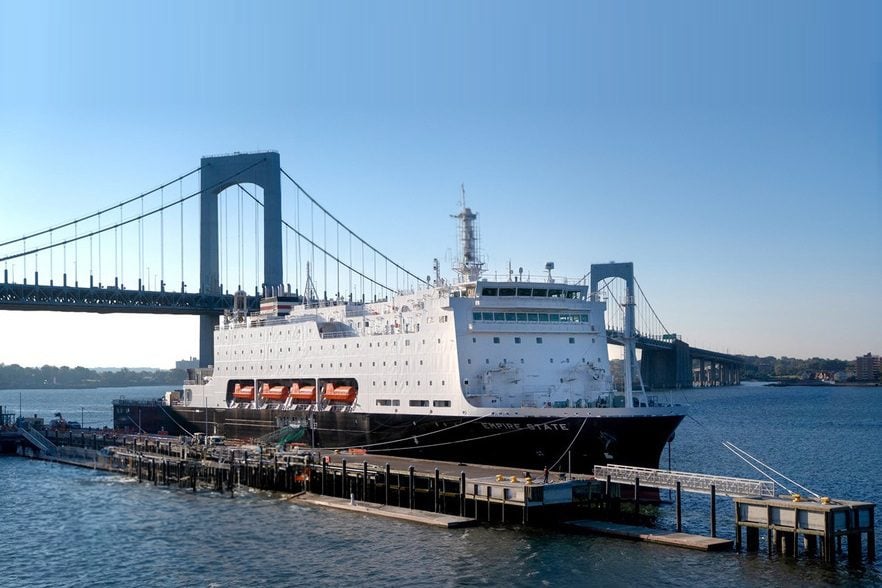
- The US military is likely to face sustained logistics pressure over the next 1-3 months, but the extent of the burden remains uncertain. US commanders reportedly warned Pete Hegseth that prolonged large-scale operations against Iran are unsustainable. MARAD is preparing Empire State VII for a federal mission of approximately 170 days beginning around 1 September, amid heightened logistics requirements linked to Middle East operations, while the mission's destination and purpose remain undisclosed. This is an assessed judgement with low confidence because the commanders' warning is single-source reporting and the ship's mission has not been officially described. (Confidence: low · ASSESSED)
- I&W: Empire State VII enters federal service around 1 September and MARAD confirms a mission lasting approximately 170 days. (0-14 days)
- I&W: MARAD cancels or materially shortens the activation, or US commanders withdraw the warning about the sustainability of prolonged operations. (1-3 months)
Outlook & scenarios
Conditional Hormuz closure and continued pressure (55%)
Iran maintains the Strait of Hormuz as a controlled pressure point, permitting passage only after coordination or further US concessions. Washington sustains economic pressure and its regional military posture, but no new direct exchange occurs during the period.
Renewed direct US-Iran exchange (40%)
The current military posture and hostile statements produce another direct exchange within 0-14 days. Iran retains restrictions on shipping, while the United States responds with additional military or economic measures.
Mediated implementation (25%)
Oman, Qatar and Pakistan help establish a sequence in which Tehran and Washington make limited reciprocal moves. Iran begins implementing the Strait of Hormuz passage procedure, while the United States adjusts sanctions or operational demands without reaching a durable settlement.
Regional spillover wildcard (10%)
A low-probability, high-impact escalation follows verified Iranian attacks on Gulf oil facilities or tankers, or Hezbollah action after an Iranian signal. The result is a wider confrontation involving additional Gulf or Lebanese actors and a sharp reduction in prospects for mediated implementation.
Recommendations
- For the next 14 days, use a conditionally closed Strait of Hormuz as the planning baseline. Maintain a daily tracker of Iranian Foreign Ministry statements, Gharibabadi's passage conditions, reported vessel transits, and implementation of the Oman procedure.
- Separate confirmed maritime incidents from Iranian or US characterisations of the operating picture. Require two-source corroboration before treating claims of unrestricted passage, a total blockade, or attacks on Gulf oil facilities and tankers as established facts.
- Prioritise monitoring of Qatar, Pakistan and Oman for evidence that the parties are returning to the Islamabad memorandum or implementing the Oman passage arrangement.
- Track US economic measures against third-country trade with Iran, with Turkey as the immediate test case. Record whether Washington issues specific instructions, announces penalties, or instead opens a negotiating channel.
- Request a status update on Empire State VII around 1 September, including whether MARAD activates the vessel, the mission duration, and any officially disclosed destination. Treat unconfirmed reporting linking the ship to Diego Garcia as unverified.
- Maintain a separate leadership tracker for statements and appointments involving Mojtaba Khamenei, Masoud Pezeshkian, Mohammad Bagher Ghalibaf, Abbas Araghchi, Mohsen Rezaei and the IRGC. Flag evidence that either the agreement advocates or the hardline camp is directing policy.
Confidence & uncertainty
Overall confidence is medium. The closure of the Strait of Hormuz, the US regional deployment and the stated diplomatic positions are supported by multiple claims from major-media, wire and official sources. Confidence is lower on the exact degree of maritime closure, the scale and attribution of reported Iranian strikes on Gulf targets, the internal balance of power in Tehran, and the implications of Empire State VII's undisclosed mission. Conflicting accounts and several single-source or low-confidence reports prevent a higher headline assessment.
Intelligence gaps
- [EEI 1.1 · PARTIAL] Confirmed strikes, attacks, interceptions, or casualties involving US or Iranian forces, including location, timing, and weapon systems used. Recommended collection: military reporting/open-source imagery
- [EEI 1.2 · PARTIAL] Changes in US or Iranian force posture indicating preparation for further attacks, including aircraft dispersal, missile-unit movement, naval sortie activity, or air-defense activation. Recommended collection: satellite imagery/aviation and maritime tracking
- [EEI 1.4 · UNCOVERED] Evidence of mobilization or operational tasking by Iranian-aligned armed groups against US personnel, bases, or partners. Recommended collection: local reporting/social media/human intelligence
- [EEI 2.1 · UNCOVERED] Deployment or repositioning of Iranian ballistic missiles, cruise missiles, drones, fast-attack craft, or other strike assets within operational range of US or partner targets. Recommended collection: satellite imagery/signals intelligence
- [EEI 2.2 · UNCOVERED] Orders, threats, targeting claims, or attack preparations by Iranian proxy groups in Iraq, Syria, Lebanon, Yemen, or the Gulf. Recommended collection: group statements/local reporting
- [EEI 2.4 · PARTIAL] Changes in Iranian military alert levels, command activity, weapons dispersal, or continuity-of-government measures. Recommended collection: signals intelligence/satellite imagery
- [EEI 3.1 · PARTIAL] Arrival or departure of US carrier strike groups, bombers, air-defense units, special operations forces, or additional personnel in the region. Recommended collection: maritime and aviation tracking
- [EEI 3.2 · UNCOVERED] Changes to US force-protection conditions, base access, evacuation plans, embassy staffing, or noncombatant evacuation preparations. Recommended collection: official notices/diplomatic reporting
- [EEI 3.3 · PARTIAL] Presidential, Pentagon, or theater-command statements describing authorized response options, expanded objectives, or revised rules of engagement. Recommended collection: official statements
- [EEI 3.4 · PARTIAL] US or coalition kinetic actions against Iranian territory, military infrastructure, or aligned groups following new exchanges. Recommended collection: military reporting/open-source imagery
- [EEI 4.2 · PARTIAL] Changes in commercial vessel routing, port calls, AIS behavior, shipping delays, or war-risk insurance premiums in the Gulf, Strait of Hormuz, Red Sea, or adjacent waters. Recommended collection: maritime/AIS
- [EEI 4.3 · UNCOVERED] Regional government decisions to close airspace or waterways, raise military readiness, expel personnel, or request additional US or allied forces. Recommended collection: official statements/aviation and maritime notices
- [EEI 4.4 · PARTIAL] Sustained movements in oil and gas prices, tanker freight rates, or reported disruptions to production and export facilities attributable to the military exchanges. Recommended collection: energy-market reporting
Cited sources
[1] NEWS.am · Замглавы МИД Ирана: Ни одно судно не может пройти Ормуз без координации с Тегераном (B) · sha256:ec5e6ad06f94 [2] dahab.pro · Новости Ирана, обзор СМИ (E) · sha256:1f9180023a5f [3] УНН (unn.ua) · Борьба за власть в Иране может определить, когда закончится война с США - CNN (D) · sha256:f757b7a761d2 [4] Reuters (republished by gCaptain) · US Military Families Ride 'Roller Coaster Of Emotions' Over Six Months Of Iran War (A) · sha256:7f13fd8b9553 [5] Ведомости (Vedomosti) · Хаменеи призвал исламские страны пойти на эскалацию с США и Израилем - Ведомости - 30 августа 2026 (A) · sha256:3258bf8fcd04 [6] Vzglyad (vz.ru) · Хаменеи призвал исламские страны объединиться против США и Израиля (B) · sha256:254fd49804bc [7] gCaptain · MARAD Activates SUNY Maritime Training Ship Empire State VII for Undisclosed National Mission (C) · sha256:64ebe7c99adb
Source content hashes were computed at collection time; the cited text is preserved unmodified for the life of this product.
TLP:CLEAR