TLP:CLEAR · Disclosure is not limited.
Eurasia: US-Iran Exchanges and Maritime Risk Expand
Time window: Last 1 day · Audience: General analyst · Type: Situation report · DTG: 2026-09-10 20:07Z · Overall confidence: HIGH
BLUF
The US-Iran exchange has continued around the Strait of Hormuz, the Gulf of Oman, Bahrain and Jordan, while Iran-aligned Houthis have reported gains around Mocha and the Bab el-Mandeb. Restricted Hormuz traffic and elevated tanker costs are very likely to persist over the next 14 days, with a wider Red Sea spillover remaining the main escalation risk.
Executive summary
As of 10 September 2026, reporting indicates direct US-Iran attacks involving Iranian tankers, Iranian attacks on ships and US-linked facilities, and an IRGC warning of further escalation. Iran-aligned Houthis reportedly seized Mocha and advanced towards the Hanish Islands, although other reporting describes an ongoing advance rather than confirmed control. Hormuz traffic fell to seven tracked transits on 9 September, below the 10-day average of 14, while shuttle operations continued to move an estimated 10 million barrels of oil per day through the Gulf of Oman. Brent and WTI were reported above $100 per barrel, and tanker earnings and charter rates reached record levels.
Change from previous assessment
Since the 9 September brief, the assessment has shifted towards a broader maritime crisis. New reporting indicates that the Houthis reportedly seized Mocha, reached or established footholds on Red Sea islands, and increased pressure on Bab el-Mandeb, while the IRGC claimed control over maritime traffic beyond Hormuz and the US-Iran exchange continued. Confidence has increased that spillover is expanding into the Red Sea, but confidence in the exact status of Mocha, Perim and the Hanish Islands is lower because current reports conflict. The prior low-confidence Iran-Oman corridor judgement is retired because this run provides no new corridor evidence. The prior low-confidence munitions-management judgement is not updated because this run provides no new supporting claim.
Key judgments
- The US and Iran are conducting direct military attacks around the Strait of Hormuz, the Gulf of Oman, Iran and Bahrain. The US military reportedly destroyed five Iranian crude tankers, Iran said it attacked 10 ships, and the Pentagon reportedly acknowledged serious damage to US Navy facilities in Bahrain. The core exchange is corroborated by wire-service, major-media and trade-publication reporting, but the reported tanker locations and the extent of damage remain disputed. (Confidence: high · REPORTED)
- I&W: A further US strike on an Iranian tanker or Iranian attack on a US warship, US facility or commercial vessel is publicly attributed to the responsible actor. (0-14 days)
- I&W: US and Iranian authorities establish that the reported tanker and facility incidents did not occur, or formally attribute them to unrelated events. (0-14 days)
- Further direct US-Iran military exchanges are very likely within 0-14 days. The IRGC said it would escalate its response to further attacks, while Donald Trump said Washington was not negotiating with Tehran. This judgement is high confidence because the escalation warning and the continuing attacks are supported by multiple sources, although the precise locations and damage assessments remain contested. (Confidence: high · ASSESSED)
- I&W: The IRGC issues another escalation warning, or the US military conducts another strike on an Iranian tanker or military target. (0-14 days)
- I&W: Washington and Tehran announce a reciprocal halt to attacks and sustain it for seven consecutive days without a new strike or escalation statement. (0-14 days)
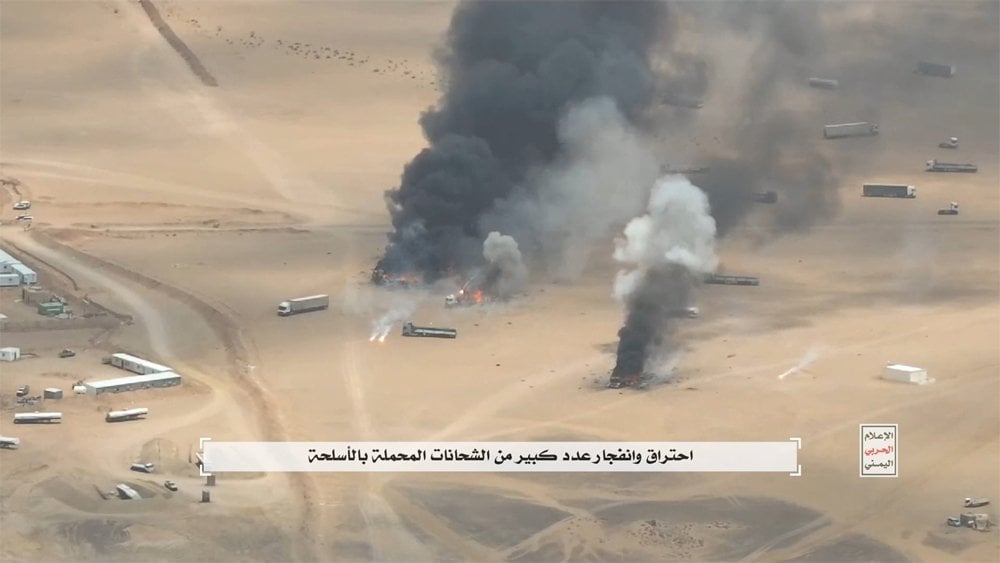
- The Houthis are likely to consolidate or extend their position from Mocha towards the Hanish Islands and the Bab el-Mandeb within 0-14 days, increasing pressure on Red Sea shipping. Reuters-republished reporting says Mocha fell to the Houthis, while other reporting describes an advance towards the city and footholds on Hanish rather than confirmed control of all claimed islands. Confidence is medium because the battlefield reporting is materially contradictory and Houthi claims of control over Perim and all Yemeni Red Sea islands are not independently corroborated. (Confidence: medium · ASSESSED)
- I&W: New imagery or reporting shows Houthi forces at Mocha airfield, on Perim Island or on the Hanish Islands, or records another attack on a vessel near Bab el-Mandeb. (0-14 days)
- I&W: Internationally Recognised Government forces retake Mocha or deny Houthi access to Perim and Hanish, while Bab el-Mandeb traffic remains near the current level of 27 to 28 commodity ships per day. (0-14 days)
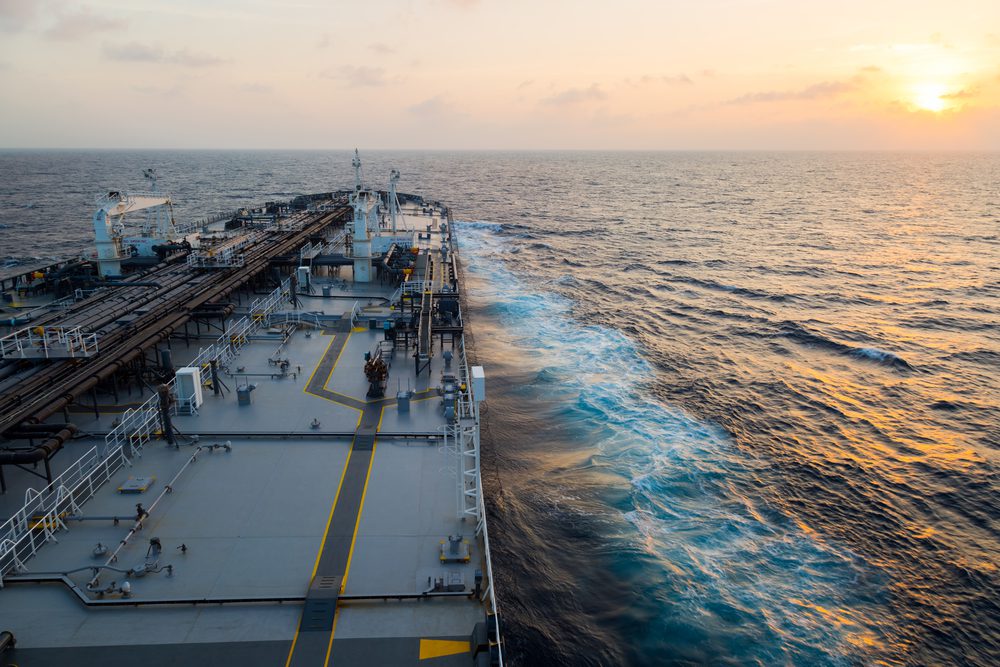
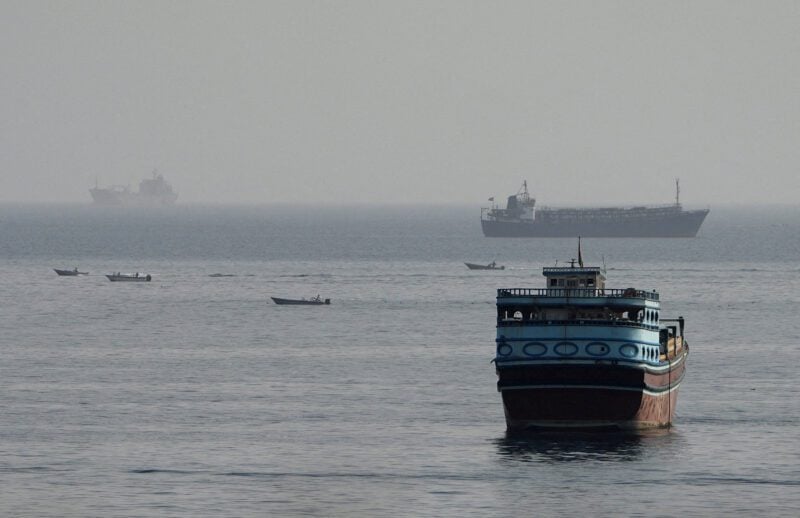
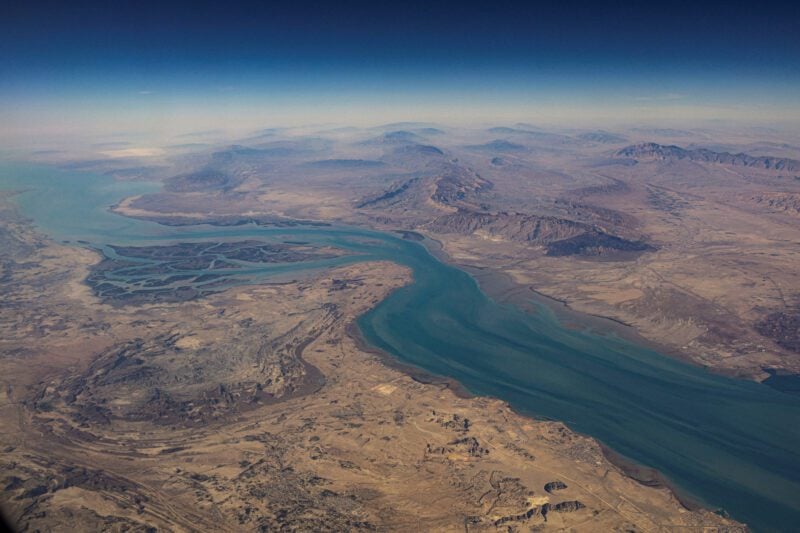
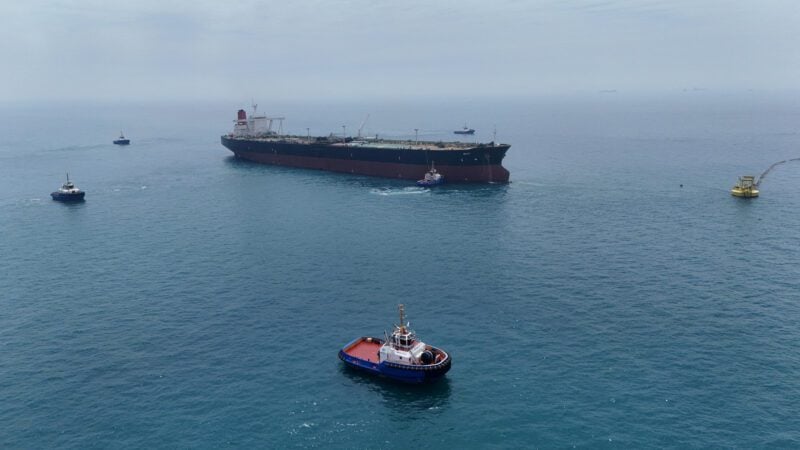
- Restricted but functioning traffic through the Strait of Hormuz is very likely to persist within 0-14 days, rather than a complete halt. Tracked transits fell to seven on 9 September, four vessels exited and three entered, no LNG tanker exited, and Vitol estimated that a Gulf of Oman shuttle arrangement was still moving about 10 million barrels of oil per day. Confidence is high for sustained disruption because shipping data, trade reporting and company statements converge, although transponder-off vessels and the exact oil-flow volume create measurement gaps. (Confidence: high · ASSESSED)
- I&W: Tracked Hormuz transits remain below the 10-day average of 14, with at least one crude carrier exiting and LNG tanker departures remaining at zero. (0-14 days)
- I&W: Daily transits return to or exceed 14 for seven consecutive days and LNG tankers resume regular departures from the Strait of Hormuz. (0-14 days)
- Energy and tanker-market stress is likely to persist for 1-3 months. Crude prices are reported to be more than 40 percent above their level when the war began, US petrol averages nearly $4.28 per gallon, tanker earnings on the Middle East-to-China route are near $800,000 per day, and US Gulf to Asia VLCC offers reached $29.5 million. Confidence is medium because the broader stress signal is corroborated, but reports conflict over the 10 September Brent price and daily direction, ranging from $100.71 and down 0.5 percent to $105.26 and up 4 percent. (Confidence: medium · ASSESSED)
- I&W: Brent remains above $100 per barrel while Middle East-to-China VLCC earnings remain near $800,000 per day. (0-14 days)
- I&W: Brent closes below $100 for five consecutive trading days and VLCC earnings fall below $100,000 per day. (1-3 months)
- A durable US-Iran de-escalation is unlikely within 0-14 days. The IRGC has threatened an escalatory response, Donald Trump has said Washington is not negotiating with Tehran, and the Houthis have continued operations against Saudi Arabia and Red Sea shipping. Confidence is medium because the indicators show hostile intent and continued activity, but they do not establish that diplomacy is impossible. (Confidence: medium · ASSESSED)
- I&W: The IRGC issues another escalation statement or the US conducts another tanker strike without a concurrent negotiation announcement. (0-14 days)
- I&W: Washington and Tehran announce direct talks or a reciprocal halt, followed by seven days without attacks on military or commercial targets. (0-14 days)
Outlook & scenarios
Continued exchanges with managed maritime disruption (50%)
This is the most likely scenario. US and Iranian attacks continue around the Gulf of Oman and Strait of Hormuz, while shuttle operations preserve part of the oil flow. Hormuz traffic remains restricted, tanker costs stay elevated and no complete physical closure occurs.
Red Sea spillover and Houthi consolidation (25%)
This is a likely higher-impact scenario. The Houthis consolidate control around Mocha and extend access towards Perim, Hanish and Bab el-Mandeb. Attacks on Saudi-linked shipping and southern Saudi Arabia increase, adding a second maritime pressure point to the Hormuz disruption.
Partial US-Iran containment (15%)
This is an unlikely but viable scenario. Washington and Tehran establish a short-term reciprocal pause without resolving the wider conflict. Hormuz transits recover towards the 10-day average, although tanker rates and energy prices remain above pre-crisis levels.
Strike on Pickaxe Mountain and wider regional escalation (10%)
This is a very unlikely, high-impact wildcard. A US strike on the fortified Pickaxe Mountain site near Natanz triggers further Iranian attacks on US facilities, naval assets or commercial shipping. The result is a wider US-Iran confrontation with simultaneous pressure in Hormuz and the Red Sea.
Recommendations
- Maintain a daily US-Iran exchange tracker for the next 14 days. Record each reported strike by actor, target, location, weapon description and damage assessment, and keep the tanker locations and damage status as separate fields until reconciled.
- Treat Houthi control of Mocha, Perim Island and the Hanish Islands as contested. Require confirmation from at least two unrelated reporting streams before treating any of those locations as firmly controlled, and track the status of the Mocha airfield and Bab el-Mandeb approaches.
- Monitor Hormuz shipping against three thresholds: daily transits relative to the 10-day average of 14, LNG tanker departures, and evidence of continued crude shuttle movements through the Gulf of Oman.
- Track Brent, WTI, US petrol and diesel prices, VLCC earnings and charter rates as a single stress panel. Flag persistence if Brent remains above $100 and VLCC earnings remain above $100,000 per day.
- Elevate warning status immediately if the US confirms a strike on Pickaxe Mountain, Iran reports another attack on a US military facility, or a commercial vessel is struck near either the Strait of Hormuz or Bab el-Mandeb.
- Separate official statements from independently observed outcomes in all updates. Give lower confidence to Houthi claims of total island control, Iranian claims of maritime control beyond Hormuz and market reports that conflict on the same trading day.
Confidence & uncertainty
Overall confidence is high because the core pattern of direct US-Iran attacks, restricted Hormuz traffic, elevated tanker costs and expanding Houthi activity is supported by multiple high-scoring claims from wire services, major media and trade publications. The principal uncertainties concern the exact locations and severity of the US tanker strikes, the extent of damage at Jordan and Bahrain, the status of Mocha and the Red Sea islands, and conflicting intraday Brent price reports. These uncertainties lower confidence in specific details without overturning the central assessment.
Intelligence gaps
- [EEI 1.2 · UNCOVERED] Changes in US or Iranian force posture indicating preparation for further attacks, including aircraft dispersal, missile-unit movement, naval sortie activity, or air-defense activation. Recommended collection: satellite imagery/aviation and maritime tracking
- [EEI 2.1 · UNCOVERED] Deployment or repositioning of Iranian ballistic missiles, cruise missiles, drones, fast-attack craft, or other strike assets within operational range of US or partner targets. Recommended collection: satellite imagery/signals intelligence
- [EEI 2.3 · PARTIAL] Iranian diplomatic messages, intermediary contacts, or de-escalation proposals directed to the United States or regional governments. Recommended collection: diplomatic reporting/official statements
- [EEI 2.4 · UNCOVERED] Changes in Iranian military alert levels, command activity, weapons dispersal, or continuity-of-government measures. Recommended collection: signals intelligence/satellite imagery
- [EEI 3.1 · UNCOVERED] Arrival or departure of US carrier strike groups, bombers, air-defense units, special operations forces, or additional personnel in the region. Recommended collection: maritime and aviation tracking
- [EEI 3.2 · UNCOVERED] Changes to US force-protection conditions, base access, evacuation plans, embassy staffing, or noncombatant evacuation preparations. Recommended collection: official notices/diplomatic reporting
- [EEI 3.3 · PARTIAL] Presidential, Pentagon, or theater-command statements describing authorized response options, expanded objectives, or revised rules of engagement. Recommended collection: official statements
- [EEI 4.3 · PARTIAL] Regional government decisions to close airspace or waterways, raise military readiness, expel personnel, or request additional US or allied forces. Recommended collection: official statements/aviation and maritime notices
TLP:CLEAR