TLP:CLEAR · Disclosure is not limited.
Eurasia: US-Iran Exchanges Expand Across Gulf Shipping and Jordan
Time window: Last 1 day · Audience: General analyst · Type: Situation report · DTG: 2026-09-09 23:36Z · Overall confidence: HIGH
BLUF
US-Iran military exchanges very likely intensified on 9 September 2026, with CENTCOM reporting the destruction of five named Iranian oil tankers and Iran reporting attacks on ships near the Strait of Hormuz. Commercial traffic is very likely to remain severely constrained over the next 14 days as UKMTO reports disabling fire against merchant vessels and Kpler records only six commodity transits on 8 September.
Executive summary
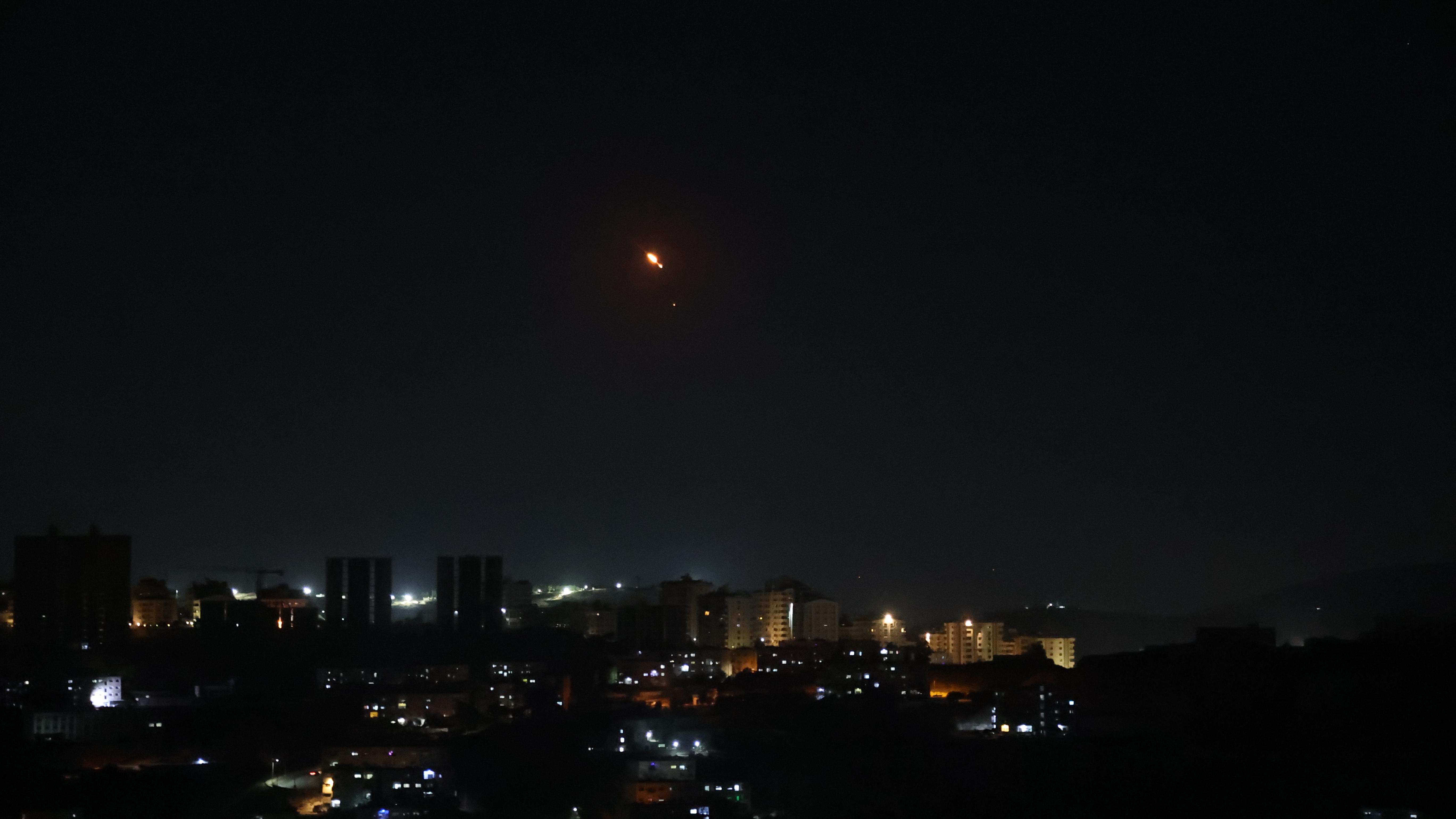
The confrontation has expanded from reciprocal tanker attacks in the Gulf of Oman and near Kharg Island to reported Iranian missile activity against the Al-Azraq base in Jordan and attacks on commercial shipping near the Strait of Hormuz. The core exchange is corroborated by official statements, wire reporting, UKMTO incident reporting and shipping data. The results of Iranian attacks remain disputed, including whether any US vessel was struck, whether Iranian missiles damaged Al-Azraq facilities, and whether Iran targeted 10 or 20 ships. Energy-market pressure is already visible, with Brent crude above $100 a barrel and US diesel at a reported record high.
Change from previous assessment
Since the 8 September 2026 brief, the assessment has shifted from intensified tanker exchanges to a broader regional confrontation. New reporting adds Iran's claimed attacks near the Strait of Hormuz, the reported 20-missile barrage towards Jordan and new merchant-vessel incidents in the northern Gulf, Gulf of Oman, Iraqi waters and off Dubai. Confidence that exchanges intensified remains high, while confidence in the reported success of Iranian attacks and the extent of damage at Al-Azraq is lower because CENTCOM and Jordanian accounts contradict Iranian claims. The shipping-disruption judgment remains in place and is now supported by six commodity transits on 8 September and reported flows below 2 million barrels per day. The assessment of likely further military action is retained, while a durable ceasefire remains unlikely.
Key judgments
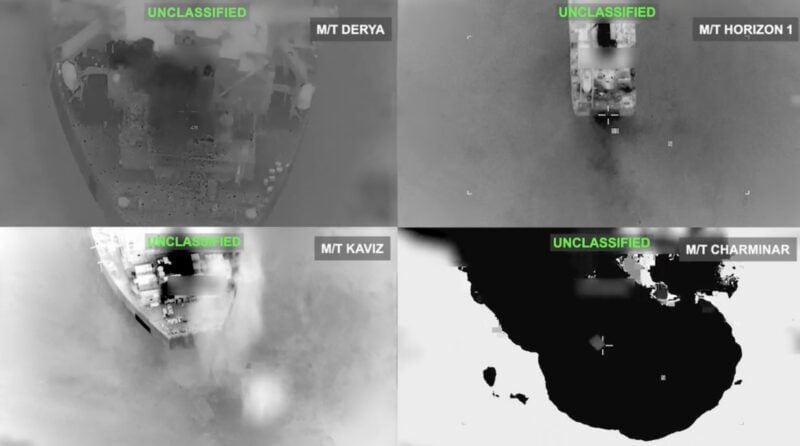
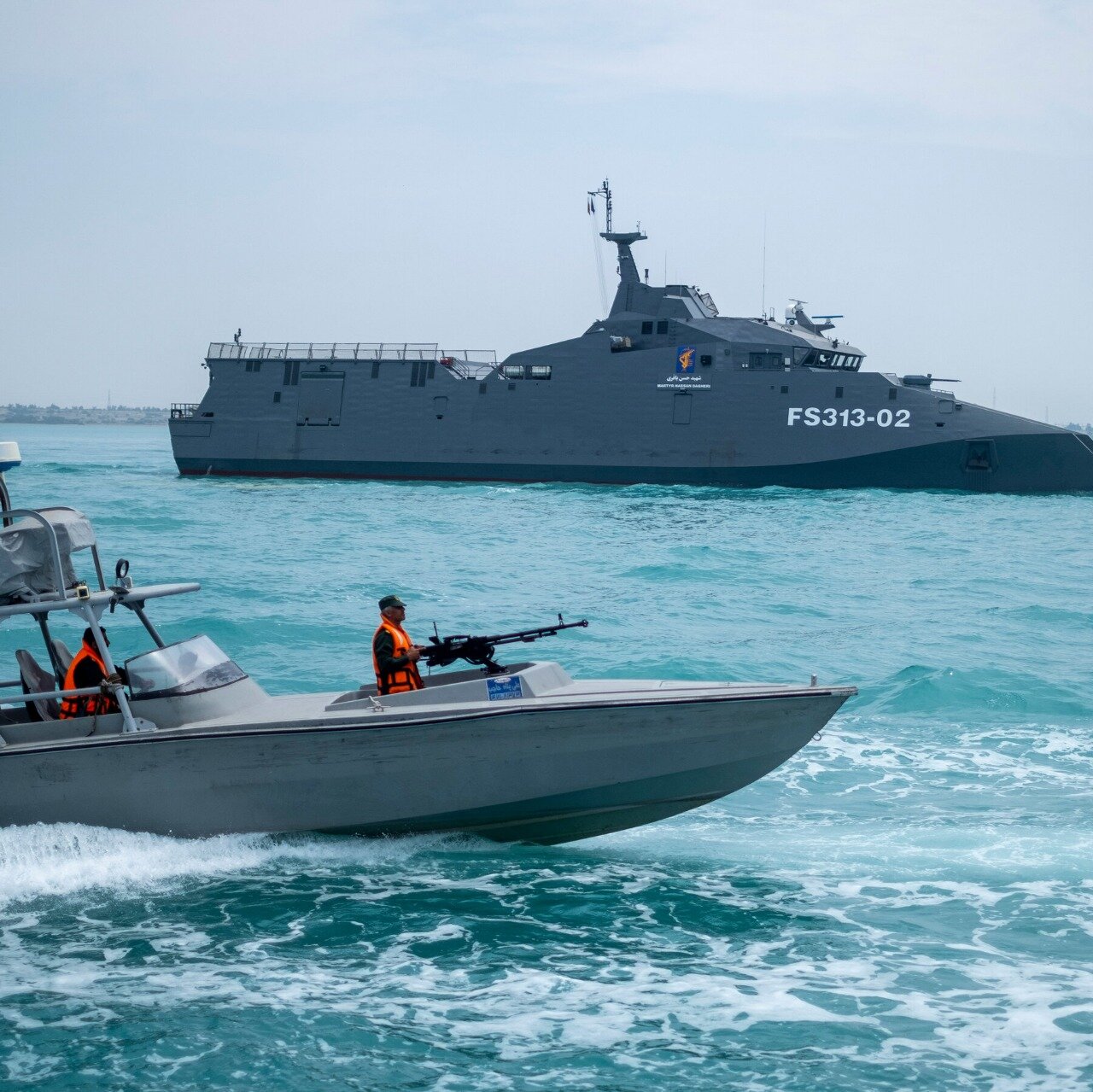
- US-Iran military exchanges very likely intensified on 9 September 2026. CENTCOM reported that US forces destroyed five Iranian crude tankers, M/T Kaviz, M/T Charminar, M/T Horizon 1 and M/T Riesco in the Gulf of Oman, and M/T Derya near Kharg Island, after the IRGC attempted two ballistic-missile attacks on a US Navy warship. Iran said it attacked 10 ships near the Strait of Hormuz, while separate IRGC reporting claimed strikes against two US vessels, eight oil tankers and 10 additional ships. CENTCOM denied that any US Navy warship was struck and said all Iranian attacks failed. The increase in reported military activity is well corroborated, but the outcome and total number of Iranian maritime targets remain disputed. (Confidence: high · REPORTED)
- I&W: Confirm: CENTCOM reports another strike on an Iranian tanker, or the IRGC reports another attack on a US vessel or commercial ship, within the next seven days. (0-7 days)
- I&W: Break: US and Iranian authorities report a seven-day halt in attacks, with no new UKMTO maritime security incident during that period. (0-14 days)
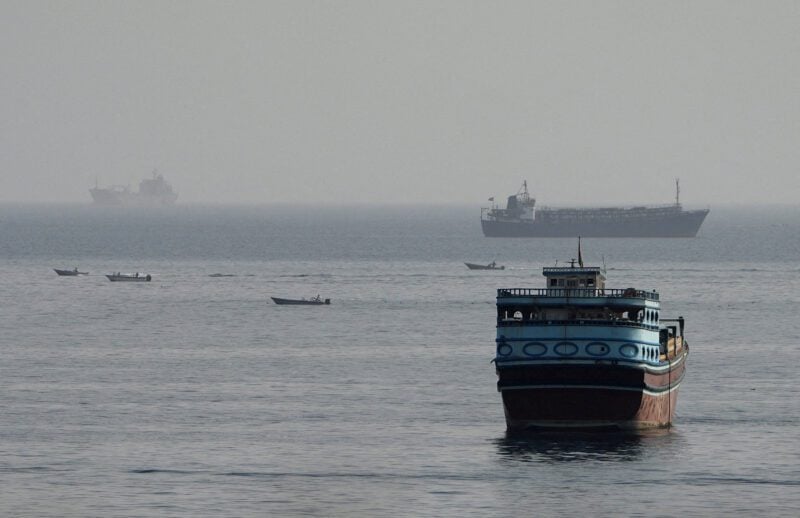
- Commercial traffic through the Strait of Hormuz is very likely to remain severely constrained over the next 14 days. Kpler recorded six commodity vessels crossing on 8 September, down from nine on 7 September and below the preceding 10-day average of about 12. UKMTO reported several merchant ships hit by disabling fire in the northern Gulf and Gulf of Oman, a vessel listing off Port Rashid in the United Arab Emirates, and a cargo ship hit 52 kilometres southeast of al-Faw, Iraq. The New Andros caught fire after a reported drone strike in Iraqi waters, while a seafarer died in an incident involving Hercules Star off Dubai. Rystad reported oil flows below 2 million barrels per day. Iran has also announced a restricted maritime area extending from Chabahar into parts of the Gulf of Oman and Arabian Sea, but the zone's geographic scope and operational status remain unresolved. Corroboration from UKMTO, Kpler, Rystad, Iraqi port officials and shipping reports supports the assessment, while weapon attribution and the precise status of the Iranian zone remain uncertain. (Confidence: medium · ASSESSED)
- I&W: Confirm: Kpler records fewer than 10 commodity vessels transiting the Strait of Hormuz on at least three of the next five days, or UKMTO reports two further disabling-fire incidents in the northern Gulf or Gulf of Oman. (0-7 days)
- I&W: Break: Daily commodity transits recover to at least the recent 10-day average of 12 and reported flows rise above 2 million barrels per day for three consecutive days. (0-14 days)
- Regional spillover is likely to persist over the next 14 days, with reported pressure concentrated on the US facility at Al-Azraq in Jordan and oil infrastructure in Saudi Arabia. The IRGC Aerospace Force said it launched ballistic missiles at Al-Azraq, while the Jordanian Armed Forces reported that 18 of 20 missiles were intercepted, with two falling in unpopulated areas and no casualties. Iranian military intelligence separately claimed hits on maintenance hangars, aircraft assembly facilities and reinforced shelters for F-35, F-16 and F-15 aircraft. Iran-backed Houthis also attacked four Saudi cities on 8 September, causing fires at oil installations, and Saudi authorities reported 73 people wounded. The attacks in Jordan and Saudi Arabia are supported by multiple reports, but the extent of damage at Al-Azraq and the scope of further Houthi operations remain partly uncorroborated. (Confidence: medium · ASSESSED)
- I&W: Confirm: The IRGC launches another missile or drone attack against a US-linked facility in Jordan, Bahrain or Kuwait, or the Houthis strike another Saudi oil installation. (0-14 days)
- I&W: Break: Jordanian, US and Saudi authorities report no further attacks on Al-Azraq or Saudi energy sites for 14 consecutive days, with no additional reported injuries or fires. (0-14 days)
- Further US-Iran military action is likely over the next 14 days, while a durable ceasefire is unlikely. Secretary of State Marco Rubio said Iran would lose tankers each time it targets or attempts to target US naval ships. IRGC spokesman Brigadier General Hossein Mohebbi warned that Iran would strike up to 20 enemy targets in response to attacks on two or three Iranian targets, and the IRGC announced a larger maritime restricted area. Mohammed Bagher Ghalibaf said the era of proportionate responses had ended. The 17 June US-Iran Memorandum of Understanding had already broken down because Washington and Tehran interpreted its language differently. These statements support a medium-confidence assessment of continued action, but they do not establish a confirmed operational plan. (Confidence: medium · ASSESSED)
- I&W: Confirm: US forces conduct another tanker strike after an Iranian naval or missile incident, or the IRGC announces implementation of the larger restricted maritime zone. (0-14 days)
- I&W: Break: Washington and Tehran jointly announce a halt to attacks and publish verifiable navigation or force-separation arrangements that remain in effect for seven days. (0-14 days)
- The conflict is likely to sustain near-term energy-market pressure over the next 14 days if Strait of Hormuz traffic remains depressed. Brent crude rose above $100 a barrel on 9 September, with one report placing it at $101.58. The average US retail diesel price reached a reported record of $5.94 per gallon, and the front-month Dutch TTF natural-gas contract rose nearly 4% to about €79 per megawatt-hour. Rystad reported Hormuz oil flows below 2 million barrels per day. The direction of market pressure is corroborated by oil, diesel, gas and shipping indicators, but the precise Brent peak is contested by reports placing it near $100.19 and $101.58. (Confidence: medium · ASSESSED)
- I&W: Confirm: Brent closes above $100 a barrel while reported Hormuz flows remain below 2 million barrels per day, or Dutch TTF rises above €79 per megawatt-hour. (0-14 days)
- I&W: Break: Brent remains below $100 and reported Hormuz flows exceed 2 million barrels per day for three consecutive days. (0-14 days)
Outlook & scenarios
Continued reciprocal strikes and maritime coercion (60%)
Over the next 14 days, US forces continue targeting Iranian tankers after attempted attacks on US naval vessels, while the IRGC maintains attacks or firing against US and commercial shipping near the Strait of Hormuz. UKMTO records further maritime incidents, daily commodity transits remain below the recent average, and the exact Iranian target count remains disputed.
Contained maritime confrontation (30%)
Iran maintains warnings and restricted maritime areas, but US and Iranian forces avoid a confirmed strike on each other's major platforms. Shipping remains constrained through the Gulf of Oman and Strait of Hormuz, with intermittent disabling-fire incidents and elevated energy prices but no sustained expansion into additional Gulf facilities.
Managed pause through new arrangements (15%)
Washington and Tehran establish a temporary force-separation or navigation arrangement after the collapse of the June memorandum. US tanker strikes and Iranian maritime attacks pause, and commodity transits begin rising from the recent six-vessel level. A durable ceasefire remains unlikely without verified implementation.
Regional expansion wildcard (10%)
The IRGC or Iran-backed Houthis widen attacks against US-linked facilities, ships in Kuwaiti or Bahraini ports, Jordanian facilities or Saudi energy infrastructure. Additional casualties, fires and tanker losses drive a sharper fall in Gulf shipping and a further rise in oil, diesel and natural-gas prices.
Recommendations
- Maintain a six-hour event log separating confirmed incidents, official claims and unresolved reports. Track CENTCOM, the IRGC, the Jordanian Armed Forces, UKMTO, Kpler and Rystad separately rather than merging their accounts.
- Do not treat the Iranian claims of 10 attacked ships and 20 targeted vessels as a single confirmed total. Seek independent vessel reporting, imagery or damage assessments before updating the count.
- Prioritise verification of Al-Azraq damage. Compare Jordanian and US assessments with observable evidence concerning the maintenance hangars, aircraft assembly facilities and reinforced shelters identified in the Iranian account.
- Track the Iranian maritime restriction by location. Record separately any formal map or enforcement notice covering Chabahar, the Gulf of Oman, the Arabian Sea or the Strait of Hormuz, because current reporting does not establish that these areas form one zone.
- Use daily Hormuz transits, reported flows below or above 2 million barrels per day, UKMTO disabling-fire incidents and the status of New Andros and Hercules Star as the primary shipping-warning indicators.
- Prepare a regional spillover watchlist covering Al-Azraq in Jordan, Saudi oil installations, Kuwaiti and Bahraini ports hosting US forces, the northern Gulf, the Gulf of Oman and Port Rashid in the United Arab Emirates.
- Maintain a market-impact tracker for Brent crude, US diesel and Dutch TTF gas. Treat sustained Brent prices above $100 alongside depressed Hormuz flows as a trigger for a higher economic-risk assessment.
Confidence & uncertainty
Overall confidence is high because the core tanker strikes, Iranian missile activity, commercial shipping incidents and market effects are supported by multiple source types, including CENTCOM, the IRGC, the Jordanian Armed Forces, UKMTO, Kpler, Rystad, AAA, wire reporting and major-media reports. Confidence is lower on contested battle-damage claims, the number of Iranian maritime targets, the geographic scope of Iran's restricted zone and the precise peak in Brent crude. These uncertainties do not materially change the assessment that military exchanges intensified and commercial traffic is severely constrained.
Intelligence gaps
- [EEI 1.1 · UNCOVERED] Concentrations or unusual movements of IRGC-Navy fast attack craft, small boat swarms, or escort vessels within 200 km of US/allied ships, including approach distances and formation changes. Recommended collection: maritime/AIS
- [EEI 1.2 · PARTIAL] Detected pre-launch activity at coastal missile or rocket batteries (vehicle dispersal, fuel/warhead handling, radars powering up, transport erector launchers moving to firing positions). Recommended collection: imagery/signals
- [EEI 1.3 · PARTIAL] Increased launch/arming/positioning of armed UAVs (MALE/loitering munitions) or tactical aircraft at Iranian coastal bases with sortie generation rates and munitions loadouts. Recommended collection: air/ADS-B/imagery
- [EEI 1.4 · UNCOVERED] Command-and-control indications of attack orders or elevated rules-of-engagement from IRGC/General Staff (intercepted communications, internal order messages, force-wide alert messages). Recommended collection: signals/human
- [EEI 2.2 · PARTIAL] Issuance of formal orders, mobilization directives, travel restrictions, or official internal communications within IRGC/Armed Forces indicating escalation posture or stand-down. Recommended collection: human/diplomatic
- [EEI 2.3 · PARTIAL] Directives, logistics movements, or communications from Iranian commanders to regional proxy militias (Houthis, Iraqi Shia militias, Lebanese groups) that change their threat posture or task them with specific operations. Recommended collection: signals/human
- [EEI 2.4 · PARTIAL] Changes in Iran's diplomatic exchanges with key states (offers of negotiation, warnings, or coordination with Russia/China) or requests for deconfliction with maritime/naval actors. Recommended collection: diplomatic
- [EEI 3.2 · PARTIAL] Discovery or reporting of naval mines, unexploded ordnance, or damage to fixed maritime infrastructure (oil platforms, terminals, pipelines) with geolocated imagery or on-scene assessments. Recommended collection: imagery/open-source
- [EEI 3.4 · UNCOVERED] Movements or posture changes of regional state navies/air forces (Saudi, UAE, Kuwait, Bahrain, UK) such as task group departures, airbase dispersals, or announced maritime patrols near choke points. Recommended collection: open-source/imagery
TLP:CLEAR