TLP:CLEAR · Disclosure is not limited.
Eurasia: US-Iran Exchanges Intensify and Further Restrict Hormuz
Time window: Last 1 day · Audience: General analyst · Type: Situation report · DTG: 2026-09-02 21:12Z · Overall confidence: HIGH
BLUF
US-Iran exchanges intensified on 1 and 2 September, with CENTCOM strikes on IRGC air-defence, radar, maritime, mine-laying and communications sites followed by Iranian attacks or claimed attacks against US positions in Bahrain, Kuwait, Jordan and Iraq. Commercial transit through the Strait of Hormuz is likely to remain severely constrained and hazardous through 15 September despite continued partial oil and LNG movements.
Executive summary
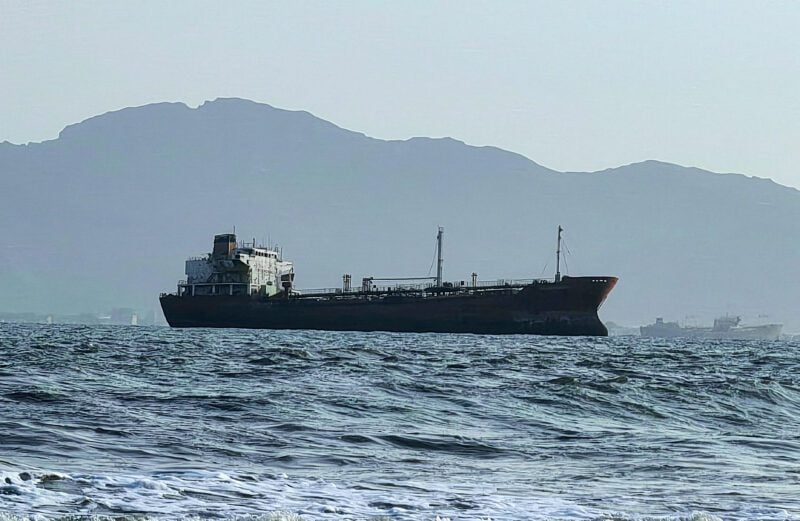
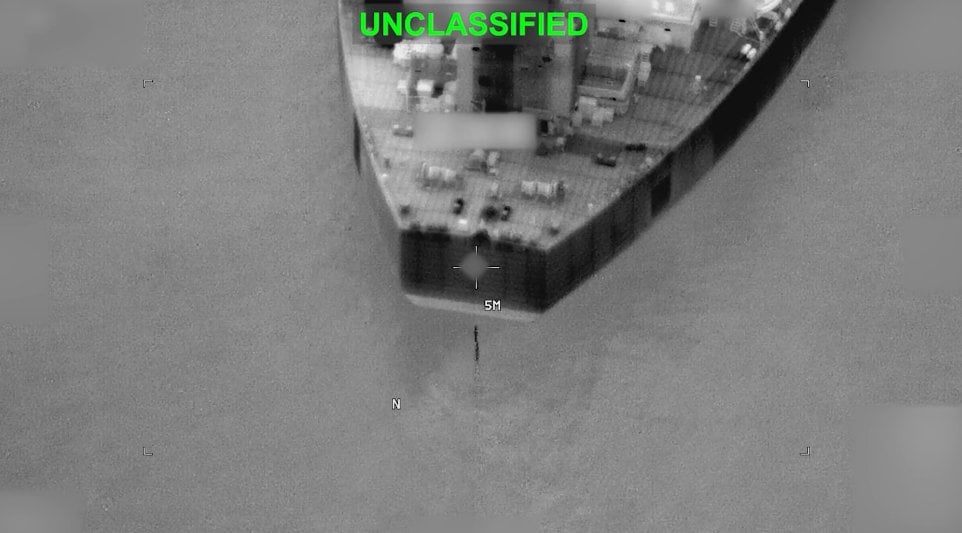
The direct US-Iran confrontation has expanded across Iran and several states hosting US forces. CENTCOM reported strikes on Iranian military infrastructure, while Gulf and Jordanian officials reported Iranian missile and drone activity, including interceptions over Bahrain and Jordan. Two seafarers were killed aboard the Saudi-owned tanker Sidr, and a second tanker, Senegal Prosperity, was reportedly disabled near Oman's Musandam Peninsula, although responsibility for the attacks remains disputed. Iran has blacklisted 56 vessels for unauthorised passage through Hormuz and threatened further punitive measures. Oil and LNG still moved through workarounds, but traffic through the strait fell sharply and energy prices rose. Iranian authorities also reported civilian casualties from the US strikes, although the figures and locations remain inconsistent.
Change from previous assessment
Since the 1 September brief, the assessment has shifted from a resumed exchange to a wider and more intense exchange involving Bahrain, Kuwait, Jordan and Iraq, with new reporting of Iranian drone and missile activity and a fatal tanker attack. Confidence has increased in the existence and geographic spread of the direct exchange and in the severity of maritime disruption. The Sidr incident and two seafarer deaths are now better corroborated, although the identity of other affected vessels and attacker attribution remain unresolved. A separate judgment on the US force posture and the USS Abraham Lincoln's uncertain follow-on movement has been added. Confidence remains lower on exact civilian casualty figures and on whether the 1 and 2 September strike announcements describe one wave or two.
Key judgments
- The US-Iran direct exchange is ongoing and has expanded beyond Iran and the Strait of Hormuz to US-linked positions in Bahrain, Kuwait, Jordan and Iraq. On 1 September, CENTCOM reported strikes on IRGC air-defence, radar, maritime, mine-laying and communications sites in Iran. Officials in Bahrain, Kuwait, Jordan and CENTCOM reported Iranian retaliation, while Bahrain's military reported intercepting Iranian drones and Jordan's military reported 13 ballistic missiles entering its airspace, 10 intercepted and three falling in remote areas. Iranian claims of attacks on the UAE and US bases in Iraq's Kurdistan region remain less fully corroborated, although the Kurdistan counterterrorism bureau reported intercepting 10 explosive-laden drones over Erbil. (Confidence: high · REPORTED)
- I&W: Confirm: CENTCOM reports another strike on Iranian military sites, or Bahrain, Kuwait, Jordan or Iraq reports a new Iranian missile or drone attack. (0-14 days)
- I&W: Break: By 15 September, CENTCOM and the governments of Bahrain, Kuwait, Jordan and Iraq report no further exchange involving their territory or US positions. (0-14 days)
- The US-Iran confrontation is very likely to remain elevated through 15 September. The 1 September exchange was reported as the largest between Tehran and Washington since July, Iran announced retaliatory attacks, and President Donald Trump warned that any Iranian attack would receive a much stronger US response. Iranian President Masoud Pezeshkian's offer to resume commitments remains conditional on US implementation of prior agreements, while Trump said Washington had no intention of forcing Iran back to negotiations. This forecast rests on official statements and reporting with unresolved timing differences between the 1 and 2 September strike announcements, so confidence is medium. (Confidence: medium · ASSESSED)
- I&W: Confirm: The US announces another strike on Iranian air-defence, radar or maritime sites, or Iran and a host government announce a new missile or drone exchange. (0-14 days)
- I&W: Break: Washington and Tehran announce reciprocal implementation of the prior agreement and publicly report a halt to offensive operations. (0-14 days)
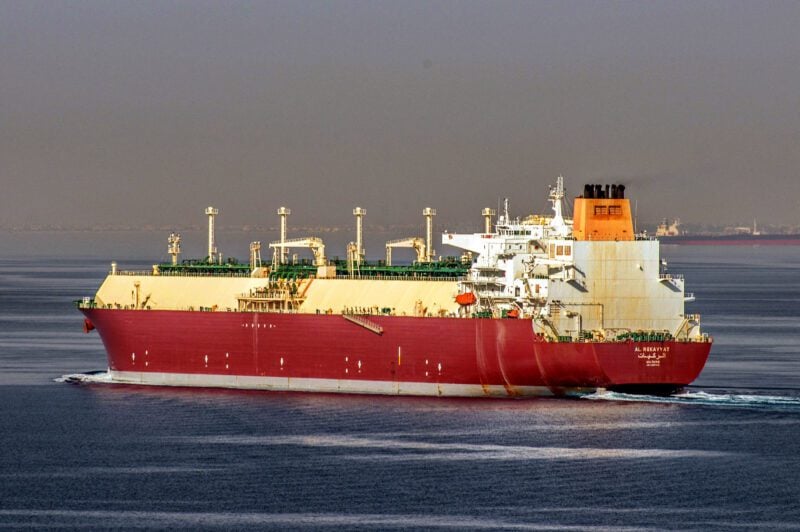
- Commercial transit through the Strait of Hormuz is very likely to remain severely restricted and hazardous through 15 September. Kpler recorded six ship crossings on 1 September against a reported pre-war average of about 138 per day. UKMTO confirmed two seafarer deaths in a tanker attack, Bahri confirmed that Sidr was involved in a security incident, and maritime reporting identified Senegal Prosperity as another damaged vessel. Iran has raised the number of blacklisted vessels to 56 and threatened additional punitive measures. The evidence supports severe constraint rather than a complete closure, because more than 17 million barrels of oil reportedly exited the strait on 31 August and three LNG cargoes were transferred outside the strait for delivery to India and Japan. Responsibility for the attacks and the number of affected vessels remain unresolved, which lowers confidence to medium. (Confidence: medium · ASSESSED)
- I&W: Confirm: Kpler records another day with fewer than 20 Strait of Hormuz transits, or UKMTO, Bahri or another vessel operator reports another attack or casualty. (0-14 days)
- I&W: Break: Kpler records a sustained return towards the reported pre-war level of about 138 daily crossings and Iran withdraws or suspends enforcement of its 56-vessel blacklist. (0-14 days)
- The latest US strikes likely caused civilian casualties in Iran, but the reported toll and location remain unresolved. Iran's health minister reported 18 people killed and 108 injured in the latest wave. Separate Iranian accounts placed the incident in Sirik or Kuhestak and reported four or five deaths, between more than 50 and 68 injuries, and either one or two children among the dead. IRNA also reported seven deaths and eight injuries in three locations in Khuzestan province. This judgment rests on Iranian official, Red Crescent and state-media reporting relayed by major media, with no independent confirmation in the provided reporting, so confidence is low. (Confidence: low · ASSESSED)
- I&W: Confirm: Iran's health ministry or Red Crescent publishes a reconciled casualty tally that addresses the Sirik, Kuhestak and Khuzestan figures. (0-14 days)
- I&W: Break: Iranian authorities retract the reported deaths or injuries, or subsequent official statements attribute the casualties to a different incident. (0-14 days)
- Persian Gulf energy exports are likely to remain below normal over the next 1-3 months, while some cargoes continue to move through alternative routes and ship-to-ship transfers. Saudi Arabia's observed crude exports fell to about 3 million barrels per day in August, the lowest level in records cited since early 2017, while Yanbu exports fell to roughly 2.25 million barrels per day in August. Asian spot LNG prices reached $23.20 per mmBtu and Brent settled at $94.52 per barrel. The six-vessel transit count on 1 September and the reported 17 million barrels exported on 31 August measure different days and commodities, so the scale of the constraint remains uncertain. Confidence is medium. (Confidence: medium · ASSESSED)
- I&W: Confirm: Saudi monthly export data remains near or below 3 million barrels per day and Kpler reports continued LNG ship-to-ship transfers outside Hormuz. (1-3 months)
- I&W: Break: Saudi exports return towards the reported June Yanbu level of 4.3 million barrels per day and LNG cargoes resume routine direct transits through the strait. (1-3 months)
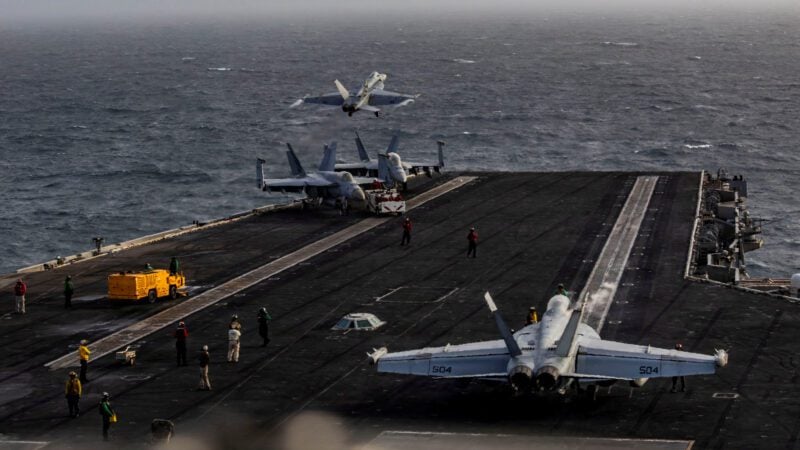
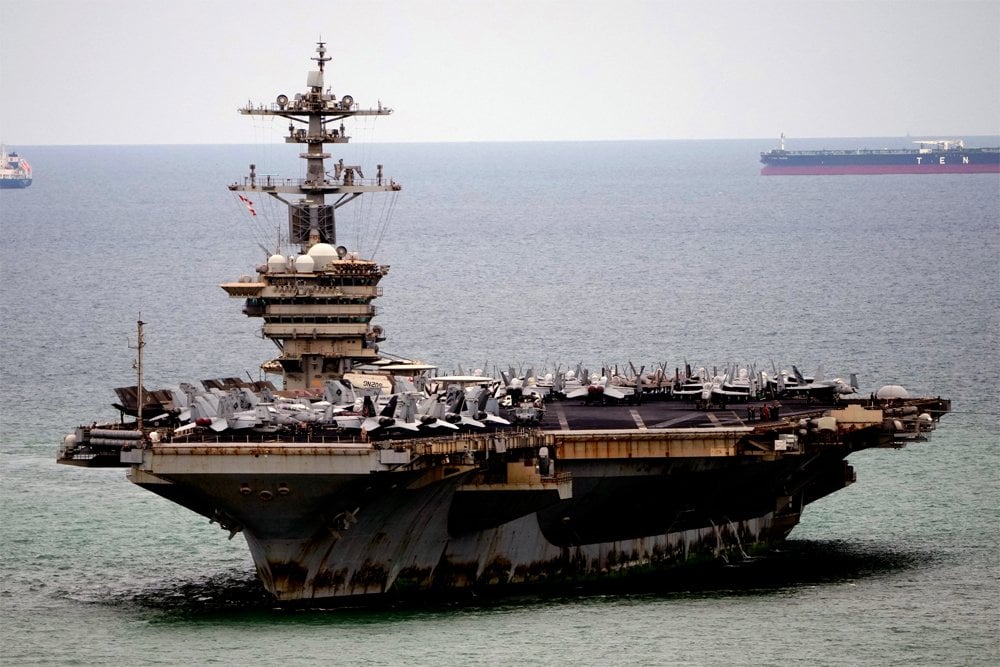
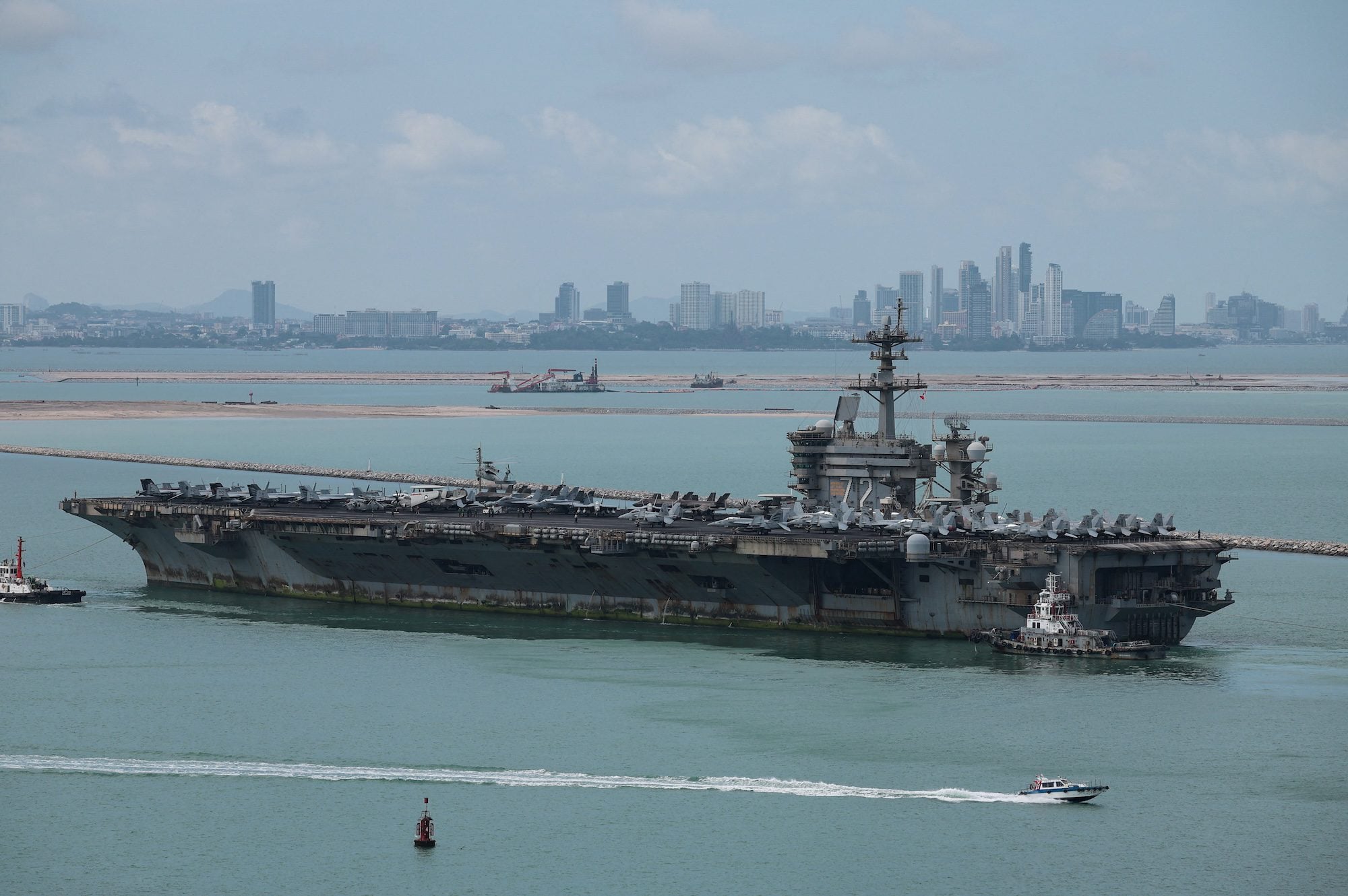
- US regional force availability remains substantial, but Carrier Strike Group 3 is temporarily in Thailand and the USS Abraham Lincoln's reported return voyage is not fully confirmed. The US military reported more than 50,000 service members across the Middle East. The USS Abraham Lincoln, USS Spruance, USS Michael Murphy, USS Frank E. Petersen Jr. and USS Robert Smalls arrived at Thai ports, with a five-day visit and a reported 6 September departure for the carrier. A separate account states that the Navy has not officially confirmed the return to the United States, so confidence in the carrier's immediate follow-on movement is medium. (Confidence: medium · ASSESSED)
- I&W: Confirm: The USS Abraham Lincoln departs Laem Chabang on 6 September and the US Navy identifies its next destination as the United States. (0-14 days)
- I&W: Break: The US Navy extends the Thai port visit, cancels the reported departure or announces that the carrier will remain assigned to Middle East operations. (0-14 days)
Outlook & scenarios
Sustained reciprocal escalation and restricted Hormuz (50%)
The US continues strikes on IRGC military infrastructure, while Iran sustains missile and drone attacks against US positions in Bahrain, Kuwait, Jordan and Iraq. Further attacks on commercial vessels keep Strait of Hormuz traffic near the sharply reduced 1 September level, with oil and LNG cargoes moving through limited workarounds.
Contained but prolonged confrontation (30%)
US and Iranian strikes become intermittent rather than expanding to a wider campaign. Iran maintains pressure through maritime restrictions, vessel blacklisting and occasional attacks, while Saudi, Qatari and UAE-linked cargoes continue using ship-to-ship transfers and alternative routes. No full ceasefire is reached by 15 September.
Conditional diplomatic pause (15%)
Pezeshkian's conditional offer develops into reciprocal contacts, supported by Saudi and GCC calls to halt escalation. Washington and Tehran pause offensive operations while disputing the terms of the prior agreement. Hormuz traffic improves from the 1 September low but remains below normal.
Widening high-impact incident (5%)
An additional strike on a tanker or regional energy infrastructure causes further deaths or major disruption. The incident prompts a new US response against Iranian maritime or military sites and draws Bahrain, Kuwait, Jordan, Iraq or Saudi Arabia more directly into the exchange.
Recommendations
- Maintain a 0-14 day watch focused on CENTCOM strike announcements and official air-defence reporting from Bahrain, Kuwait, Jordan and Iraq. Reconcile the 1 September and 2 September timestamps before treating the reporting as separate strike waves.
- Treat the Strait of Hormuz as hazardous for analytic and planning purposes. Track daily Kpler transits, UKMTO incident reports, Bahri statements on Sidr, updates on Senegal Prosperity and changes to Iran's 56-vessel blacklist. Do not combine the six-vessel count for 1 September with the 17 million barrels reported for 31 August as a single throughput measure.
- Separate confirmed incidents from attribution. Report the Sidr security incident and two deaths as corroborated, but label Iranian responsibility as Saudi attribution and retain unknown-projectile reporting. Do not present the US drone strike account or the IRGC mine account as established fact.
- Report Iranian civilian casualty figures with explicit attribution and uncertainty. Use the health minister's 18 deaths and 108 injuries as a reported figure, while preserving the conflicting Sirik, Kuhestak and Khuzestan accounts until an official reconciliation appears.
- Track energy stress through Saudi monthly export data, Yanbu volumes, Brent prices, Asian spot LNG prices and ship-to-ship transfers outside Hormuz. Distinguish temporary rerouting from a sustained recovery in direct Strait of Hormuz traffic.
- Verify the USS Abraham Lincoln's movement after the scheduled 6 September departure and monitor whether Carrier Strike Group 3 remains in Thailand or receives a new Middle East assignment. Treat the reported return to the United States as scheduled rather than confirmed until the Navy provides a definitive update.
Confidence & uncertainty
Overall confidence is high because the core developments are corroborated by multiple independent high-reliability sources, including CENTCOM, Gulf and Jordanian authorities, UKMTO, Bahri, Kpler, Reuters, BBC and other major media. The direct exchange, the sharp reduction in Hormuz traffic, the Sidr fatalities and the broad market response are well supported. The main uncertainties concern the exact number of Iranian missiles, the attribution and number of tanker attacks, the conflicting civilian casualty totals, the timing of separate strike waves and the extent of continuing oil flows.
Intelligence gaps
- [EEI 1.1 · UNCOVERED] Concentrations or unusual movements of IRGC-Navy fast attack craft, small boat swarms, or escort vessels within 200 km of US/allied ships, including approach distances and formation changes. Recommended collection: maritime/AIS
- [EEI 1.2 · PARTIAL] Detected pre-launch activity at coastal missile or rocket batteries (vehicle dispersal, fuel/warhead handling, radars powering up, transport erector launchers moving to firing positions). Recommended collection: imagery/signals
- [EEI 1.3 · UNCOVERED] Increased launch/arming/positioning of armed UAVs (MALE/loitering munitions) or tactical aircraft at Iranian coastal bases with sortie generation rates and munitions loadouts. Recommended collection: air/ADS-B/imagery
- [EEI 1.4 · UNCOVERED] Command-and-control indications of attack orders or elevated rules-of-engagement from IRGC/General Staff (intercepted communications, internal order messages, force-wide alert messages). Recommended collection: signals/human
- [EEI 2.1 · PARTIAL] Public statements or state-media broadcasts from Supreme Leader, President, Minister of Defense, or IRGC commanders indicating authorization, restraint, or conditions for retaliation. Recommended collection: open-source
- [EEI 2.2 · UNCOVERED] Issuance of formal orders, mobilization directives, travel restrictions, or official internal communications within IRGC/Armed Forces indicating escalation posture or stand-down. Recommended collection: human/diplomatic
- [EEI 2.3 · UNCOVERED] Directives, logistics movements, or communications from Iranian commanders to regional proxy militias (Houthis, Iraqi Shia militias, Lebanese groups) that change their threat posture or task them with specific operations. Recommended collection: signals/human
- [EEI 2.4 · PARTIAL] Changes in Iran's diplomatic exchanges with key states (offers of negotiation, warnings, or coordination with Russia/China) or requests for deconfliction with maritime/naval actors. Recommended collection: diplomatic
- [EEI 3.2 · PARTIAL] Discovery or reporting of naval mines, unexploded ordnance, or damage to fixed maritime infrastructure (oil platforms, terminals, pipelines) with geolocated imagery or on-scene assessments. Recommended collection: imagery/open-source
- [EEI 3.3 · PARTIAL] Commercial indicators of disruption: sudden increases in war-risk insurance premiums for Gulf transits, vessel re-routing decisions, port throughput reductions, or charter cancellations for Gulf shipments. Recommended collection: financial/commercial
- [EEI 3.4 · PARTIAL] Movements or posture changes of regional state navies/air forces (Saudi, UAE, Kuwait, Bahrain, UK) such as task group departures, airbase dispersals, or announced maritime patrols near choke points. Recommended collection: open-source/imagery
TLP:CLEAR