TLP:CLEAR · Disclosure is not limited.
Eurasia: US-Iran Exchanges Sustain Maritime and Regional Risk
Time window: Last 1 day · Audience: General analyst · Type: Situation report · DTG: 2026-09-23 01:46Z · Overall confidence: HIGH
BLUF
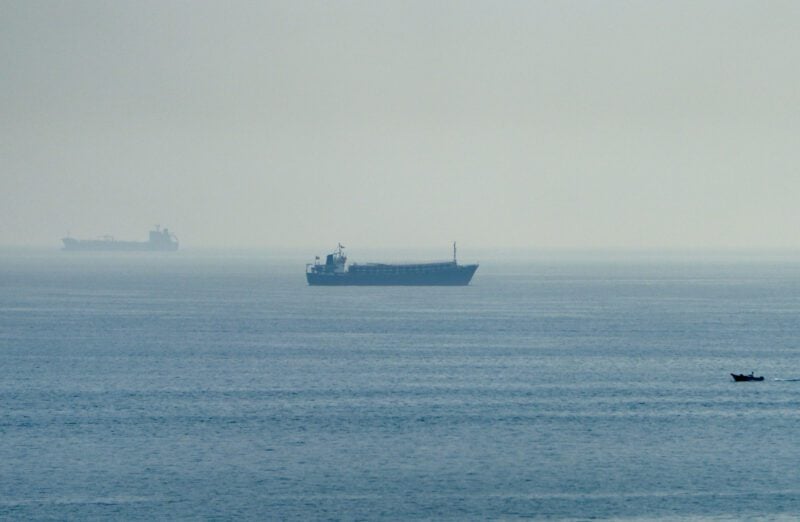
The US-Iran military exchange is very likely to continue over the next 0-14 days, while a durable ceasefire is unlikely. Iran's announced closure of the Strait of Hormuz and the absence of recovered shipping keep energy and maritime risks elevated, although Tehran has offered to reopen the waterway within seven days if Washington eases military pressure and lifts its blockade.
Executive summary
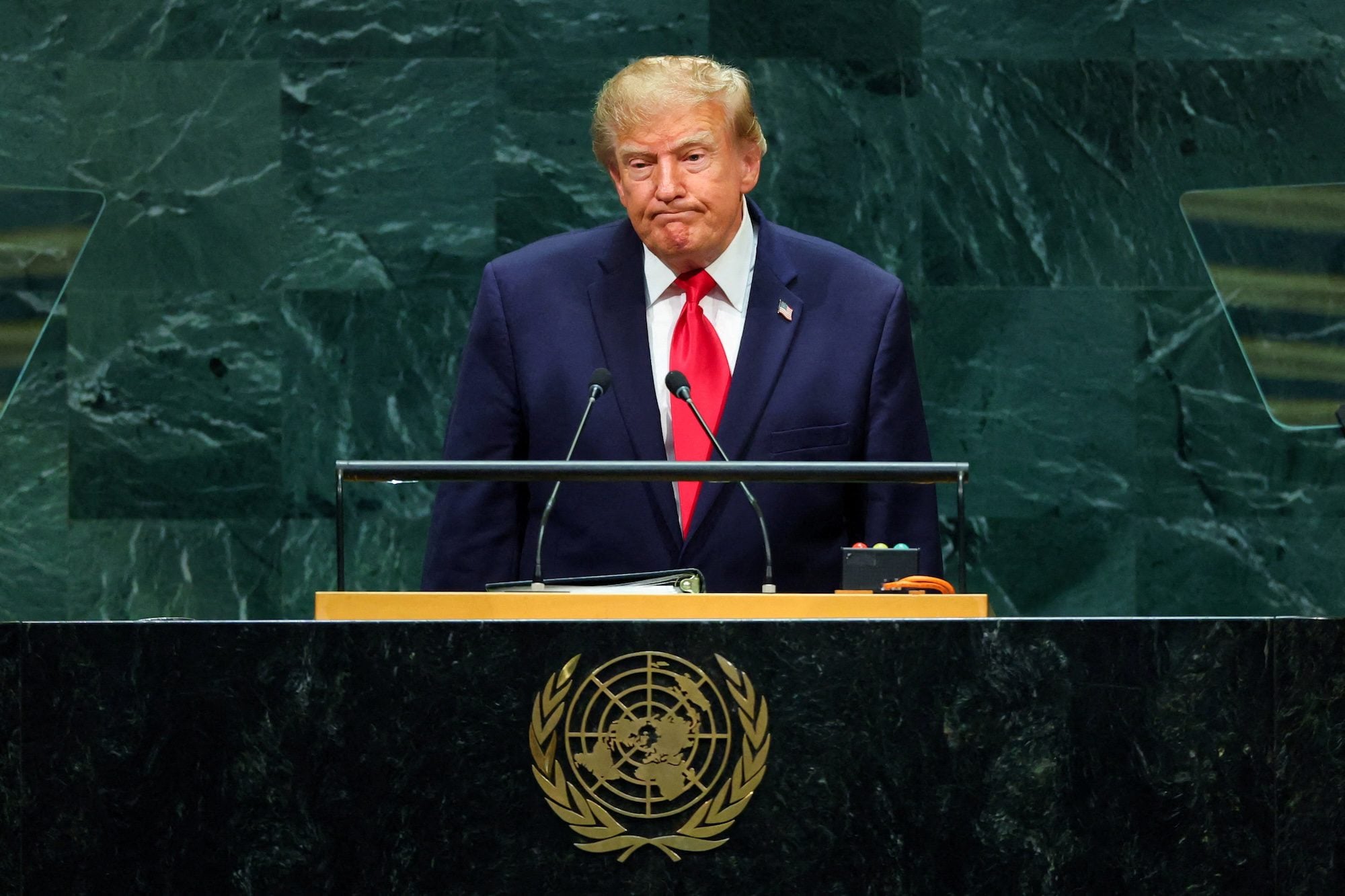
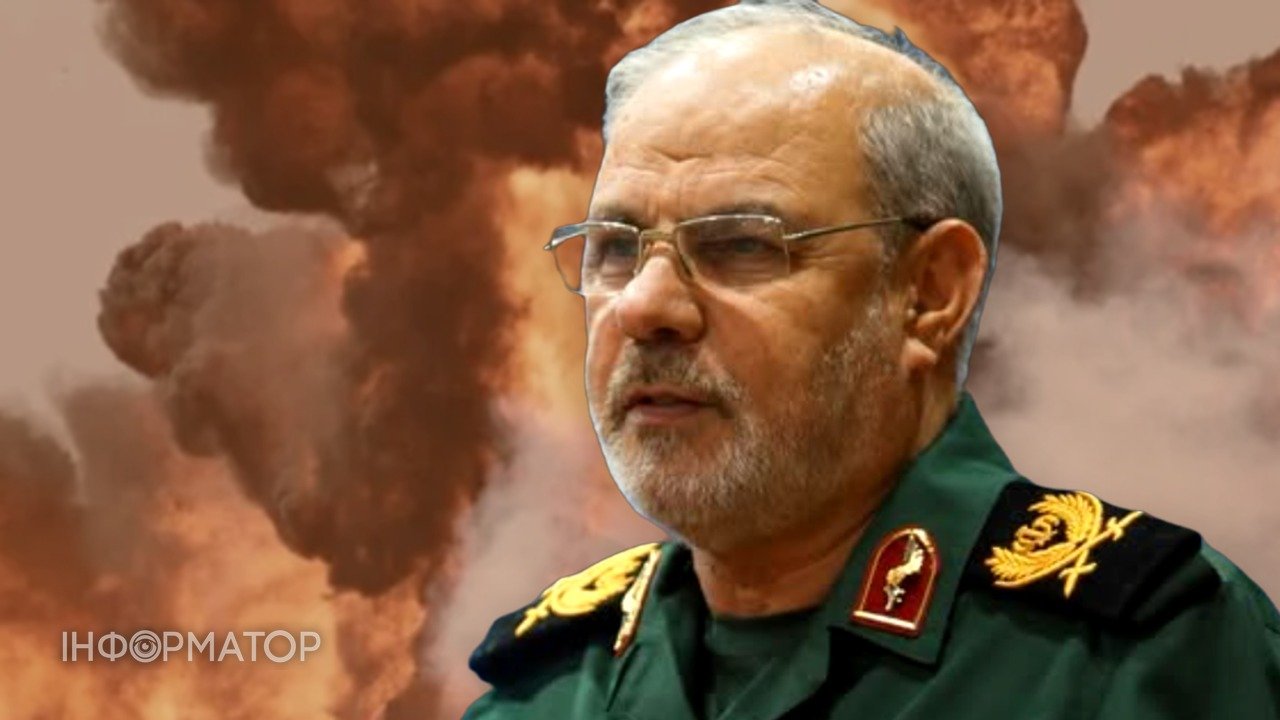
On 22 September, Donald Trump defended US military action against Iran at the UN General Assembly, called for Iran's complete economic isolation and threatened rapid destruction if contacts fail. IRGC representative Brigadier General Hossein Mohhebbi said Iran is prepared for a protracted war and has unused strategic weapons, while Marco Rubio said the US remains open to talks. Tehran has conveyed a proposal through mediators, and a senior Iranian official offered conditional reopening of the Strait of Hormuz within seven days. France is pursuing a UN Security Council initiative on freedom of navigation. Houthi advances in Yemen continue to threaten Saudi oil exports through the Red Sea, while Saudi Arabia's East-West Pipeline remains subject to conflicting reports about the extent of its restart.
Change from previous assessment
Since the 22 September brief, the core assessment of a continuing US-Iran confrontation and restricted Strait of Hormuz is unchanged. The current brief raises the prominence of coercive public messaging after Donald Trump's 22 September UN address and his threat of rapid destruction if contacts fail. It also gives greater weight to a possible diplomatic channel because Trump announced resumed contacts, Marco Rubio said the US was open to speaking with Iran, Tehran conveyed a proposal through mediators and a senior Iranian official offered conditional reopening of Hormuz within seven days. Confidence in a near-term diplomatic breakthrough remains limited because these statements conflict with Hossein Mohhebbi's rejection of IRGC-US contacts and Kazem Jalali's statement on Iranian distrust. The prior brief's UK defensive-support deployment judgment is not carried forward because the current reporting provides no confirming claim.
Key judgments
- The US-Iran military confrontation is very likely to persist over the next 0-14 days, and a durable ceasefire is unlikely in that period. The US and Israel began military operations against Iran on 28 February, Tehran has conducted retaliatory strikes against Israel and US military facilities, and IRGC representative Brigadier General Hossein Mohhebbi has stated that the IRGC is ready for a protracted war and prepared for renewed escalation. Donald Trump's 22 September threat of rapid destruction if talks fail reinforces the risk of continued exchanges. The assessment has high confidence because it rests on multiple major-media, wire-service and multilateral accounts, although the reporting does not establish the timing or targets of any next US strike. (Confidence: high · ASSESSED)
- I&W: Confirm: A publicly reported US strike on Iran, or an Iranian or IRGC strike on Israel or a US military facility, occurs. (0-14 days)
- I&W: Break: Washington and Tehran announce a jointly acknowledged cessation of military operations that lasts at least 72 hours. (0-14 days)
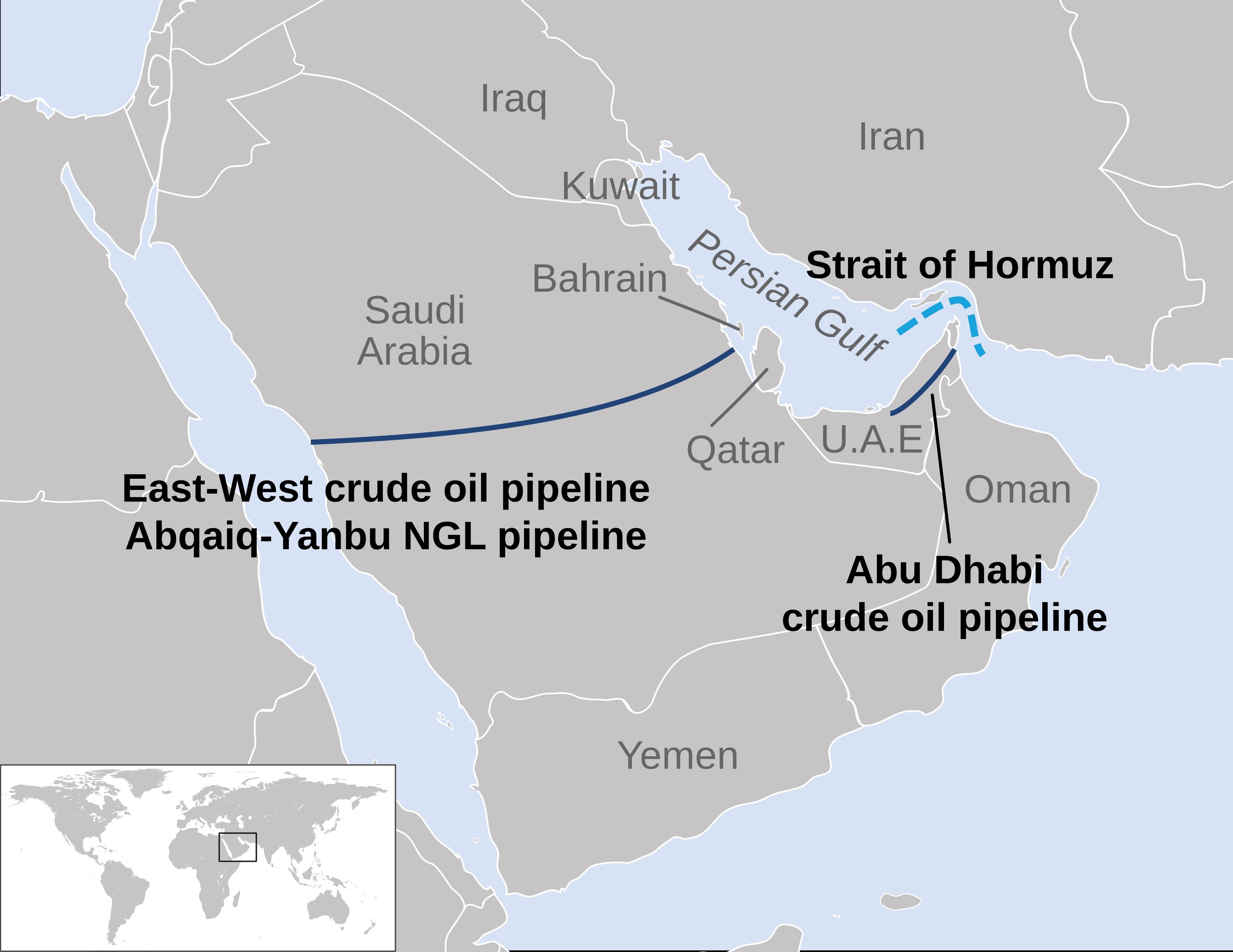
- The Strait of Hormuz is very likely to remain severely restricted over the next 0-14 days, while the extent of a complete closure remains unresolved. Iran has again announced closure of the waterway, reporting states that shipping has not recovered because no stable ceasefire exists, and Hossein Mohhebbi attributes the closure to the US strike on Iran. Against this, a senior Iranian official has offered reopening within seven days if Washington eases military pressure and lifts its blockade. Confidence is medium because the evidence is concentrated in official Iranian statements and a conditional offer, with no independent vessel-flow figures in the current reporting. (Confidence: medium · ASSESSED)
- I&W: Confirm: Iranian authorities maintain the closure announcement and independent shipping reports continue to show no recovery in Gulf transits. (0-14 days)
- I&W: Break: Tehran announces reopening and independent shipping reports record sustained resumed movement through the Strait of Hormuz. (0-14 days)
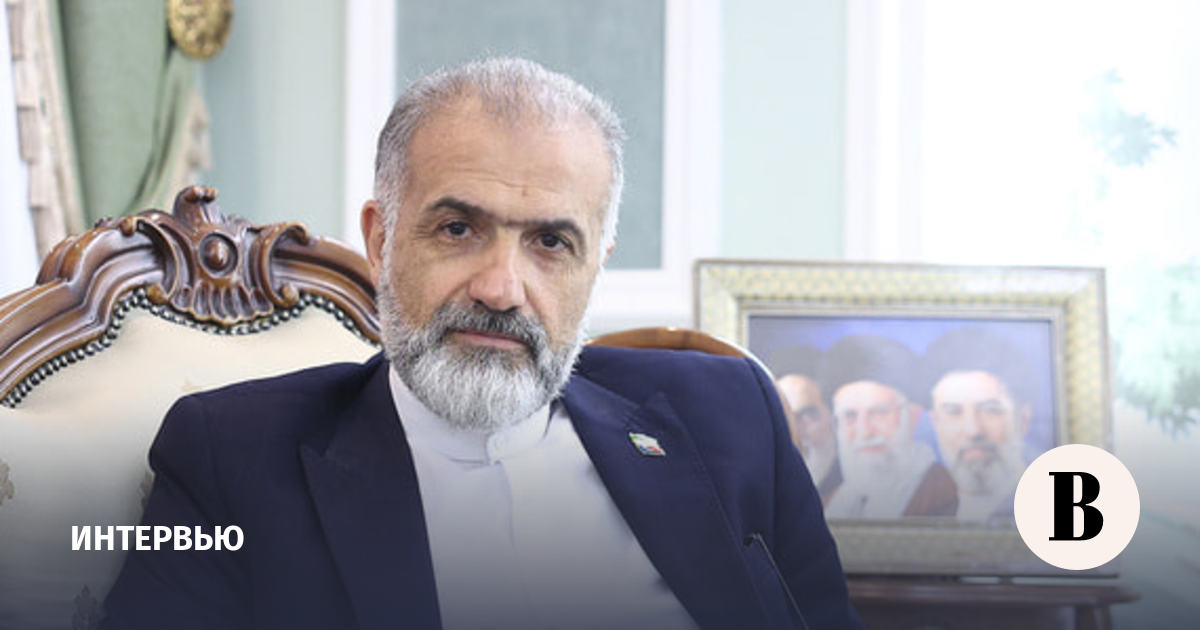
- US-Iran diplomatic contact is likely to continue, but a durable ceasefire is unlikely over the next 0-14 days. Marco Rubio has said the US is open to speaking with Iran, Donald Trump announced resumed contacts, and Tehran conveyed a proposal through mediators. Emmanuel Macron is pursuing diplomatic options for transit, while France is drafting a Security Council resolution. These openings are offset by Trump's call for complete economic isolation, his threat if talks fail, Hossein Mohhebbi's rejection of IRGC-US contacts and Iranian Ambassador Kazem Jalali's statement that distrust of the US is very high. Confidence is medium because the public positions are contradictory and the mediator channel is not identified. (Confidence: medium · ASSESSED)
- I&W: Confirm: The US State Department or Iran's Foreign Ministry identifies a mediator and confirms a scheduled negotiating session. (0-14 days)
- I&W: Break: Another US or Israeli strike on Iran occurs before the two governments announce a monitored ceasefire. (0-14 days)
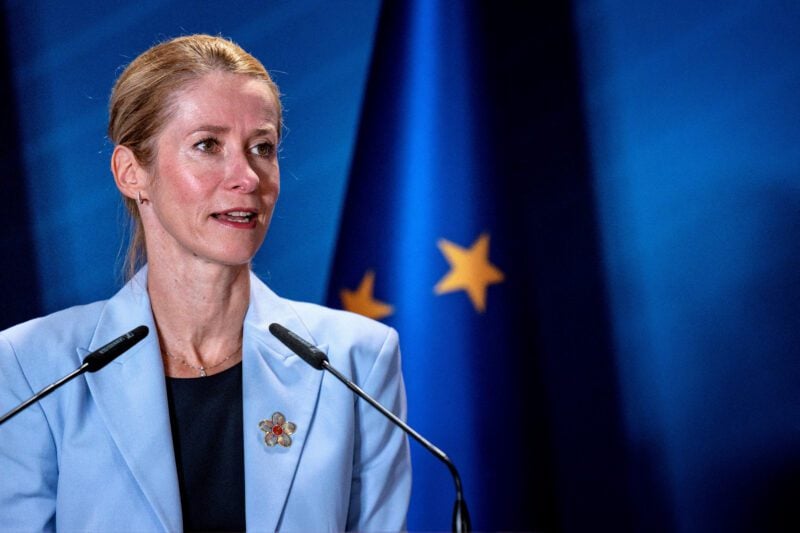
- Houthi advances in Yemen are likely to keep the Red Sea and Bab el-Mandeb exposed to disruption over the next 0-14 days. Houthi forces aligned with Iran have routed Saudi-backed government forces and threaten Saudi oil exports through the Red Sea. Kaja Kallas has called for additional EU naval and air assets for Operation Aspides, which consists primarily of three ships from Italy and Greece, while stating that the operation initially required at least 10 ships. Confidence is medium because the Houthi advance is reported by a wire service, but the current claims do not independently detail the scale or operational effect of Houthi activity. (Confidence: medium · ASSESSED)
- I&W: Confirm: Houthi forces conduct a new attack against Saudi oil infrastructure or commercial shipping near the Bab el-Mandeb. (0-14 days)
- I&W: Break: Houthi forces halt attacks and lose or withdraw from positions that threaten Saudi exports through the Red Sea. (0-14 days)
- Energy and freight disruption is likely to persist for 1-3 months, even if limited oil movements resume. Shipping through the Strait of Hormuz has not recovered, Saudi Arabia's East-West Pipeline is reported to be operating at reduced capacity or approaching a partial restart, and full restoration to its seven million barrels per day nameplate capacity could take up to six weeks because three pumping stations require repair. Saudi Arabia has scheduled a crude loading at Yanbu, but the reported restart status remains contradictory. Confidence is medium because Reuters, Bloomberg and Financial Times-linked reporting supports continued disruption, while the exact timing and volume of pipeline recovery are unresolved. (Confidence: medium · ASSESSED)
- I&W: Confirm: The East-West Pipeline remains below its seven million barrels per day nameplate capacity six weeks after the reported damage, while Hormuz shipping remains unrecovered. (1-3 months)
- I&W: Break: Saudi Aramco reports restoration of the pipeline's seven million barrels per day capacity and independent shipping reports show sustained recovery through the Strait of Hormuz. (1-3 months)
Outlook & scenarios
Continued US-Iran exchanges and restricted Hormuz (65%)
US and Iranian military exchanges continue through early October, with the IRGC maintaining its protracted-war posture and the Strait of Hormuz remaining severely restricted. Diplomatic contacts continue in parallel but fail to produce a durable ceasefire.
Conditional maritime easing without a durable ceasefire (30%)
Within seven days, Washington eases military pressure and Tehran permits limited shipping through the Strait of Hormuz. The arrangement remains conditional and fragile, while France continues work on a Security Council initiative and wider US-Iran tensions persist.
Wider Red Sea disruption (25%)
Houthi forces consolidate their advance in Yemen and conduct new attacks against Saudi oil infrastructure or commercial shipping near the Bab el-Mandeb. Operation Aspides remains below the 10-ship level Kaja Kallas described as necessary, increasing pressure on Saudi Arabia and EU maritime forces.
Wildcard: US-China maritime incident (10%)
A repeat of the reported AI-generated false identification leads US commanders to prepare an interdiction of a Chinese cargo ship in the Middle East. Even if the operation is halted before contact, the incident triggers a direct US-China crisis while Beijing is already reported to be providing Iran support short of direct military backing.
Recommendations
- Maintain a daily 0-14 day tracker for US and Iranian strikes, IRGC readiness statements, official ceasefire language and confirmed diplomatic contacts. Separate reported positions from independently verified military activity.
- Treat Iranian statements on Hormuz closure and reopening as political indicators until matched against independent vessel movements, port activity and tanker loading reports. Record the seven-day reopening condition separately from any actual resumption of traffic.
- Prioritise collection on the identity of mediators, the content of Tehran's proposal and any US or Iranian Foreign Ministry confirmation of a negotiating session. Flag the contradiction between Rubio's openness to talks and Hossein Mohhebbi's denial of IRGC-US contacts.
- Monitor Houthi activity near Saudi oil infrastructure, the Bab el-Mandeb and Red Sea commercial routes, alongside any change in Operation Aspides from its reported three primary ships towards the 10-ship requirement cited by Kaja Kallas.
- Model energy disruption against two pipeline cases: reduced East-West Pipeline capacity lasting six weeks or longer, and restoration to the reported seven million barrels per day nameplate capacity. Keep the Yanbu loading report separate from confirmed full-capacity recovery.
- Do not treat the reported MQ-1 shoot-down, the claim of a previously unseen Iranian weapon or reported Chinese support to Iran as established facts without independent corroboration. Track each as a separate low-confidence or source-limited line of reporting.
Confidence & uncertainty
Overall confidence is high because the central findings are supported by multiple independent wire-service, multilateral and major-media accounts, including direct statements from Donald Trump, Marco Rubio, Iranian officials, the IRGC and French officials. The principal uncertainties concern the actual volume of shipping through the Strait of Hormuz, the status of the US-Iran diplomatic channel and the timing of Saudi Arabia's East-West Pipeline recovery. Reporting on the MQ-1 incident, Chinese support to Iran and the Iranian new-weapon claim is less corroborated and is treated accordingly in the judgments.
Intelligence gaps
- [EEI 1.2 · PARTIAL] Changes in US or Iranian force posture indicating preparation for further attacks, including aircraft dispersal, missile-unit movement, naval sortie activity, or air-defense activation. Recommended collection: satellite imagery/aviation and maritime tracking
- [EEI 1.4 · PARTIAL] Evidence of mobilization or operational tasking by Iranian-aligned armed groups against US personnel, bases, or partners. Recommended collection: local reporting/social media/human intelligence
- [EEI 2.1 · PARTIAL] Deployment or repositioning of Iranian ballistic missiles, cruise missiles, drones, fast-attack craft, or other strike assets within operational range of US or partner targets. Recommended collection: satellite imagery/signals intelligence
- [EEI 2.2 · PARTIAL] Orders, threats, targeting claims, or attack preparations by Iranian proxy groups in Iraq, Syria, Lebanon, Yemen, or the Gulf. Recommended collection: group statements/local reporting
- [EEI 2.4 · PARTIAL] Changes in Iranian military alert levels, command activity, weapons dispersal, or continuity-of-government measures. Recommended collection: signals intelligence/satellite imagery
- [EEI 3.1 · PARTIAL] Arrival or departure of US carrier strike groups, bombers, air-defense units, special operations forces, or additional personnel in the region. Recommended collection: maritime and aviation tracking
- [EEI 3.2 · UNCOVERED] Changes to US force-protection conditions, base access, evacuation plans, embassy staffing, or noncombatant evacuation preparations. Recommended collection: official notices/diplomatic reporting
- [EEI 3.3 · PARTIAL] Presidential, Pentagon, or theater-command statements describing authorized response options, expanded objectives, or revised rules of engagement. Recommended collection: official statements
- [EEI 4.2 · PARTIAL] Changes in commercial vessel routing, port calls, AIS behavior, shipping delays, or war-risk insurance premiums in the Gulf, Strait of Hormuz, Red Sea, or adjacent waters. Recommended collection: maritime/AIS
- [EEI 4.4 · PARTIAL] Sustained movements in oil and gas prices, tanker freight rates, or reported disruptions to production and export facilities attributable to the military exchanges. Recommended collection: energy-market reporting
Cited sources
[1] РБК (RBC) · КСИР заявил о готовности Ирана к затяжной войне с США (B) · Tue Sep 22 2026 05:41:16 GMT+0000 (Coordinated Universal Time) · sha256:29f3279fd16a [2] Informator.ua · Иран заявил о новом оружии, которое удивит мир – обещают поражение США в войне (D) · Tue Sep 22 2026 11:53:00 GMT+0000 (Coordinated Universal Time) · sha256:be5f118817e2 [3] Radio Free Europe/Radio Liberty (Current Time / Настоящее время) · Быстрое уничтожение и скорое завершение (B) · Tue Sep 22 2026 23:02:51 GMT+0000 (Coordinated Universal Time) · sha256:1fffca74bafc [4] Vedomosti (Ведомости) · Казем Джалали: «Стена недоверия Ирана к США стала очень высока» (A) · Tue Sep 22 2026 21:06:00 GMT+0000 (Coordinated Universal Time) · sha256:d4f69771b441 [5] Reuters (republished by gCaptain) · Trump Calls for Iran’s Economic Isolation at UN as Tehran Offers Hormuz Reopening (A) · Tue Sep 22 2026 16:05:08 GMT+0000 (Coordinated Universal Time) · sha256:7b5f2f262755 [6] Reuters (republished by gCaptain) · France Mulls New UN Security Council Resolution on Hormuz (A) · Tue Sep 22 2026 16:34:46 GMT+0000 (Coordinated Universal Time) · sha256:4ada0be8070e [7] Bloomberg (republished by gCaptain) · Kallas Urges EU to Bolster Red Sea Mission Against Houthi Threat (A) · Tue Sep 22 2026 08:20:33 GMT+0000 (Coordinated Universal Time) · sha256:4d17c271c930 [8] maritime-executive.com · Report: Saudi Aramco Achieves Partial Restart on Strategic Red Sea Pipeline (F) · sha256:08dee28e80d0 [9] alhurra.com · Trump-Xi Summit’s Likely Upshot: The Show Must Go On | Alhurra (F) · Tue Sep 22 2026 17:21:13 GMT+0000 (Coordinated Universal Time) · sha256:d3cf0c0e018c
Source content hashes were computed at collection time; the cited text is preserved unmodified for the life of this product.
Red cell review: CONCUR WITH COMMENT
TLP:CLEAR