TLP:CLEAR · Disclosure is not limited.
Eurasia: US-Iran Exchanges Sustain Military and Maritime Risk
Time window: Last 1 day · Audience: General analyst · Type: Situation report · DTG: 2026-08-22 14:08Z · Overall confidence: LOW
BLUF
US-Iran military exchanges are very likely to remain active over the next 0-14 days while Washington prioritises economic coercion. The Strait of Hormuz is very likely to remain severely disrupted, with selective access reported for Iraqi tankers and restrictions on Emirati tankers. Diplomatic contact through Oman provides a limited off-ramp, but a near-term settlement is unlikely.
Executive summary
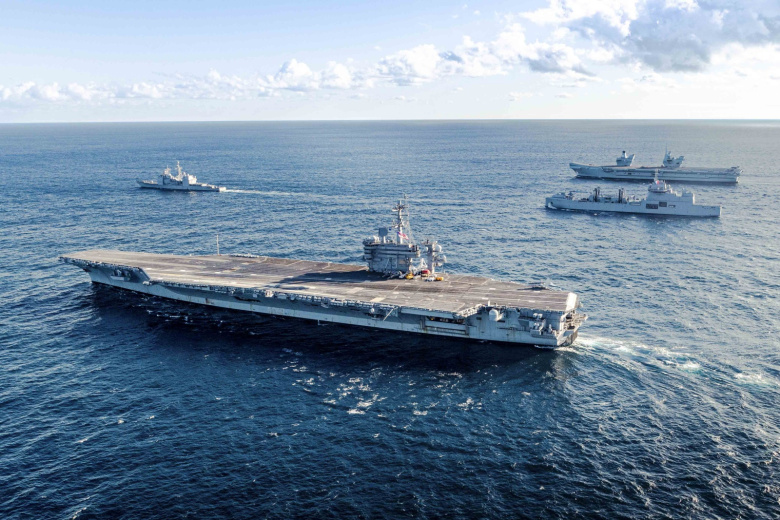
Reported claims describe Iranian missile and drone attacks on US bases, including a base in Jordan, repeated launches towards the US fleet and damage to the USS Abraham Lincoln, while the United States has moved aircraft carriers farther from Iran. Iran is also reported to have sharply restricted traffic through the Strait of Hormuz, although it has permitted some Iraqi oil tankers to pass while barring Emirati tankers. President Trump and Scott Bessent have threatened severe economic measures, while Abbas Araqchi and the Omani foreign minister have discussed conditions for renewed dialogue. The evidence remains uneven because battlefield damage, shipping access and event dates are not consistently corroborated.
Change from previous assessment
Since the 21 August brief, the assessment adds a broader maritime-security judgement covering Bab al-Mandab, the Gulf of Aden and Somalia after reporting on Houthi attacks, Saudi crude rerouting and the hijacking of the Sibu 1 and Lutuf. The assessment of Hormuz remains severe, but confidence in a complete closure is lower because new reporting shows selective passage for Iraqi tankers alongside restrictions on Emirati tankers. Diplomatic engagement is assessed as more likely to continue because Iran has expressed willingness to discuss nuclear restrictions and Abbas Araqchi has spoken with the Omani foreign minister. The judgement that Washington will prioritise economic coercion over a new large-scale operation remains unchanged. Initial headline confidence remains low because the new reporting does not resolve the prior contradictions over battlefield damage, shipping traffic or event dates.
Key judgments
- US-Iran military exchanges are very likely to remain active over the next 0-14 days, with continued Iranian missile and drone signalling towards US forces more likely than a verified return to restraint. Reported claims describe Iranian attacks on at least 20 US bases in eight regional countries, a strike on a US base in Jordan and repeated launches towards the US fleet. The United States has moved aircraft carriers farther from Iranian shores, while Iranian officials Mohammad Akraminia and Ali Abdollahi have threatened decisive or devastating responses. Competing claims that Iran destroyed 18 US bases and damaged the USS Abraham Lincoln are not independently corroborated in the provided reporting. This is an assessed judgement with medium confidence. (Confidence: medium · ASSESSED)
- I&W: Confirmation within 0-14 days of another Iranian missile or drone launch towards a named US base or fleet unit, or of further US carrier movement away from Iranian shores, would confirm the judgement. (0-14 days)
- I&W: A jointly corroborated halt in Iranian launches and no new strikes on US bases or fleet units within 0-14 days would break the judgement. (0-14 days)
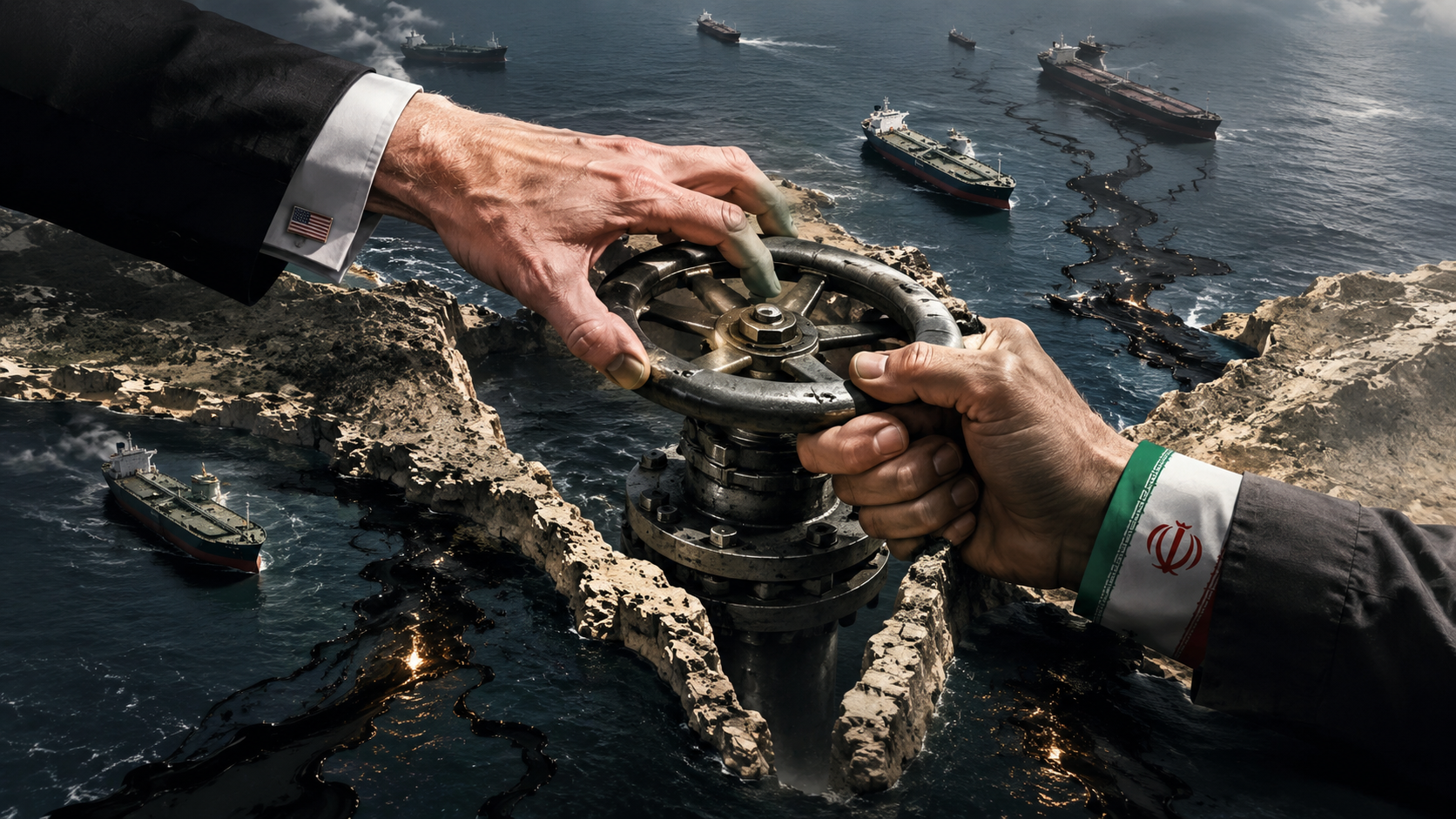
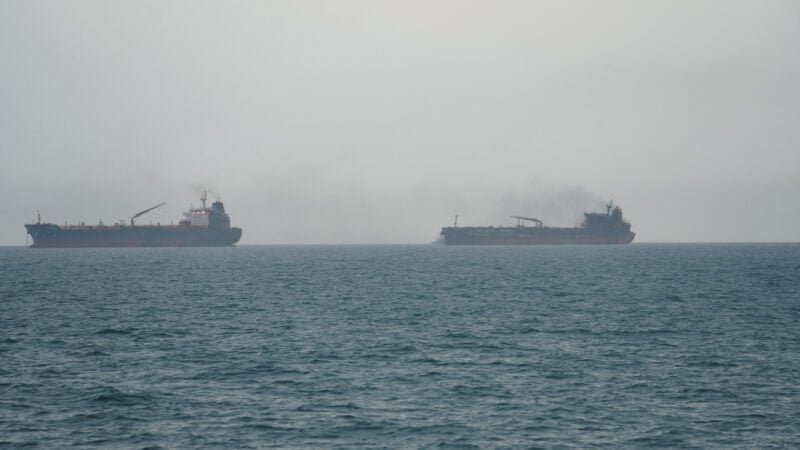
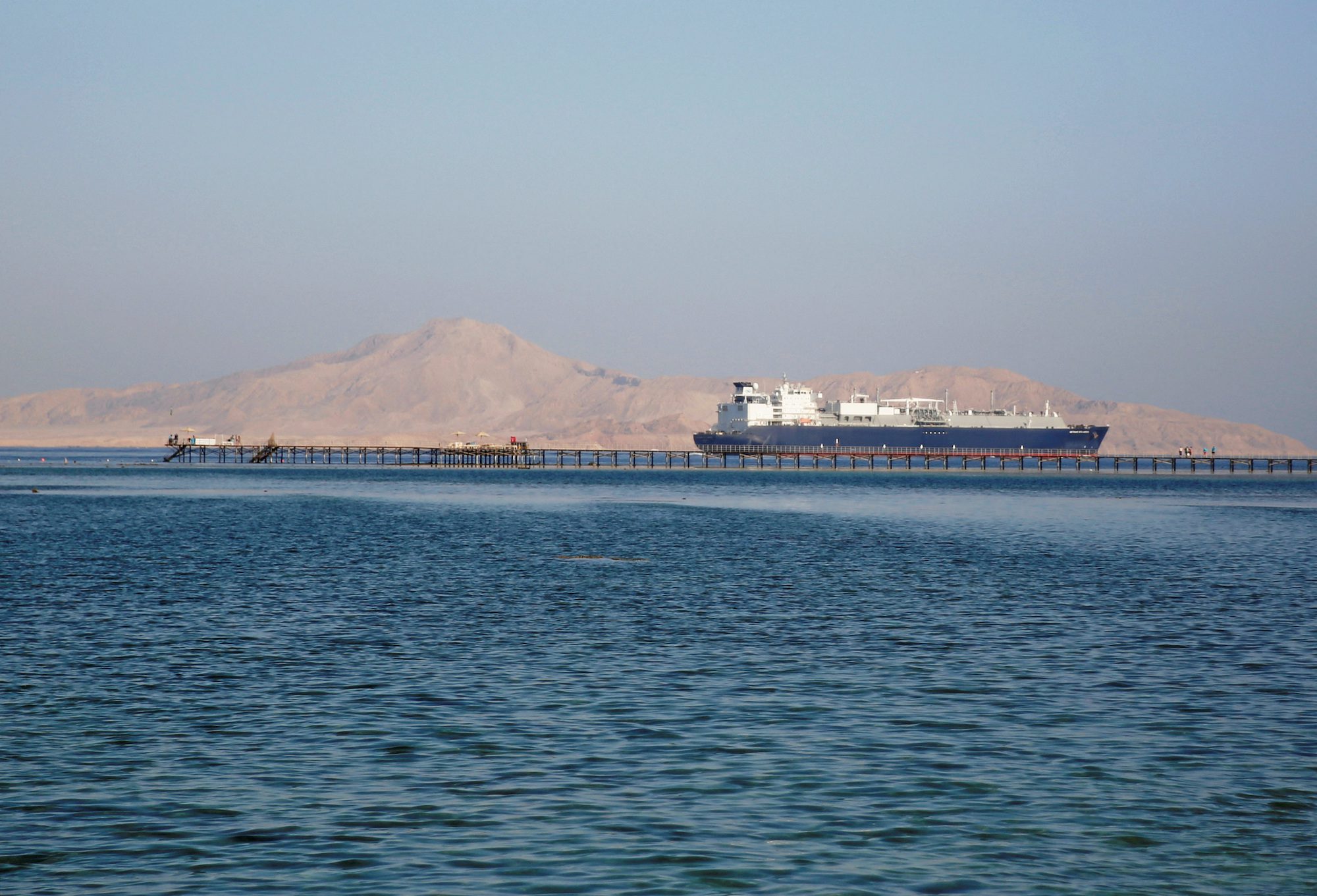
- The Strait of Hormuz is very likely to remain severely disrupted over the next 0-14 days, but there is roughly even chance that current reporting reflects a complete closure rather than selective restriction. Traffic reportedly fell from 130-140 vessels per day before 28 February 2026 to a highly limited level. Iran claims control of the strait, has barred Emirati oil tankers and has permitted some Iraqi oil tankers to pass. Mohsen Rezaei linked reopening to the US ending the war and returning frozen Iranian assets. This is an assessed judgement with medium confidence because the reporting supports severe disruption but conflicts over the extent of closure and access. (Confidence: medium · ASSESSED)
- I&W: AIS or port records showing no Iraqi or Emirati oil tanker passages through the Strait of Hormuz for 7 consecutive days would confirm a complete closure. (0-14 days)
- I&W: Iranian confirmation of additional Iraqi or Emirati tanker passages, alongside a rise in recorded daily traffic, would break the complete-closure assessment. (0-14 days)
- US economic coercion against Iran and countries maintaining ties with Tehran is very likely to intensify over the next 1-3 months, while a new large-scale US military operation is unlikely in that period. President Trump has threatened severe new economic measures, and Scott Bessent has warned that states maintaining ties with Tehran could face severe consequences. Washington's stated strategy is increasingly aimed at reducing Iran's economic relevance, while reporting says the US military campaign has reached its preferred limit of pressure. Iran's economy is already under pressure, with an IMF forecast of a 5.4 percent real GDP contraction in 2026 and reported oil exports below 500,000 barrels per day. The scope and enforcement timetable of new measures remain uncorroborated. This is an assessed judgement with medium confidence. (Confidence: medium · ASSESSED)
- I&W: A US Treasury announcement within 0-14 days naming new sanctions on Iranian financial, energy or trading networks, or penalties for states maintaining ties with Tehran, would confirm the judgement. (0-14 days)
- I&W: A US announcement of a new large-scale operation against Iran, or movement of US aircraft carriers towards Iranian shores, within 0-14 days would break the military restraint element of the judgement. (0-14 days)
- US-Iran diplomatic contact is likely to continue over the next 0-14 days, but a negotiated settlement is unlikely in that period. Iran has expressed willingness to discuss freezing nuclear weapons, and Abbas Araqchi and the Omani foreign minister discussed regional events and conditions for renewed dialogue and negotiations. At the same time, Mohsen Rezaei attached reopening the Strait of Hormuz to US concessions, while President Trump has threatened severe economic measures and the UAE has agreed to pressure Iran. This is an assessed judgement with medium confidence. The main evidence consists of public statements, including a social-media report on the Iran-Iraq security agreement, and does not establish that negotiations will produce an agreement. (Confidence: medium · ASSESSED)
- I&W: An announced Iran-Oman meeting or formal negotiating agenda covering Hormuz shipping, frozen assets or nuclear restrictions within 0-14 days would confirm continued diplomatic engagement. (0-14 days)
- I&W: Iranian officials repeating that Hormuz will reopen only after the US ends the war and returns frozen assets, alongside new US sanctions without a negotiating channel, would break the settlement outlook. (0-14 days)
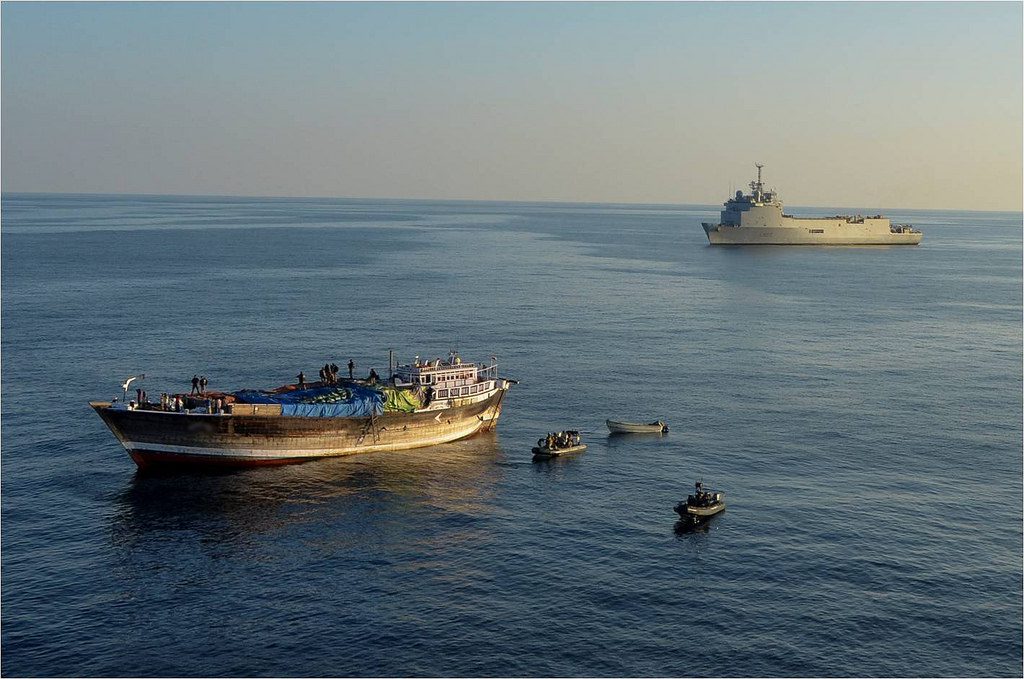
- Maritime security pressure is likely to persist across the Strait of Hormuz, Bab al-Mandab and the Gulf of Aden over the next 0-14 days, but it is very unlikely that the provided reporting establishes a single Iran-directed campaign linking all incidents. Iran and its partners claim a symmetric response in the Strait of Hormuz and Bab al-Mandab. Yemen's Houthis are reported to have attacked Saudi M1A2S Abrams tanks with Rajum drones, while shipowners have rerouted Saudi crude to avoid attacks near Bab al-Mandab. Separately, two ships were reportedly attacked by Somali pirates, including the Sibu 1 in the Gulf of Aden and the Cameroon-flagged Lutuf near Somalia. This is an assessed judgement with low confidence because the Houthi reporting is from a blog and the available sources do not establish operational coordination between these incidents. (Confidence: low · ASSESSED)
- I&W: Another attack or hijacking involving a named commercial vessel in the Strait of Hormuz, Bab al-Mandab or Gulf of Aden within 0-14 days would confirm persistent maritime pressure. (0-14 days)
- I&W: A 14-day period with no new attacks, a reported decline in Somali piracy incidents and resumed commercial passages through the named waterways would break the judgement. (0-14 days)
Outlook & scenarios
Prolonged coercive standoff (55%)
The most likely path is continued Iranian missile and drone signalling, severe but selective disruption in the Strait of Hormuz and intensified US sanctions. Washington avoids a new large-scale operation, while Iran uses shipping restrictions and threats to raise the cost of continued pressure. Diplomatic contact through Oman continues without a settlement.
Negotiated pause with selective reopening (25%)
Iran and Oman develop a formal channel covering Hormuz shipping, frozen assets and nuclear restrictions. Iran permits more Iraqi and other tanker passages, while the United States delays a new large-scale operation but retains economic pressure. The pause reduces immediate military risk without resolving the confrontation.
Wider maritime pressure (12%)
Iran and its partners sustain pressure in the Strait of Hormuz and Bab al-Mandab, while Yemen's Houthis continue attacks affecting Saudi military assets and crude movements. Somali piracy incidents continue in the Gulf of Aden and near Somalia. Shipping companies further reroute vessels and US naval forces maintain greater distance from Iranian shores.
High-impact direct escalation (8%)
Iran conducts additional strikes on US bases in the eight regional countries identified in reporting, or against US fleet units, and the United States responds against Iranian coastal or military targets. Iran enforces a complete closure of the Strait of Hormuz, diplomatic contact collapses and the resulting shipping disruption produces a broader energy shock.
Recommendations
- Maintain a daily 0-14 day warning watch on Iranian missile and drone launches, reported strikes on named US bases, the USS Abraham Lincoln and other US fleet units, and further US carrier movements away from Iranian shores.
- Separate the Hormuz assessment into traffic volume, flag-specific access and enforcement scope. Track Iraqi tanker permissions and Emirati tanker restrictions independently rather than treating the strait as simply open or closed.
- Monitor US Treasury announcements for named sanctions, secondary measures and enforcement against states maintaining ties with Tehran. Keep economic coercion and military-operation indicators on separate warning tracks.
- Prioritise verification of contradictory battlefield claims through independent imagery, official US reporting and corroborated vessel or base records. Do not treat Iranian official statements, blog reporting or social-media posts as confirmation of damage or operational coordination.
- Track the Iran-Oman channel for a formal agenda, meeting announcement or agreed shipping mechanism. Treat public willingness to discuss nuclear restrictions as evidence of contact, not evidence of an imminent settlement.
- Maintain a separate maritime-security watch for the Strait of Hormuz, Bab al-Mandab, the Gulf of Aden and Somalia. Record attacks on named vessels and Saudi crude rerouting without assuming that Somali piracy, Houthi activity and Iranian operations form one campaign.
Confidence & uncertainty
Overall confidence is low because the 39 usable sources include official statements and major-media reporting alongside social-media, blog and academic material. Several relevant claims are medium or low confidence, and the record contains unresolved conflicts over Iranian damage claims, the extent of Hormuz closure and the dates of key sanctions and shipping events. The reporting supports a broad assessment of sustained military, economic and maritime pressure, but it does not provide a consistent operating picture or independently corroborate the most consequential battlefield claims.
Intelligence gaps
- [EEI 1.2 · PARTIAL] Changes in US or Iranian force posture indicating preparation for further attacks, including aircraft dispersal, missile-unit movement, naval sortie activity, or air-defense activation. Recommended collection: satellite imagery/aviation and maritime tracking
- [EEI 1.4 · PARTIAL] Evidence of mobilization or operational tasking by Iranian-aligned armed groups against US personnel, bases, or partners. Recommended collection: local reporting/social media/human intelligence
- [EEI 2.1 · UNCOVERED] Deployment or repositioning of Iranian ballistic missiles, cruise missiles, drones, fast-attack craft, or other strike assets within operational range of US or partner targets. Recommended collection: satellite imagery/signals intelligence
- [EEI 2.2 · UNCOVERED] Orders, threats, targeting claims, or attack preparations by Iranian proxy groups in Iraq, Syria, Lebanon, Yemen, or the Gulf. Recommended collection: group statements/local reporting
- [EEI 2.3 · PARTIAL] Iranian diplomatic messages, intermediary contacts, or de-escalation proposals directed to the United States or regional governments. Recommended collection: diplomatic reporting/official statements
- [EEI 2.4 · PARTIAL] Changes in Iranian military alert levels, command activity, weapons dispersal, or continuity-of-government measures. Recommended collection: signals intelligence/satellite imagery
- [EEI 3.1 · UNCOVERED] Arrival or departure of US carrier strike groups, bombers, air-defense units, special operations forces, or additional personnel in the region. Recommended collection: maritime and aviation tracking
- [EEI 3.2 · UNCOVERED] Changes to US force-protection conditions, base access, evacuation plans, embassy staffing, or noncombatant evacuation preparations. Recommended collection: official notices/diplomatic reporting
- [EEI 3.3 · UNCOVERED] Presidential, Pentagon, or theater-command statements describing authorized response options, expanded objectives, or revised rules of engagement. Recommended collection: official statements
- [EEI 3.4 · UNCOVERED] US or coalition kinetic actions against Iranian territory, military infrastructure, or aligned groups following new exchanges. Recommended collection: military reporting/open-source imagery
- [EEI 4.1 · UNCOVERED] Attacks, attempted attacks, or sabotage against regional bases, diplomatic facilities, energy infrastructure, ports, or commercial shipping. Recommended collection: local reporting/maritime security reporting
- [EEI 4.3 · PARTIAL] Regional government decisions to close airspace or waterways, raise military readiness, expel personnel, or request additional US or allied forces. Recommended collection: official statements/aviation and maritime notices
- [EEI 4.4 · PARTIAL] Sustained movements in oil and gas prices, tanker freight rates, or reported disruptions to production and export facilities attributable to the military exchanges. Recommended collection: energy-market reporting
Cited sources
[1] Kayhan · Kayhan: The time has come for America to leave West Asia (B) · sha256:663632da880f [2] interfax.ru · В Иране заявили о переходе с оборонительной на наступательную военную доктрину (B) · sha256:dec6cc34e432 [3] news.ru · США отвели авианосцы подальше от Ирана (B) · sha256:b277f5071370 [4] Pars Today · Представитель иранской армии: Америка утратила свой международный престиж (A) · sha256:b1dde22bc4e6 [5] gcaptain.com · Iran Vows 'Devastating' Response to US Threat to Cut Off Its Economic Lifelines (A) · sha256:ec2f20ca0068 [6] Resalat · В далеком 1953-м США сломили Иран. Но теперь Тегерану есть, чем ответить (Resalat, Иран) (B) · sha256:32a6aaf7590a [7] gcaptain.com · Iran Grants Permission For A Number Of Iraqi Oil Tankers To Pass Through Hormuz (A) · sha256:8b8f019e0b90 [8] Репортёры · Иран не падет: почему блокада США и санкции не сломают режим аятолл - Репортёры (B) · sha256:fbc2c2f7df65 [9] Eurasia Business News · Stock Market Today: Bitcoin Surges Above $77,000, S&P 500 Posts Weekly Loss, Oil price at $94 (B) · sha256:fd9bbd4b242f [10] News.az · From Zangezur to Hormuz: Is Trump building a new economic order around Iran? | News.az (B) · sha256:de258d080045 [11] vietnam.vn · Тактика Трампа в развязывании беспрецедентной экономической войны с Ираном. (B) · sha256:f09ae416a6a3 [12] t.me · UDudaka (E) · sha256:ad67feab9de4 [13] amalantra.ru · Вооружение и военные конфликты на Ближнем Востоке (D) · sha256:cdaab429680b [14] gcaptain.com · Saudis Shuttle Oil North On Tankers To Evade Houthis (B) · sha256:9f94c9f55089 [15] gcaptain.com · Piracy Observer Says Somali Incidents Rising as Navies Stretched (B) · sha256:8a3c3a8b2aaf
Source content hashes were computed at collection time; the cited text is preserved unmodified for the life of this product.
TLP:CLEAR