TLP:CLEAR · Disclosure is not limited.
Eurasia: US-Iran Exchanges Tighten Pressure in the Persian Gulf
Time window: Last 1 day · Audience: General analyst · Type: Situation report · DTG: 2026-08-25 17:40Z · Overall confidence: MEDIUM
BLUF
US-Iran economic confrontation is very likely to intensify as the US Treasury applies Operation Economic Outcast and Iran vows retaliation. Commercial traffic through the Strait of Hormuz is likely to remain severely constrained rather than fully halted, while conflicting claims over mine clearance and a new tanker strike preserve a high risk of miscalculation.
Executive summary
The US Treasury has launched Operation Economic Outcast, issued five sectoral sanctions determinations covering digital assets, technology, gold, aviation and shipping, and sanctioned more than 60 entities, individuals and vessels in reported accounts. Iran has vowed to retaliate and has listed 46 vessels for alleged violations of its transit arrangements, with penalties including fines, detention, seizure or confiscation. Recent shipping data recorded only two commodity vessels crossing Hormuz on 24 August and two tankers on 25 August, compared with a previous 10-day average of 14. President Donald Trump said the US Navy had cleared mines from international waters, but the Joint Maritime Information Center continued to report active mine danger areas and ongoing clearance and survey operations. Pakistan-Iran talks and an Iran-Oman navigation framework provide limited de-escalatory signals, although their implementation remains unconfirmed.
Change from previous assessment
Since the 24 August brief, the assessment has shifted from an anticipated sanctions escalation to an active sanctions campaign, with the US Treasury reporting new sectoral measures and more than 60 targets. Confidence in continued Hormuz disruption is unchanged at medium but is now lower on mine-status reporting because President Donald Trump's clearance claim conflicts directly with JMIC's warning. The diplomatic outlook has improved slightly because Pakistan reports progress with Iran and Iran and Oman have proposed a navigation framework, although direct US-Iran negotiations remain unlikely. The latest tanker strike east of the Musandam Peninsula adds a new maritime incident, but attribution remains unresolved.
Key judgments
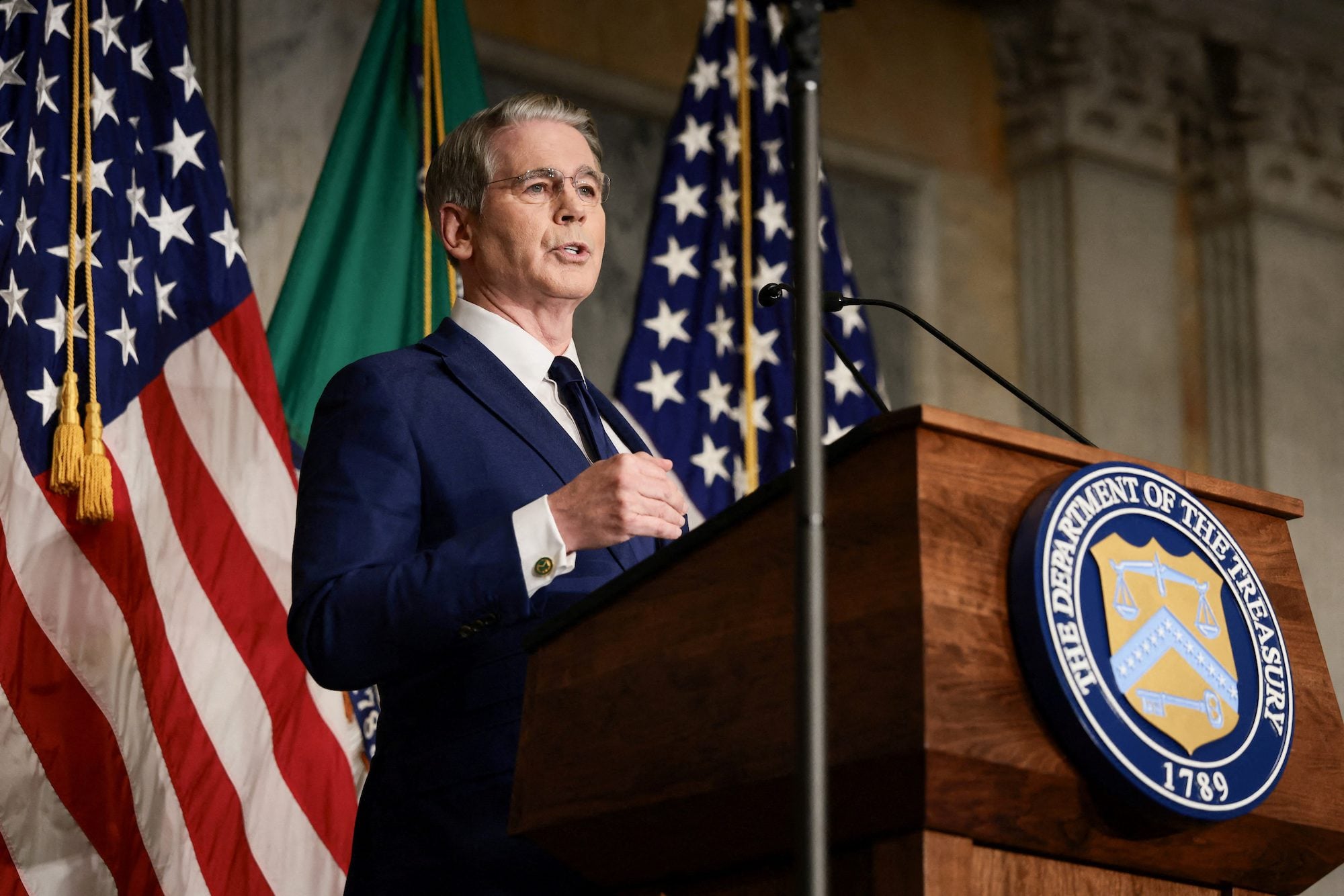
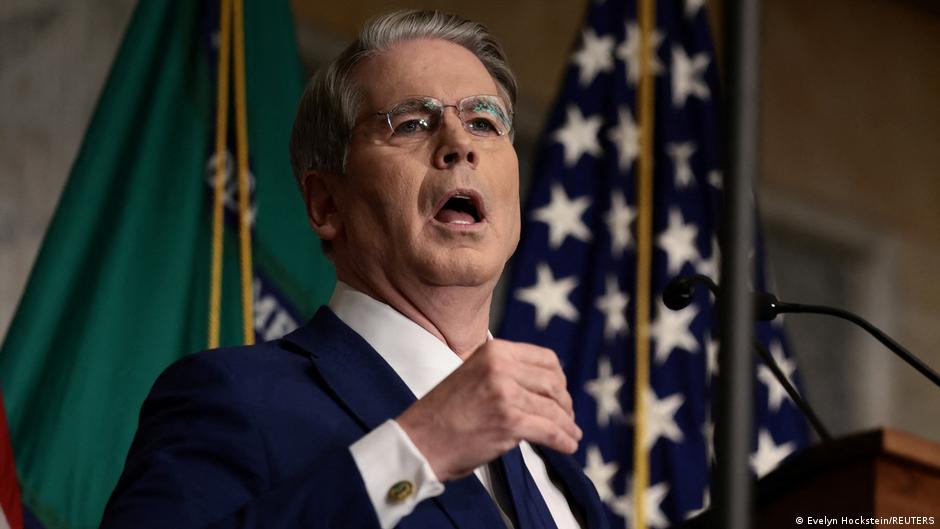
- US-Iran economic confrontation is very likely to intensify over the next 14 days. The US Treasury has begun Operation Economic Outcast, issued sectoral sanctions covering five Iranian economic lifelines, and sanctioned more than 60 entities, individuals and vessels, while Treasury Secretary Scott Bessent has threatened further action against a major financial institution. Iran has vowed to retaliate, and China has vowed to protect its interests. This is an assessed, medium-confidence judgement because official Treasury statements and major-media reporting corroborate the campaign, but the reported total varies between nearly 60 and more than 60 targets, and analysts dispute its short-term effect on Iranian energy revenues. (Confidence: medium · ASSESSED)
- I&W: Confirmation: the US Treasury publishes a designation against the unnamed major financial institution or expands shipping-related sanctions beyond the current package. (0-14 days)
- I&W: Break: Iran announces a negotiated suspension of retaliation or China publicly accepts the US sanctions without announcing protective measures. (0-14 days)
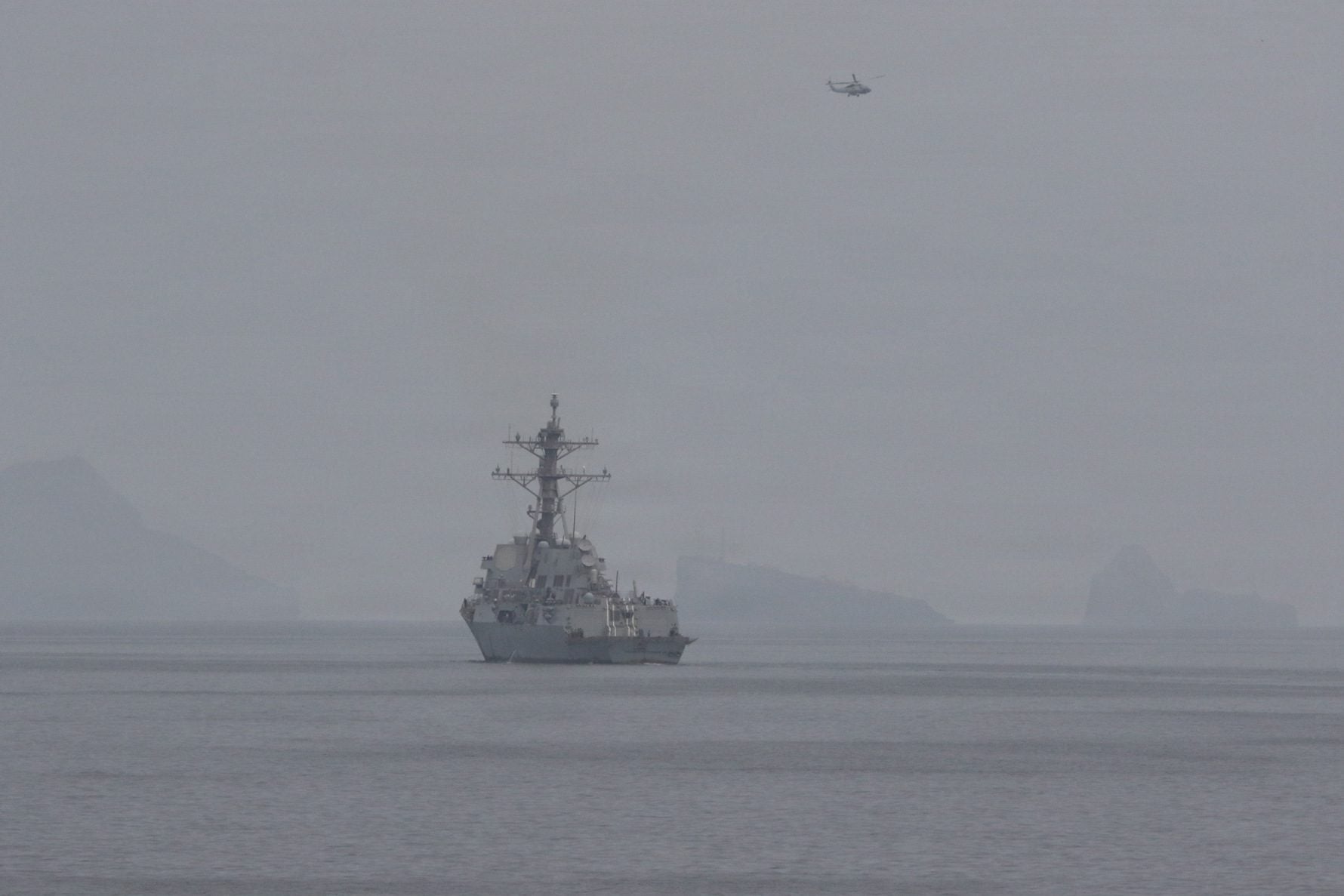
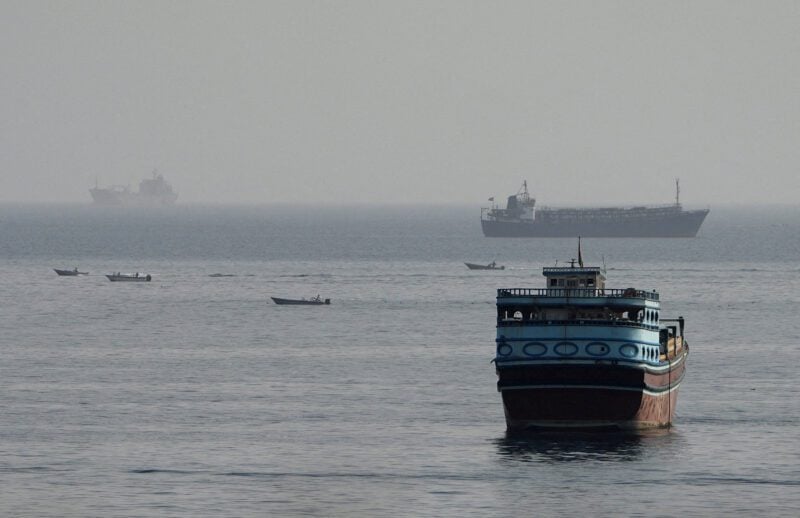
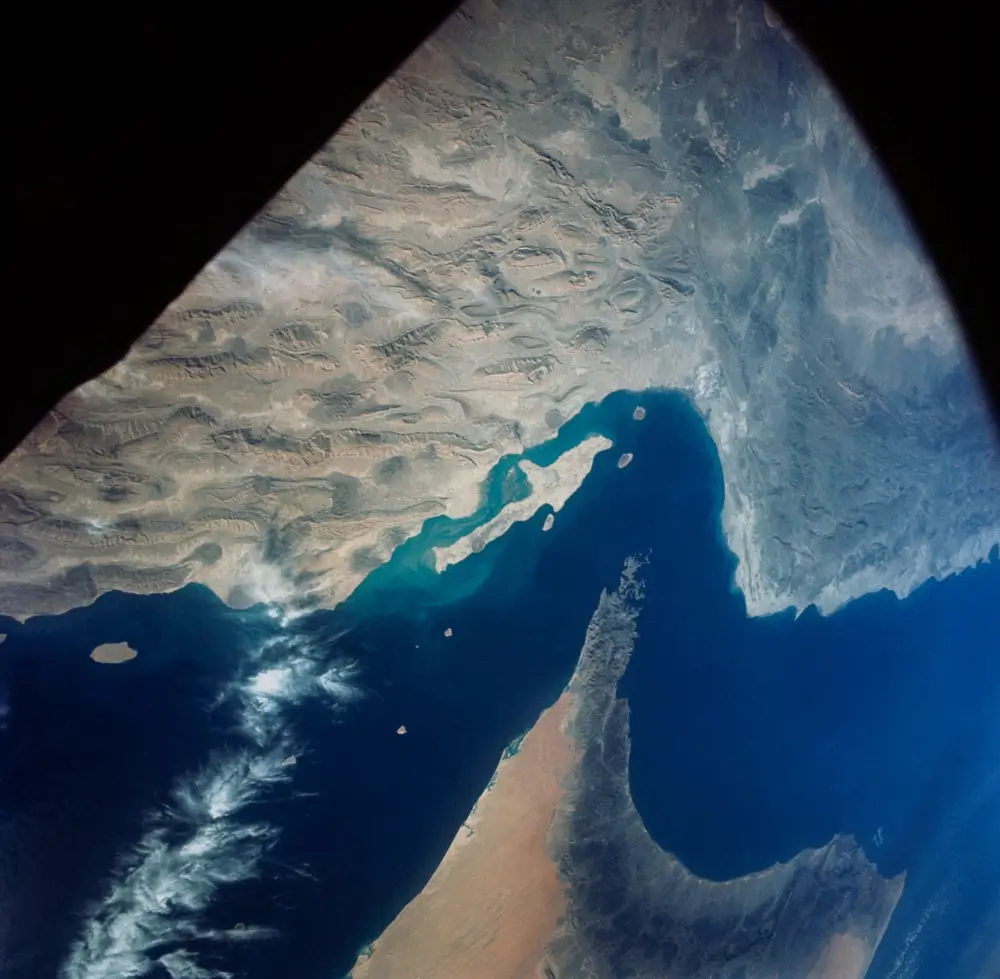
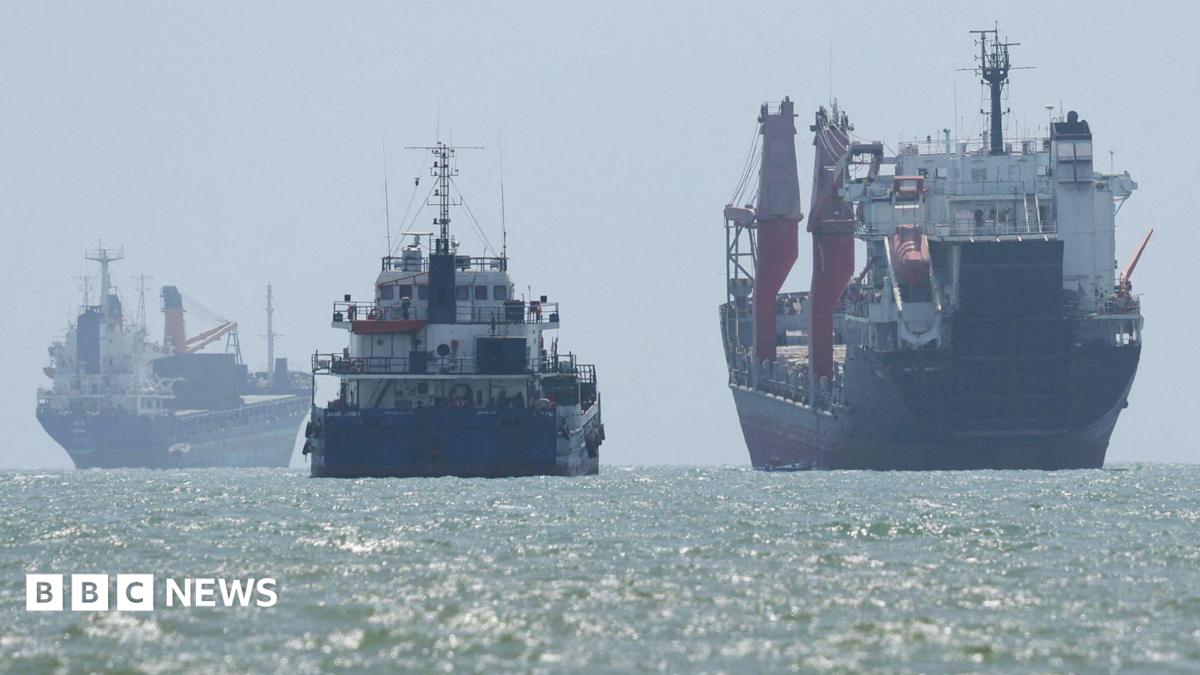
- Commercial traffic through the Strait of Hormuz is likely to remain severely constrained rather than fully halted over the next 14 days. Recent reporting recorded only two commodity vessels crossing on 24 August and two tankers on 25 August, against a previous 10-day average of 14, while traffic remains at a fraction of pre-conflict levels. Iran's 46-vessel non-compliance list, threatened penalties and asserted authority over vessel movements will deter some operators. This is an assessed, medium-confidence judgement because traffic data show continuing passage, but President Donald Trump's claim of completed mine clearance conflicts with Joint Maritime Information Center reporting that mine danger areas remain active. (Confidence: medium · ASSESSED)
- I&W: Confirmation: daily commodity-vessel transits remain below the reported 10-day average of 14 for at least three consecutive days, or another vessel is disabled in the Strait. (0-14 days)
- I&W: Break: JMIC reports that mine danger areas are inactive and shipping data show a sustained return towards the previous 10-day average. (0-14 days)
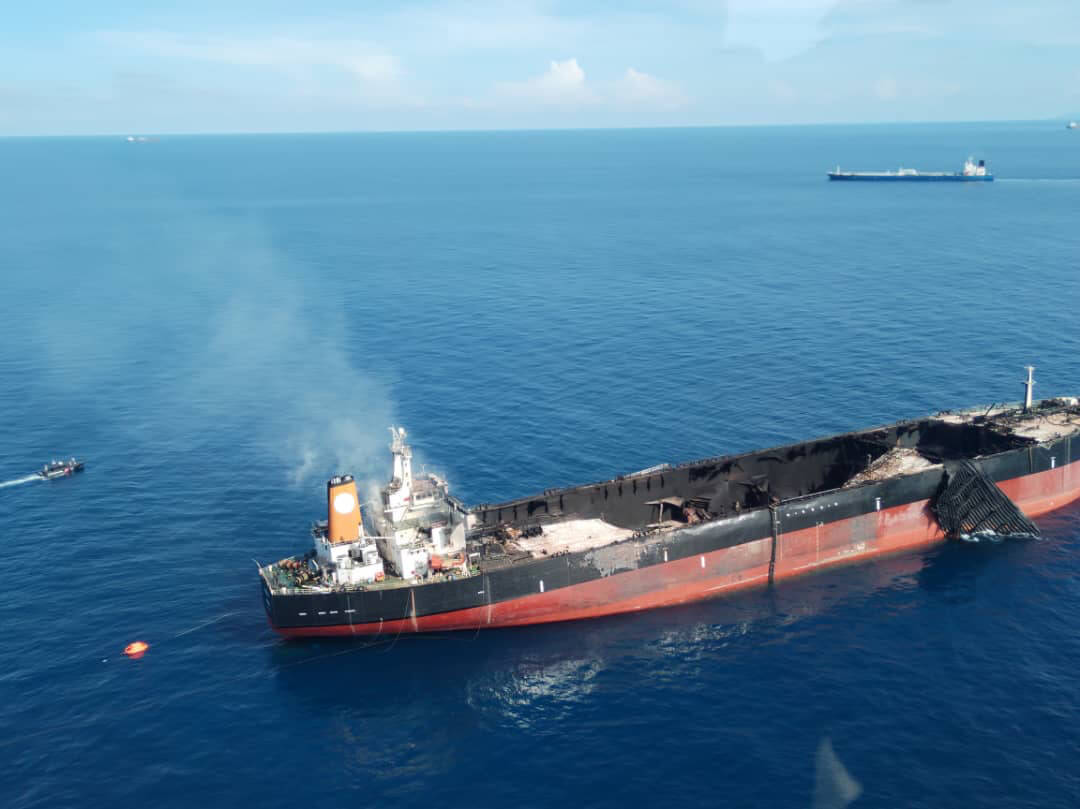
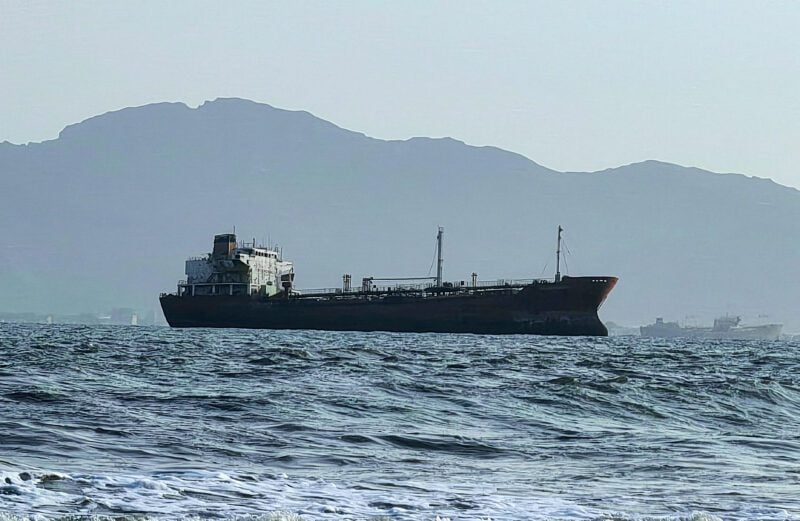
- Iran is likely to sustain coercive pressure on commercial shipping in and around the Strait of Hormuz over the next 14 days, but attribution for the tanker hit east of the Musandam Peninsula remains unresolved. Iran has blacklisted or listed 45 to 46 vessels, threatened penalties extending to detention, seizure and confiscation, and previously reported attacks on UAE ships. An unnamed oil tanker was struck by a projectile, its engine room was damaged and the vessel was disabled, but the available reporting identifies the projectile as unknown. This is an assessed, medium-confidence judgement because Iranian coercive measures and threats are repeatedly reported, while responsibility for the latest strike is uncorroborated. (Confidence: medium · ASSESSED)
- I&W: Confirmation: Iranian authorities announce the detention, seizure or confiscation of a vessel from the 46-vessel list. (0-14 days)
- I&W: Break: Iran and Oman implement the proposed navigation corridor and no additional commercial vessel is struck or disabled on the Omani coastal route. (0-14 days)
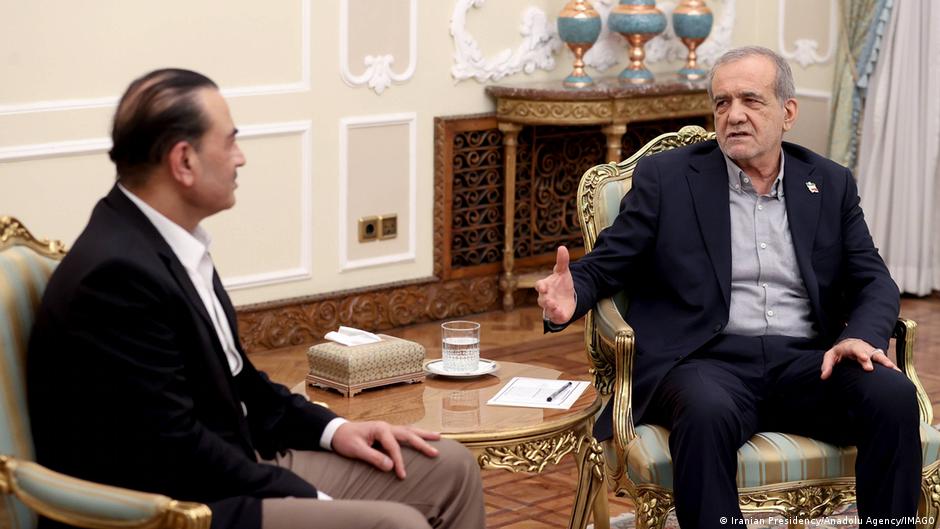
- Pakistan-Iran mediation is likely to remain active over the next 14 days, while direct US-Iran negotiations are unlikely. Pakistan's Interior Minister reported significant progress after talks in Tehran, General Asim Munir met Iranian leadership and Mohsen Rezaei, and Munir urged Iran to resume work under the June memorandum of understanding. The channel remains fragile because Iran has also stated that it is not interested in a deal with the United States. This is an assessed, medium-confidence judgement because Pakistani-Iranian talks are reported by more than one major-media account, but the progress statement is not independently corroborated and the reported Iranian position conflicts with the diplomatic activity. (Confidence: medium · ASSESSED)
- I&W: Confirmation: Pakistan, Iran and Oman publish an agreed timetable for the temporary navigation corridor or resume formal work under the June memorandum of understanding. (0-14 days)
- I&W: Break: Iran rejects further Pakistani mediation publicly or Pakistan reports no follow-up engagement with Iranian leadership. (0-14 days)
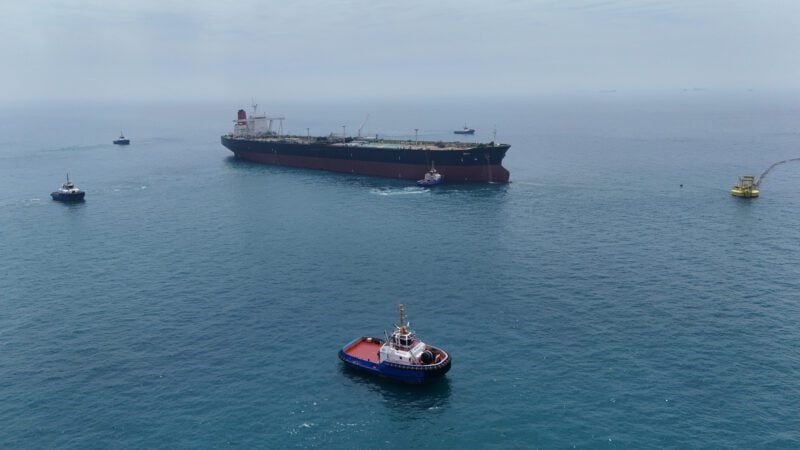
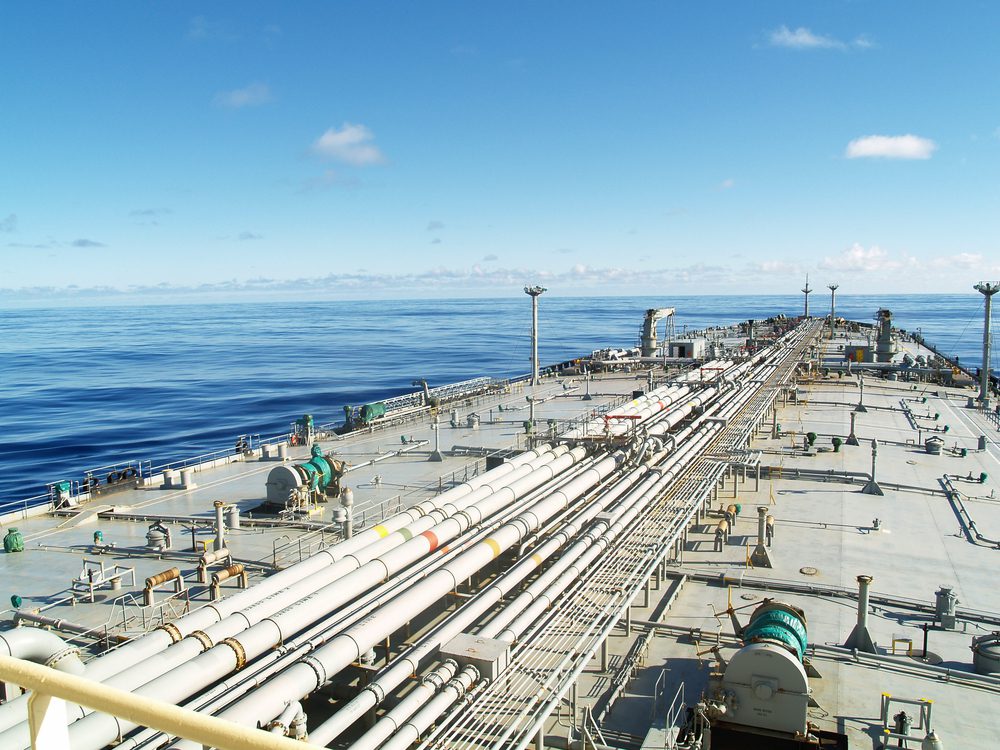
- A return to pre-conflict maritime operating conditions in the Persian Gulf is very unlikely over the next 14 days. Current shipping volumes are depressed, a VLCC charter inside the Gulf is reported to cost as much as US$800,000 per day, and a supertanker voyage through Hormuz is estimated at about US$20 million. Iran's transit restrictions and US warnings against paying Iranian entities add legal and operational exposure for carriers. This is an assessed, medium-confidence judgement because the traffic decline and cost figures are reported by major maritime sources, but the available data contain inconsistent dates and do not establish how long the elevated rates will persist. (Confidence: medium · ASSESSED)
- I&W: Confirmation: reported VLCC spot charter rates remain near US$800,000 per day and major carriers continue to limit Hormuz transits or shift routes towards the Suez and Red Sea corridor. (0-14 days)
- I&W: Break: shipping data show a sustained increase in Hormuz transits and operators publicly resume normal routing without additional Iranian transit penalties. (0-14 days)
Outlook & scenarios
Constrained transit and sustained pressure (60%)
The likely outcome is continued US sanctions pressure, Iranian enforcement of vessel rules and low but persistent commercial traffic through Hormuz. The temporary Iran-Oman framework remains largely declaratory, while the US and JMIC continue to issue conflicting messages on mine clearance.
Pakistan-mediated maritime de-escalation (30%)
Pakistan-Iran talks and the Iran-Oman framework produce limited practical arrangements for selected vessels. A temporary navigation corridor opens parts of the waterway, but sanctions and uncertainty over mine danger areas keep traffic below pre-conflict levels.
Renewed maritime escalation (15%)
Very unlikely but high impact. A newly laid mine, another projectile strike or detention of a listed vessel triggers direct US action against the responsible maritime platform or Iranian-linked authority. Shipping transits fall further and the sanctions confrontation widens.
Recommendations
- Maintain a daily sanctions tracker through the next 14 days. Record any Treasury designation of the unnamed major financial institution, additions to the five targeted sectors, and measures involving Azure Shipping Pte. Ltd., UAE-based entities or vessels on Iran's 46-vessel list.
- Separate political declarations from operational maritime status. Treat President Donald Trump's mine-clearance statement and JMIC's active mine-danger warning as competing reporting until JMIC confirms that danger areas are inactive and shipping data show sustained recovery.
- Use two independent maritime indicators for warning: daily commodity-vessel transits through Hormuz against the reported 10-day average of 14, and confirmed incidents involving a named vessel, projectile strike, detention or seizure. Escalate the assessment after any additional disabled tanker or listed vessel detention.
- Track Pakistan's channel as the main diplomatic early-warning line. Prioritise official readouts from General Asim Munir, Mohsen Rezaei, Pakistan's Interior Minister and the Iran-Oman framework, with particular attention to a timetable for the temporary navigation corridor or renewed work under the June memorandum of understanding.
- Update contingency assessments for commercial operators using the reported US$800,000 daily VLCC charter rate and approximately US$20 million supertanker transit cost. Model the effects of continued low Hormuz traffic, limited use of the Suez and Red Sea corridor, and further Iranian or US sanctions on shipping-related payments.
- Keep attribution of the tanker struck east of the Musandam Peninsula open. Do not assign responsibility to Iran or another actor without corroborating evidence linking the projectile, launch platform or associated maritime activity to a named actor.
Confidence & uncertainty
Overall confidence is medium. US Treasury actions are supported by official statements and corroborating major-media reporting. Shipping disruption is supported by recent transit counts, maritime cost data and reporting on Iranian vessel restrictions. The main uncertainties are the contradiction between President Donald Trump's mine-clearance claim and JMIC's warning that mine danger areas remain active, the unresolved attribution of the tanker strike east of the Musandam Peninsula, and conflicting indications about whether Iran is willing to pursue a diplomatic deal. Several claims also contain inconsistent date metadata, which limits confidence in precise timelines.
Intelligence gaps
- [EEI 1.1 · UNCOVERED] Concentrations or unusual movements of IRGC-Navy fast attack craft, small boat swarms, or escort vessels within 200 km of US/allied ships, including approach distances and formation changes. Recommended collection: maritime/AIS
- [EEI 1.2 · UNCOVERED] Detected pre-launch activity at coastal missile or rocket batteries (vehicle dispersal, fuel/warhead handling, radars powering up, transport erector launchers moving to firing positions). Recommended collection: imagery/signals
- [EEI 1.3 · UNCOVERED] Increased launch/arming/positioning of armed UAVs (MALE/loitering munitions) or tactical aircraft at Iranian coastal bases with sortie generation rates and munitions loadouts. Recommended collection: air/ADS-B/imagery
- [EEI 1.4 · UNCOVERED] Command-and-control indications of attack orders or elevated rules-of-engagement from IRGC/General Staff (intercepted communications, internal order messages, force-wide alert messages). Recommended collection: signals/human
- [EEI 2.1 · PARTIAL] Public statements or state-media broadcasts from Supreme Leader, President, Minister of Defense, or IRGC commanders indicating authorization, restraint, or conditions for retaliation. Recommended collection: open-source
- [EEI 2.2 · UNCOVERED] Issuance of formal orders, mobilization directives, travel restrictions, or official internal communications within IRGC/Armed Forces indicating escalation posture or stand-down. Recommended collection: human/diplomatic
- [EEI 2.3 · UNCOVERED] Directives, logistics movements, or communications from Iranian commanders to regional proxy militias (Houthis, Iraqi Shia militias, Lebanese groups) that change their threat posture or task them with specific operations. Recommended collection: signals/human
- [EEI 3.1 · PARTIAL] Incidents involving commercial vessels within the Strait of Hormuz or Persian Gulf: attacks, boarding attempts, near-misses, AIS spoofing or deliberate AIS outages, including vessel IDs and locations. Recommended collection: maritime/AIS
- [EEI 3.3 · PARTIAL] Commercial indicators of disruption: sudden increases in war-risk insurance premiums for Gulf transits, vessel re-routing decisions, port throughput reductions, or charter cancellations for Gulf shipments. Recommended collection: financial/commercial
- [EEI 3.4 · UNCOVERED] Movements or posture changes of regional state navies/air forces (Saudi, UAE, Kuwait, Bahrain, UK) such as task group departures, airbase dispersals, or announced maritime patrols near choke points. Recommended collection: open-source/imagery
Cited sources
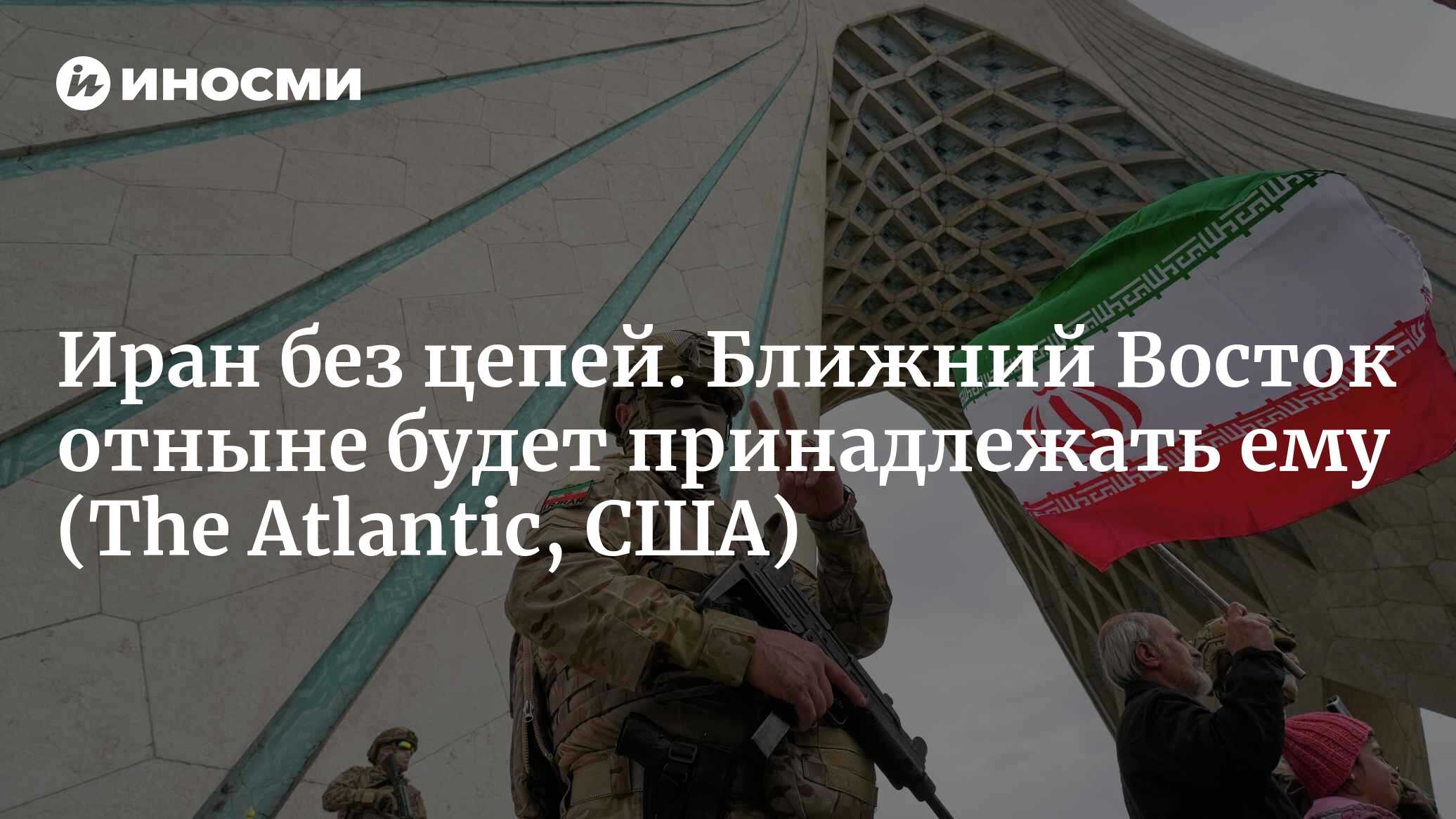
[1] U.S. Department of the Treasury · Remarks from Secretary of the Treasury Scott Bessent on Operation Economic Outcast against Iran (A) · sha256:cda22e30eb34 [2] gcaptain.com · Trump Administration Launches Sweeping New Iran Sanctions Campaign Targeting Shipping and Oil Trade (B) · sha256:cb8bf6057b25 [3] Deutsche Welle · باكستان وإيران تقتربان من تفاهمات لإنهاء الحرب وفتح هرمز؟ (A) · sha256:56e6bfed71a9 [4] gcaptain.com · U.S. Threatens Iran’s Trading Partners in New Economic Pressure Campaign (B) · sha256:359eab7e2d6a [5] Deutsche Welle · США грозят новыми санкциями союзникам Ирана (A) · sha256:7da175a816be [6] maritime-executive.com · US Treasury Says Sanctions on Iran's Bankers Are Coming Soon (B) · sha256:b32cc825b8c6 [7] gcaptain.com · Commodity Vessel Transits Through Strait of Hormuz Hit Three-Month Low, Data Shows (B) · sha256:916e143ac195 [8] bbc.co.uk · China hits out at 'illegal' new US sanctions on Iran and trading partners (A) · sha256:f215cb31159e [9] gcaptain.com · Malacca Strait States Will Keep Waters ‘Free, Open and Safe’ (B) · sha256:f45bb829508f [10] gcaptain.com · Trump Says U.S. Navy Has Cleared All Mines From Strait of Hormuz (B) · sha256:ee981c65b240 [11] gcaptain.com · Iran Blacklists 46 Ships On Hormuz ‘Non-Compliant’ List (B) · sha256:1fefbf4718a6 [12] gcaptain.com · Iran and Oman Unveil Framework for Future Management of Strait of Hormuz (B) · sha256:39e674294e6b [13] Al Jazeera · Iran war live: Trump claims US Navy demined Hormuz, warns Tehran (A) · sha256:2ea51a961309 [14] maritime-executive.com · Tanker Hit and Disabled Near Strait of Hormuz (B) · sha256:e266b97bfac4 [15] inosmi.ru · Иран без цепей. Ближний Восток отныне будет принадлежать ему (The Atlantic, США) (B) · sha256:cce49d56bbbb [16] lenta.ru · Раскрыто предложение США Ирану для открытия Ормузского пролива (B) · sha256:133d0bcf9a2a [17] gcaptain.com · Cost to Ship a VLCC Through Hormuz Hits $20 Million, TotalEnergies CEO Says (B) · sha256:816106d5b374
Source content hashes were computed at collection time; the cited text is preserved unmodified for the life of this product.
TLP:CLEAR