TLP:CLEAR · Disclosure is not limited.
Eurasia: US-Iran Pressure Deepens as Hormuz Access Remains Contested
Time window: Last 1 day · Audience: General analyst · Type: Situation report · DTG: 2026-08-23 14:38Z · Overall confidence: MEDIUM
BLUF
US-Iran coercive pressure is likely to remain active over the next 0-14 days, while Iran’s threats against regional economic interests raise the risk of further maritime disruption. The Strait of Hormuz is very likely to remain severely disrupted, but conflicting traffic data leave its status as fully closed or selectively restricted unresolved. Diplomatic contacts continue, but a near-term settlement is unlikely.
Executive summary
Iranian officials are combining threats of military retaliation with warnings against neighbouring states that support US economic pressure. Reports attribute strikes by Iranian projectiles to five vessels in the past week, while the USS Abraham Lincoln remains deployed in the Gulf after more than 240 days at sea. Hormuz traffic reporting is contradictory: Kpler recorded 95 confirmed crossings last week, while other reporting described nearly 200 ships navigating the strait and a 400 percent increase over two weeks. Washington is preparing further sanctions, and the United Arab Emirates suspended trade and financial operations with Iran on 18 August. Egypt, Oman and Iran continue diplomatic activity, but the reporting does not establish active US-Iran negotiations or agreed terms. A separate escalation risk is emerging from the Israeli strike on Abu al-Duhur airbase in northern Syria and the resulting dispute with Türkiye.
Change from previous assessment
Since the 22 August brief, the assessment retains the judgements that US-Iran pressure, severe Hormuz disruption, economic coercion and diplomatic contact will continue. Confidence in the precise status of Hormuz remains medium because new traffic reports still conflict, and the sanctions timeline is now less clear because announcements are associated with both an immediate press conference and 29 August. The brief adds a low-confidence judgement on the Israel-Türkiye dispute over Abu al-Duhur airbase in northern Syria as a separate escalation risk. The prior low-confidence judgement linking Hormuz, Bab al-Mandab and the Gulf of Aden remains unexpanded because the current reporting does not establish operational coordination among the incidents.
Key judgments
- US-Iran military pressure is likely to remain active over the next 0-14 days, while a verified return to restraint is unlikely. Major General Ali Abdollahi promised a crushing military response to threats, Mohsen Rezaei threatened strikes on oil and economic companies, and Iranian projectiles reportedly struck five vessels in the past week. The USS Abraham Lincoln has been deployed in the Gulf for months and has spent more than 240 days at sea. The reporting corroborates Iranian threats and maritime pressure, but does not independently establish a fresh US-Iran strike exchange during this reporting window. (Confidence: medium · ASSESSED)
- I&W: Confirm: A US or Iranian official reports a new strike involving a named US facility, US naval vessel or commercial vessel in the Gulf. (0-14 days)
- I&W: Break: Both governments announce a suspension of military activity and no further attack on a named vessel or US facility is reported. (0-14 days)
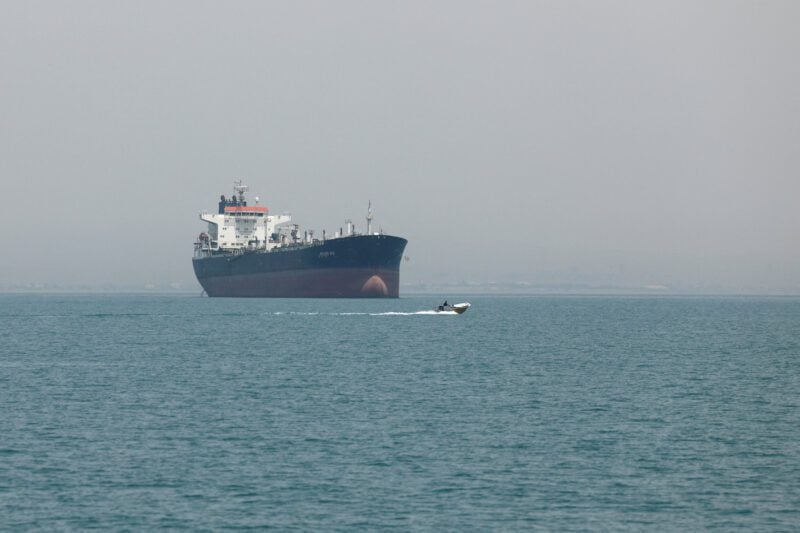
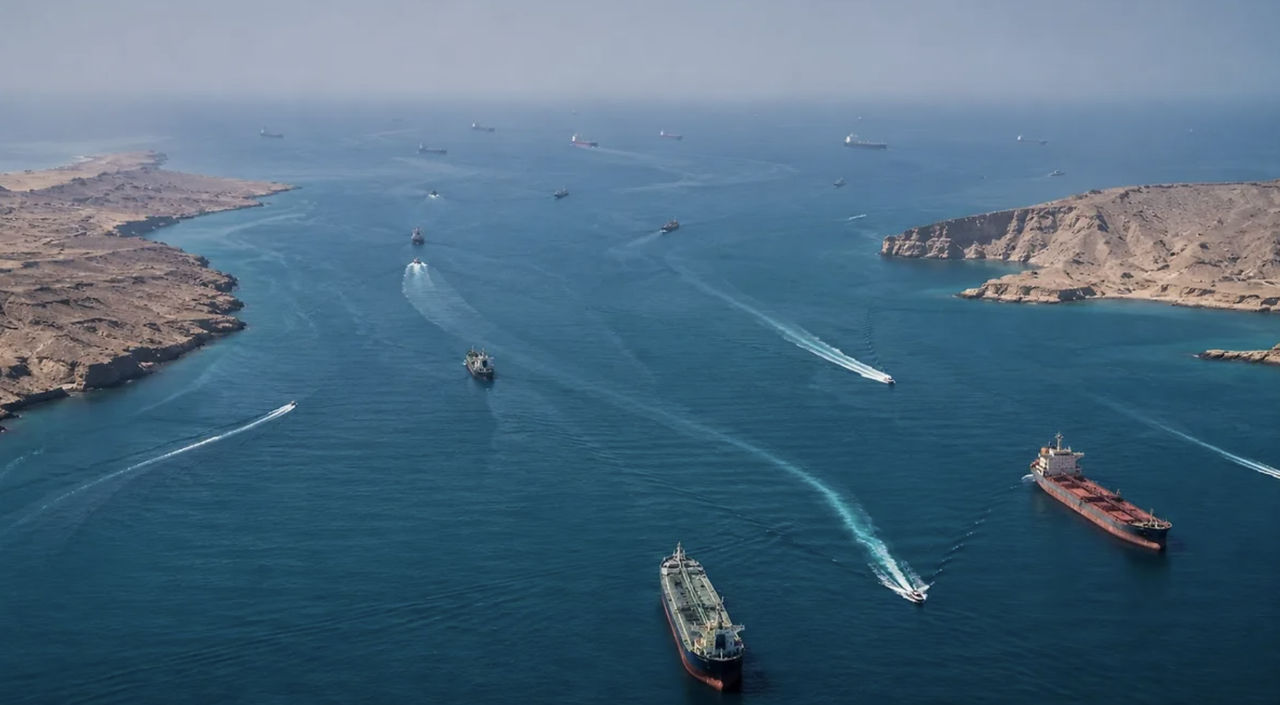
- The Strait of Hormuz is very likely to remain severely disrupted over the next 0-14 days, but there is roughly even chance that current reporting reflects a full closure rather than selective restriction. Kpler reported 95 confirmed crossings last week and the US-led Joint Maritime Information Center assessed commercial traffic as reduced. Other reporting said nearly 200 ships navigated the strait last week and that traffic had risen by nearly 400 percent over two weeks. Iran’s Mohsen Rezaei said the strait was closed, yet Iran reportedly permitted Iraqi oil tankers to pass and more than 80 percent of liquid cargoes used the Omani route. The conflicting figures lower confidence in the precise level of access. (Confidence: medium · ASSESSED)
- I&W: Confirm: JMIC and Kpler both report zero or near-zero commercial crossings, with no further authorised passage for Iraqi tankers. (0-14 days)
- I&W: Break: Kpler confirms more than 150 crossings in a week and JMIC reports a sustained return towards normal commercial traffic. (0-14 days)
- US economic coercion against Iran is very likely to intensify over the next 0-14 days, while Iranian retaliation against regional economic interests is likely if neighbouring states implement the pressure. Washington is set to unveil what it calls its toughest sanctions in history, and Scott Bessent is expected to announce further punitive measures. The United Arab Emirates suspended trade and financial operations with Iran on 18 August. Rezaei has threatened strikes on states that join the US economic campaign, as well as on oil companies, tankers and alternative export routes. The timing and scope of the US measures remain uncertain because reports associate announcements with both an immediate press conference and 29 August. (Confidence: medium · ASSESSED)
- I&W: Confirm: Scott Bessent announces new measures targeting Iranian oil, Iranian economic entities or Iran-linked trade involving China or Gulf states. (0-14 days)
- I&W: Break: The announced measures are cancelled or delayed beyond 29 August and no new Iranian attack on a named regional economic interest is reported. (0-14 days)
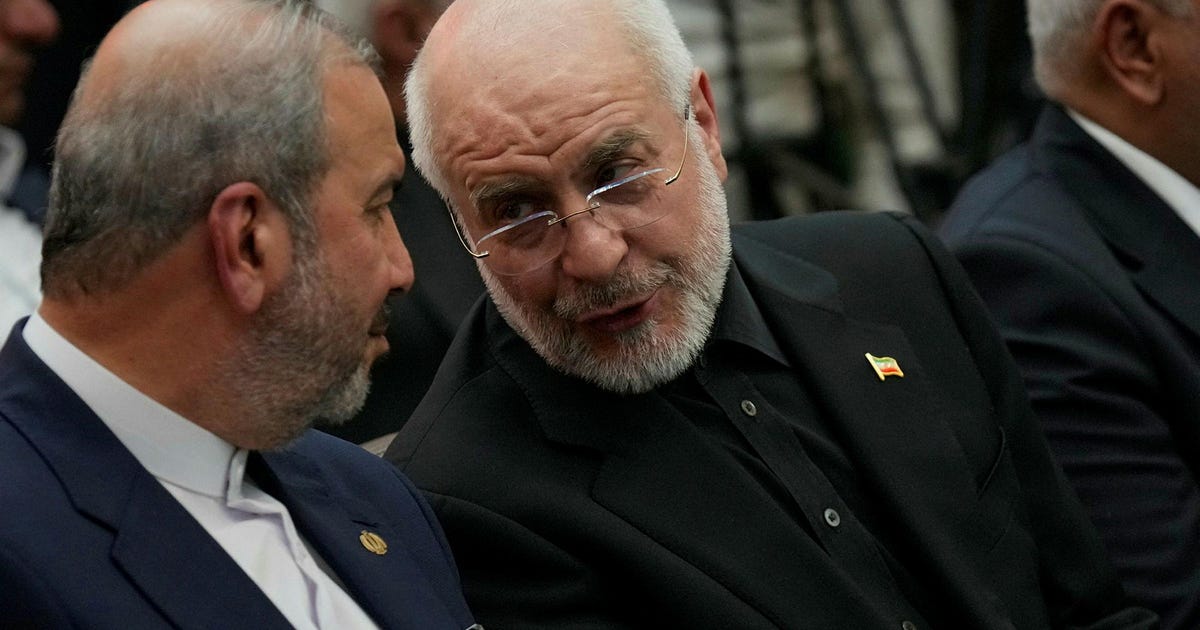
- Egyptian, Omani and Iranian diplomatic contact is likely to continue over the next 0-14 days, but a negotiated US-Iran settlement is unlikely in that period. Egyptian Foreign Minister Badr Abdelatty and Iranian Foreign Minister Abbas Araghchi discussed actions to ease tensions, while Egypt’s Foreign Ministry reported efforts to return Tehran and Washington to negotiations. Iran’s President Masoud Pezeshkian has defended a memorandum of understanding with the United States, and Iran has discussed vessel coordination with Oman. No provided claim confirms a live US-Iran negotiating session or agreed terms, while Washington’s sanction plans and Iranian threats remain active. (Confidence: medium · ASSESSED)
- I&W: Confirm: Abbas Araghchi holds a further call or meeting with Badr Abdelatty, Omani officials or US representatives that produces published negotiating terms. (0-14 days)
- I&W: Break: Iran or the United States formally signs or announces an interim agreement covering military activity, sanctions or Hormuz access. (0-14 days)
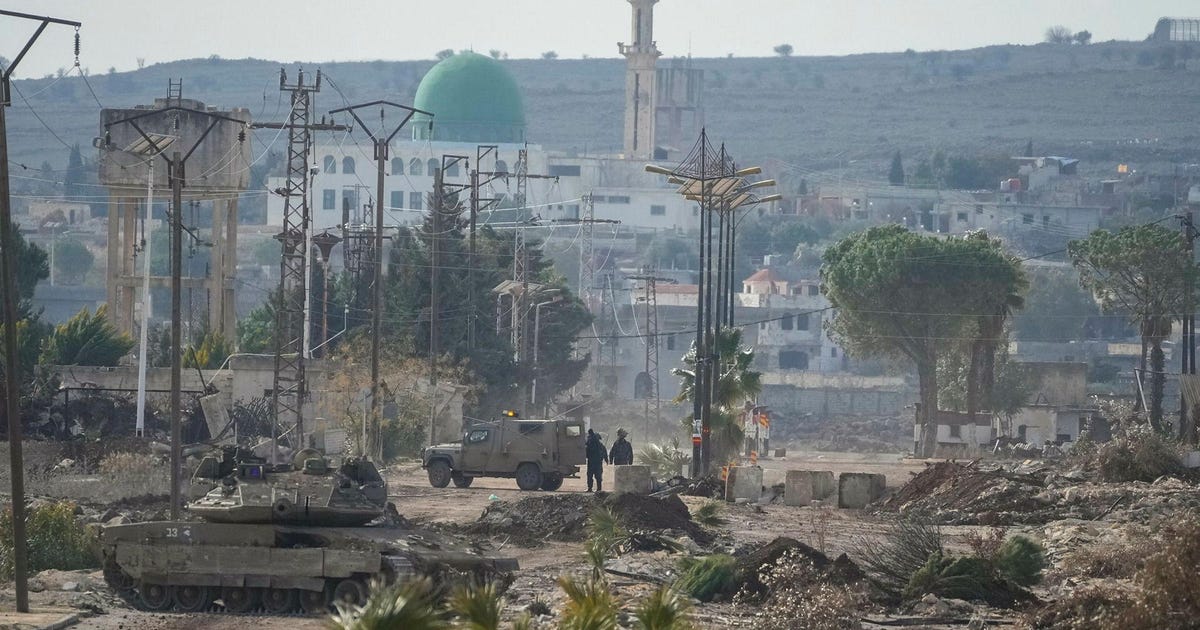
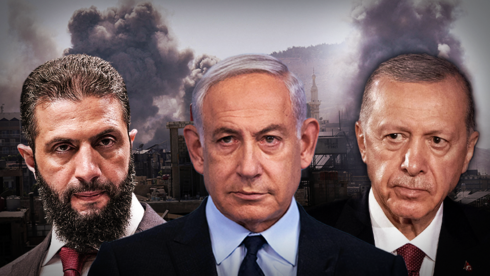
- Israel-Türkiye tensions over Abu al-Duhur airbase in northern Syria are likely to remain a secondary escalation risk over the next 0-14 days, but direct Israeli-Turkish military confrontation is unlikely. Israel says it struck the airbase to prevent the transfer of war materiel and the placement of Turkish military advisers, while Israeli officials cited preparations for Turkish radar, air defence systems and commando forces. Syria denied plans to permit Turkish forces to use the base, and Türkiye’s Defence Ministry said no Turkish military mission was present. The judgement rests on conflicting public accounts and does not establish Turkish deployment or an imminent direct confrontation, so confidence is low. (Confidence: low · ASSESSED)
- I&W: Confirm: Türkiye deploys radar, air defence systems or military personnel at Abu al-Duhur, or Israel reports a further strike involving Turkish personnel. (0-14 days)
- I&W: Break: Türkiye and Israel announce a security understanding for northern Syria and no further strike or deployment at Abu al-Duhur is reported. (0-14 days)
Outlook & scenarios
Contained coercion and selective maritime access (45%)
Washington announces additional sanctions while Iran maintains threats against regional economic interests and continues allowing selected Iraqi or Omani-routed traffic through Hormuz. US-Iran military pressure remains active, but no new strike produces a direct and sustained US-Iran exchange.
Maritime retaliation and wider economic targeting (25%)
Iran attacks a named tanker, oil company or alternative export route after a Gulf neighbour implements further US economic measures. Hormuz traffic falls below current reported levels, and the disruption spreads to routes intended to bypass the strait.
Negotiation pause without settlement (22%)
Egyptian and Omani mediation produces additional US-Iran contacts and a limited understanding on maritime access or military signalling. Sanctions remain in place, and the parties do not reach a comprehensive settlement during the next two weeks.
Wildcard: Israeli-Turkish confrontation in northern Syria (8%)
A further Israeli strike at Abu al-Duhur or a confirmed Turkish deployment triggers direct Israeli-Turkish military exchanges in Syria. The confrontation diverts US diplomatic attention and adds a second escalation front to the Iran crisis.
Recommendations
- Maintain separate operational and declaratory tracks for Hormuz. Reconcile JMIC, Kpler and ship-tracking data daily, recording exact crossing numbers, named vessels, Iranian authorisation, Omani routing and US facilitation. Do not assess the strait as fully closed without corroboration from independent traffic data.
- Prioritise collection through 29 August on the timing and scope of Scott Bessent’s sanctions announcement. Distinguish measures against Iranian oil, Iranian economic entities, China-linked trade and neighbouring states, then assess whether the United Arab Emirates maintains its suspension of trade and financial operations.
- Create a focused maritime warning file for Iranian retaliation. Track named tankers, oil companies and alternative export routes leaving the Persian Gulf, and seek confirmation from vessel owners and maritime authorities before attributing any new incident to Iran.
- Monitor the diplomatic channels involving Abbas Araghchi, Badr Abdelatty, Oman and Pakistan’s army chief Asim Munir. Verify whether planned visits or calls occur and record whether discussions produce terms on sanctions, nuclear activity or Hormuz access.
- Establish a separate watch for Abu al-Duhur airbase and northern Syria. Track Turkish radar, air defence or commando deployments, further Israeli strikes and official statements from Israel, Syria, Türkiye and the US envoy to Syria.
- Treat reports of strain aboard the USS Abraham Lincoln as an unconfirmed readiness indicator. Seek official confirmation of crew welfare, deployment duration and operational status before using reported mental-health incidents to assess US force resilience.
Confidence & uncertainty
Overall confidence is medium. Several major-media reports and official statements from the US, Iran, Egypt, Israel, Syria and Türkiye corroborate the main developments, while Kpler and JMIC reporting supports continued Hormuz disruption. Confidence is reduced by contradictory traffic figures, conflicting claims over whether Hormuz is fully closed, uncertain timing for new US sanctions and the absence of independent confirmation for some Iranian military claims and reported crew-welfare incidents.
Intelligence gaps
- [EEI 1.1 · PARTIAL] Confirmed strikes, attacks, interceptions, or casualties involving US or Iranian forces, including location, timing, and weapon systems used. Recommended collection: military reporting/open-source imagery
- [EEI 1.2 · UNCOVERED] Changes in US or Iranian force posture indicating preparation for further attacks, including aircraft dispersal, missile-unit movement, naval sortie activity, or air-defense activation. Recommended collection: satellite imagery/aviation and maritime tracking
- [EEI 1.4 · UNCOVERED] Evidence of mobilization or operational tasking by Iranian-aligned armed groups against US personnel, bases, or partners. Recommended collection: local reporting/social media/human intelligence
- [EEI 2.1 · UNCOVERED] Deployment or repositioning of Iranian ballistic missiles, cruise missiles, drones, fast-attack craft, or other strike assets within operational range of US or partner targets. Recommended collection: satellite imagery/signals intelligence
- [EEI 2.2 · UNCOVERED] Orders, threats, targeting claims, or attack preparations by Iranian proxy groups in Iraq, Syria, Lebanon, Yemen, or the Gulf. Recommended collection: group statements/local reporting
- [EEI 2.4 · UNCOVERED] Changes in Iranian military alert levels, command activity, weapons dispersal, or continuity-of-government measures. Recommended collection: signals intelligence/satellite imagery
- [EEI 3.1 · UNCOVERED] Arrival or departure of US carrier strike groups, bombers, air-defense units, special operations forces, or additional personnel in the region. Recommended collection: maritime and aviation tracking
- [EEI 3.2 · UNCOVERED] Changes to US force-protection conditions, base access, evacuation plans, embassy staffing, or noncombatant evacuation preparations. Recommended collection: official notices/diplomatic reporting
- [EEI 3.3 · UNCOVERED] Presidential, Pentagon, or theater-command statements describing authorized response options, expanded objectives, or revised rules of engagement. Recommended collection: official statements
- [EEI 3.4 · PARTIAL] US or coalition kinetic actions against Iranian territory, military infrastructure, or aligned groups following new exchanges. Recommended collection: military reporting/open-source imagery
- [EEI 4.3 · PARTIAL] Regional government decisions to close airspace or waterways, raise military readiness, expel personnel, or request additional US or allied forces. Recommended collection: official statements/aviation and maritime notices
- [EEI 4.4 · PARTIAL] Sustained movements in oil and gas prices, tanker freight rates, or reported disruptions to production and export facilities attributable to the military exchanges. Recommended collection: energy-market reporting
Cited sources
[1] jpost.com · Iran denounces new US sanctions as Washington targets Tehran’s oil trade with China (B) · sha256:33e70f8e48fb [2] jpost.com · Iran made billions of dollars, bypassed sanctions amid US blockade, top official Rezaee claims (B) · sha256:59d08fdfbfce [3] nypost.com · Traffic in Strait of Hormuz skyrockets nearly 400%, as analysts say Iran's grip on critical waterway weakens (B) · sha256:546cf3338ae7 [4] BBC · US military newspaper editor voices censorship fears after being fired (A) · sha256:f88296817040 [5] gcaptain.com · Trump Administration Claims Massive Oil Flows Through Hormuz But Industry Data Raises Questions (B) · sha256:8f4f24a9f59d [6] haaretz.com · U.S., Iran trade warnings ahead of new sanctions as Hormuz traffic remains stalled (B) · sha256:c2b5f35fad55 [7] The Guardian · Iran’s foreign minister calls threat of new US economic sanctions ‘desperate’ (A) · sha256:79f55402a254 [8] polites.news · Иран пригрозил соседям ударом за поддержку экономического давления США (B) · sha256:8b197156f74b [9] point.md · Иран пригрозил перекрыть весь экспорт нефти из Персидского залива (B) · sha256:e11596993ac3 [10] africa.businessinsider.com · Egypt and Iran discuss how to go about making peace with the world’s most powerful military, even as it attempts to shield itself (B) · sha256:a33c1bdd0cd2 [11] Los Angeles Times · Iran security chief threatens neighbors against joining U.S. economic efforts - Los Angeles Times (A) · sha256:22383a257b40 [12] Associated Press · Iran’s president says US memorandum is best path out of stalled war, and other Middle East news (A) · sha256:058a4ae114b7 [13] haaretz.com · Trump's envoy was right to condemn Netanyahu over Syria strike (B) · sha256:05a2d07a00b4 [14] haaretz.com · Netanyahu's need for constant security crises sparks rare clash with Washington (B) · sha256:83b05dc7a375 [15] ynetnews.com · From 'comprehensive peace' to 'provocation of war': Israel-Turkey tensions rise in Syria (B) · sha256:0027db00c5d9 [16] Haaretz · Haaretz slams Netanyahu Syria strikes, warns of Türkiye conflict (B) · sha256:6000d8cdae87
Source content hashes were computed at collection time; the cited text is preserved unmodified for the life of this product.
TLP:CLEAR