TLP:CLEAR · Disclosure is not limited.
Eurasia: US-Iran Pressure Tightens Around Hormuz
Time window: Last 1 day · Audience: General analyst · Type: Situation report · DTG: 2026-08-21 15:42Z · Overall confidence: MEDIUM
BLUF
US-Iran tensions are very likely to remain acute through the next 14 days. Strait of Hormuz traffic is very likely to stay constrained but not fully halted, while the UAE's reported indefinite embargo and competing signals from Washington and Tehran raise the risk of further regional pressure.
Executive summary
US financial pressure and Iranian threats continued on 20 and 21 August 2026. Donald Trump and Scott Bessent threatened severe economic measures, while Iranian officials vowed a devastating response and condemned US sanctions. Hormuz traffic estimates remain sharply divided, with Kpler assessing three to 12 daily crossings and US officials reporting 15 to 20 tankers per night in an American-defended lane. The UAE has reported an indefinite embargo against Iran, although Iran denies responsibility for the missile attack cited by Abu Dhabi. Houthi claims of operations against Najran and Iranian messaging about Saudi Arabia widen the immediate regional risk picture. Oil prices rose while US equities weakened.
Change from previous assessment
Since 20 August, the core assessment is unchanged: US-Iran tensions are very likely to remain acute and Hormuz traffic is very likely to remain constrained rather than halted. The assessment now incorporates Masoud Bezhakian's 21 August call to end the war and the reported Oman channel, which lowers confidence in the previous judgement that direct talks were very unlikely without any near-term diplomatic opening. The UAE judgement has been refined from a general suspension of economic dealings to a reported indefinite embargo dated 21 August, while its scope and the missile attribution remain contested. A new low-confidence judgement has been added on Houthi and Iranian pressure against Saudi Arabia and Gulf energy infrastructure. Market stress is also now treated as a separate near-term judgement.
Key judgments
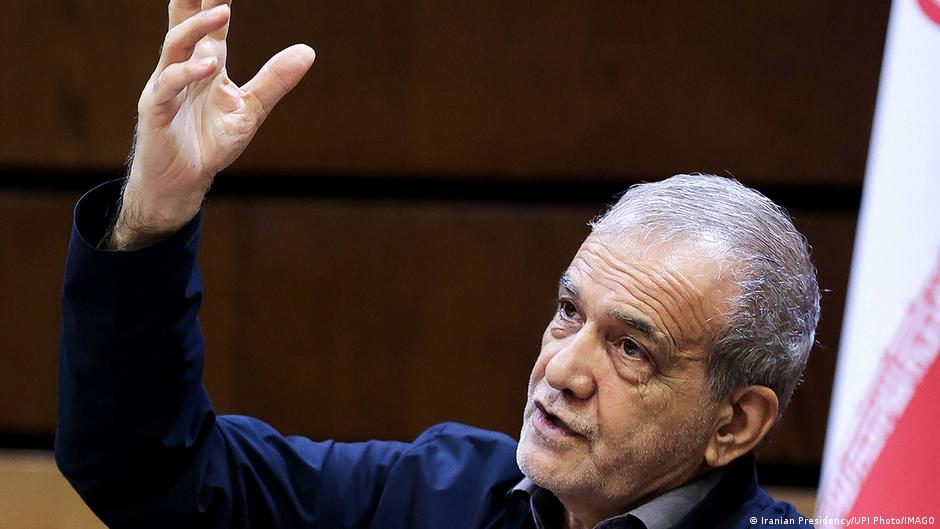
- US-Iran military and economic tensions are very likely to remain acute through the next 14 days, while direct US-Iran talks are unlikely. Donald Trump stated that the US is not negotiating with Iran, and Washington has threatened unprecedented financial pressure. Iranian officials have vowed a devastating response, while President Masoud Bezhakian called for an end to the war on 21 August and Iran has been negotiating with Oman over management of the Strait of Hormuz. These opposing signals leave an indirect deconfliction channel open, but do not establish direct negotiations. Confidence is medium because repeated major-media reporting supports the hostile positions, while the status of indirect contacts and the wider conflict timeline remain contested. (Confidence: medium · ASSESSED)
- I&W: US Treasury announces another Iran sanctions package, or Donald Trump expands the threat of penalties against Iran's trading partners. (0-14 days)
- I&W: The White House and Iran's Foreign Ministry jointly announce direct talks, a ceasefire, or a formal channel for military deconfliction. (0-14 days)
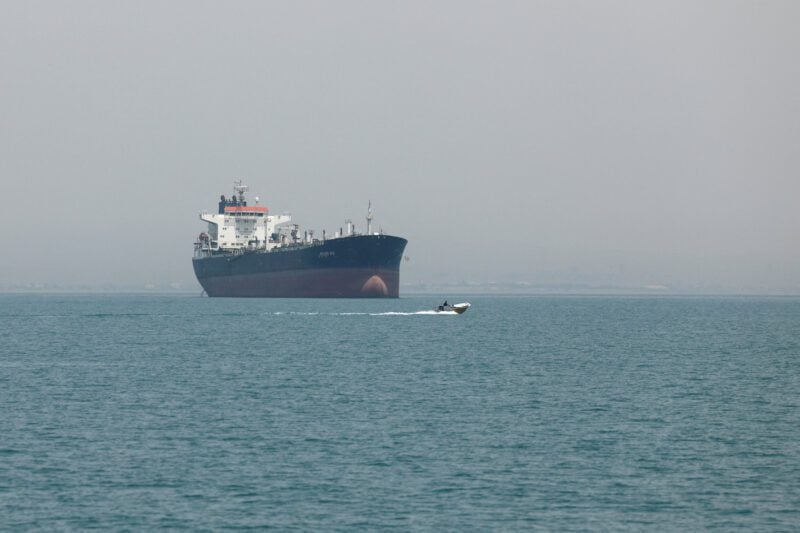
- Commercial shipping through the Strait of Hormuz is very likely to remain constrained but not halted during the next 14 days. Kpler assesses three to 12 crossings daily, Lloyd's List Intelligence tracked 39 tanker movements in its latest weekly count compared with 48 the previous week, and US officials report 15 to 20 tankers per night using an American-defended lane. Chinese lessors are reportedly more cautious about sending vessels into the Middle East, while China is reviewing its decision to stop sending tankers through the Strait. The conflicting counts prevent a precise estimate of total throughput. Confidence is medium because multiple shipping reports support disruption, but the traffic methodologies and official claims do not converge. (Confidence: medium · ASSESSED)
- I&W: Kpler records three or fewer Strait crossings per day for three consecutive days, or additional Chinese lessors suspend Hormuz voyages. (0-14 days)
- I&W: Kpler and US official counts converge above 15 tanker crossings per day for seven consecutive days, with no new vessel turnarounds reported. (0-14 days)
- The UAE is likely to sustain its reported suspension of business activity and financial transactions with Iran during the next 14 days, but the policy's operational scope and the missile attribution remain contested. UAE reporting describes an indefinite embargo announced on 21 August and a suspension of trade and financial transactions, while Iran denies responsibility for firing ballistic missiles at the UAE. Confidence is medium because several reports support a UAE policy action, but the reporting does not establish whether the measures cover every commercial sector or whether Iran was responsible for the missile launch. (Confidence: medium · ASSESSED)
- I&W: UAE authorities issue implementing orders, and UAE banks or commercial bodies report halted Iran-related transactions under the embargo. (0-14 days)
- I&W: The UAE formally rescinds the embargo or limits it to named sectors, ports, or financial instruments. (0-14 days)
- Iranian messaging and Houthi claimed operations are likely to keep Saudi Arabia and Gulf energy infrastructure in the immediate risk picture through the next 14 days. On 20 August, Houthi spokesman Yahya Saree claimed two drone operations against Najran airport and Aramco facilities in Najran, while the Iranian Revolutionary Guard stated that Saudi Arabia cannot contain the Houthis. A think-tank account also reports Iranian targeting of energy infrastructure in Saudi Arabia, Qatar, the UAE, Kuwait, and Oman. This low-confidence assessment rests on public statements and thin, partly uncorroborated reporting rather than confirmed operational evidence. (Confidence: low · ASSESSED)
- I&W: Yahya Saree, the Iranian Revolutionary Guard, or another named Iranian official announces a further operation against Saudi Arabia or Gulf energy infrastructure. (0-14 days)
- I&W: Saudi or Gulf authorities confirm that Najran airport, Aramco Najran, or another named energy facility sustained damage from a new attack. (0-14 days)
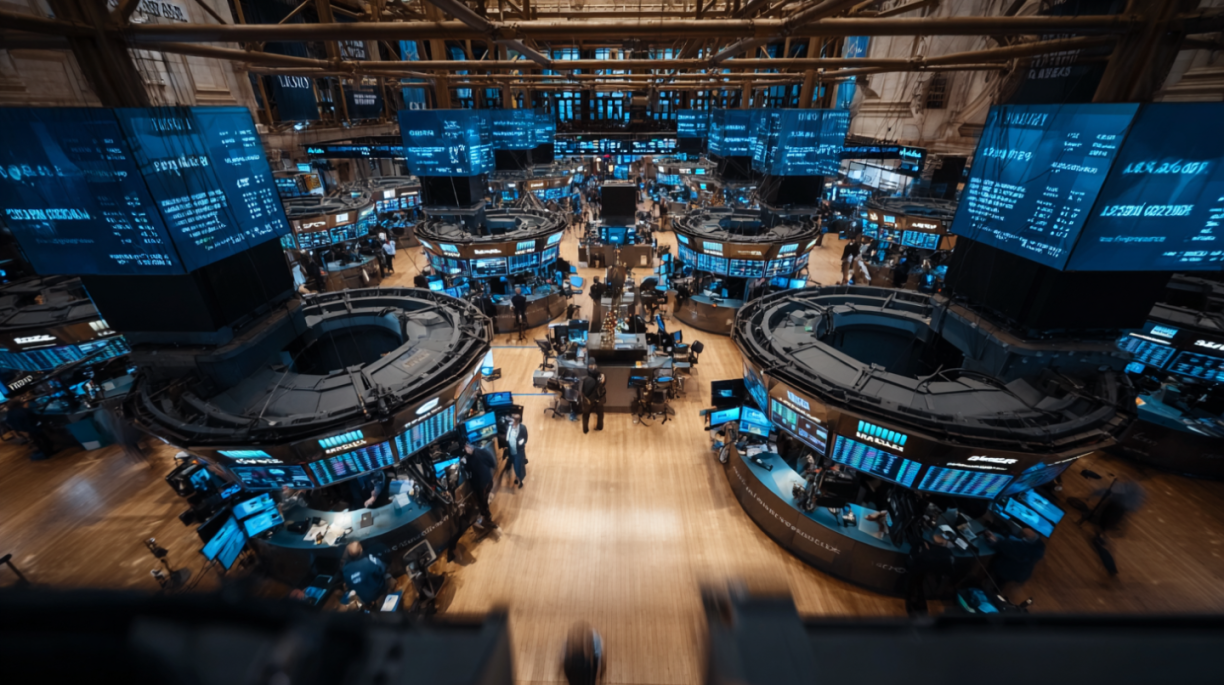
- Persian Gulf tension is likely to sustain near-term energy and financial market stress over the next 14 days, although the confrontation is not the only reported driver of market movements. Brent crude reached $93.78 per barrel on 20 August, US crude reached $86.70 on 21 August, the Dow Jones Industrial Average fell roughly 600 points on 20 August, and spot gold traded near $4,529.10 per ounce. Confidence is medium because several market indicators corroborate stress, but the reporting attributes some equity weakness to corporate earnings and broader investor sentiment as well as to US-Iran developments. (Confidence: medium · ASSESSED)
- I&W: Brent remains above $95 per barrel and US crude remains above $90 for three consecutive trading sessions. (0-14 days)
- I&W: Brent falls below $90, US crude falls below $85, and Strait traffic counts converge at higher levels for five trading days. (0-14 days)
Outlook & scenarios
Constrained maritime standoff (55%)
This is the most likely path. US sanctions threats and Iranian military warnings continue, while Hormuz traffic remains reduced but operational through a combination of commercial caution and limited defended passage. The UAE maintains its embargo, and oil prices remain sensitive to each new threat or reported incident.
Limited Hormuz deconfliction (25%)
Oman-related discussions and wider consultations produce a limited arrangement for ship passage without resolving the US-Iran confrontation. Direct negotiations remain unlikely, but selected tanker movements increase and the UAE's measures remain in place.
Regional pressure expands (15%)
Iranian warnings and Houthi operations against Saudi Arabia continue, with a further claimed or confirmed incident involving Najran, Aramco, or another Gulf energy facility. Chinese-linked shipping becomes more cautious, and Hormuz traffic falls below current contested estimates.
Hormuz closure shock (5%)
This is a low-probability, high-impact wildcard. Iran makes passage through the Strait dangerous enough to stop most commercial traffic, leaving Qatar without a practical comparable route for liquefied natural gas exports and causing a sharp rise in oil prices and shipping disruption.
Recommendations
- Maintain a daily Hormuz traffic dashboard that keeps separate Kpler's three to 12 daily crossings, Lloyd's List Intelligence's 39 weekly tanker movements, and the US officials' report of 15 to 20 tankers per night. Do not combine these figures until their methodologies are reconciled.
- Task collection to verify the current status of the US blockade on Iranian ports and distinguish a formal policy reimposition from operational interdiction. Report the dates, legal authorities, affected ports, and observed enforcement actions separately.
- Treat the UAE embargo as a reported policy action pending confirmation of its implementing instrument and scope. Track UAE banking, trade, and financial notices, then compare them with Iran's public response and any change in missile attribution.
- Maintain a named escalation watch for Yahya Saree, the Iranian Revolutionary Guard, Najran airport, Aramco Najran, and Gulf energy facilities. Separate claims of operations from confirmed impacts.
- Prepare a sanctions exposure note on China-linked Iranian oil trade and financial institutions. Track any US action against Chinese banks, importers, or refineries rather than treating discussion of secondary sanctions as an enacted measure.
- Monitor Brent, US crude, the Dow Jones Industrial Average, and spot gold alongside vessel movements. Attribute market changes separately to Gulf risk, corporate earnings, and wider investor sentiment.
Confidence & uncertainty
Overall confidence is medium. Official US and UAE statements, major-media reporting, Kpler and Lloyd's List Intelligence shipping data, and repeated Iranian public statements provide broad corroboration for continued pressure and maritime disruption. Confidence is reduced by conflicting Hormuz traffic counts, uncertainty over the status of the US blockade, contested Iranian responsibility for the UAE missile attack, and thin think-tank reporting on attacks against Gulf energy infrastructure.
Intelligence gaps
- [EEI 1.1 · UNCOVERED] Concentrations or unusual movements of IRGC-Navy fast attack craft, small boat swarms, or escort vessels within 200 km of US/allied ships, including approach distances and formation changes. Recommended collection: maritime/AIS
- [EEI 1.2 · UNCOVERED] Detected pre-launch activity at coastal missile or rocket batteries (vehicle dispersal, fuel/warhead handling, radars powering up, transport erector launchers moving to firing positions). Recommended collection: imagery/signals
- [EEI 1.3 · UNCOVERED] Increased launch/arming/positioning of armed UAVs (MALE/loitering munitions) or tactical aircraft at Iranian coastal bases with sortie generation rates and munitions loadouts. Recommended collection: air/ADS-B/imagery
- [EEI 1.4 · UNCOVERED] Command-and-control indications of attack orders or elevated rules-of-engagement from IRGC/General Staff (intercepted communications, internal order messages, force-wide alert messages). Recommended collection: signals/human
- [EEI 2.2 · UNCOVERED] Issuance of formal orders, mobilization directives, travel restrictions, or official internal communications within IRGC/Armed Forces indicating escalation posture or stand-down. Recommended collection: human/diplomatic
- [EEI 2.3 · UNCOVERED] Directives, logistics movements, or communications from Iranian commanders to regional proxy militias (Houthis, Iraqi Shia militias, Lebanese groups) that change their threat posture or task them with specific operations. Recommended collection: signals/human
- [EEI 3.1 · UNCOVERED] Incidents involving commercial vessels within the Strait of Hormuz or Persian Gulf: attacks, boarding attempts, near-misses, AIS spoofing or deliberate AIS outages, including vessel IDs and locations. Recommended collection: maritime/AIS
- [EEI 3.2 · UNCOVERED] Discovery or reporting of naval mines, unexploded ordnance, or damage to fixed maritime infrastructure (oil platforms, terminals, pipelines) with geolocated imagery or on-scene assessments. Recommended collection: imagery/open-source
- [EEI 3.3 · UNCOVERED] Commercial indicators of disruption: sudden increases in war-risk insurance premiums for Gulf transits, vessel re-routing decisions, port throughput reductions, or charter cancellations for Gulf shipments. Recommended collection: financial/commercial
- [EEI 3.4 · UNCOVERED] Movements or posture changes of regional state navies/air forces (Saudi, UAE, Kuwait, Bahrain, UK) such as task group departures, airbase dispersals, or announced maritime patrols near choke points. Recommended collection: open-source/imagery
Cited sources
[1] uae71.com · ترامب يهدد بحرب اقتصادية على أي دولة قد تدعم إيران (B) · sha256:6221b13dbac4 [2] NBC News · Iran vows ‘devastating’ response as U.S. threatens toughest ever economic hit (A) · sha256:2b9abf25b915 [3] Deutsche Welle · Востоковед: У Ирана все еще есть рычаги в борьбе с США (B) · sha256:a4fdfdba1a25 [4] dw.com · بزشكيان: نريد إنهاء الحرب مع واشنطن من موقع قوة (B) · sha256:7b9b3c6f644a [5] gcaptain.com · US Will Impose 'Toughest Sanctions in History' on Iran, Bessent Says (A) · sha256:f0cfb2f74f65 [6] مركز الدراسات الاستراتيجية والدولية (CSIS) · ترجمات.معركة هرمز ستعيد تشكيل سوق الغاز الطبيعي المسال العالمي (C) · sha256:bb3c12047ec5 [7] maritime-executive.com · White House's Hormuz Traffic Claims Diverge From Independent Counts (B) · sha256:da078caee6bd [8] gcaptain.com · Maritime Markets Bracing for Long-term Disruption in the Middle East (B) · sha256:d28763ac913c [9] Al Jazeera · Trump’s ‘economic D-Day’ claims first victim: Not Iran, but US markets (A) · sha256:239480b97eee [10] Bloomberg · Trump Threatens Economic Isolation for Iran and Its Trading Partners (A) · sha256:5810312d93a6 [11] Eurasia Business News · Stock Market Today: Dow, Nasdaq, SP&500 Slide Sharply, Oil price above $93, Gold price at $4,527 (B) · sha256:eee10e47289f
Source content hashes were computed at collection time; the cited text is preserved unmodified for the life of this product.
TLP:CLEAR