TLP:CLEAR · Disclosure is not limited.
Eurasia: US-Iran Tensions and Hormuz Risk
Time window: Last 1 day · Audience: General analyst · Type: Situation report · DTG: 2026-08-26 15:38Z · Overall confidence: MEDIUM
BLUF
The US-Iran confrontation is likely to remain in a coercive standoff over the next 0-14 days, with Washington intensifying economic pressure and Iran maintaining selective control over shipping through the Strait of Hormuz. Iran-Oman talks offer a narrow route to temporary maritime deconfliction, but a durable US-Iran ceasefire is unlikely without a confirmed operational corridor and sustained compliance.
Executive summary
Washington is widening sanctions against Iran and threatening economic punishment for companies and countries that continue to support Tehran. Iran is asserting authority over vessel movements, blacklisting tankers and warning ships involved in cargo transfers, while commercial and energy traffic through the Strait of Hormuz remains disrupted. Iran and Oman have announced a framework for a temporary navigation corridor and joint mine-clearing work, but reporting conflicts over whether a US-Iran ceasefire has already been agreed, remains under negotiation, or has failed. Japan and Turkey are adjusting to energy-supply exposure, increasing the risk that the confrontation will continue to affect wider Eurasian trade and energy flows.
Change from previous assessment
Since the 25 August 2026 brief, the assessment now incorporates an Iran-Oman framework for a temporary navigation corridor and joint mine-clearing work, alongside JMIC reporting that mine danger areas remain active despite President Trump's clearance claim. The brief adds a judgement on Japan's planned pipeline and insurance response and lowers confidence in the diplomatic outlook because the ceasefire and corridor reporting remains internally inconsistent. The previous judgements on sanctions pressure, maritime disruption, indirect diplomacy and energy exposure remain in place. No prior judgement is retired.
Key judgments
- US economic pressure on Iran is very likely to intensify over the next 0-14 days. Washington has expanded secondary sanctions across Iran's financial, technological, aviation and energy sectors, added 48 legal entities, 24 individuals and six oil tankers to its sanctions list, and threatened to exclude companies and countries assisting Tehran from the dollar system. Scott Bessent has framed Economic Outcast as an effort to isolate the Iranian economy. This is an assessed judgement based on several major-media reports and a think-tank assessment. Confidence is medium because reporting differs on the timing, scope and totals of the measures. (Confidence: medium · ASSESSED)
- I&W: Confirm: The US Treasury announces additional designations, secondary sanctions or dollar-access restrictions against Iranian entities or foreign intermediaries before 9 September. (0-14 days)
- I&W: Break: Washington grants broad waivers to major Iranian trading partners and does not issue further measures during the next two weeks. (0-14 days)
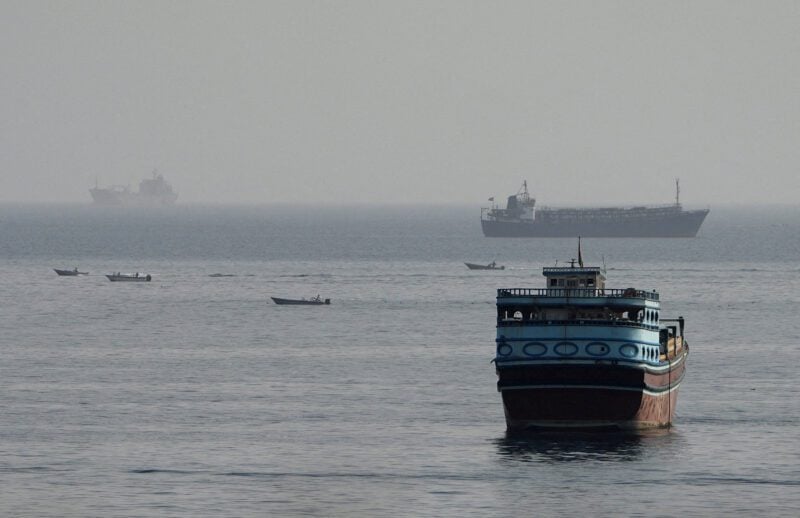
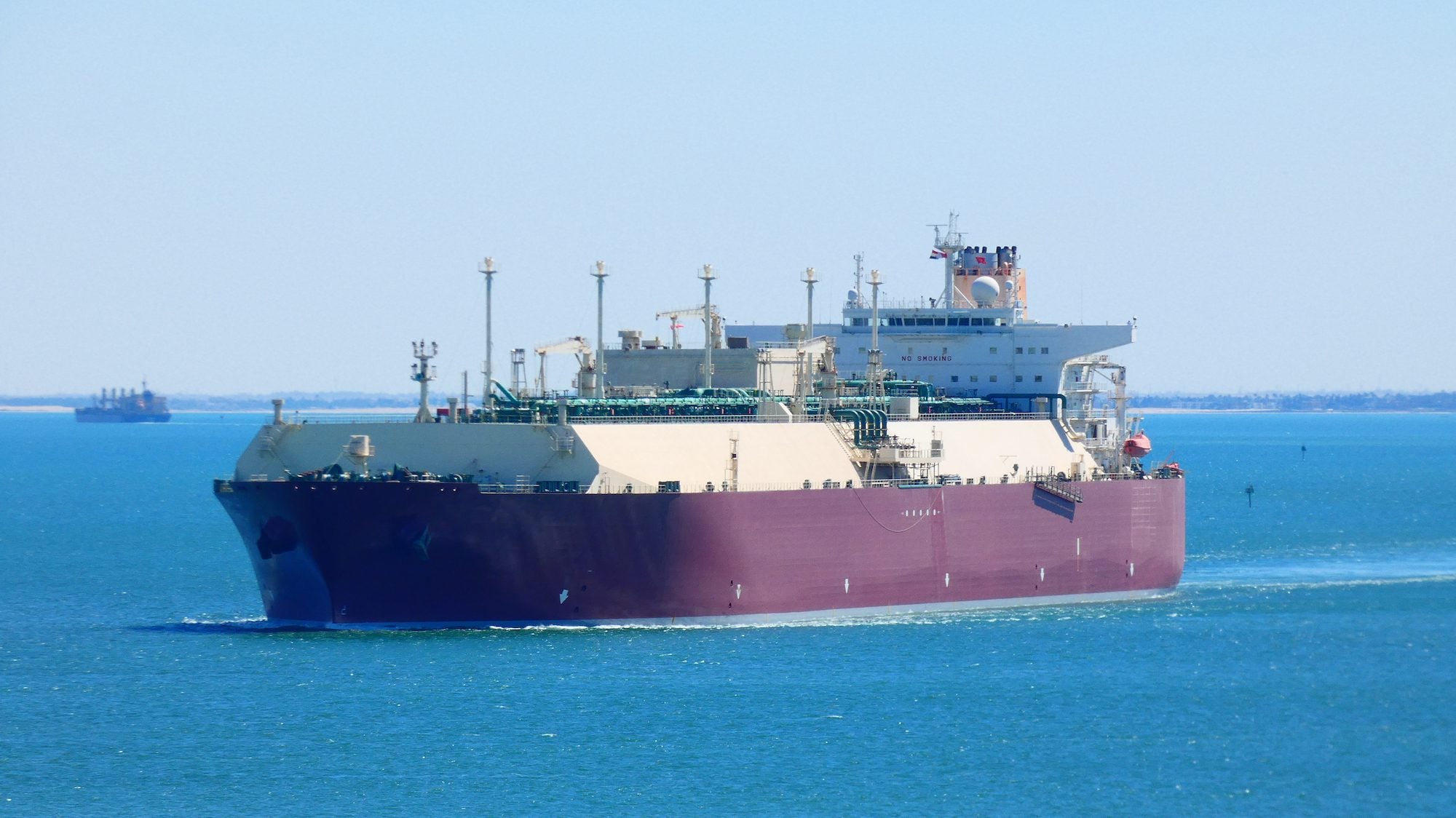
- Iran is likely to maintain selective control over vessel movements in the Strait of Hormuz and sustain shipping disruption over the next 0-14 days. Iran continues a partial blockade, asserts authority over vessel movements despite US declarations that the waterway is open, has blacklisted 45 tankers and has warned ships involved in transloading cargo from sanctioned tankers. Commercial traffic and energy shipments to Asia remain heavily disrupted. This is an assessed judgement based on multiple major-media reports, a think-tank report and maritime risk reporting. Confidence is medium because the reported blacklist has not been linked to a confirmed detention or seizure, and President Trump's claim that the US Navy cleared all mines conflicts with JMIC reporting that mine danger areas remain active. (Confidence: medium · ASSESSED)
- I&W: Confirm: Iranian authorities impose a fine, detention, seizure or confiscation on a vessel named in the blacklist, or publicly enforce the warning against a ship-to-ship transfer. (0-14 days)
- I&W: Break: JMIC deactivates mine danger areas, confirms the Strait is navigationally clear and reports a sustained increase in commercial transits. (0-14 days)
- An Iran-Oman temporary navigation arrangement is likely to advance, but a durable US-Iran ceasefire is unlikely over the next 0-14 days. Iran and Oman have unveiled a framework covering a temporary shipping corridor, joint mine-clearing work and further talks on management of the Strait of Hormuz. The foreign ministers have also agreed to pursue a permanent corridor and continue technical negotiations. Reporting nevertheless conflicts over whether a temporary ceasefire has already been agreed, whether a formal announcement remains pending, or whether an earlier agreement to end the war failed. This is an assessed judgement resting on internally conflicting, partly single-source major-media reporting. Confidence is low. (Confidence: low · ASSESSED)
- I&W: Confirm: Iran and Oman publish corridor coordinates, transit rules and a timetable for joint mine-clearing operations, followed by verified vessel movements through the corridor. (0-14 days)
- I&W: Break: Iran and Oman suspend technical talks, or a new US-Iran strike occurs before the corridor becomes operational. (0-14 days)
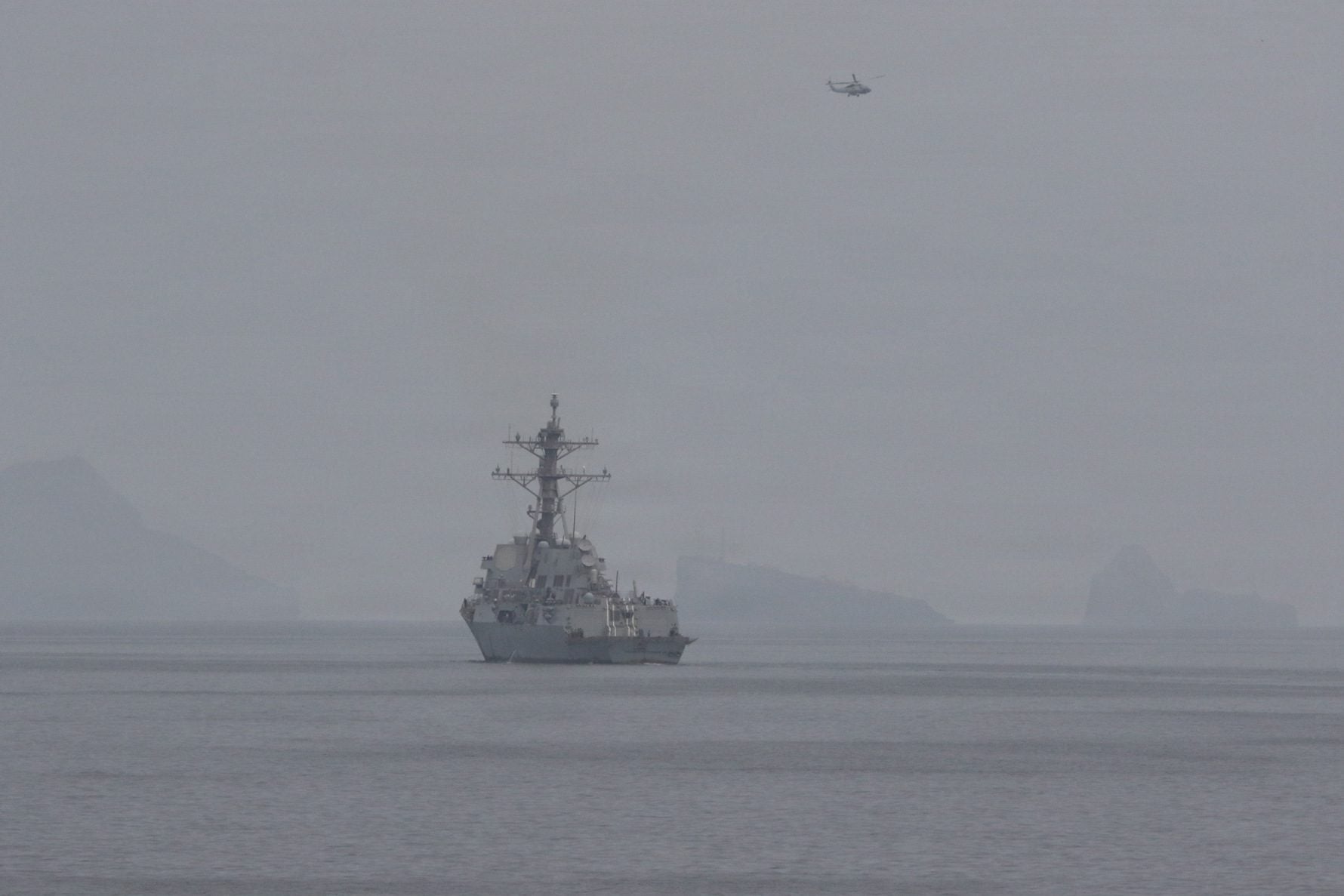
- A renewed direct US-Iran military exchange is roughly even chance over the next 0-14 days. Iran states that it is prepared for war or peace, has threatened an offensive strategy if hostilities resume and has vowed heavy blows to US interests and energy chokepoints if its infrastructure is threatened. President Trump has warned that any Iranian vessel laying new mines will be destroyed. These threats are offset by conflicting reports of ceasefire arrangements and a reported suspended state between peace and war. This is an assessed judgement based largely on single-source or low-confidence major-media reporting, with significant contradictions over the status of hostilities. Confidence is low. (Confidence: low · ASSESSED)
- I&W: Confirm: The US announces the destruction of an Iranian mine-laying vessel, or Iran's Revolutionary Guards announce attacks on US interests or energy chokepoints. (0-14 days)
- I&W: Break: Washington and Tehran issue a formal ceasefire statement and JMIC reports 14 consecutive days of corridor operation without a new military incident. (0-14 days)
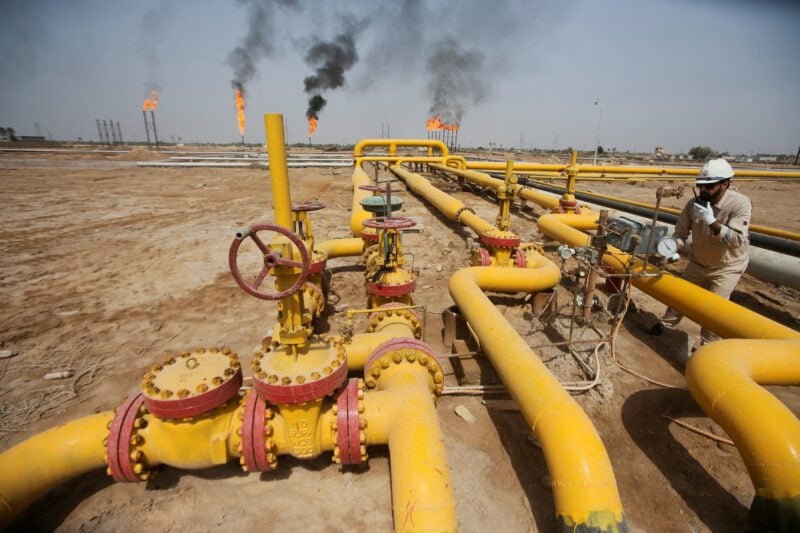
- Japan and Turkey are likely to deepen energy-supply adjustments as the Strait of Hormuz disruption persists over the next 1-3 months. Japan, which relied on the Middle East for more than 90 per cent of its crude before the war, is planning support for pipelines bypassing Hormuz, seeking insurance for vessels and obtaining alternative supplies. Turkey sourced about 13 per cent of its natural gas imports from Iran last year, continued importing Iranian gas after a long-term contract expired and is at risk of losing a key supplier if Washington widens economic isolation. This is an assessed judgement based on several major-media reports, with medium confidence because the pipeline and energy-strategy measures are prospective and the continuity of Turkish-Iranian gas flows is not fully established. (Confidence: medium · ASSESSED)
- I&W: Confirm: Japan announces funding or implementation steps for Hormuz-bypassing pipelines, vessel insurance or its new energy strategy. (1-3 months)
- I&W: Break: Japan takes no further supply-security measures and Turkey reports uninterrupted Iranian gas flows without a new alternative-supply or contract arrangement. (1-3 months)
Outlook & scenarios
Temporary maritime deconfliction without political settlement (45%)
Iran and Oman operationalise a temporary navigation corridor and begin limited mine-clearing work. The arrangement reduces immediate risks to selected shipping but does not end US sanctions or resolve the wider US-Iran dispute. Iran retains leverage over vessel movements while Washington continues economic pressure.
Prolonged coercive standoff (40%)
The Iran-Oman framework remains under negotiation, Iranian maritime restrictions continue and the US expands secondary sanctions. Shipping through Hormuz stays depressed, while Japan seeks alternative oil routes and Turkey faces continuing uncertainty over Iranian gas supplies.
Renewed direct military exchanges (25%)
A new Iranian action involving mines, a blacklisted tanker or an energy chokepoint prompts a US military response. Iran answers with attacks on US interests or regional infrastructure. Commercial traffic and energy shipments to Asia fall further, increasing pressure on Japan, Turkey and other import-dependent economies.
Major maritime incident triggers wider regional escalation (10%)
An unidentified projectile strike, mine incident or seizure causes casualties or major damage to a commercial vessel. The United States, Iran and regional actors expand military activity beyond existing maritime enforcement, while the temporary corridor collapses. This is an unlikely but high-impact wildcard.
Recommendations
- Maintain a 0-14-day watchlist for Iranian fines, detentions, seizures or confiscations involving the 45 blacklisted tankers and vessels linked to sanctioned cargo transfers.
- Reconcile each new JMIC advisory with President Trump's claim that US naval forces cleared all mines before assessing the Strait of Hormuz as open to normal commercial traffic.
- Track US Treasury announcements for new designations, secondary sanctions, dollar-access restrictions and any waivers granted to Iran's trading partners.
- Monitor Iran-Oman technical talks for published corridor coordinates, transit rules, mine-clearing responsibilities and verified vessel movements. Treat unconfirmed ceasefire reporting as unresolved until both Washington and Tehran issue matching statements.
- Track Japanese decisions on bypass pipelines, vessel insurance and the year-end energy strategy, alongside Turkish reporting on Iranian gas flows, alternative supplies and any new bilateral gas arrangement.
- Separate direct reporting from political messaging in future updates, especially claims about Iran's economic condition, US mine clearance and the status of a ceasefire.
Confidence & uncertainty
Overall confidence is medium. Multiple major-media, multilateral and trade sources corroborate the expansion of US sanctions, disruption to commercial traffic through the Strait of Hormuz, Iranian maritime warnings and Iran-Oman diplomatic activity. Confidence is reduced by conflicting accounts of mine clearance and ceasefire status, prospective rather than completed energy-diversification measures, and several judgements that rely on single-source or lower-reliability reporting.
Intelligence gaps
- [EEI 1.2 · PARTIAL] Changes in US or Iranian force posture indicating preparation for further attacks, including aircraft dispersal, missile-unit movement, naval sortie activity, or air-defense activation. Recommended collection: satellite imagery/aviation and maritime tracking
- [EEI 1.4 · UNCOVERED] Evidence of mobilization or operational tasking by Iranian-aligned armed groups against US personnel, bases, or partners. Recommended collection: local reporting/social media/human intelligence
- [EEI 2.1 · PARTIAL] Deployment or repositioning of Iranian ballistic missiles, cruise missiles, drones, fast-attack craft, or other strike assets within operational range of US or partner targets. Recommended collection: satellite imagery/signals intelligence
- [EEI 2.2 · UNCOVERED] Orders, threats, targeting claims, or attack preparations by Iranian proxy groups in Iraq, Syria, Lebanon, Yemen, or the Gulf. Recommended collection: group statements/local reporting
- [EEI 2.4 · PARTIAL] Changes in Iranian military alert levels, command activity, weapons dispersal, or continuity-of-government measures. Recommended collection: signals intelligence/satellite imagery
- [EEI 3.1 · UNCOVERED] Arrival or departure of US carrier strike groups, bombers, air-defense units, special operations forces, or additional personnel in the region. Recommended collection: maritime and aviation tracking
- [EEI 3.2 · PARTIAL] Changes to US force-protection conditions, base access, evacuation plans, embassy staffing, or noncombatant evacuation preparations. Recommended collection: official notices/diplomatic reporting
- [EEI 3.3 · PARTIAL] Presidential, Pentagon, or theater-command statements describing authorized response options, expanded objectives, or revised rules of engagement. Recommended collection: official statements
- [EEI 4.1 · PARTIAL] Attacks, attempted attacks, or sabotage against regional bases, diplomatic facilities, energy infrastructure, ports, or commercial shipping. Recommended collection: local reporting/maritime security reporting
- [EEI 4.3 · PARTIAL] Regional government decisions to close airspace or waterways, raise military readiness, expel personnel, or request additional US or allied forces. Recommended collection: official statements/aviation and maritime notices
- [EEI 4.4 · PARTIAL] Sustained movements in oil and gas prices, tanker freight rates, or reported disruptions to production and export facilities attributable to the military exchanges. Recommended collection: energy-market reporting
Cited sources
[1] trtrussian.com · Иран назвал нереалистичными угрозы США о новых экономических санкциях (B) · sha256:36f2c81c065c [2] РИА Новости · РИА Новости: США и Иран в ближайшие дни официально объявят о прекращении огня (B) · sha256:94d10cad0e1e [3] inforos.com · Экономическая война США: пишем - Иран, Китай в - уме (C) · sha256:d3ba8de76948 [4] Deutsche Welle · Парализуют ли новые санкции США экономику Ирана? (A) · sha256:b1c7f10ce04e [5] meduza.io · США и Иран договорились прекратить войну еще два месяца назад — но так и не прекратили. Что помешало миру? И возможен ли он вообще? (B) · sha256:8a2ff81036cf [6] gcaptain.com · Trump Says U.S. Navy Has Cleared All Mines From Strait of Hormuz (B) · sha256:345c6b4c0f71 [7] maritime-executive.com · Korean LPG Carrier Sets Record With $5.3M Panama Canal Slot Auction (C) · sha256:c7ef37336fe8 [8] gcaptain.com · Iran and Oman Unveil Framework for Future Management of Strait of Hormuz (B) · sha256:f55b650298c7 [9] stratnewsglobal.com · Exclusive! Iran Envoy: 'We Expect BRICS To Condemn US Attack' (B) · sha256:631dc0775003 [10] interfax.ru · В Иране сообщили о восстановлении возможностей армии после ударов США (B) · sha256:d9cd695aff7e [11] gcaptain.com · Iran Vows to Resist Widened U.S. Sanctions, Says Washington Seeks Talks (B) · sha256:3c4aeb5af642 [12] business-gazeta.ru · Ядерный удар: последний аргумент США против Ирана (B) · sha256:70bc86ccc098 [13] gcaptain.com · Japan Energy Plan Seeks to Back Pipelines Bypassing Hormuz (A) · sha256:03b01fa169e1 [14] gcaptain.com · Turkey Braces For Potential Gas Squeeze as U.S. Targets Iran Trade (B) · sha256:07f582c6de8d
Source content hashes were computed at collection time; the cited text is preserved unmodified for the life of this product.
Red cell review: CONCUR WITH COMMENT
TLP:CLEAR