TLP:CLEAR · Disclosure is not limited.
Europe hybrid-risk update: Polish border alert and supermarket cyber incident
Time window: Last 1 day · Audience: General analyst · Type: Situation report · DTG: 2026-11-03 15:42Z · Overall confidence: HIGH
BLUF
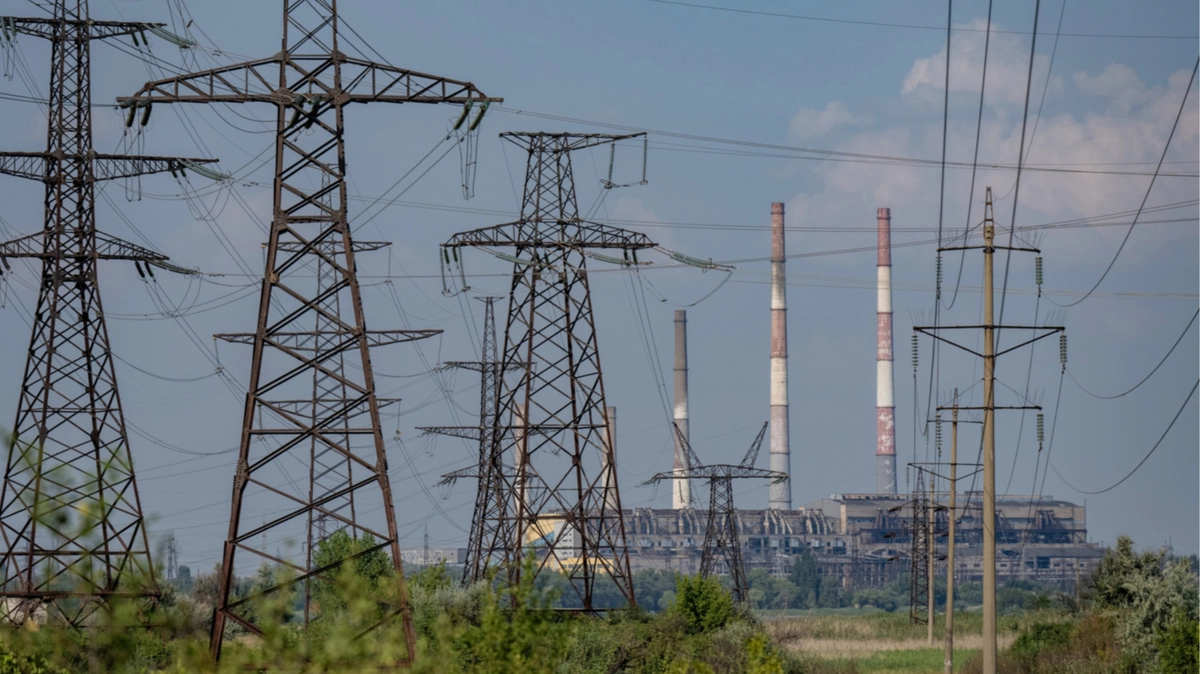
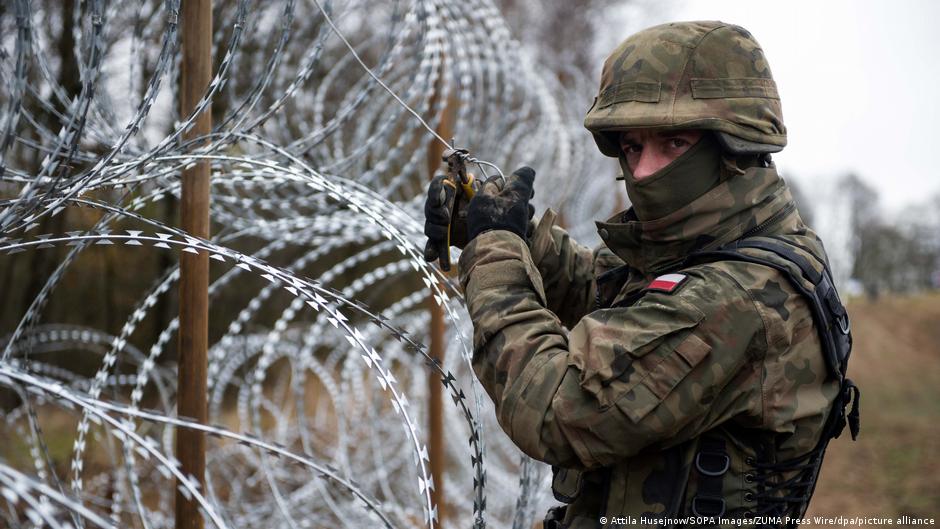
Poland has reinforced its north-eastern border after intelligence warnings and reported activity near Kaliningrad, while a 2 November cyber incident disrupted supermarket refrigeration across Europe. The incidents remain unattributed, and current reporting does not establish a common Russian-directed campaign. Separately, Russia’s 2-3 November strikes on Ukraine’s energy infrastructure left more than 180,000 people without power in Zhytomyr.
Executive summary
Reports describe refrigeration disruptions at more than 100 shops across several European countries on 2 November; one account puts the reach at 10 countries, but published country lists differ. Retailers identified affected stores, while no actor has claimed responsibility. In Poland, authorities deployed police, counterterrorism units and GROM to Warmian-Masurian and Podlaskie after intelligence warnings and reports of people with flashlights near the Kaliningrad border; no armed crossing or sabotage was confirmed in the available reporting. False alerts were also reported through warning apps in Ukraine and Russia. Volodymyr Zelensky blamed Russia for the Ukrainian app incident and said Ukraine responded with a cyber operation, but the reporting does not independently resolve responsibility. Russia’s strikes on Ukrainian energy facilities caused emergency outages, with Ukrainian officials differing on whether nine or 10 oblasts were affected.
Change from previous assessment
Since the 2 November brief, reporting has added the scale and retailer detail of the 2 November supermarket refrigeration incident, including a report of more than 100 affected shops and a 10-country reach; country lists remain inconsistent and attribution remains unknown. New developments include Poland’s operation in Warmian-Masurian and Podlaskie after warnings and reported activity near Kaliningrad, including GROM deployment, and Russia’s 2-3 November strikes on Ukrainian energy infrastructure, with more than 180,000 people reported without power in Zhytomyr. The warning-app picture now includes Zelensky’s acknowledgement of a Ukrainian cyber operation against Russia, but responsibility for the app compromises remains unresolved. The prior assessment that the available reporting does not establish a common Russian operator remains unchanged.
Key judgments
- Polish authorities have raised security posture in Warmian-Masurian and Podlaskie voivodeships after intelligence warnings and reports of people with flashlights near the Kaliningrad border; current reporting establishes neither an armed crossing nor sabotage. The reported activity is a security concern, not confirmation of an incursion. (Confidence: medium · ASSESSED)
- I&W: Polish Police or Border Guard disclose an arrest, recovered equipment or a verified unauthorised crossing in Warmian-Masurian or Podlaskie, confirming an operational incursion. (0-14 days)
- I&W: Polish authorities confirm the operation ends without arrests, a border crossing or recovered equipment, strengthening the assessment that the reported activity remained precautionary. (0-14 days)
- The 2 November supermarket refrigeration intrusion was reported at more than 100 shops across Europe. One report places the reach at 10 countries, although country lists differ; retailer accounts identify affected Carrefour, Coop and SuperValu stores, as well as a supermarket in Estonia. The reporting supports a cyber incident but does not identify a common operator. (Confidence: high · REPORTED)
- I&W: Affected retailers or national cyber authorities document unauthorised remote-control events in at least two countries, corroborating a cross-border cyber intrusion. (0-14 days)
- I&W: Forensic reports from affected chains identify unrelated hardware or maintenance faults rather than unauthorised access, challenging the reported cyber-incident account. (0-30 days)
- It is unlikely that current public reporting establishes Russian state direction of either the supermarket intrusion or the reported activity near Poland’s Kaliningrad border. The Polish warnings concern a possible threat and do not identify a responsible state; the view that a state-supported group was behind the supermarket attack is a single expert opinion, while no actor has claimed responsibility. (Confidence: low · ASSESSED)
- I&W: Belgian prosecutors or a national cyber authority publish technical evidence linking the supermarket intrusion to a Russian state service, overturning the current assessment. (0-3 months)
- I&W: Polish Police identify those involved in the reported border activity and state that there was no Russian state or service connection, strengthening the assessment that attribution is unsupported. (0-14 days)
- Russia struck Ukrainian energy infrastructure overnight on 2-3 November, causing outages that included more than 180,000 people without power in Zhytomyr. Ukrainian officials reported impacts in nine or 10 oblasts, so the exact geographic scope remains disputed. (Confidence: high · REPORTED)
- I&W: Ukrenergo or Zhytomyr authorities confirm the reported outage affecting more than 180,000 people and provide a restoration update. (0-14 days)
- I&W: Ukrainian energy authorities revise the affected footprint to fewer than nine oblasts or attribute the Zhytomyr outages to causes unrelated to the strikes, changing the reported scope. (0-14 days)
- The 1-2 November false alerts in Ukrainian and Russian warning apps remain unattributed in the available reporting. Zelensky blamed Russia for the Ukrainian app incident and acknowledged a Ukrainian cyber operation against Russia; a separate Hitcore responsibility claim was reported through a Russian Telegram channel and could not be verified. This attribution judgement rests on limited reporting and competing, unverified accounts. (Confidence: low · ASSESSED)
- I&W: Independent forensic reporting identifies the operator behind either the Ukrainian or Russian warning-app compromise, resolving the current attribution uncertainty. (0-30 days)
- I&W: Ukraine’s Ministry of Digital Transformation publishes logs confirming unauthorised access to its warning app but does not identify an operator, supporting the incident assessment while leaving attribution unresolved. (0-14 days)
Outlook & scenarios
Separate incidents, attribution unresolved (55%)
Likely over the next 1-3 months: investigations continue to treat the supermarket intrusion, Poland’s border alert and the warning-app incidents as separate cases. Poland’s operation remains precautionary unless authorities disclose evidence of an incursion; the supermarket attacker remains unidentified. Russia’s strikes on Ukraine’s energy infrastructure remain a distinct military track.
Investigations establish a state link (20%)
Unlikely over the next 1-3 months: forensic or law-enforcement findings link at least one supermarket or border incident to a state service. Such a finding would change the attribution assessment for that incident, but would not by itself establish a common operator across the separate cases.
Incidents subside without attribution (20%)
Unlikely over the next 1-3 months: affected retailers restore refrigeration, Poland winds down its heightened border operation, and no further verified warning-app compromise is reported. The present evidence remains insufficient to connect these incidents to Russian state direction.
Black Sea attack prompts a sharper NATO response (5%)
Very unlikely, but high impact: another attack on commercial shipping near Bulgaria or Romania causes casualties or sustained disruption. NATO’s reported plan to use maritime patrol aircraft, radars and drones would then face pressure for a more visible response.
Recommendations
- Keep the supermarket intrusion, Polish border operation, warning-app compromises and Black Sea shipping incidents on separate attribution tracks. Do not infer a shared Russian operator from timing or geography alone.
- Request technical findings from affected retailers and national cyber authorities, including which refrigeration control systems were accessed, the timing of access, whether accounts or remote-management services were compromised, and whether the incidents share technical indicators.
- Track Polish Police and Border Guard updates on the operation in Warmian-Masurian and Podlaskie. Record any confirmed crossing, arrest, recovered equipment or closure of the operation separately from intelligence warnings and reports of suspicious activity.
- Reconcile Ukrainian energy outage figures against updates from Ukrenergo and regional authorities, preserving the reported nine-versus-10-oblast discrepancy and the Zhytomyr outage figure until updated.
- Assess the false-alert cases separately from the cyber response claimed by Zelensky. Seek independent technical reporting on the Ukrainian and Russian apps before treating any attribution or retaliatory link as established.
- Monitor NATO announcements on maritime patrol aircraft, radars and drones near Romania and Bulgaria, and distinguish confirmed vessel attacks from disputed incident counts and attribution claims.
Confidence & uncertainty
Overall confidence is high for the occurrence of the principal reported incidents. Major-media coverage includes retailer statements and named Polish and Ukrainian officials, while separate reports describe the supermarket disruptions, Poland’s border operation and outages in Ukraine. Confidence is lower on attribution and disputed scale details: the supermarket country lists differ, Ukrainian reports give nine or 10 affected oblasts, and the warning-app accounts include an unverified responsibility claim. The reporting does not establish a single Russian-directed campaign.
Intelligence gaps
- [EEI 1.1 · UNCOVERED] Reports, operator notifications, CCTV or satellite imagery showing unexplained physical damage or operational outages at critical infrastructure sites (power substations, gas pipelines/compressor stations, water treatment plants, railway signaling centers, major telecom exchanges). Recommended collection: satellite/imagery
- [EEI 1.2 · PARTIAL] Observed reconnaissance activity around critical sites indicative of attack planning (unauthorised drone flights, repeated surveillance visits, loitering vehicles, mapping/photography of assets). Recommended collection: open-source/media
- [EEI 1.3 · UNCOVERED] Law-enforcement or customs seizures, arrests or interdictions of persons or shipments carrying explosives, sabotage tools, specialty cutting/electrical equipment, or covert comms gear destined for/near critical infrastructure. Recommended collection: law enforcement
- [EEI 2.1 · UNCOVERED] Emergence or amplification of coordinated social-media networks (sets of accounts, pages, channels) pushing identical narratives or hashtags across multiple platforms, including bot-like activity metrics and origin IP/common management indicators. Recommended collection: social-media/OSINT
- [EEI 2.2 · UNCOVERED] Publication or internal guidance from state-run media, proxy outlets, or identified influence platforms distributing talking points, pre-scripted messaging, or translated content targeted at specific EU countries/communities. Recommended collection: open-source/media
- [EEI 2.3 · UNCOVERED] Distribution of manipulated multimedia (deepfakes), targeted phishing/whaling campaigns, or localized false narratives timed to political events (elections, protests, court rulings) with tracked reach and engagement metrics. Recommended collection: cyber/forensic
- [EEI 3.1 · PARTIAL] Unusual financial transactions: wire transfers, crypto conversions, or payments to shell companies, NGOs or individuals exceeding typical baselines that link to known proxies or front organisations. Recommended collection: financial
- [EEI 3.2 · PARTIAL] Travel and movement indicators for suspected operatives: repeated border crossings, chartered/irregular flights, booking patterns or mobile/location data placing identified individuals in staging areas shortly before incidents. Recommended collection: border/immigration
- [EEI 3.3 · UNCOVERED] Cargo, freight or maritime movements with discrepancies (concealed/dual-use equipment, false manifests, unusual routing) detected at ports, rail hubs or via AIS that correspond to deliveries of material used in sabotage or influence operations. Recommended collection: customs/ports
- [EEI 3.4 · UNCOVERED] Intercepted or otherwise-obtained communications showing tasking, coordination, or payment instructions between Russian agencies/handlers and proxy groups, including identified command-and-control servers or encrypted group identifiers. Recommended collection: signals-intel/SIGINT
Red cell review: CONCUR WITH COMMENT
TLP:CLEAR