TLP:CLEAR · Disclosure is not limited.
Europe: Hybrid Threat Pressure Broadens and Attribution Hardens
Time window: Last 1 day · Audience: General analyst · Type: Situation report · DTG: 2026-09-09 23:35Z · Overall confidence: HIGH
BLUF
Europe's hybrid threat picture has worsened since 8 September, with Germany raising its threat level to high, reporting further attacks on energy infrastructure, and formally attributing the Leipzig/Halle Airport operation to Russia. The most likely near-term path is continued sabotage, proxy activity and retaliatory measures below open armed conflict, although a reported US intelligence warning of a possible limited attack on a NATO member lowers confidence in that judgement.
Executive summary
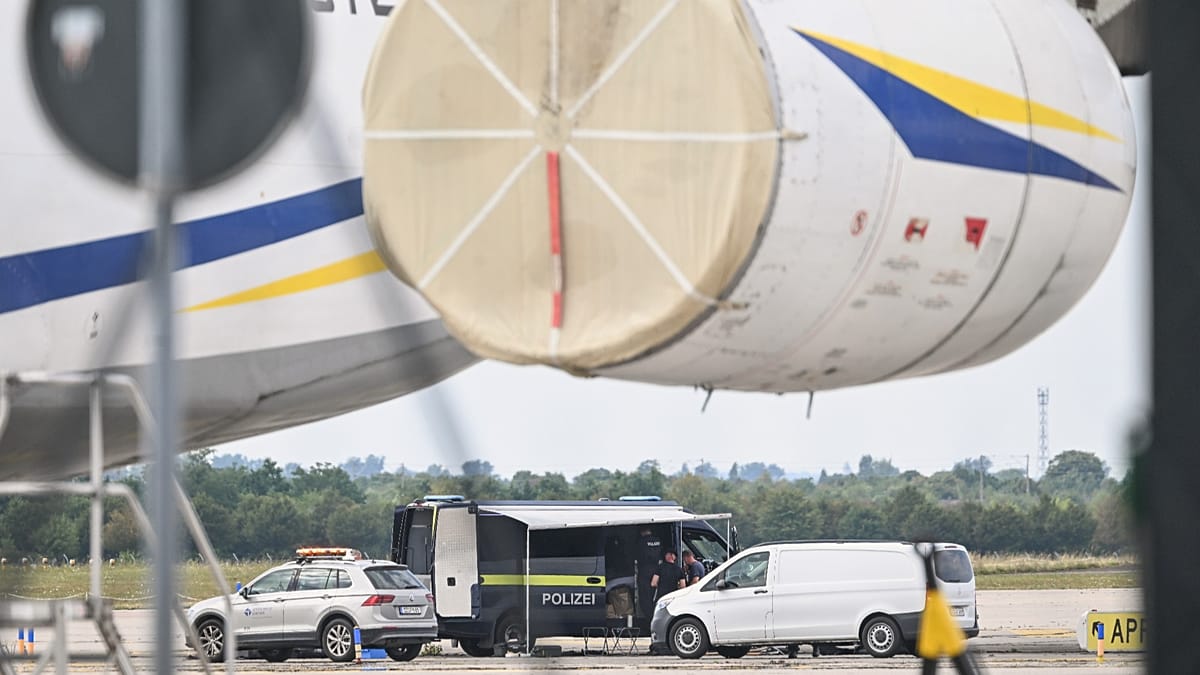
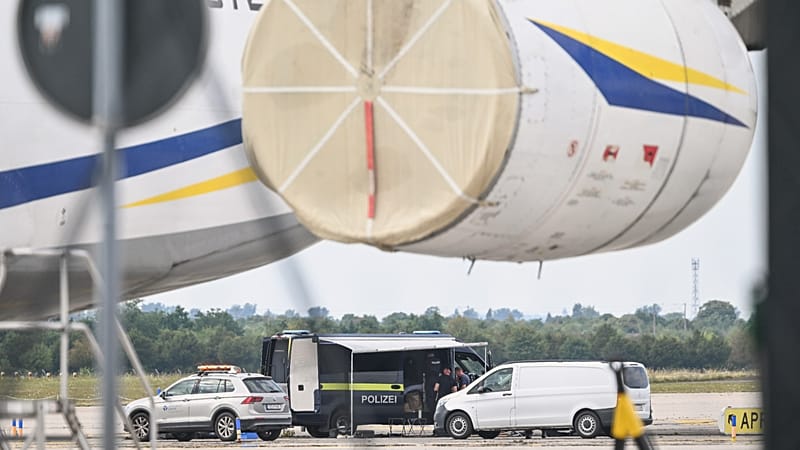
Russian-linked hybrid pressure is spreading across the European security environment, with Germany the clearest current pressure point. Berlin attributes an explosives-fitted drone operation at Leipzig/Halle Airport to Moscow, while the number and timing of devices remain disputed and Vladimir Putin denies involvement. Separate incidents affected power infrastructure in Brandenburg and North Rhine-Westphalia, and German authorities found 21 improvised explosive devices near substations in Saxony. The UK has charged Joshua Cammidge over alleged contact with a GRU Volunteer Corps-linked individual and alleged preparations for sabotage. European governments are responding through higher threat classifications, diplomatic closures, expanded intelligence powers, sanctions, arrests and closer intelligence coordination.
Change from previous assessment
Since the 8 September brief, the assessment has added a UK Russian-linked proxy case involving Joshua Cammidge, expanded the German energy-infrastructure picture with incidents at Bergheim, Turnow-Preilack, Saxony and Weisweiler, and recorded Germany's move from an abstract to a high hybrid threat level. Confidence in the persistence of Europe-wide Russian-linked pressure has strengthened because the reporting base now includes British prosecution activity, Danish intelligence warnings and broader operation counts. Confidence in the Leipzig attribution remains medium because Russian denials and conflicting accounts of the device number and date remain unresolved. The deliberate-attack judgement has been retained but lowered from medium to low confidence because the current reporting includes a competing warning of a possible limited Russian attack on a NATO member.
Key judgments
- Russian-linked hybrid pressure across Europe is very likely to persist through the next 1-3 months. Reports count 151 Russian hostile operations between February 2022 and February 2026 and 144 drone sightings across 12 European states between August 2024 and February 2026. Additional reporting describes a Kremlin-organised sabotage campaign, Danish intelligence warnings about planned attacks on Denmark's defence industries, and a British prosecution involving an alleged GRU Volunteer Corps-linked sabotage channel. This is an assessed pattern rather than proof that every incident is directed by Moscow. Confidence is medium because multiple high-confidence reports support the pattern, but attribution remains incomplete for several incidents. (Confidence: medium · ASSESSED)
- I&W: A European government publicly attributes a new sabotage or proxy case to a Russian intelligence service and provides an arrest, device or forensic link. (0-14 days)
- I&W: German, UK or Polish authorities close the current investigations without a Russian linkage and no new Russian-linked incident is reported across Europe. (1-3 months)
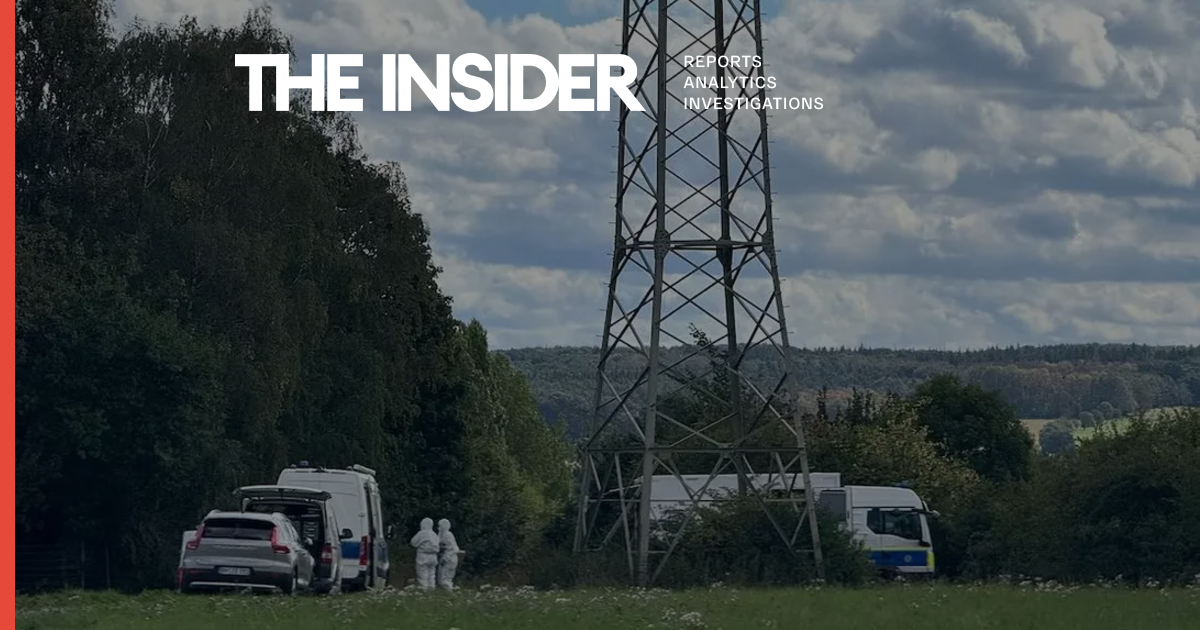
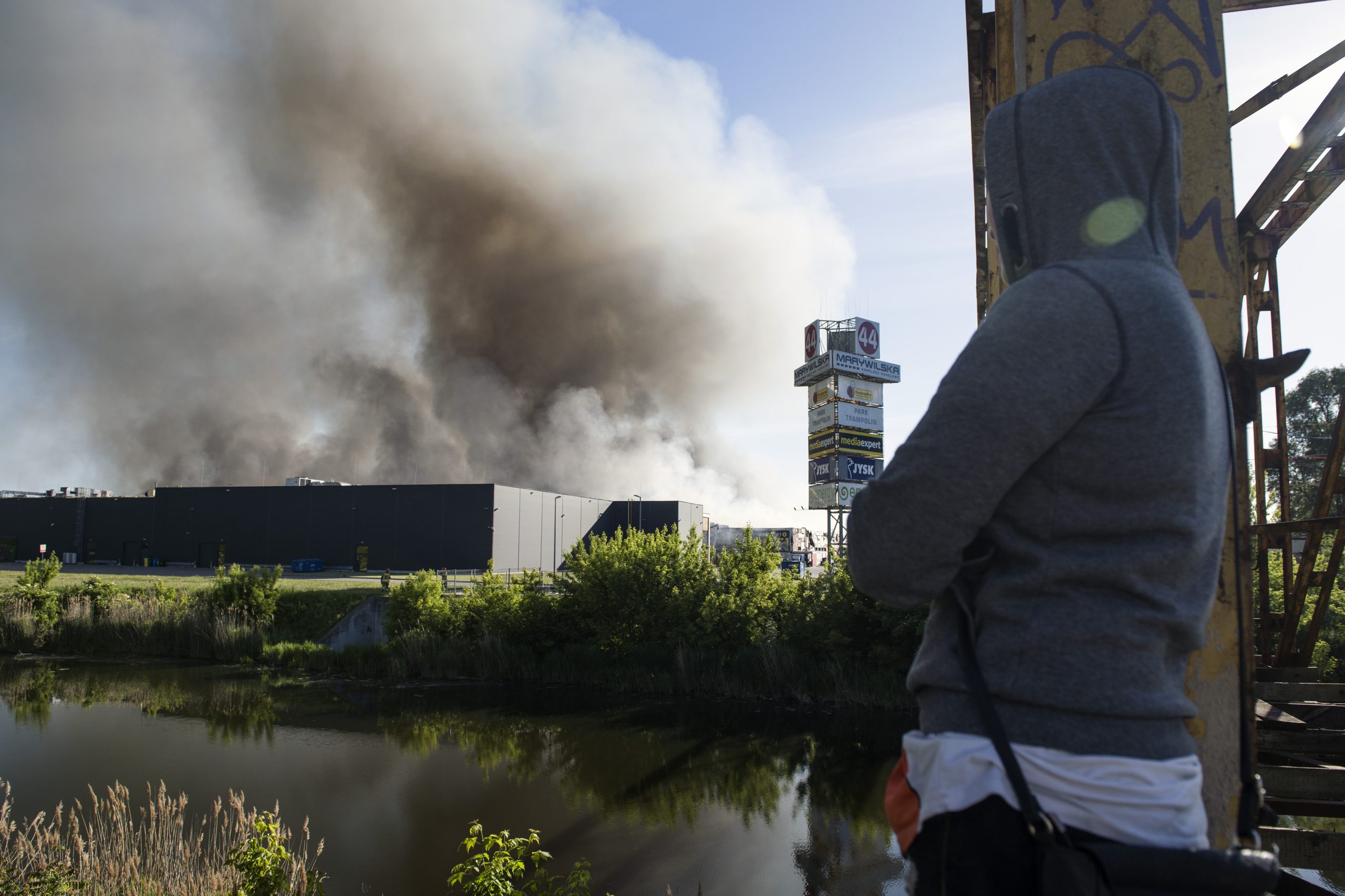
- Germany is very likely to remain Europe's main near-term hybrid pressure point. Berlin and European Commission President Ursula von der Leyen have attributed the Leipzig/Halle Airport operation to Russian operatives, while Vladimir Putin denies Russian involvement and accuses Berlin of fabricating evidence. Germany also reported attacks on a substation in Bergheim on 1 September, high-voltage lines near Turnow-Preilack on 1 September, 21 improvised explosive devices near Saxony substations by 7 September, and a 48-year-old suspect carrying explosives near the Weisweiler power plant on 8 September. German authorities have not established that the energy incidents form a Russian-directed campaign, and a responsibility letter described the attacks as a protest against fossil fuels. Confidence is medium because the physical incidents and official threat response are well corroborated, but attribution and the Leipzig incident's precise scale and date remain contested. (Confidence: medium · ASSESSED)
- I&W: German investigators link at least two of the named Leipzig, Bergheim, Turnow-Preilack, Saxony or Weisweiler incidents to one Russian service or operating cell. (0-14 days)
- I&W: German authorities state that the Leipzig and energy incidents were separate non-state actions, and no further explosive device or drone operation affects German critical infrastructure. (1-3 months)
- The UK case makes it likely that Russian military intelligence-linked proxy recruitment remains an active tool, but public reporting does not establish a wider UK network. Counterterrorism police arrested Joshua Cammidge in Swindon on 4 September, and the Crown Prosecution Service charged him on 9 September with assisting a foreign intelligence service and preparatory conduct. Prosecutors allege that he received instructions from an individual linked to the GRU Volunteer Corps, which the UK designated a national security threat in July. Confidence is medium because the arrest and charges are corroborated by major-media reporting and official prosecution details, while the Russian link remains an allegation pending judicial proceedings. (Confidence: medium · ASSESSED)
- I&W: The Westminster Magistrates Court hearing on 10 September retains the charges and prosecutors present evidence linking Cammidge to the GRU Volunteer Corps. (0-14 days)
- I&W: The Crown Prosecution Service withdraws the charges or removes the alleged Russian intelligence link from the case. (0-14 days)
- European governments are very likely to expand counter-hybrid powers and intelligence coordination over the next 1-3 months. Germany has raised its hybrid threat level from abstract to high, established GAZ Hybrid, maintained an interdepartmental task force, closed Russian facilities in Bonn and Berlin, and approved a draft law expanding intelligence powers. The UK has banned support for the GRU Volunteer Corps, while Sweden is establishing the Utrikesunderrättelsetjänsten foreign intelligence service. Polish special services coordinator Tomasz Siemoniak also discussed Russian-linked sabotage with CIA Director John Ratcliffe and US Principal Deputy Director of National Intelligence Aaron Lukas. Confidence is high because the response is supported by multiple reported government actions across Germany, the UK, Sweden, Poland and the US. (Confidence: high · ASSESSED)
- I&W: Germany advances the draft law on offensive intelligence powers or announces further EU-level sanctions and entry restrictions linked to Russian hybrid activity. (1-3 months)
- I&W: Germany suspends the draft law and Berlin, London and Stockholm announce no further counter-hybrid measures or intelligence coordination. (1-3 months)
- A deliberate Russian kinetic attack on NATO territory remains unlikely over the next 1-3 months, while dangerous miscalculation is likely to rise. Russian drones and cruise missiles have repeatedly violated NATO airspace since the start of 2026, NATO members previously invoked Article 4 over violations involving Poland and Estonia, and a reported US intelligence assessment described a possible limited Russian attack on a NATO member within months. Russian warnings to Britain about military targets add to the escalation risk. Confidence is low because the attack warning is reported through a medium-reliability think-tank source and the available evidence supports competing interpretations, from coercive pressure below the threshold of war to preparation for a limited strike. (Confidence: low · ASSESSED)
- I&W: A Russian drone or cruise missile enters Polish, Estonian or other NATO airspace and prompts Article 4 consultations, or Russian forces strike a NATO member. (0-14 days)
- I&W: No new Russian airspace violation or strike occurs and Russian officials withdraw the warnings directed at Britain and NATO members. (1-3 months)
- Repeated attacks on German power infrastructure are likely to produce local disruption, but a lasting nationwide blackout remains very unlikely. The Bergheim substation attack knocked five generating units offline, the Turnow-Preilack attack temporarily shut one generating unit, and an arson attack near Berlin's Lichterfelde power plant disrupted electricity for 45,400 households and 2,200 commercial customers. Prof. Martin Braun assessed that attacks can cause prolonged regional outages, while Germany's N-1 grid design makes a nationwide blackout more difficult. Confidence is medium because the incident effects and technical assessment are well reported, but investigators have not established that the September incidents are connected. (Confidence: medium · ASSESSED)
- I&W: A further attack on a German substation, power line or cable causes a generating-unit shutdown or a regional power cut. (0-14 days)
- I&W: German authorities report no additional infrastructure effects and conclude that the September incidents were isolated, unrelated events. (1-3 months)
Outlook & scenarios
Managed pressure below open armed conflict (60%)
The most likely path is continued sabotage attempts, proxy activity, drone incidents and disinformation below the threshold of a deliberate Russian attack on NATO territory. Germany, the UK and other European governments continue arrests, intelligence cooperation, diplomatic restrictions and sanctions. Moscow denies responsibility and issues warnings in response.
Attribution hardens and European response expands (20%)
German investigators connect at least some of the September energy incidents to the Leipzig operation or to a common Russian-linked network. Berlin advances expanded intelligence powers, the EU adopts additional sanctions, and the UK applies its new measures against Russian proxy organisations. Russia responds through diplomatic expulsions, threats or additional covert activity.
Attribution fragments and incident activity recedes (15%)
The Leipzig attribution remains disputed, while German authorities treat the energy incidents as separate actions by non-state actors or leave them unresolved. No further attack affects German critical infrastructure, and European governments focus on investigations rather than introducing additional measures.
Limited Russian attack on a NATO member (5%)
A low-probability, high-impact wildcard is a limited Russian kinetic attack on a NATO member after an airspace incident or deliberate strike. NATO invokes Article 4, the affected state raises military readiness, and diplomatic retaliation expands rapidly. This scenario would sharply increase the risk of direct US-Russia confrontation.
Recommendations
- For the next 14 days, maintain a single incident matrix for Leipzig/Halle Airport, Bergheim, Turnow-Preilack, Saxony and Weisweiler. Separate confirmed physical events, claimed responsibility, official attribution and independent corroboration. Do not merge the conflicting Leipzig accounts until investigators clarify the number of drones and the dates of discovery.
- Prioritise collection on the German energy investigations. Seek official findings on device provenance, explosive composition, communications links, surveillance footage and any connection between the 1 September, 4 September, 7 September and 8 September incidents.
- Track the 10 September Westminster Magistrates Court hearing and subsequent Crown Prosecution Service filings in the Joshua Cammidge case. Record whether prosecutors substantiate the alleged link to the GRU Volunteer Corps and whether additional suspects or locations enter the case.
- Monitor German implementation of the high hybrid threat level, the draft law expanding intelligence powers, and the closure of Russian facilities in Bonn and Berlin. Assess whether these measures produce matching EU sanctions, entry restrictions or Russian retaliatory action.
- Set an immediate warning threshold for any new Russian drone or cruise missile violation of Polish, Estonian or other NATO airspace, especially an incident that prompts Article 4 consultations. Treat a direct strike on NATO territory as a separate escalation category from recurring airspace violations.
- Use the Polish-US intelligence meetings and the German, UK and Swedish institutional changes as collection opportunities for evidence on Russian proxy recruitment, sabotage tasking and coordination across European cases.
Confidence & uncertainty
Overall confidence is high because the underlying event picture is supported by multiple high-reliability major-media reports, official German, UK, Polish and EU statements, and corroborating think-tank reporting. Confidence is highest for the occurrence of arrests, infrastructure incidents, official threat-level changes and European countermeasures. The main uncertainties concern the precise number and date of the Leipzig devices, the attribution of the German energy incidents, and the significance of the reported US intelligence warning about a possible limited Russian attack on a NATO member.
Intelligence gaps
- [EEI 1.2 · UNCOVERED] Observed reconnaissance activity around critical sites indicative of attack planning (unauthorised drone flights, repeated surveillance visits, loitering vehicles, mapping/photography of assets). Recommended collection: open-source/media
- [EEI 2.1 · UNCOVERED] Emergence or amplification of coordinated social-media networks (sets of accounts, pages, channels) pushing identical narratives or hashtags across multiple platforms, including bot-like activity metrics and origin IP/common management indicators. Recommended collection: social-media/OSINT
- [EEI 2.2 · UNCOVERED] Publication or internal guidance from state-run media, proxy outlets, or identified influence platforms distributing talking points, pre-scripted messaging, or translated content targeted at specific EU countries/communities. Recommended collection: open-source/media
- [EEI 2.3 · UNCOVERED] Distribution of manipulated multimedia (deepfakes), targeted phishing/whaling campaigns, or localized false narratives timed to political events (elections, protests, court rulings) with tracked reach and engagement metrics. Recommended collection: cyber/forensic
- [EEI 3.1 · UNCOVERED] Unusual financial transactions: wire transfers, crypto conversions, or payments to shell companies, NGOs or individuals exceeding typical baselines that link to known proxies or front organisations. Recommended collection: financial
- [EEI 3.2 · UNCOVERED] Travel and movement indicators for suspected operatives: repeated border crossings, chartered/irregular flights, booking patterns or mobile/location data placing identified individuals in staging areas shortly before incidents. Recommended collection: border/immigration
- [EEI 3.3 · UNCOVERED] Cargo, freight or maritime movements with discrepancies (concealed/dual-use equipment, false manifests, unusual routing) detected at ports, rail hubs or via AIS that correspond to deliveries of material used in sabotage or influence operations. Recommended collection: customs/ports
- [EEI 3.4 · PARTIAL] Intercepted or otherwise-obtained communications showing tasking, coordination, or payment instructions between Russian agencies/handlers and proxy groups, including identified command-and-control servers or encrypted group identifiers. Recommended collection: signals-intel/SIGINT
TLP:CLEAR