TLP:CLEAR · Disclosure is not limited.
Europe Hybrid Threats: Attribution Gaps and Black Sea Risk
Time window: Last 1 day · Audience: General analyst · Type: Situation report · DTG: 2026-10-25 16:38Z · Overall confidence: MEDIUM
BLUF
European protests have created an opening for Russian officials and alleged Russian-linked accounts to amplify divisive narratives, but current reporting does not establish a centrally directed campaign or Russian responsibility for the newly reported sabotage cases. Separately, reports of seven cargo ships hit off Romania and Bulgaria, including the sinking of the Khoryv, warrant close monitoring; responsibility for the attacks remains unconfirmed.
Executive summary
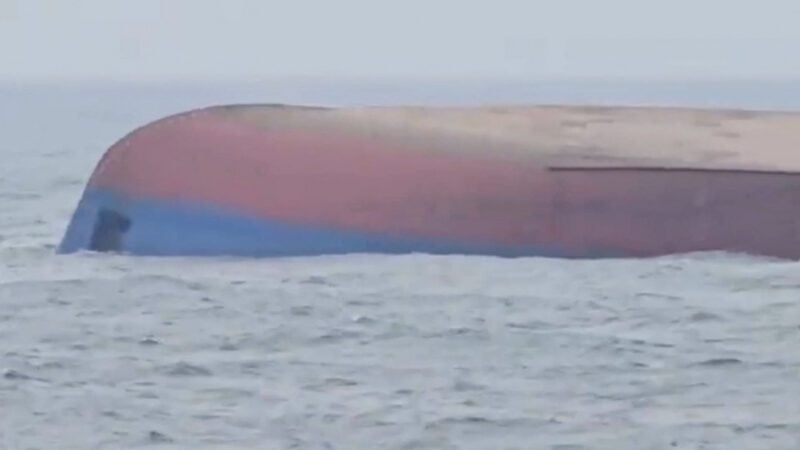
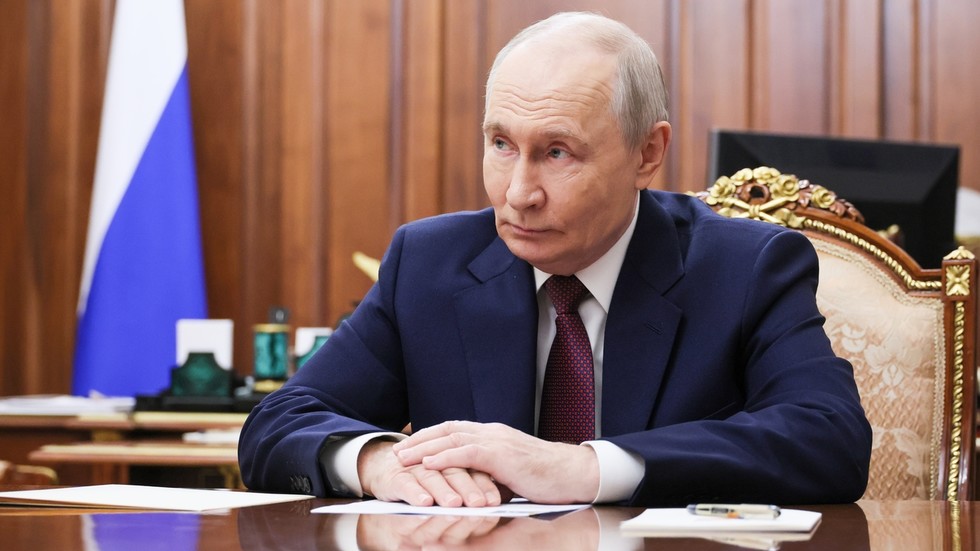
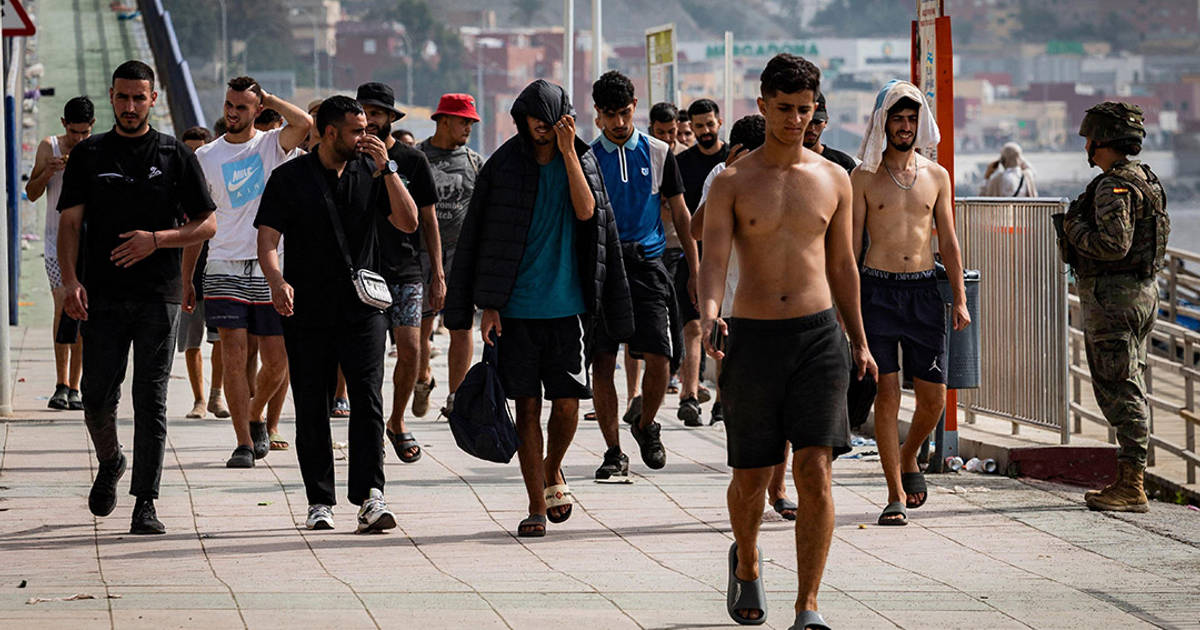
Protests that began in France in September spread to other European cities over the weekend. Vladimir Putin and Kirill Dmitriev blamed European policy for the unrest, while a social-media claim said Russian disinformation and far-right narratives were exploiting it. That claim does not establish operational direction. Other reporting remains inconclusive: a social-media post alleges a Russian sabotage plan in Denmark, a local Italian outlet reports Youssef Siher's detention but says there is no evidence of external direction, and the perpetrators of reported damage at weapons factories in Italy and Bulgaria and a foiled drone attack at Leipzig airport are unidentified. In the Black Sea, trade reporting describes attacks on at least seven cargo ships off Romania and Bulgaria in two weeks, including the sinking of the Khoryv on 23 October. Romanian President Nicusor Dan blamed Russia, but the available reporting does not independently confirm that attribution.
Change from previous assessment
Compared with the 24 October brief, this update adds weekend protests across France and other European cities, Putin and Kirill Dmitriev's public comments blaming European policy, and a social-media allegation that Russian disinformation is exploiting the unrest. It also adds the reported Danish plot and new Milan reporting that explicitly says there is no evidence of external direction, which reinforces the attribution caveat rather than resolving it. Reports of repeated cargo-ship attacks off Romania and Bulgaria, including the sinking of the Khoryv, add a maritime security concern not covered in the prior brief. Confidence in a single centrally directed Russian campaign remains low.
Key judgments
- Russian-linked actors are likely to use the protests that began in France and spread to Brussels, Lisbon, Rome, Naples, Bologna and Barcelona to amplify migration and anti-government narratives. Putin and Dmitriev publicly blamed European policy for the unrest, but the claim that Russian disinformation actors are exploiting it comes from social-media reporting and does not establish a centrally coordinated campaign. (Confidence: low · ASSESSED)
- I&W: Confirm if independent researchers or platform disclosures identify Russian-linked accounts coordinating or amplifying fabricated migration claims about the French protests; break if credible reviews find no such coordination and trace prominent false claims to other sources. (0-14 days)
- I&W: Confirm if Putin, Dmitriev or Russian state media repeat specific claims about protests in France, Barcelona, Brussels or Lisbon; break if their coverage shifts away from those events without recurring protest-related narratives. (0-30 days)
- It is unlikely that public reporting establishes Russian direction of the newly reported European sabotage-related cases. Denmark's alleged paid-information plot rests on a social-media post; in Milan, local media report that Youssef Siher was detained on suspicion of aggravated incitement, while another local article says there is no evidence of external direction. The reported damage at weapons factories in Italy and Bulgaria and the foiled drone attack at Leipzig airport are attributed to unknown actors. (Confidence: low · ASSESSED)
- I&W: Confirm if Danish police or prosecutors publicly provide corroborated evidence that Russian officials tasked or paid citizens to collect information; break if authorities publicly rule out a Russian link or close the inquiry without one. (0-30 days)
- I&W: Confirm if Milan prosecutors disclose evidence linking Siher or the investigated organisation to Russian direction; break if case updates continue to describe incitement allegations without evidence of foreign tasking. (0-30 days)
- Further disruption to commercial shipping off Romania and Bulgaria is likely over the next month, given trade reporting that at least seven cargo ships were hit in two weeks and that the Comoros-flagged Khoryv sank off Constanta on 23 October. Romania's President Nicusor Dan attributed the Khoryv strike to Russia, but the available reporting identifies the attackers as unknown and does not independently establish Russian responsibility. (Confidence: medium · ASSESSED)
- I&W: Confirm if another cargo vessel is reported hit or sunk off Romania or Bulgaria, or if Romanian or Bulgarian authorities issue a new maritime security warning; break if investigations establish that the recent incidents were unrelated accidents. (0-30 days)
- I&W: Confirm if Romania, Bulgaria or Ukraine publishes evidence identifying the operator responsible for the Khoryv strike; break if an official investigation rules out a Russian drone or Russian direction. (0-60 days)
Outlook & scenarios
Narrative amplification continues without proven direction (60%)
Russian officials continue blaming EU policies on migration and governance for protests in France and other European cities. Online amplification persists, but public evidence does not establish a centrally directed Russian campaign.
A European investigation produces attribution evidence (20%)
A Danish or Milan investigation releases evidence linking a specific operation to Russian direction. That would raise confidence that at least one reported case was more than an isolated or domestically driven incident.
Black Sea shipping incidents widen (15%)
Another cargo vessel is hit off Romania or Bulgaria, increasing pressure from Ukraine, Romania and Bulgaria for NATO to protect commercial shipping. A further attack with casualties would raise the risk of a wider security response, even if responsibility remained disputed.
Recommendations
- Keep confirmed incidents, official accusations and assessed attribution in separate reporting lines. Do not treat the Danish social-media allegation, the Milan detention or the factory and Leipzig reports as evidence of Russian direction without corroboration.
- For the protest narrative, record the exact claims circulating about migration and the French demonstrations, then check their timing, reach and source attribution against platform disclosures and independent research.
- Track public updates from Danish authorities and Milan prosecutors for evidence of foreign tasking, and revise the attribution assessment when those updates identify or rule out a Russian link.
- Maintain a separate Black Sea incident log for vessel name, location, damage, casualties and official attribution. Review it for new attacks and for any change in Romanian, Bulgarian or Ukrainian requests for NATO protection.
Confidence & uncertainty
Overall confidence is medium because major-media and official reporting supports the existence of protests, public Russian statements and the reported Black Sea incidents. Confidence in Russian direction of the alleged sabotage and influence activity is lower: key claims rely on social-media, think-tank or local-media reporting, and the available accounts leave attribution unresolved. The Khoryv incident and the wider ship-attack count are reported by a trade publication, with no independent attribution in the supplied material.
Intelligence gaps
- [EEI 1.2 · PARTIAL] Observed reconnaissance activity around critical sites indicative of attack planning (unauthorised drone flights, repeated surveillance visits, loitering vehicles, mapping/photography of assets). Recommended collection: open-source/media
- [EEI 1.3 · UNCOVERED] Law-enforcement or customs seizures, arrests or interdictions of persons or shipments carrying explosives, sabotage tools, specialty cutting/electrical equipment, or covert comms gear destined for/near critical infrastructure. Recommended collection: law enforcement
- [EEI 2.1 · PARTIAL] Emergence or amplification of coordinated social-media networks (sets of accounts, pages, channels) pushing identical narratives or hashtags across multiple platforms, including bot-like activity metrics and origin IP/common management indicators. Recommended collection: social-media/OSINT
- [EEI 2.2 · PARTIAL] Publication or internal guidance from state-run media, proxy outlets, or identified influence platforms distributing talking points, pre-scripted messaging, or translated content targeted at specific EU countries/communities. Recommended collection: open-source/media
- [EEI 2.3 · PARTIAL] Distribution of manipulated multimedia (deepfakes), targeted phishing/whaling campaigns, or localized false narratives timed to political events (elections, protests, court rulings) with tracked reach and engagement metrics. Recommended collection: cyber/forensic
- [EEI 3.1 · PARTIAL] Unusual financial transactions: wire transfers, crypto conversions, or payments to shell companies, NGOs or individuals exceeding typical baselines that link to known proxies or front organisations. Recommended collection: financial
- [EEI 3.2 · UNCOVERED] Travel and movement indicators for suspected operatives: repeated border crossings, chartered/irregular flights, booking patterns or mobile/location data placing identified individuals in staging areas shortly before incidents. Recommended collection: border/immigration
- [EEI 3.3 · UNCOVERED] Cargo, freight or maritime movements with discrepancies (concealed/dual-use equipment, false manifests, unusual routing) detected at ports, rail hubs or via AIS that correspond to deliveries of material used in sabotage or influence operations. Recommended collection: customs/ports
- [EEI 3.4 · UNCOVERED] Intercepted or otherwise-obtained communications showing tasking, coordination, or payment instructions between Russian agencies/handlers and proxy groups, including identified command-and-control servers or encrypted group identifiers. Recommended collection: signals-intel/SIGINT
Red cell review: CONCUR WITH COMMENT
TLP:CLEAR