TLP:CLEAR · Disclosure is not limited.
Europe Hybrid Threats: Cross-Border Incidents and Attribution Gaps, 18 October 2026
Time window: Last 1 day · Audience: General analyst · Type: Situation report · DTG: 2026-10-18 13:40Z · Overall confidence: MEDIUM
BLUF
New reporting adds a Polish railway sabotage investigation and drone-related incidents affecting shipping and Romanian territorial waters. It does not establish Russian direction of the Polish railway blast, and the attribution of the tanker strikes to Russian drones rests on one unnamed NATO military source.
Executive summary
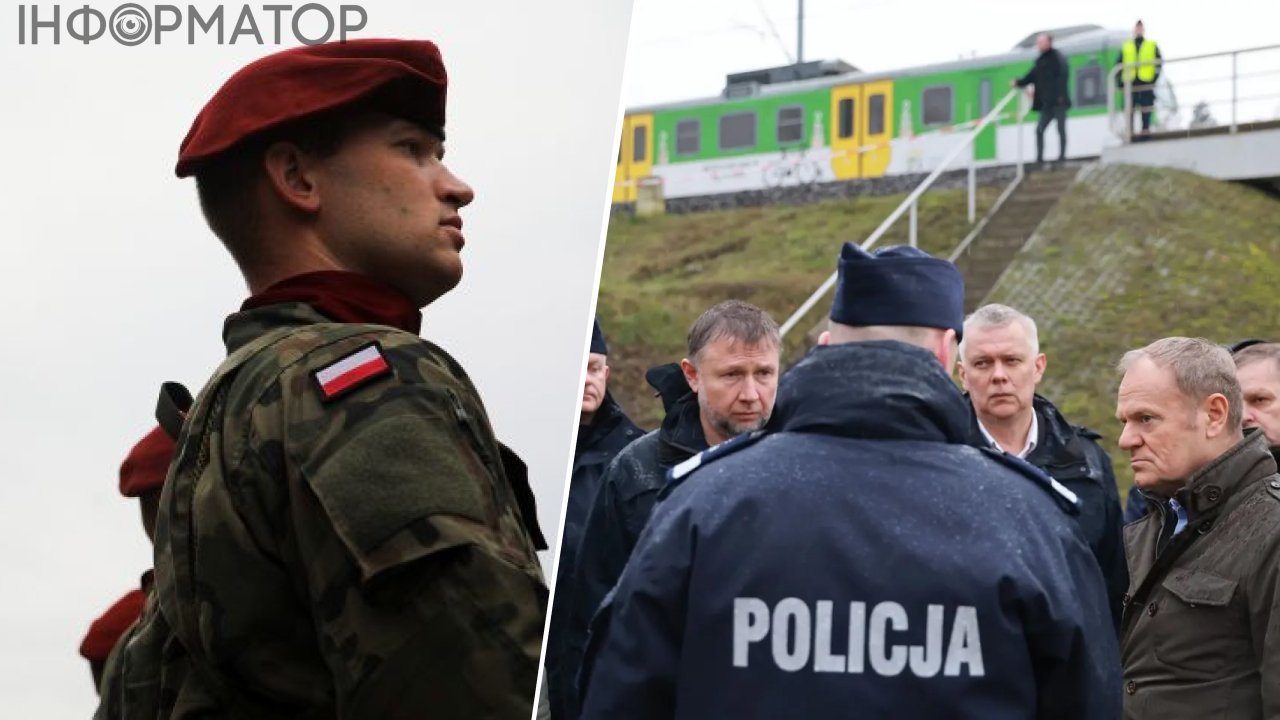
Polish Prime Minister Donald Tusk warned of possible winter sabotage against railway infrastructure and Western aid routes to Ukraine. In a separate railway investigation, Tusk said Ukrainian citizens carried out the blast; Polish authorities have made arrests and issued a European arrest warrant for one suspect, but the supplied reporting does not link the case to Russian tasking. Near Romania, two chemical tankers were hit by drones and Romanian F-16s shot down two drones over territorial waters. A NATO military source attributed the tanker strikes to Russian drones, while the operators of other reported Black Sea vessel strikes remain unidentified. Reporting also describes a close approach by Russia's Cosmos 2612 satellite to Finland's ICEYE X36, without evidence establishing hostile intent. Albanian Prime Minister Edi Rama accused Russia and Iran of influencing protests through social media, but the reporting provides no account-level evidence. Separate Russian and Ukrainian strikes in Ukraine and Russia point to continuing battlefield escalation, not proof of a new Russian-directed operation elsewhere in Europe.
Change from previous assessment
Since the 17 October brief, reporting adds arrests and a European arrest warrant in the Polish railway sabotage case, but describes the suspects as Ukrainian citizens and does not establish Russian direction. New reporting also covers drone interceptions and vessel strikes near Romania, including a Russian attribution from one unnamed NATO military source, and a close approach by Cosmos 2612 to ICEYE X36. The assessment that Polish authorities will maintain heightened winter security remains, with confidence medium; the assessment that public reporting does not establish a new Russian-directed operation remains, now with a specific railway case under investigation. This is not a confirmation of the prior warning.
Key judgments
- Polish authorities are likely to maintain heightened attention to railway and logistics security through the winter. Tusk's 17 October warning cited Polish, Ukrainian and allied intelligence, and the Institute for the Study of War identified railway infrastructure and Western aid routes as possible targets. The newly reported railway investigation adds a concrete security case, but does not itself establish Russian direction. (Confidence: medium · ASSESSED)
- I&W: Confirm: Poland's Interior Ministry or national rail operator announces named, temporary security measures for railway infrastructure or aid routes. Break: Polish authorities publicly rescind the winter warning and stand down those measures. (0-3 months)
- It is unlikely that public reporting currently establishes Russian direction of the Polish railway blast. Tusk said Ukrainian citizens carried out the explosion, and reports describe initial arrests and a European arrest warrant for one suspect; the supplied reporting identifies no Russian handler, financing or tasking. This is a judgement about the available public evidence, not a finding that Russian involvement is excluded. (Confidence: low · ASSESSED)
- I&W: Confirm Russian direction: Polish prosecutors or court filings identify Russian instructions, payments or a handler. Break: court records establish the suspects acted without Russian contact, or prosecutors formally close the Russian-direction inquiry. (0-3 months)
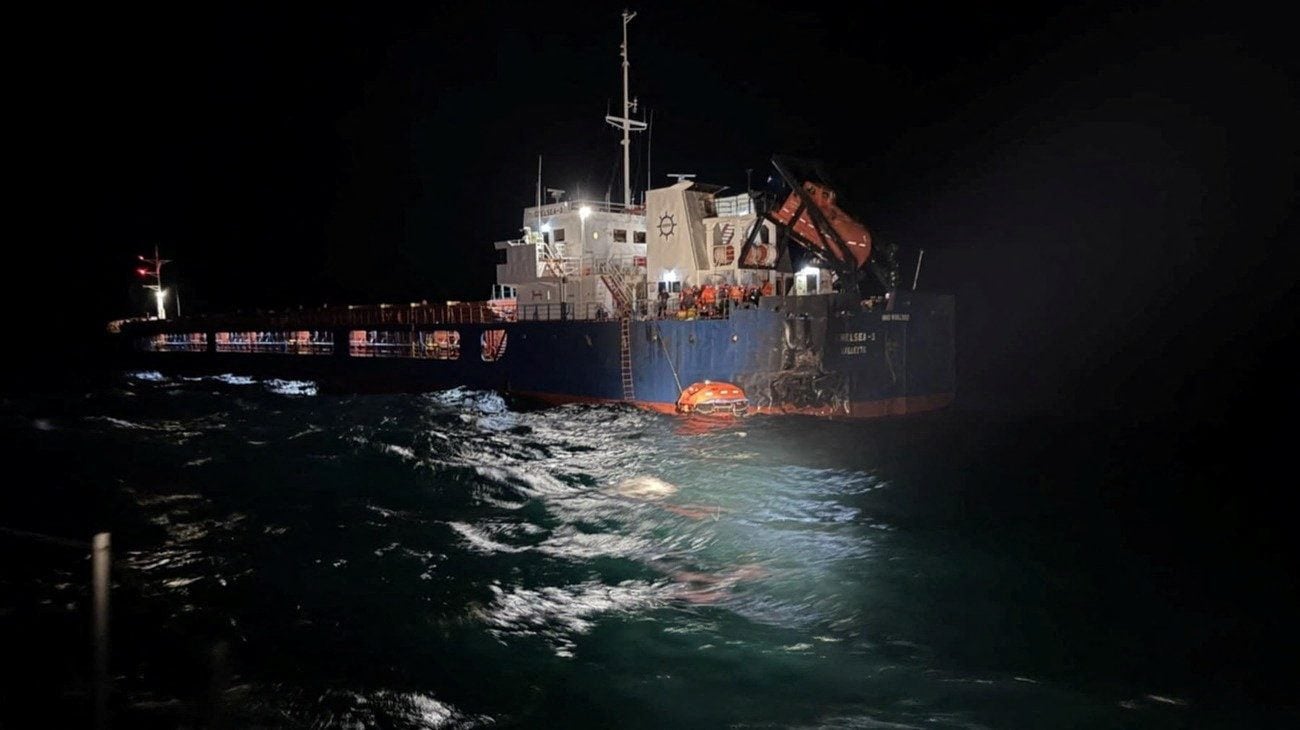
- Drone-related disruption to Black Sea shipping and Romanian territorial waters is likely to recur in the near term, but the incidents are not all attributed to a single operator. Reports describe two chemical tankers hit near Romania, at least five other cargo ships hit near Romania and Bulgaria in the previous 10 days, and Romanian F-16s shooting down two drones over territorial waters. One unnamed NATO military source attributed the tanker strikes to Russian drones; seven crew members from the tankers were reported missing. (Confidence: medium · ASSESSED)
- I&W: Confirm recurrence: Romanian authorities report another drone interception or a further drone strike on commercial shipping near the Sulina Canal. Break: Romanian and regional authorities report no further vessel strikes or territorial-water drone interceptions. (0-14 days)
- I&W: Confirm Russian attribution: Romanian, NATO or independent forensic reporting identifies Russian components or a Russian launch path in debris from the tanker strikes. Break: forensic reporting identifies a different operator or origin. (0-3 months)
- The reported close approach by Russia's Cosmos 2612 satellite to Finland's ICEYE X36 is likely to have occurred, but current reporting does not establish hostile intent. The reported separation fell from about 320 kilometres to about 5 kilometres in less than 24 hours; LeoLabs identified an unusual manoeuvre, while Western analysts said there was no evidence yet of malicious intent. (Confidence: medium · ASSESSED)
- I&W: Confirm a continuing close-proximity pattern: LeoLabs or another named space-monitoring provider reports another close approach by Cosmos 2612 to ICEYE X36. Break the hostile-interference concern: public orbital data or a documented technical review explains the manoeuvre as non-threatening and inconsistent with surveillance or interference. (0-14 days)
- Rama's accusation that Russia and Iran influenced Albanian protests through social media is unlikely to establish Russian involvement on the evidence reported so far. Rama cited foreign interference, but the supplied reporting gives no account-level findings or independent corroboration; reports describe protests over corruption and clashes between students and police. (Confidence: low · ASSESSED)
- I&W: Confirm Russian-linked influence: Albanian investigators or social-media platforms publish account-level evidence tracing coordinated protest content to Russian-linked operators. Break the attribution: investigators withdraw the claim or publish findings that trace the cited activity to domestic actors without Russian links. (0-3 months)
Outlook & scenarios
Contained incidents, attribution remains contested (60%)
This is the most likely near-term scenario. Poland maintains heightened security after Tusk's warning, while the railway investigation proceeds without public evidence establishing Russian tasking. Romanian and Black Sea authorities investigate drone and vessel incidents, and analysts continue to distinguish verified events from disputed attribution.
Evidence links an incident to Russian direction (25%)
Polish court or investigative material, or forensic findings from a Black Sea incident, identifies Russian instructions, financing or operational support. European authorities then have a stronger basis to treat the case as Russian-directed activity rather than an unresolved incident or battlefield spillover.
High-impact spillover triggers an attribution crisis (5%)
A drone incident in Romanian territorial waters or a strike on commercial shipping causes further deaths, while governments publicly attribute responsibility to Russia before forensic findings are available. The resulting dispute over attribution raises the risk of a sharp diplomatic and security response.
Recommendations
- Keep the Polish railway blast and the broader winter sabotage warning separate in reporting. Seek the Polish prosecutor's case updates, court filings and evidence of any foreign direction before attributing the blast to Russia.
- Track Romanian defence ministry and coast guard statements, debris examinations and updates on the seven missing crew members. Record separately the official account of the F-16 interceptions and the unnamed-source attribution of tanker strikes to Russian drones.
- Request updated orbital tracking and a technical assessment of the Cosmos 2612 and ICEYE X36 approach. Report the measured manoeuvre separately from assessments of intent.
- Treat Rama's allegation of Russian and Iranian social-media activity as unverified until Albanian investigators or platforms release account-level evidence.
- In daily updates, distinguish reported incidents, official claims and analytic assessments. Do not use the Ukrainian railway suspects as evidence of Russian direction without additional case-specific support.
Confidence & uncertainty
Basic event reporting is supported by high-reliability wire services and major media, including the Romanian F-16 interceptions and Black Sea vessel incidents. Attribution is less secure: the tanker strikes' Russian link comes from one unnamed NATO military source, the Polish railway case is reported through local media accounts of Tusk's statements and arrests, and Rama's allegation lacks independent evidence in the supplied reporting. Satellite reporting describes a close approach but does not establish intent. A claim also misattributes casualties in St Petersburg to Russian drones, while other reporting attributes the attack to Ukrainian drones; reports give differing totals for overnight casualties in Ukraine. These gaps and contradictions support medium overall confidence.
Intelligence gaps
- [EEI 1.2 · UNCOVERED] Observed reconnaissance activity around critical sites indicative of attack planning (unauthorised drone flights, repeated surveillance visits, loitering vehicles, mapping/photography of assets). Recommended collection: open-source/media
- [EEI 1.3 · UNCOVERED] Law-enforcement or customs seizures, arrests or interdictions of persons or shipments carrying explosives, sabotage tools, specialty cutting/electrical equipment, or covert comms gear destined for/near critical infrastructure. Recommended collection: law enforcement
- [EEI 2.1 · UNCOVERED] Emergence or amplification of coordinated social-media networks (sets of accounts, pages, channels) pushing identical narratives or hashtags across multiple platforms, including bot-like activity metrics and origin IP/common management indicators. Recommended collection: social-media/OSINT
- [EEI 2.2 · UNCOVERED] Publication or internal guidance from state-run media, proxy outlets, or identified influence platforms distributing talking points, pre-scripted messaging, or translated content targeted at specific EU countries/communities. Recommended collection: open-source/media
- [EEI 2.3 · PARTIAL] Distribution of manipulated multimedia (deepfakes), targeted phishing/whaling campaigns, or localized false narratives timed to political events (elections, protests, court rulings) with tracked reach and engagement metrics. Recommended collection: cyber/forensic
- [EEI 3.1 · UNCOVERED] Unusual financial transactions: wire transfers, crypto conversions, or payments to shell companies, NGOs or individuals exceeding typical baselines that link to known proxies or front organisations. Recommended collection: financial
- [EEI 3.2 · UNCOVERED] Travel and movement indicators for suspected operatives: repeated border crossings, chartered/irregular flights, booking patterns or mobile/location data placing identified individuals in staging areas shortly before incidents. Recommended collection: border/immigration
- [EEI 3.3 · UNCOVERED] Cargo, freight or maritime movements with discrepancies (concealed/dual-use equipment, false manifests, unusual routing) detected at ports, rail hubs or via AIS that correspond to deliveries of material used in sabotage or influence operations. Recommended collection: customs/ports
- [EEI 3.4 · UNCOVERED] Intercepted or otherwise-obtained communications showing tasking, coordination, or payment instructions between Russian agencies/handlers and proxy groups, including identified command-and-control servers or encrypted group identifiers. Recommended collection: signals-intel/SIGINT
Red cell review: CONCUR WITH COMMENT
TLP:CLEAR