TLP:CLEAR · Disclosure is not limited.
Europe Hybrid Threats: Incidents Expand, Attribution Remains Open
Time window: Last 1 day · Audience: General analyst · Type: Situation report · DTG: 2026-11-04 16:12Z · Overall confidence: HIGH
BLUF
The threat picture is more operationally active than in the prior brief: bomb threats disrupted about seven flights on 3 November, and Poland has detailed the forces deployed along its Kaliningrad border. Current reporting does not establish Russian direction of the aviation threats, the supermarket cyberattacks or the reported border activity. Keep these cases separate while investigations continue.
Executive summary
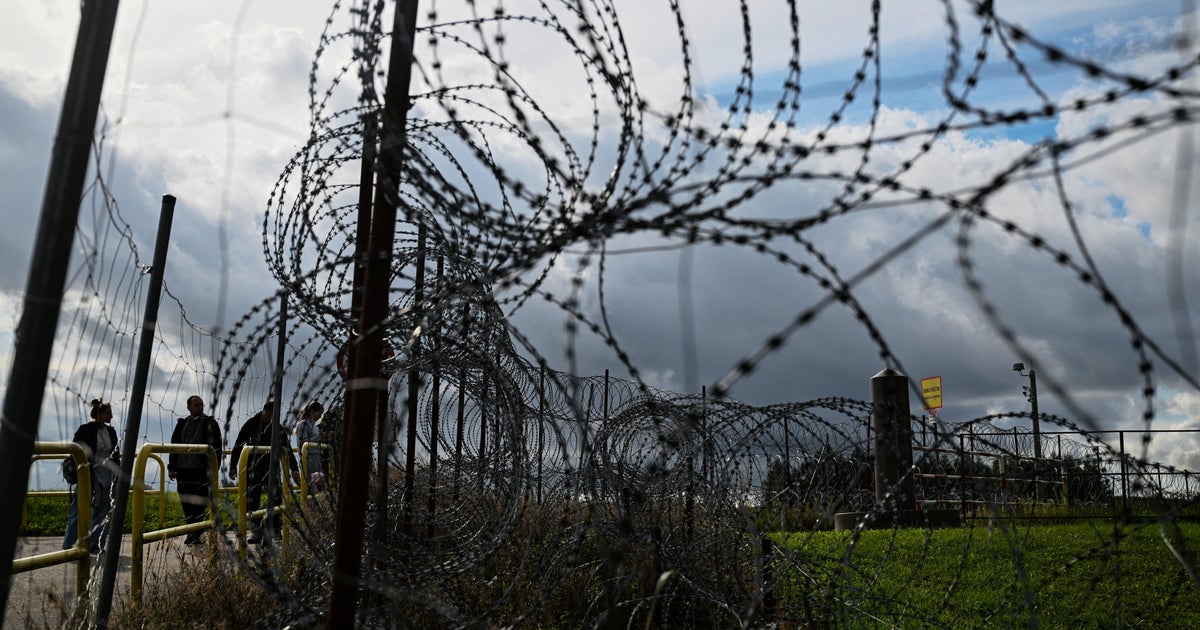
Poland has deployed additional police, counterterrorism units and GROM to Warmia-Masuria and Podlaskie after intelligence warnings and reports of people carrying flashlights near the Kaliningrad border. Separately, bomb threats against about seven flights bound for Warsaw, Sofia, Rome and Murcia prompted searches, diversions and temporary operational disruption; no explosives were reported. Supermarket refrigeration attacks caused food losses across Europe, but reports differ on their geographic scope and the responsible actor is unknown. The European Commission's 2026 Moldova report describes sustained Russian and proxy pressure, and reports that Russian airspace violations had more than doubled by autumn 2026 compared with 2025.
Change from previous assessment
Since the 3 November prior brief, reporting has added the 3 November aviation threat wave, including about seven flights affected across Poland, Bulgaria, Italy and Spain, with no explosives reported. Poland's response is now described in greater detail: additional police, counterterrorism units and GROM are deployed, and the operation is due to run until at least 8 November. New reporting gives competing estimates for the supermarket attack footprint, so its geographic scope remains uncertain. The assessment that public reporting does not establish Russian direction of these incidents is unchanged.
Key judgments
- It is unlikely that public reporting establishes Russian state direction of either the 3 November aviation threats or the supermarket refrigeration attacks. The European Commission said it was too early to determine whether the aviation incidents were linked. No one has claimed the supermarket attacks, their motive remains unknown, and Romania's cyber director said his agency did not suspect a state actor. An aviation-risk analyst raised a Russian angle while also citing Iranian hybrid activity in parts of Europe; this remains an expert hypothesis, not an attribution. Confidence is medium because the reporting is supported by official statements and multiple media accounts, but no technical attribution is reported. (Confidence: medium · ASSESSED)
- I&W: A national investigation publishes technical evidence linking the aviation threat senders or supermarket intrusions to a Russian state organ or proxy. (0-30 days)
- I&W: Investigators publicly identify unrelated non-state senders for both event sets, or publish evidence excluding Russian state direction. (1-3 months)
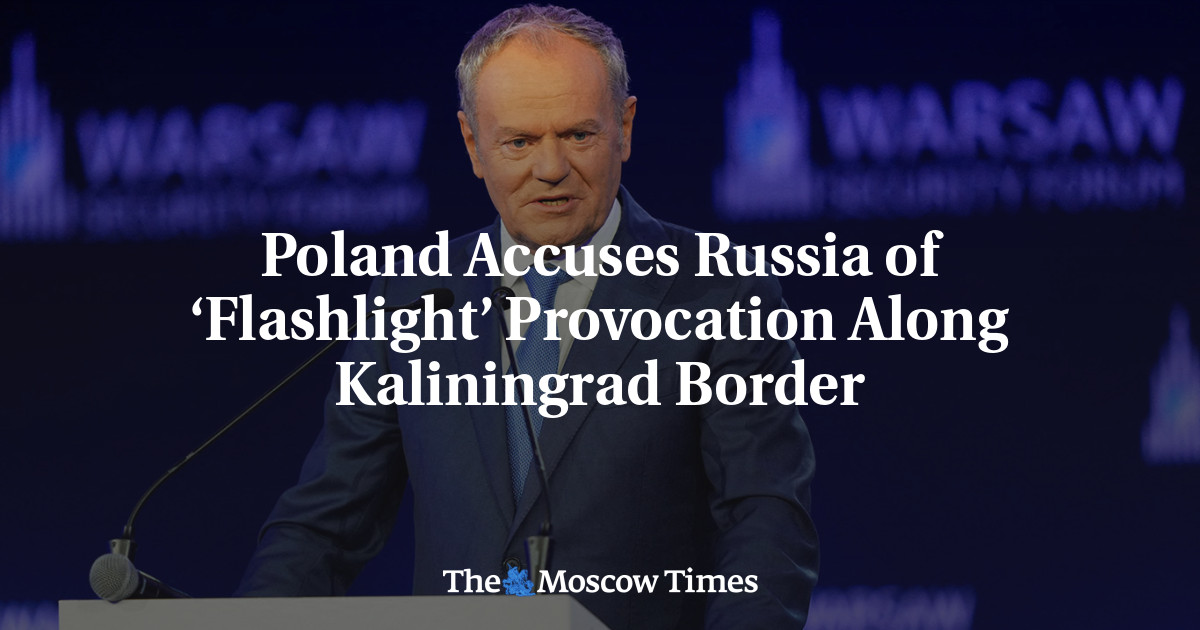
- Poland's border operation, running until at least 8 November, is a precautionary response to intelligence warnings, not evidence of a confirmed armed crossing or Russian orchestration. Polish authorities deployed additional police, counterterrorism units and GROM in Warmia-Masuria and Podlaskie after reporting suspicious movements involving people with flashlights. Donald Tusk accused Moscow of a provocation, but separately acknowledged that the intention was unconfirmed. Confidence is medium because the deployment and observations are reported through Polish officials, while the attribution is unresolved. (Confidence: medium · ASSESSED)
- I&W: The Polish Border Guard or police publish a confirmed armed crossing, an arrest, or evidence identifying the people observed near the border. (0-14 days)
- I&W: Poland ends the operation after 8 November without reporting a crossing or arrest, supporting the assessment that the deployment remained precautionary. (0-14 days)
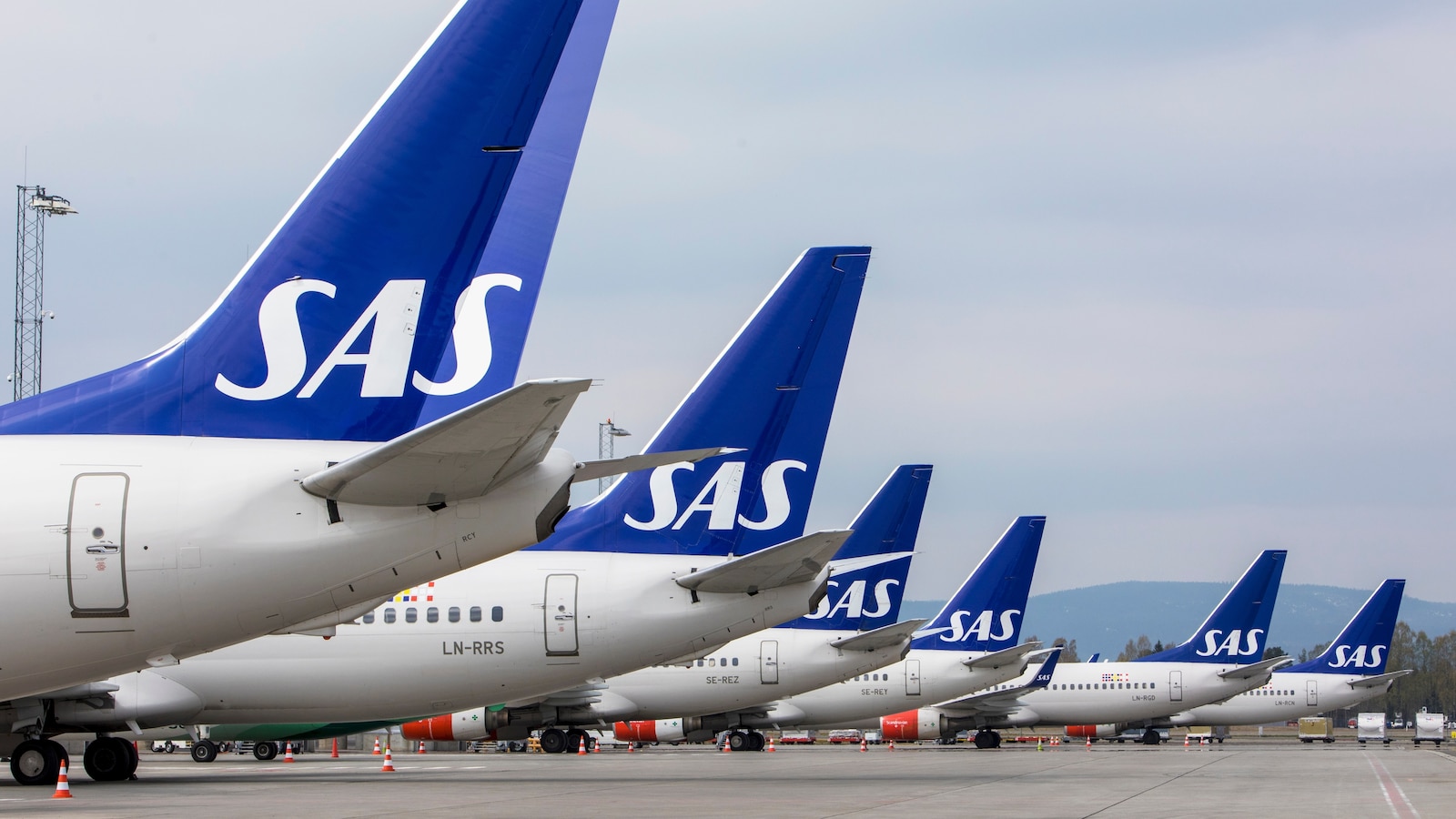
- The 3 November bomb threats were a confirmed, multi-country aviation disruption, but reporting indicates no explosives were found. About seven flights bound for Warsaw, Sofia, Rome and Murcia were threatened; responses included a LOT diversion to Modlin, searches in Sofia and an escort by two Italian Air Force Eurofighters for a Dublin-to-Rome flight. Confidence is high in the occurrence of the disruption because multiple reports describe the incidents and their responses; the precise flight count is less certain. (Confidence: high · REPORTED)
- I&W: Airport authorities in Poland, Bulgaria, Italy or Spain publish final incident records confirming that no device was found on the threatened flights. (0-14 days)
- I&W: Police or airport authorities report a device or credible explosive material linked to one of the threatened flights, breaking the current assessment that the threats were false. (0-30 days)
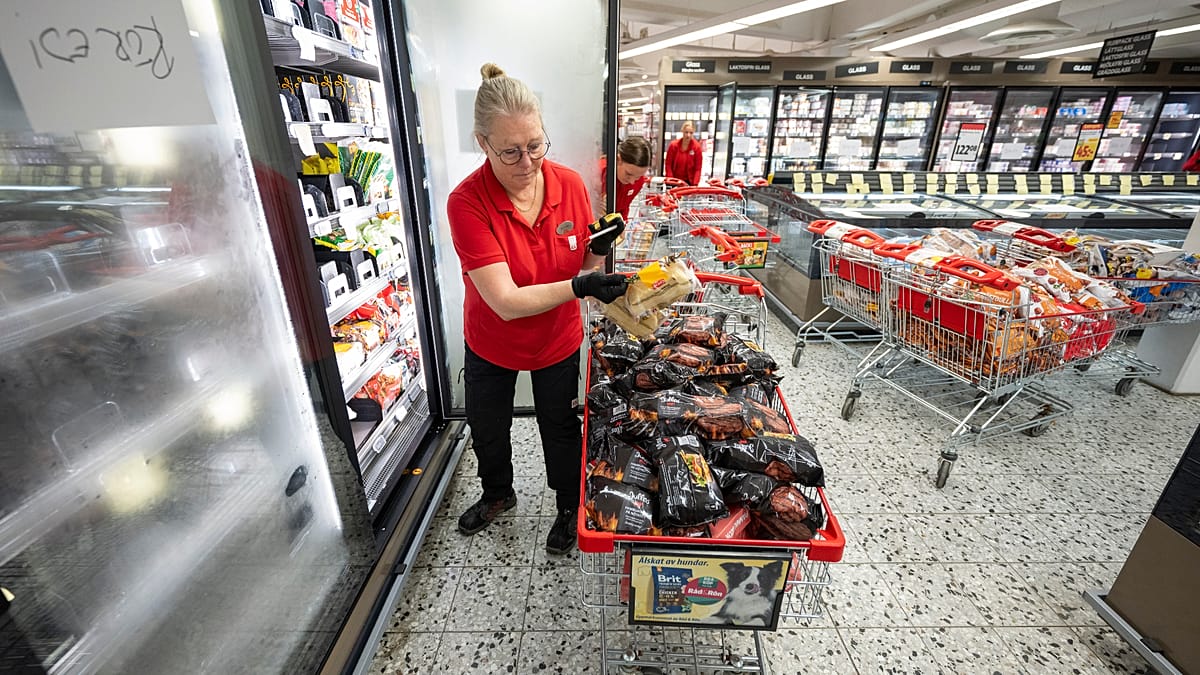
- The supermarket refrigeration attacks caused food losses across Europe, but their reported footprint remains unsettled. One account describes attacks in five countries, while another reports at least 10 EU countries plus the UK; Italy's government reported around 20 affected stores nationwide. The EU described the incidents as not isolated, but Romania's cyber director assessed the attacks as semi-amateurish and said Romania did not suspect a state actor. Confidence is medium because reports agree on the incident and its effects but differ on scope and severity. (Confidence: medium · REPORTED)
- I&W: National cyber authorities publish a consolidated count of affected countries and stores, with technical evidence linking the intrusions across borders. (0-30 days)
- I&W: Authorities establish that reported incidents involved unrelated local faults or separate intrusions, breaking the current cross-border incident picture. (1-3 months)
- Russia and its proxies are very likely sustaining pressure on Moldova. The European Commission's 2026 report describes multi-faceted efforts to destabilise the country and says Russian airspace violations had more than doubled by autumn 2026 compared with 2025. Confidence is medium: the claims come from a high-reliability multilateral report, but the available reporting provides limited detail on individual violations and no independent corroboration. (Confidence: medium · REPORTED)
- I&W: Moldovan authorities or the European Commission publish a new, dated account of a Russian airspace violation or other Russian-linked pressure. (1-3 months)
- I&W: Moldovan authorities or the European Commission correct or retract the reported comparison with 2025. (1-3 months)
Outlook & scenarios
Containment and investigation (60%)
Likely outcome: airport authorities complete searches without finding explosives, supermarket operators restore refrigeration controls, and Poland ends its current border operation after 8 November. Investigations do not establish Russian direction of these incidents.
Repeated low-cost disruption (30%)
Unlikely but plausible: further false alerts or refrigeration intrusions cause local flight disruption and food losses. Poland maintains heightened border security, while public attribution remains unresolved.
Confirmed Russian-linked attack or border incident (5%)
Very unlikely, high-impact wildcard: investigators establish Russian state or proxy direction of a disruptive attack, or Polish authorities confirm an armed border crossing. Such evidence would change the current attribution assessment and raise the risk of a sharper response by affected governments.
Recommendations
- Maintain separate analytic case files for the aviation threats, supermarket intrusions and Polish border activity. Do not combine them into a Russian-directed campaign without shared technical or investigative evidence.
- Prioritise collection of public investigation updates from Polish, Bulgarian, Italian and Spanish authorities, including sender data, forensic findings and final airport search results. Reconcile the reported flight count against airport records.
- Request a consolidated EU and national cyber incident picture for the refrigeration attacks, including affected countries, store counts, intrusion method and recovery status. Keep the reported French blood-bank incidents separate until technical evidence establishes a link.
- Review Poland's operation after 8 November against Border Guard reporting, arrests and confirmed crossings. Distinguish observed activity near the border from evidence of an incursion or state direction.
- Track Moldova's next official reporting on Russian airspace violations and pressure by Russia or its proxies. Record dates and locations so the reported comparison with 2025 can be checked.
Confidence & uncertainty
Overall confidence is high in the occurrence of the aviation threats, Poland's border deployment and the supermarket refrigeration attacks. These events are reported by multiple major-media accounts and named officials; the Moldova assessment draws on a European Commission report. The main uncertainties concern Russian attribution, the exact geographic scope and severity of the supermarket attacks, and whether the reported border activity represented a provocation.
Intelligence gaps
- [EEI 1.2 · UNCOVERED] Observed reconnaissance activity around critical sites indicative of attack planning (unauthorised drone flights, repeated surveillance visits, loitering vehicles, mapping/photography of assets). Recommended collection: open-source/media
- [EEI 1.3 · UNCOVERED] Law-enforcement or customs seizures, arrests or interdictions of persons or shipments carrying explosives, sabotage tools, specialty cutting/electrical equipment, or covert comms gear destined for/near critical infrastructure. Recommended collection: law enforcement
- [EEI 2.1 · UNCOVERED] Emergence or amplification of coordinated social-media networks (sets of accounts, pages, channels) pushing identical narratives or hashtags across multiple platforms, including bot-like activity metrics and origin IP/common management indicators. Recommended collection: social-media/OSINT
- [EEI 2.2 · UNCOVERED] Publication or internal guidance from state-run media, proxy outlets, or identified influence platforms distributing talking points, pre-scripted messaging, or translated content targeted at specific EU countries/communities. Recommended collection: open-source/media
- [EEI 2.3 · PARTIAL] Distribution of manipulated multimedia (deepfakes), targeted phishing/whaling campaigns, or localized false narratives timed to political events (elections, protests, court rulings) with tracked reach and engagement metrics. Recommended collection: cyber/forensic
- [EEI 3.1 · UNCOVERED] Unusual financial transactions: wire transfers, crypto conversions, or payments to shell companies, NGOs or individuals exceeding typical baselines that link to known proxies or front organisations. Recommended collection: financial
- [EEI 3.2 · UNCOVERED] Travel and movement indicators for suspected operatives: repeated border crossings, chartered/irregular flights, booking patterns or mobile/location data placing identified individuals in staging areas shortly before incidents. Recommended collection: border/immigration
- [EEI 3.3 · UNCOVERED] Cargo, freight or maritime movements with discrepancies (concealed/dual-use equipment, false manifests, unusual routing) detected at ports, rail hubs or via AIS that correspond to deliveries of material used in sabotage or influence operations. Recommended collection: customs/ports
- [EEI 3.4 · UNCOVERED] Intercepted or otherwise-obtained communications showing tasking, coordination, or payment instructions between Russian agencies/handlers and proxy groups, including identified command-and-control servers or encrypted group identifiers. Recommended collection: signals-intel/SIGINT
Red cell review: CONCUR WITH COMMENT
TLP:CLEAR