TLP:CLEAR · Disclosure is not limited.
Europe Protest Brief: Spain Strike Underway, Continental Coordination Unproven
Time window: Last 1 day · Audience: General analyst · Type: Situation report · DTG: 2026-11-11 14:26Z · Overall confidence: HIGH
BLUF
UGT and CCOO’s 24-hour general strike began in Spain on 11 November, but the supplied reporting does not establish a coordinated general strike across France, Italy, Portugal and Albania. Italian student organisers have called for an international student strike on 20 November; this is not evidence of a joint general strike.
Executive summary
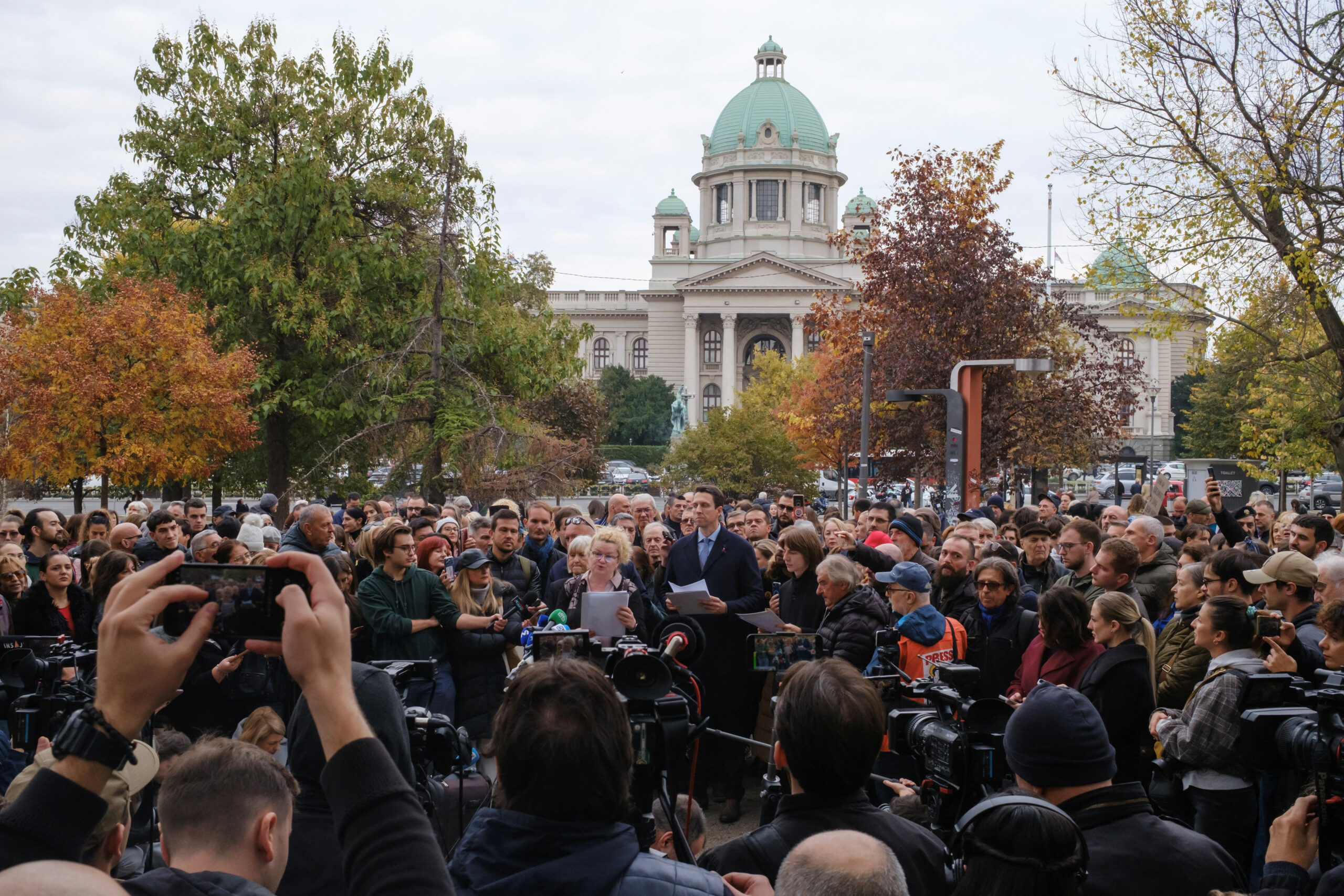
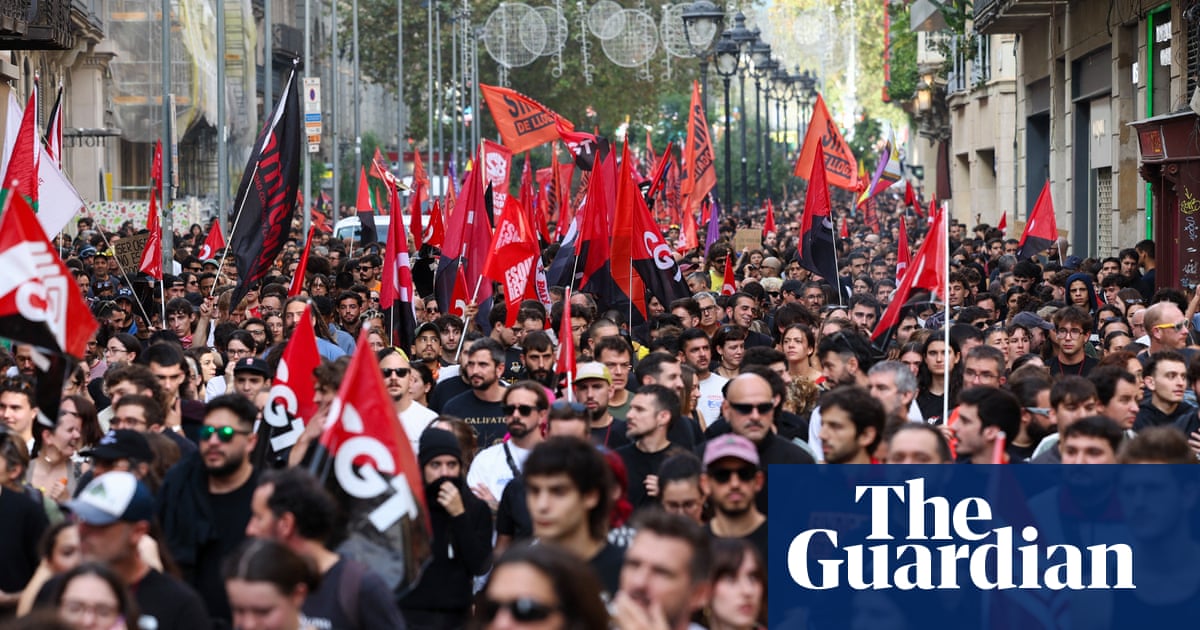
Major-media reporting confirms that Spain’s UGT and CCOO called a nationwide, 24-hour strike over housing costs, with disruption reported in transport and other sectors. Union and employer accounts of participation differ, so the scale remains contested. In Italy, Collettivo Osa reports more than 40 occupied high schools in Rome and its province and calls for an international student strike on 20 November. Separate Italian school bomb threats prompted evacuations, but officials and police reported no evidence of a concrete explosive threat; the number of schools affected is disputed. French protest reporting is limited in this packet, Albania’s cited demonstrations took place in October, and Portugal’s school and public-service closures on 11 November were attributed to Storm Charles. The assessment is that these reports do not establish a common protest or strike plan across the four countries.
Change from previous assessment
Since the prior brief, Spain’s 11 November action has moved from planned to underway, with reporting of transport and sector disruption and competing union and employer accounts of participation. New reporting documents Collettivo Osa’s call for an international student strike on 20 November and more than 40 occupied high schools in Rome and its province. Reports of Italian school evacuations after bomb threats are also new; officials report no evidence of concrete danger, while published figures for the number of schools reached conflict. The new reporting still does not establish a coordinated general strike across France, Italy, Portugal and Albania.
Key judgments
- A coordinated general strike across France, Italy, Portugal and Albania is unlikely over the next 14 days. Reporting documents Spain’s 11 November strike, Collettivo Osa’s call for an international student strike on 20 November, a social-media report of a French march with no stated date, and anti-government demonstrations in Tirana during October. Portugal’s reported school and public-service closures on 11 November were due to Storm Charles, not a strike. Confidence is low because reporting on France, Portugal and Albania is limited or not current, and the Italian call comes from one student collective rather than a joint union announcement. (Confidence: low · ASSESSED)
- I&W: A dated, jointly signed strike notice naming participating organisations in France, Italy, Portugal and Albania before 25 November would break this assessment. (0-14 days)
- I&W: No joint notice appears by 25 November, and the only dated cross-border call remains Collettivo Osa’s student action on 20 November, would confirm this assessment. (0-14 days)
- Spain’s 24-hour general strike began at midnight on 11 November and disrupted activity in at least some transport and industrial sectors. The occurrence of the strike is well corroborated by major-media reporting, but its reach is not settled: UGT and CCOO reported 90 per cent participation in automotive and port sectors and 82 per cent in waste collection, while the CEOE described participation as low in most sectors. Confidence is high on the strike’s occurrence and reported disruption, not on a single nationwide participation figure. (Confidence: high · REPORTED)
- I&W: Published port and automotive operations or attendance records close to UGT and CCOO’s reported 90 per cent participation would confirm substantial disruption in those sectors. (0-14 days)
- I&W: Records showing normal operations in ports and automotive plants during the stoppage would break the assessment of disruption in key sectors. (0-14 days)
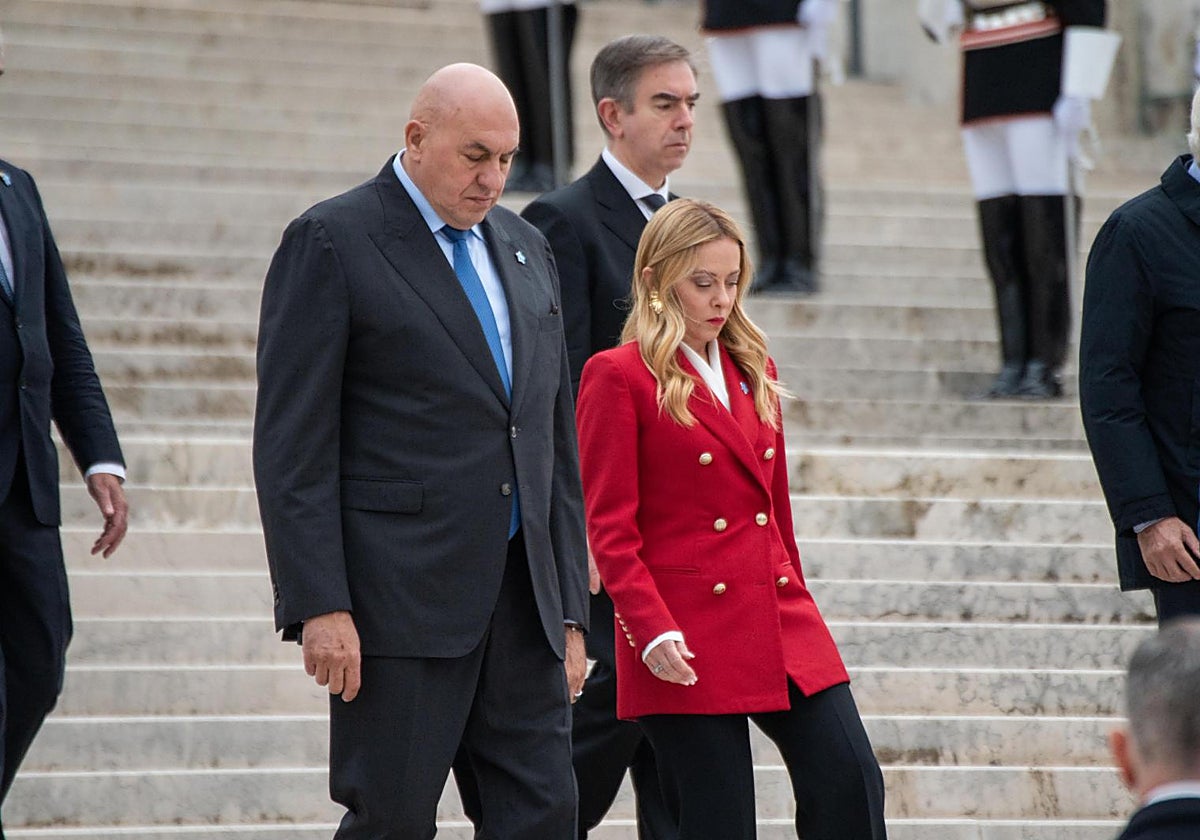
- The 11 November bomb threats to Italian schools were likely a hoax rather than a substantiated explosive threat. Giorgia Meloni said checks had found no indication of concrete danger, and police and Carabinieri reported that searches had found no evidence to substantiate the threats. The reported reach remains unresolved: Education Minister Giuseppe Valditara cited at least 300 affected schools, while one report claimed 6,000 schools and institutes received emails. The evidence supports the threat assessment more strongly than either precise count. (Confidence: medium · ASSESSED)
- I&W: Italian police publish forensic findings confirming that no devices were located and classify the emails as hoaxes, which would confirm this assessment. (0-14 days)
- I&W: Police confirm discovery of an explosive device or credible evidence of operational placement, which would break this assessment. (0-14 days)
Outlook & scenarios
National actions remain separate (68%)
The most likely near-term outcome is nationally bounded mobilisation. Spain’s 24-hour strike concludes, while Collettivo Osa’s call anchors separate Italian student activity around 20 November. The available French and Albanian reporting remains local, and Portugal’s reported closures remain weather-related. A joint general strike across the four countries is unlikely.
Student mobilisation gains cross-border participation (24%)
An expansion of student-led action is unlikely but plausible if Collettivo Osa’s 20 November call attracts participation beyond Italy. This would indicate wider student coordination, but it would not by itself establish a general strike or a joint plan by trade union confederations.
Renewed threat emails disrupt school activity (8%)
A very unlikely, high-impact scenario is a renewed wave of school threat emails coinciding with student demonstrations, prompting precautionary closures and complicating public-order management in Italy. Current reporting says searches found no evidence substantiating the 11 November threats; a genuine device discovery is not supported by the available reporting.
Recommendations
- Treat claims of a continental general strike as unverified unless a dated, jointly signed notice identifies participating organisations and the action in each country.
- Track Collettivo Osa’s 20 November call separately from union strike plans. Record any later endorsements by named organisations and distinguish student demonstrations from general strikes.
- Compare UGT and CCOO participation claims with CEOE statements and published sector-level operating or attendance data before using a national turnout estimate.
- For the Italian school incident, keep separate counts for email recipients, schools reported affected and schools evacuated. Seek police findings and updates on school reopening before reporting the scale or attribution.
- Keep the French, Albanian and Portuguese reporting in separate event lines. Do not treat October demonstrations or storm-related closures as evidence of current strike coordination.
Confidence & uncertainty
Overall confidence is high for the core event picture: multiple established outlets report Spain’s strike, and separate reporting and official statements describe the Italian school evacuations and the authorities’ initial checks. Confidence is lower on Spanish participation totals, the number of Italian schools that received threats, and any claim of cross-country coordination. Reporting on France, Albania and Portugal is limited or concerns different dates and causes.
Intelligence gaps
- [EEI 1.4 · UNCOVERED] Evidence that protest organizers are coordinating common demands, slogans, dates, funding or operational guidance across national borders. Recommended collection: open-source/social media
- [EEI 2.1 · PARTIAL] Announced or implemented policy concessions involving austerity measures, education funding, pensions, wages or youth employment. Recommended collection: government statements
- [EEI 2.2 · PARTIAL] Changes in crowd-control rules, emergency powers, detention practices, police reinforcements or restrictions on demonstrations. Recommended collection: official/legal reporting
- [EEI 2.4 · UNCOVERED] Negotiation schedules, mediation efforts or breakdowns between governments and trade-union or student representatives. Recommended collection: labor/government reporting
- [EEI 3.1 · PARTIAL] Named organizations issuing mobilization calls, with verified membership, geographic reach and turnout at prior actions. Recommended collection: open-source/organizational websites
- [EEI 3.2 · PARTIAL] Trade-union confederation decisions on strike mandates, rolling strikes, sector-wide action or cross-border coordination. Recommended collection: trade-union statements
- [EEI 3.3 · PARTIAL] Student movement communications identifying coordinating committees, protest logistics, fundraising or links to established political parties. Recommended collection: social media/student networks
- [EEI 3.4 · PARTIAL] Participation by violent fringe groups, organized football ultras or extremist networks, including evidence of weapons, incendiary devices or coordinated attacks. Recommended collection: law-enforcement reporting
- [EEI 4.1 · PARTIAL] Changes in retail activity, industrial output, freight movement, tourism bookings or financial-market indicators attributed to strike disruption. Recommended collection: economic/financial reporting
- [EEI 4.2 · UNCOVERED] War-risk or political-risk insurance premium changes, transport rerouting and business continuity warnings linked to protest activity. Recommended collection: commercial risk reporting
Red cell review: CONCUR
TLP:CLEAR