TLP:CLEAR · Disclosure is not limited.
Europe protest claims remain unverified
Time window: Last 1 day · Audience: General analyst · Type: Situation report · DTG: 2026-11-27 19:04Z · Overall confidence: LOW
BLUF
The supplied reporting does not establish a coordinated anti-austerity general strike across France, Italy, Portugal and Albania, or substantiate claims of more than 1,200 arrests in Paris and hundreds injured. New reporting describes French police use of about 22,000 tear gas grenades during protests on 17 October, but the figure is single-source and does not verify the wider claims.
Executive summary
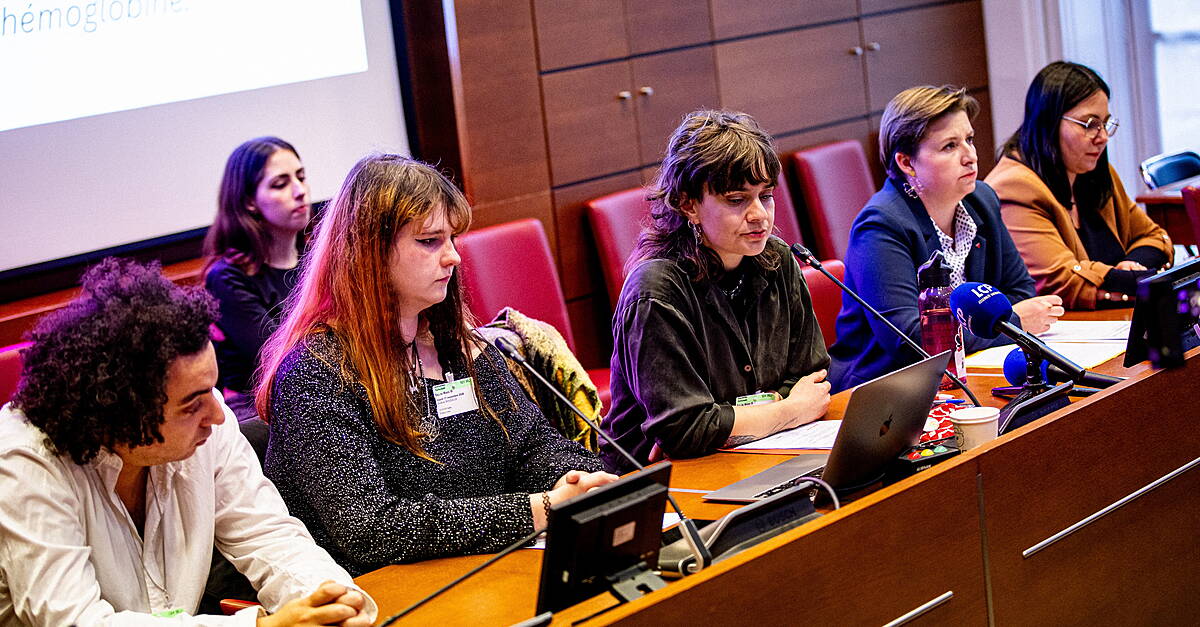
A major-media report says French police fired about 22,000 tear gas grenades during nationwide protests on 17 October. It also reports that Naima Di Piero experienced heavy bleeding two days after tear gas exposure, but the account does not establish medical causation or the scale of protest-related injuries. Other supplied claims describe a 24-hour school-worker strike without identifying the country, and dockworker action at ports in 22 countries against arms shipments to Israel. Neither establishes a joint austerity strike involving France, Italy, Portugal and Albania. The evidence does not substantiate the reported Paris arrest and injury totals.
Change from previous assessment
Since the prior brief, a major-media report adds a specific account of French police firing about 22,000 tear gas grenades during protests on 17 October and reports one individual health complaint after exposure. This strengthens the evidence for protest-related police use of tear gas, but does not verify the claimed Paris arrest and injury totals. The assessment that a coordinated general strike across France, Italy, Portugal and Albania is unsubstantiated remains unchanged.
Key judgments
- A coordinated general strike across France, Italy, Portugal and Albania in the next 14 days is unlikely on the supplied evidence. The school-worker strike report names no country, while the dockworker report describes action against arms shipments to Israel, not austerity; neither identifies a joint call by unions in the four countries. Both reports have weak sourcing. (Confidence: low · ASSESSED)
- I&W: Union confederations in France, Italy, Portugal and Albania publish dated notices naming the same strike period and shared austerity or student demands. (0-14 days)
- I&W: Published notices or statements from the four countries show separate local or sectoral actions, with no joint date or common call. (0-14 days)
- French police fired about 22,000 tear gas grenades at protesters during nationwide protests on 17 October, according to one major-media report. The report equates the figure to about two grenades every three seconds over 10 hours; no independent count is supplied here. (Confidence: medium · REPORTED)
- I&W: French police release an inventory or other records that support a total near 22,000 grenades for 17 October. (0-14 days)
- I&W: A French police accounting or independent review gives a materially different total, or clarifies that 22,000 was not a count of grenades fired that day. (0-3 months)
- The supplied reporting does not substantiate more than 1,200 arrests in Paris or hundreds of people injured. It reports one individual health complaint after tear gas exposure, but that account does not establish that tear gas caused the symptoms or indicate the overall number of injuries. (Confidence: low · ASSESSED)
- I&W: French police or judicial authorities publish arrest and injury totals for the 17 October protests that support the stated Paris figures. (0-14 days)
- I&W: Published French arrest and injury totals for the protests are materially below the stated figures. (0-14 days)
Outlook & scenarios
Protests and labour actions remain separate (70%)
Over the next 14 days, the reported French protests and any school or dockworker actions remain separate events, with no verified joint strike call across France, Italy, Portugal and Albania. This is the most likely scenario on the available evidence.
A cross-border strike call is documented (15%)
Union confederations in the four countries publish matching strike dates and shared demands within the next 14 days. This is unlikely on the supplied evidence, but would materially change the assessment of continental coordination.
French protests resume with heavy police use of tear gas (10%)
French protests recur and police again use tear gas on a large scale within the next 14 days. This is an unlikely scenario: the supplied reporting describes heavy use on 17 October but provides no evidence of a fresh mobilisation.
Low-probability, high-impact multi-sector disruption (5%)
Separate school-worker and dockworker actions align with a broader strike call, producing concurrent disruption across more than one sector and country. The current reports do not establish that alignment; the scenario depends on confirmation of the low-reliability strike claims.
Recommendations
- Do not present a four-country general strike, more than 1,200 Paris arrests or hundreds of injuries as confirmed. Label each as unverified until independently corroborated.
- Seek dated strike notices from union confederations in France, Italy, Portugal and Albania. Record the signatories, locations, demands and stated duration before treating separate actions as coordinated.
- Request French police or judicial figures for arrests and injuries on 17 October, and seek the underlying basis for the reported 22,000-grenade count.
- Track the school-worker and dockworker reports separately from anti-austerity mobilisation. The supplied claims describe different sectors and, in the dockworker report, a different stated cause.
Confidence & uncertainty
Overall confidence is low because the France-specific reporting on tear gas and an individual health complaint comes from one major-media report, without independent corroboration in the supplied material. The apparent strike evidence is weaker: one claim is from social media and does not name a country, while the multi-country dockworker claim comes from a blog and concerns arms shipments. No supplied reporting confirms the Paris arrest or injury totals or a joint call by unions in the four countries.
Alternative analysis (red cell)
The evidence does not justify a directional estimate that a four-country general strike is unlikely; it more narrowly shows that the supplied reports do not confirm one. Claim 8a625f07-04a5-42ca-8d93-f0088652dd54 is geographically unspecified, while claim 1afde604-2ca7-45ee-a074-ca213a10314e documents substantial cross-border labor coordination, leaving the proposed event's probability indeterminate rather than clearly low. Additional reporting on country, union participation, demands, and coordination is required.
Intelligence gaps
- [EEI 1.1 · PARTIAL] Confirmed dates, locations and participating unions or student organizations for planned general-strike actions in each country. Recommended collection: open-source/social media
- [EEI 1.2 · PARTIAL] Strike participation rates, public-transport cancellations, school or university closures, and interruptions to ports, airports, energy facilities or other critical services. Recommended collection: government/transport reporting
- [EEI 1.3 · PARTIAL] Protest attendance, arrests, injuries, property damage and police deployments during successive mobilization days. Recommended collection: law-enforcement/local media
- [EEI 1.4 · PARTIAL] Evidence that protest organizers are coordinating common demands, slogans, dates, funding or operational guidance across national borders. Recommended collection: open-source/social media
- [EEI 2.1 · PARTIAL] Announced or implemented policy concessions involving austerity measures, education funding, pensions, wages or youth employment. Recommended collection: government statements
- [EEI 2.2 · PARTIAL] Changes in crowd-control rules, emergency powers, detention practices, police reinforcements or restrictions on demonstrations. Recommended collection: official/legal reporting
- [EEI 2.3 · UNCOVERED] Public statements by Macron, Rama, the Italian government and other senior officials characterizing the protests or rejecting negotiations. Recommended collection: official statements
- [EEI 2.4 · UNCOVERED] Negotiation schedules, mediation efforts or breakdowns between governments and trade-union or student representatives. Recommended collection: labor/government reporting
- [EEI 3.1 · UNCOVERED] Named organizations issuing mobilization calls, with verified membership, geographic reach and turnout at prior actions. Recommended collection: open-source/organizational websites
- [EEI 3.2 · PARTIAL] Trade-union confederation decisions on strike mandates, rolling strikes, sector-wide action or cross-border coordination. Recommended collection: trade-union statements
- [EEI 3.3 · PARTIAL] Student movement communications identifying coordinating committees, protest logistics, fundraising or links to established political parties. Recommended collection: social media/student networks
- [EEI 3.4 · UNCOVERED] Participation by violent fringe groups, organized football ultras or extremist networks, including evidence of weapons, incendiary devices or coordinated attacks. Recommended collection: law-enforcement reporting
- [EEI 4.1 · PARTIAL] Changes in retail activity, industrial output, freight movement, tourism bookings or financial-market indicators attributed to strike disruption. Recommended collection: economic/financial reporting
- [EEI 4.2 · UNCOVERED] War-risk or political-risk insurance premium changes, transport rerouting and business continuity warnings linked to protest activity. Recommended collection: commercial risk reporting
- [EEI 4.3 · UNCOVERED] Polling or verified public-opinion data showing support for the protests, governments or specific austerity demands. Recommended collection: polling/media reporting
- [EEI 4.4 · UNCOVERED] Resignations, coalition disputes, parliamentary no-confidence actions or electoral announcements triggered by the protest wave. Recommended collection: parliamentary/political reporting
Red cell review: PARTIAL DISSENT
TLP:CLEAR