TLP:CLEAR · Disclosure is not limited.
Europe protest wave: national unrest widens, strike coordination remains unverified
Time window: Last 1 day · Audience: General analyst · Type: Situation report · DTG: 2026-10-20 08:12Z · Overall confidence: HIGH
BLUF
Protests and serious disorder are reported in France, Italy and Albania, while housing protests have also spread in Portugal. The reporting identifies separate national strike dates and a single-source call for a 12-country student strike, but does not establish a coordinated general strike across France, Italy, Portugal and Albania.
Executive summary
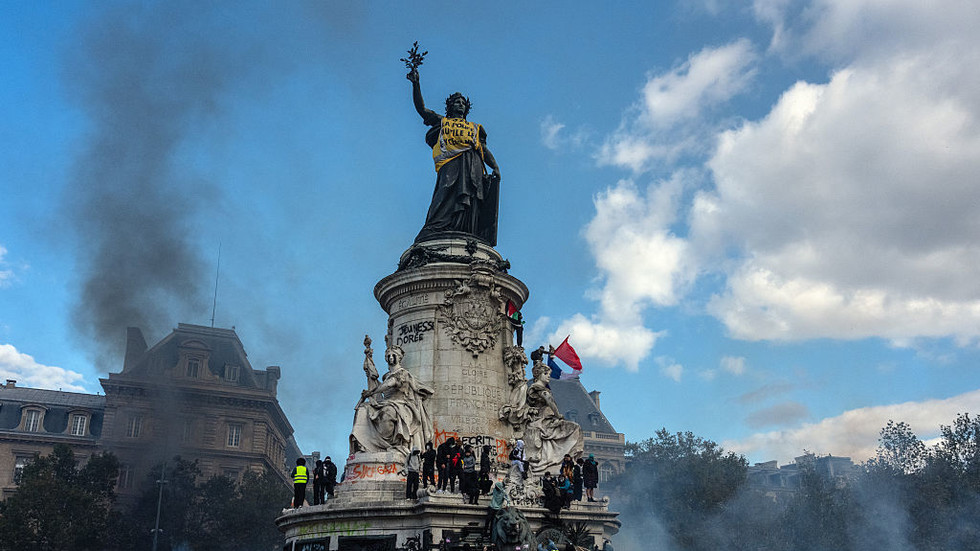
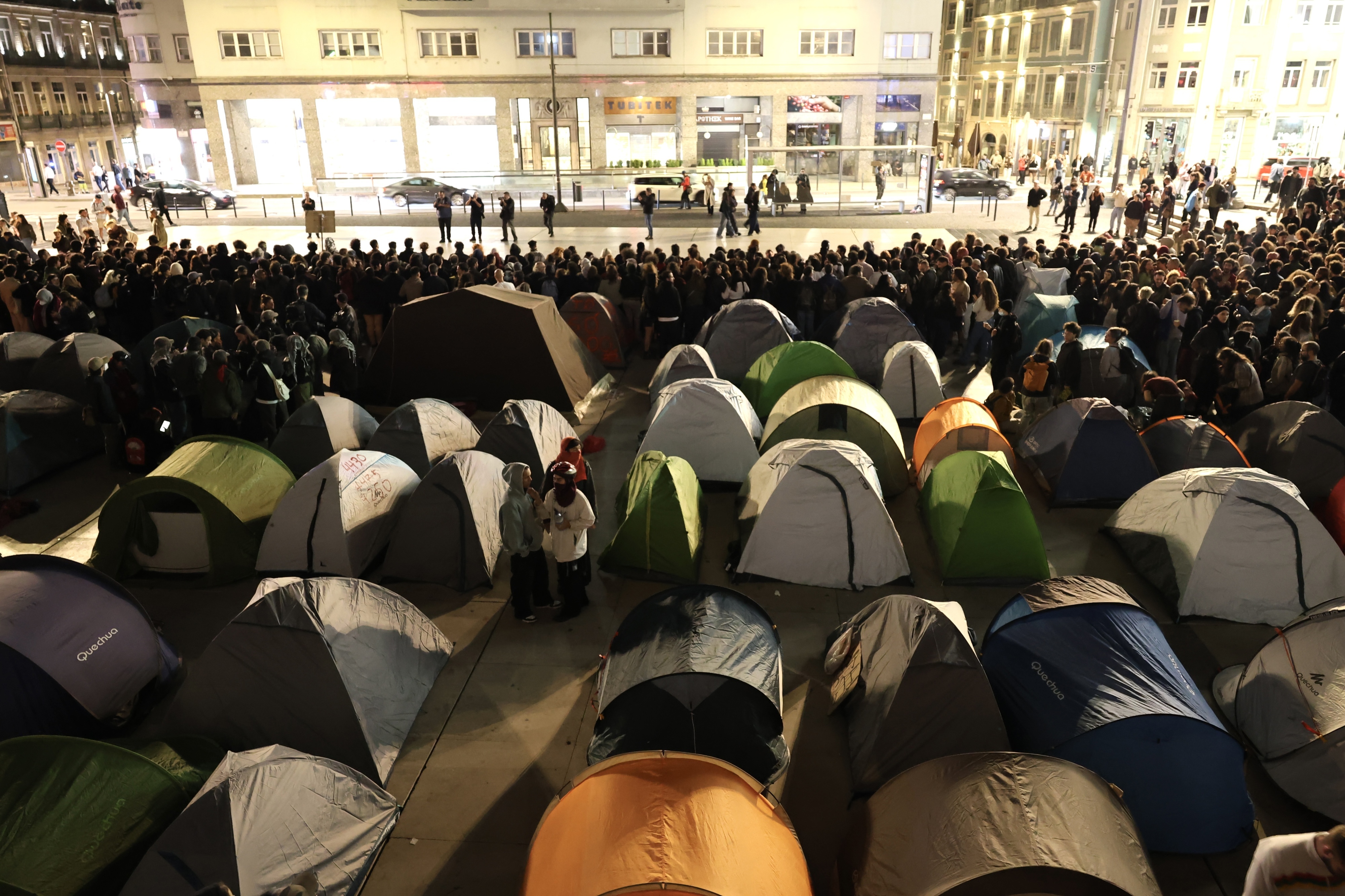
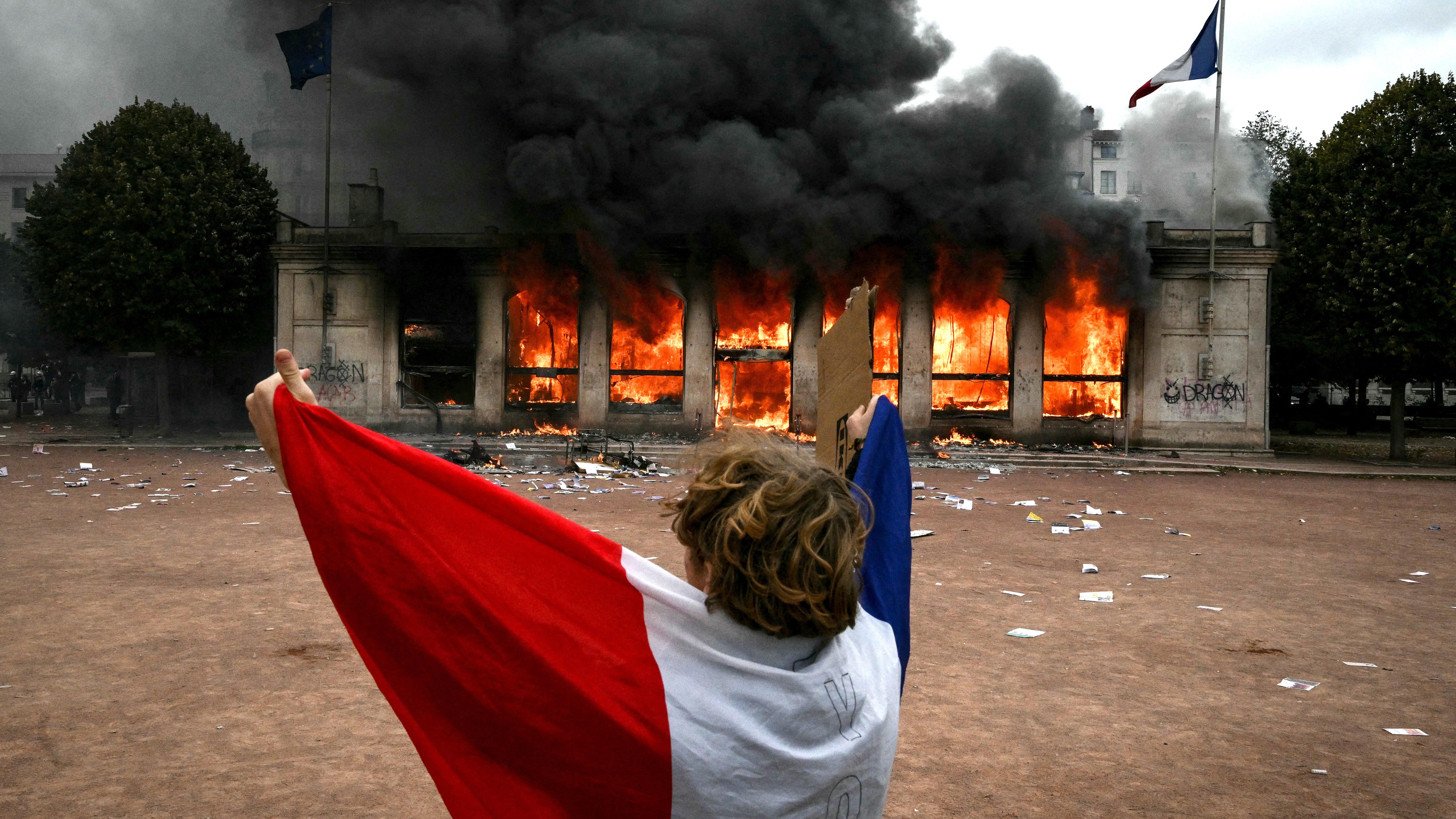
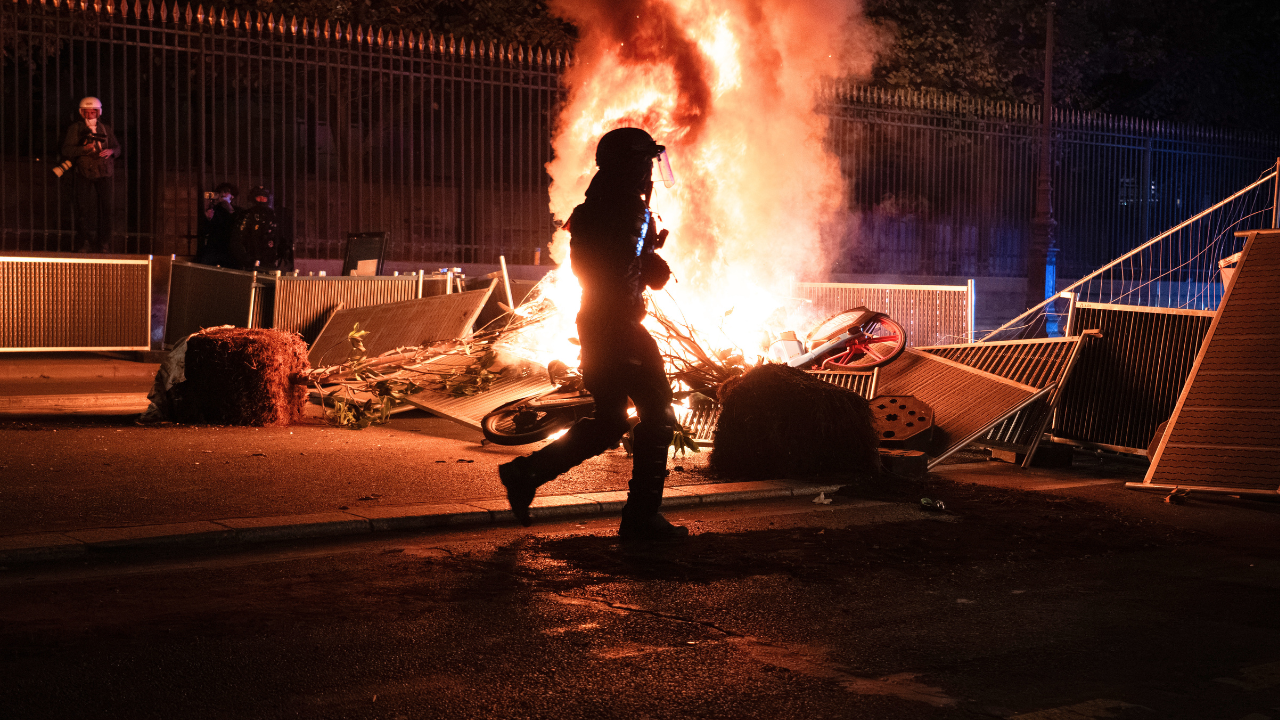
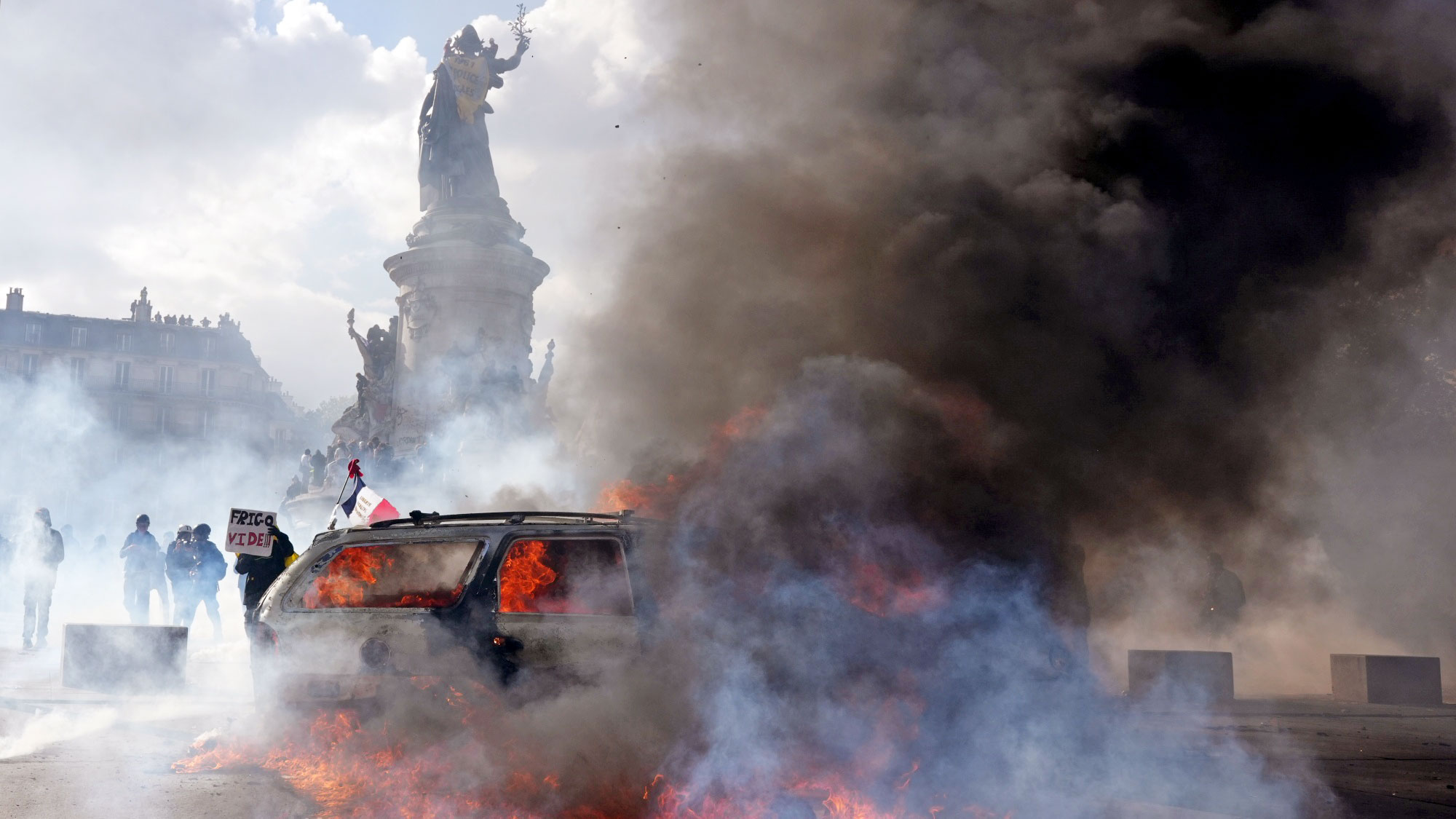
The protest wave has widened from France to Italy, Albania and Portugal, but the stated grievances and forms of mobilisation differ by country. In France, the Interior Ministry put turnout on 17 October at about 550,000, compared with more than 800,000 claimed by a union; authorities reported nearly 2,400 arrests and nearly 1,000 injured police officers and gendarmes, although other injury figures differ in scope or timing. Local curfews were followed by a reported quiet night, and organisers have announced another protest day for Saturday. In Milan, violence and looting prompted the Italian government to announce a deployment of 500 soldiers. Tirana has seen successive days of clashes, with official injury totals differing on the number of injured police officers. In Portugal, police dismantled protest camps in Lisbon and Porto. The available evidence shows separate strike calls and a reported international student mobilisation, not a verified shared general strike across the four countries.
Change from previous assessment
Since the prior brief, reporting confirms violent unrest in Milan and successive days of clashes in Tirana, and documents Portuguese police clearing camps in Lisbon and Porto. France has imposed local curfews, with a quiet night reported after their introduction, while organisers have announced another protest day. The strike assessment is revised: a 28-organisation youth coalition is reported to have called for student action in 12 countries, but the evidence still does not establish a shared general strike across France, Italy, Portugal and Albania. The earlier French and Italian union dates remain separate, and the cross-border call has low confidence.
Key judgments
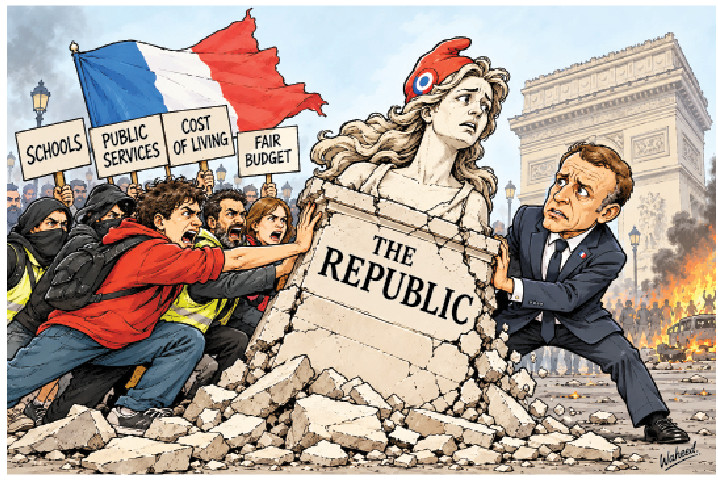
- It is almost certain that protests have occurred in France, Italy, Albania and Portugal, but the reporting does not support treating them as one centrally organised austerity movement. French demonstrations grew from school funding and staffing concerns into wider cost-of-living and public-service grievances; Italian protests focused on living costs and services; Albanian demonstrators have demanded action on corruption, better university conditions and Prime Minister Edi Rama's resignation; Portuguese encampments have focused on living conditions and housing. (Confidence: high · REPORTED)
- I&W: Confirmation: local authorities or major media document demonstrations in at least three of the four countries after 20 October, with country-specific demands still prominent. (0-14 days)
- I&W: Break: organisers in the four countries publish a joint platform, shared leadership structure and common mobilisation plan. (0-3 months)
- It is likely that French street mobilisation will recur over the next two weeks, although the curfews appear to have reduced overnight disorder in the areas where they were imposed. French unions have called strikes and marches for 5 November, and protest organisers have announced another protest day for the coming Saturday. The Interior Ministry's turnout and arrest figures are corroborated across major-media reporting, while turnout estimates and injury totals remain disputed or differ by reporting period and scope. (Confidence: medium · ASSESSED)
- I&W: Confirmation: police or local authorities report demonstrations, arrests or new restrictions during the announced Saturday mobilisation. (0-14 days)
- I&W: Break: organisers cancel the Saturday action and French authorities report no protest-related disorder or new restrictions through 5 November. (0-14 days)
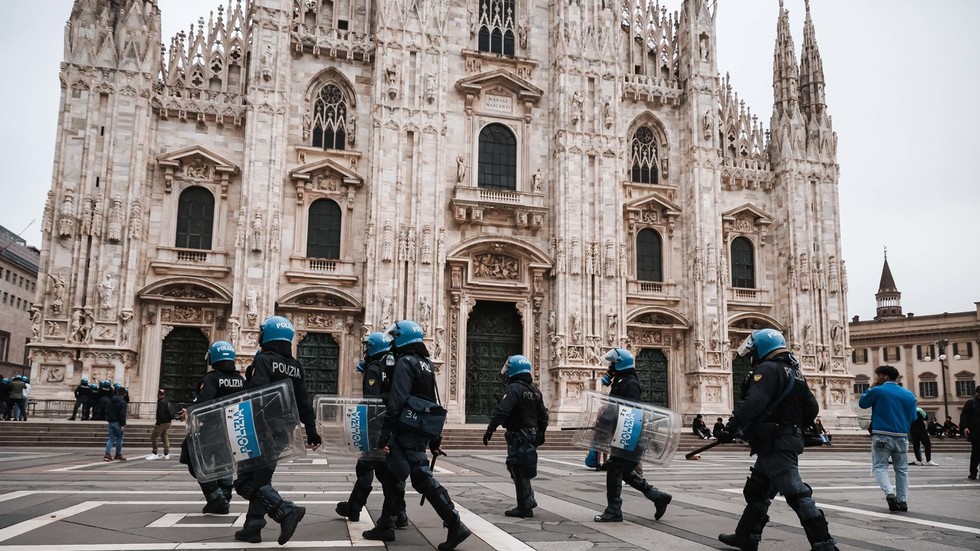
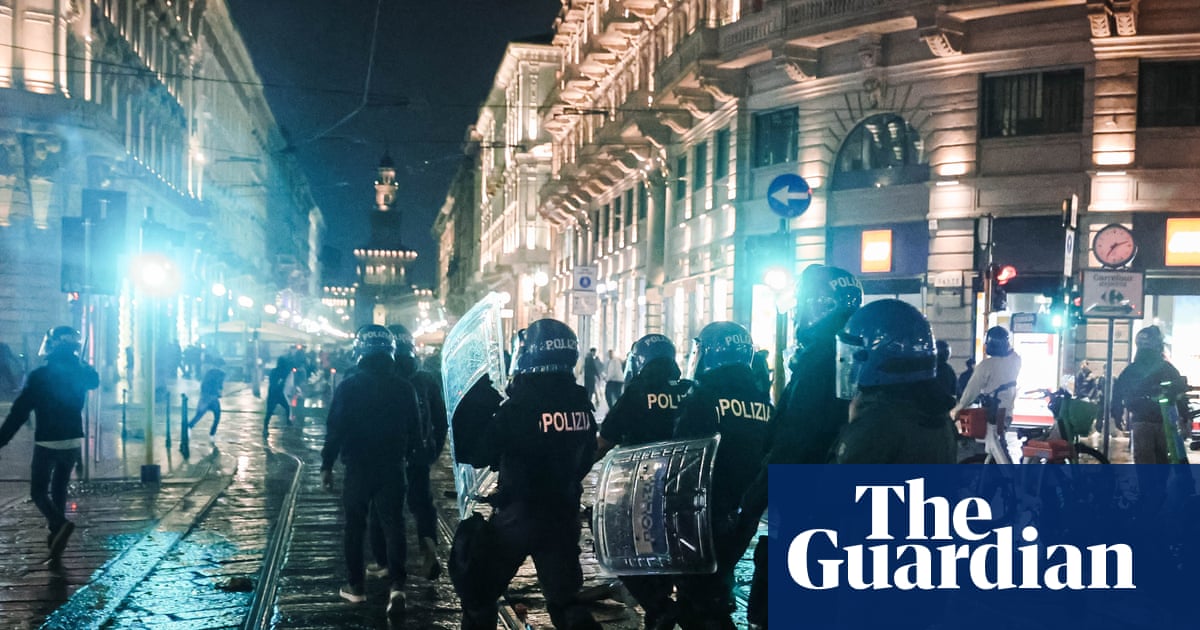
- It is likely that Milan will retain heightened security in the near term after two days of riots, looting and damage estimated by Milan prosecutors at more than €1 million. The Italian government has announced 500 soldiers for Milan. Police figures distinguish 271 people detained from 32 formally arrested, including 23 minors; reports describing most detainees as minors conflict with that detailed breakdown. (Confidence: medium · ASSESSED)
- I&W: Confirmation: Italian authorities deploy the announced 500 soldiers in Milan or announce additional security restrictions after a further protest-related incident. (0-14 days)
- I&W: Break: authorities confirm the deployment has ended and report no further riot-related arrests or property damage in Milan. (0-14 days)
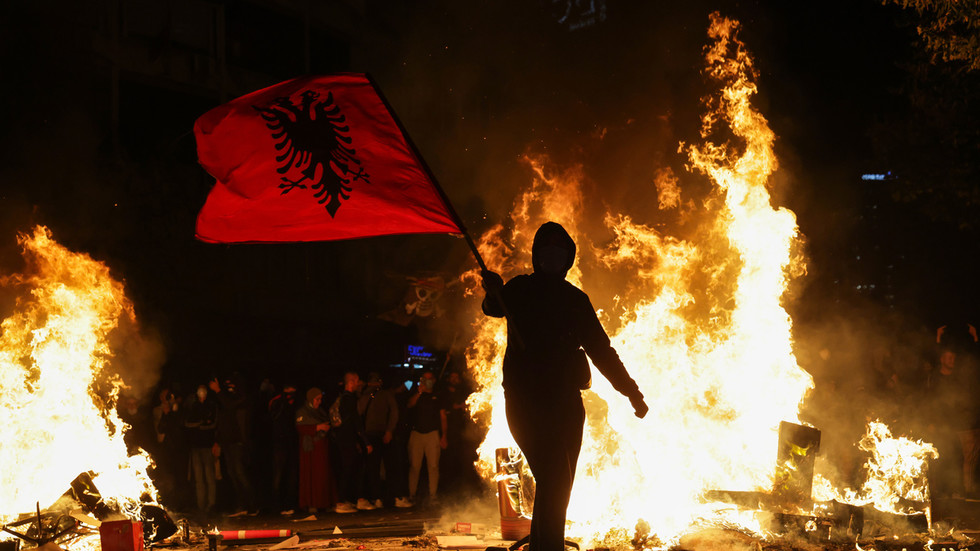
- It is likely that clashes and political pressure will continue in Albania over the next two weeks. Reports describe seven consecutive days of unrest in Tirana, attacks on government and police buildings, and protests in Lezhe, Vlore, Elbasan and Shkoder. Officials reported 295 people injured, but the reported number of injured police officers differs, 186 in one official account and 196 in another. Edi Rama's claims of foreign direction are political allegations, not evidence that the protests are externally organised. (Confidence: medium · ASSESSED)
- I&W: Confirmation: Albanian authorities or major media report new clashes, arrests or attacks on public buildings in Tirana or the four named provincial cities. (0-14 days)
- I&W: Break: Edi Rama's government and protest representatives announce talks, and police or media report seven consecutive days without clashes or attacks. (0-14 days)
- It is unlikely that the available reporting establishes a coordinated general strike across France, Italy, Portugal and Albania. French unions have named 5 November and Italy's CGIL has named 20 November; a call by a coalition of 28 youth organisations for a student strike across 12 countries is reported by one source and lacks independent confirmation here. A Spanish union-section post refers to 11 November, while the Portugal reporting concerns protest camps rather than a strike call. Confidence is low because the cross-border student call is thinly corroborated and the national actions have different dates and organisers. (Confidence: low · ASSESSED)
- I&W: Confirmation: CGT, CGIL and named student coalition organisers publish a joint notice specifying a shared date and actions in at least France, Italy, Portugal and Albania. (0-14 days)
- I&W: Break: the coalition does not publish an independently verifiable country list or date, and national unions proceed with their separate announced dates. (0-14 days)
- It is likely that the French unrest will add to political and market pressure on Sébastien Lecornu's government, but the reporting does not establish that Emmanuel Macron's government is close to falling. France's public debt is reported at about 119% of GDP, and its 10-year bond yield reached 4.9% on 19 October. French political figures are already framing the disorder ahead of the 2027 presidential election; the extent to which this will change electoral support remains uncertain. (Confidence: medium · ASSESSED)
- I&W: Confirmation: French 10-year bond yields rise above 4.9% in subsequent market reporting, or Lecornu's government announces new budget concessions or security measures tied to the protests. (0-14 days)
- I&W: Break: subsequent reporting records lower French borrowing costs and no new government response or parliamentary challenge linked to the unrest. (0-3 months)
Outlook & scenarios
Continued national protests with localised disorder (55%)
This is the most likely near-term course. French demonstrations recur around the announced Saturday action and 5 November union call; Milan remains under heightened security; and Albanian protests continue around demands directed at Edi Rama's government. Portugal's housing mobilisation resumes after the Lisbon and Porto camp clearances. Actions remain organised mainly within national settings.
More cross-border youth coordination, but separate strike calendars (30%)
It is unlikely that the reported student coalition's call becomes a single union-led general strike across the four countries. It is more likely that student groups coordinate selected actions while French, Italian and Spanish labour organisations retain different dates and demands. Public confirmation of the coalition's country list and timetable would raise this scenario's probability.
High-impact escalation after a new major violent incident (10%)
This is an unlikely but high-impact scenario. A further major fire, a new serious injury event or a fatal incident in Limoges, Milan or Tirana would intensify political pressure and prompt tougher restrictions. A shared mobilisation response across countries would be an additional, currently unverified development.
Recommendations
- Verify the 12-country student strike claim directly against statements from the coalition, CGT and CGIL. Record separately the call's date, participating countries, planned actions and whether it is a student mobilisation or a general strike.
- Track the French Saturday protest announcement and the 5 November union action against prefecture notices, local police statements and reports of arrests or curfews. Keep turnout, detention, formal arrest and injury figures in separate categories.
- For Milan, seek confirmation of the 500-soldier deployment and use the police breakdown of 271 detained and 32 formally arrested unless a later official update revises it. Do not repeat claims that most detainees were minors without corroboration.
- Monitor Tirana and Lezhe, Vlore, Elbasan and Shkoder for new clashes, public-building attacks and changes in official injury totals. Treat Edi Rama's claims of foreign involvement as unverified unless supported by independent evidence.
- Assess French political and market pressure separately: compare subsequent bond-yield reporting with government budget statements and specific parliamentary developments rather than inferring an imminent government crisis from protest activity alone.
Confidence & uncertainty
Overall confidence is high for the core situation: major-media reporting and official figures corroborate mass mobilisation in France, violent unrest in Milan and Tirana, and protest activity in Portugal. Confidence is lower for exact turnout and injury totals where figures differ, for the motives and extent of coordination across countries, and especially for the reported 12-country student strike call, which lacks independent confirmation in the available reporting.
Intelligence gaps
- [EEI 1.1 · PARTIAL] Confirmed dates, locations and participating unions or student organizations for planned general-strike actions in each country. Recommended collection: open-source/social media
- [EEI 1.2 · PARTIAL] Strike participation rates, public-transport cancellations, school or university closures, and interruptions to ports, airports, energy facilities or other critical services. Recommended collection: government/transport reporting
- [EEI 1.4 · PARTIAL] Evidence that protest organizers are coordinating common demands, slogans, dates, funding or operational guidance across national borders. Recommended collection: open-source/social media
- [EEI 2.1 · PARTIAL] Announced or implemented policy concessions involving austerity measures, education funding, pensions, wages or youth employment. Recommended collection: government statements
- [EEI 2.4 · UNCOVERED] Negotiation schedules, mediation efforts or breakdowns between governments and trade-union or student representatives. Recommended collection: labor/government reporting
- [EEI 3.1 · PARTIAL] Named organizations issuing mobilization calls, with verified membership, geographic reach and turnout at prior actions. Recommended collection: open-source/organizational websites
- [EEI 3.3 · PARTIAL] Student movement communications identifying coordinating committees, protest logistics, fundraising or links to established political parties. Recommended collection: social media/student networks
- [EEI 3.4 · PARTIAL] Participation by violent fringe groups, organized football ultras or extremist networks, including evidence of weapons, incendiary devices or coordinated attacks. Recommended collection: law-enforcement reporting
- [EEI 4.1 · PARTIAL] Changes in retail activity, industrial output, freight movement, tourism bookings or financial-market indicators attributed to strike disruption. Recommended collection: economic/financial reporting
- [EEI 4.2 · PARTIAL] War-risk or political-risk insurance premium changes, transport rerouting and business continuity warnings linked to protest activity. Recommended collection: commercial risk reporting
- [EEI 4.3 · UNCOVERED] Polling or verified public-opinion data showing support for the protests, governments or specific austerity demands. Recommended collection: polling/media reporting
- [EEI 4.4 · UNCOVERED] Resignations, coalition disputes, parliamentary no-confidence actions or electoral announcements triggered by the protest wave. Recommended collection: parliamentary/political reporting
Red cell review: CONCUR WITH COMMENT
TLP:CLEAR