TLP:CLEAR · Disclosure is not limited.
Europe protests: France turnout falls, local disorder persists
Time window: Last 1 day · Audience: General analyst · Type: Situation report · DTG: 2026-10-24 14:40Z · Overall confidence: HIGH
BLUF
France’s 24 October demonstrations drew a lower turnout than the previous Saturday by the government’s count, although police reported 135 arrests and confrontations in several cities. Protests also took place in Italy and Albania, but the reporting does not establish a coordinated general strike spanning France, Italy, Portugal and Albania.
Executive summary
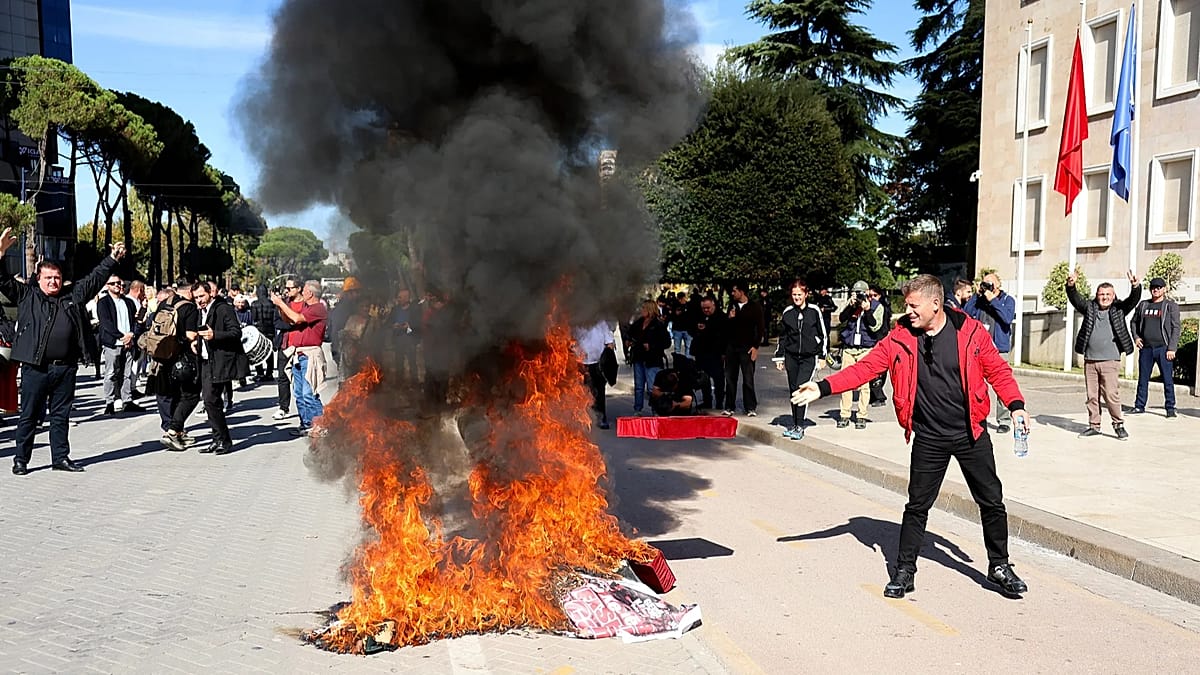
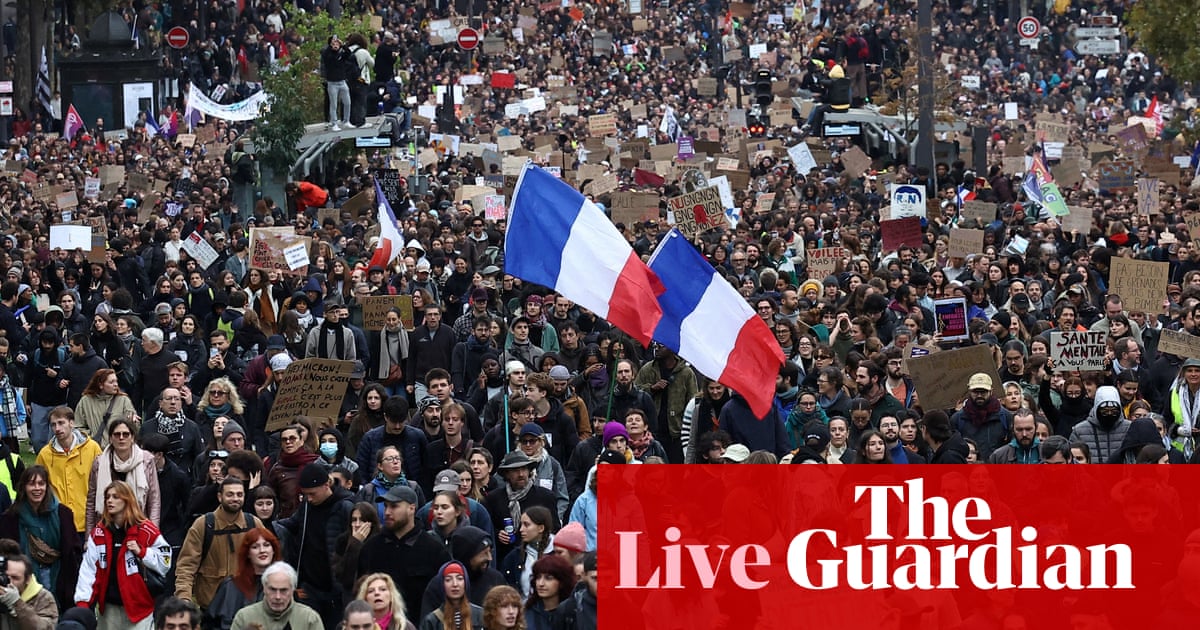
Demonstrations in France on 24 October were smaller than the previous Saturday according to Interior Minister Laurent Nuñez, who reported about 35,000 participants, down from 60,000, and 136 public street actions. Police reported 135 arrests by early afternoon. Tear gas was used in Lyon and Clermont-Ferrand, while a large Paris march proceeded on a restricted route. In Italy, local reporting described clashes in Milan, Turin and Bologna and about 50 detentions in Milan. In Tirana, demonstrators threw rocks at the Ministry of Education and officers; Edi Rama said his government would respond to public concerns within hours or days. Strike calls reported for France, Spain and Italy are separate national actions, not evidence of a shared four-country strike. The supplied reporting does not establish Portugal’s participation in a strike or current-day mobilisation.
Change from previous assessment
Since the 23 October brief, the planned French demonstrations have taken place. The latest official count is about 35,000 participants, below the previous Saturday’s 60,000, with 135 arrests reported and confrontations in Lyon and Clermont-Ferrand. Italian protests and clashes in Milan, Turin and Bologna are now reported, and Tirana saw renewed demonstrations around the Ministry of Education. The assessment that a coordinated France, Italy, Portugal and Albania general strike is not established remains unchanged; reported national strike calls provide more detail, but not evidence of four-country coordination.
Key judgments
- The 24 October demonstrations in France were smaller than the previous Saturday by the government’s count, but local confrontations continued. Laurent Nuñez reported about 35,000 participants, compared with 60,000 the previous Saturday, and 136 public street actions, down from 264. Another report described the same figure of 136 as public order incidents, so the precise meaning of that metric remains unsettled. Police reported 135 arrests by early afternoon; reports also describe tear gas use against demonstrators in Lyon and Clermont-Ferrand. (Confidence: medium · REPORTED)
- I&W: A final French government tally remains below 60,000 participants and confirms fewer public actions than the previous Saturday. (0-3 days)
- I&W: An independently documented nationwide count materially exceeds 60,000 participants, breaking the reported comparison. (0-3 days)
- Further French mobilisation over the next 14 days is likely. Jean-Luc Mélenchon said protests would continue weekly until Emmanuel Macron addressed public demands, and reporting identifies a French union general-strike call for 5 November. This indicates continued mobilisation, but does not establish the scale of future turnout or that a strike will be broadly observed. (Confidence: medium · ASSESSED)
- I&W: UNEF or CGT publishes a dated mobilisation notice for France before or on 5 November. (0-14 days)
- I&W: UNEF and CGT withdraw their next mobilisation notices and no new French demonstration is reported by 7 November. (0-14 days)
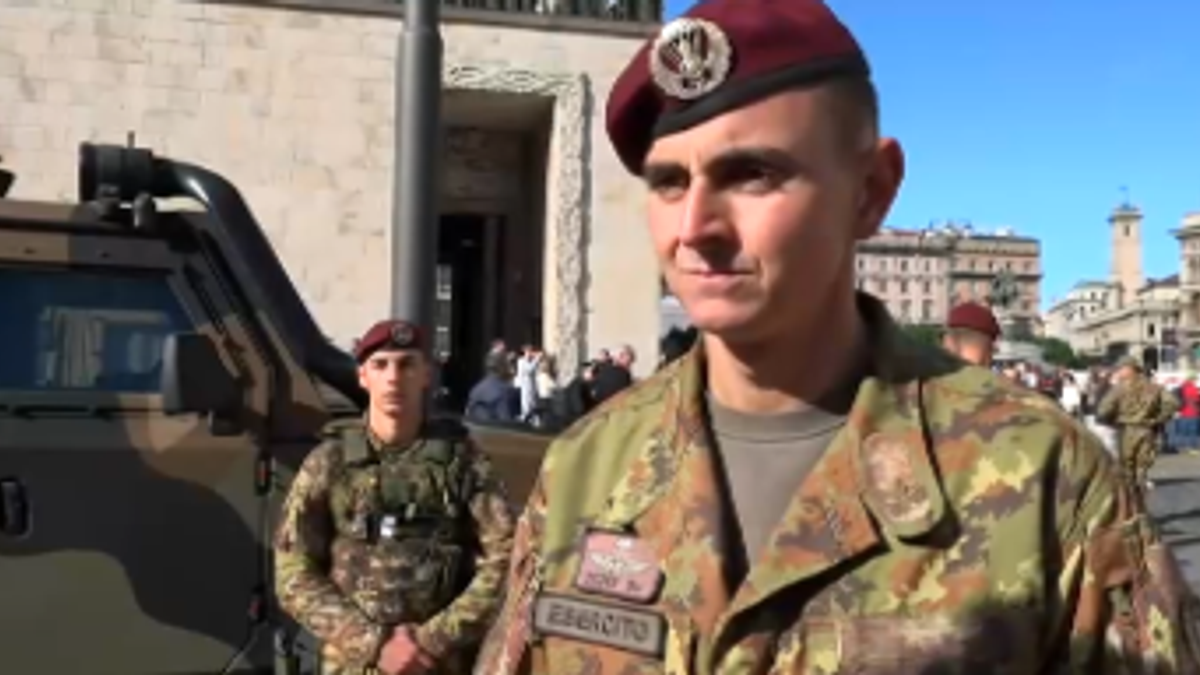
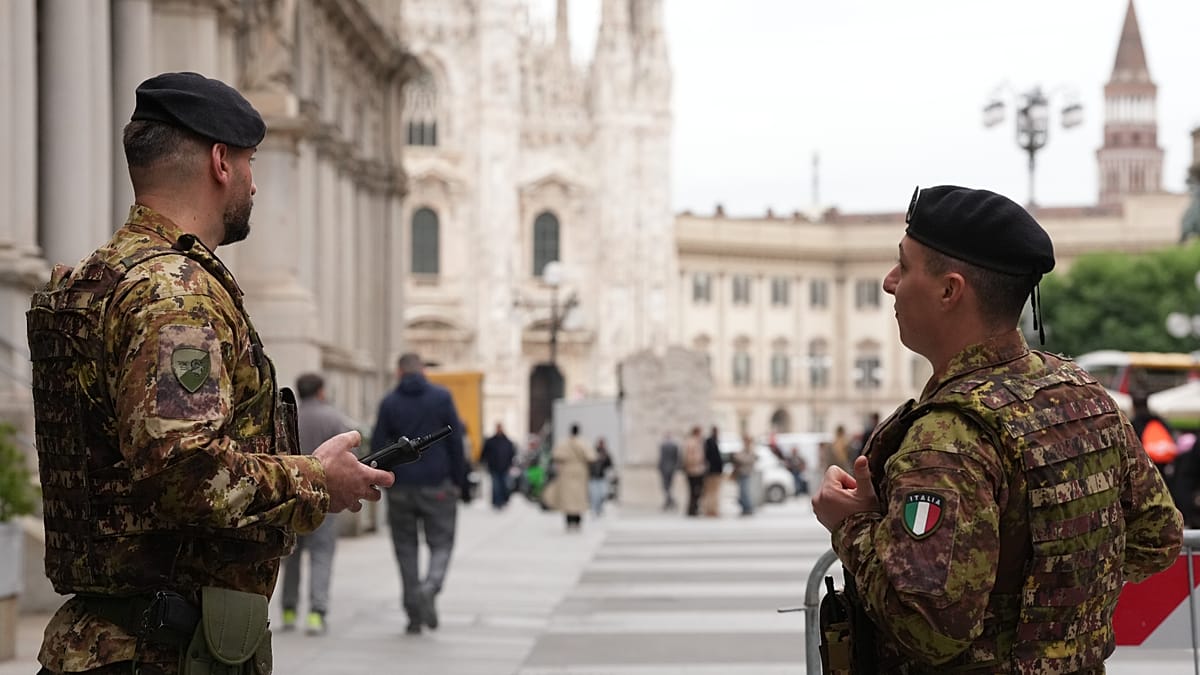
- There is roughly an even chance of further protest-related clashes in Milan, Turin or Bologna over the next 14 days. Local reporting describes clashes in all three cities on 24 October and about 50 detentions in Milan; Italian authorities have also deployed 500 soldiers to Milan. The forecast rests partly on local-media reporting, and the supplied material does not identify a confirmed next protest date. (Confidence: low · ASSESSED)
- I&W: Police or local media report a new protest-related clash or detention in Milan, Turin or Bologna. (0-14 days)
- I&W: No further protest-related clash or detention is reported in those three cities by 7 November. (0-14 days)
- Further protests in Tirana over the next 14 days are likely. Demonstrators threw rocks at the Ministry of Education and officers, while Albanian Rapid Intervention Forces and a water cannon were deployed nearby. Edi Rama promised a government response within hours or days. Reports identify both student mobilisation and Democratic Party supporters, but do not establish whether these were parts of one movement or overlapping actions; the movement’s origins and cohesion therefore remain uncertain. (Confidence: medium · ASSESSED)
- I&W: A further student gathering at the Ministry of Education or another anti-government rally in Tirana is announced or reported. (0-14 days)
- I&W: Rama publishes the promised response and no further gathering or confrontation in Tirana is reported by 7 November. (0-14 days)
- A coordinated general strike spanning France, Italy, Portugal and Albania is unlikely by 20 November. The supplied reporting identifies French and Spanish union strike calls for 5 and 11 November, respectively. A 20 November general-strike call by Italy’s CGIL and the reported refusal of CISL and UIL to join rely on social-media reporting. A report of 55 arrests at a protest in Lisbon describes neither a Portuguese strike call nor participation in a common action; no supplied claim establishes Albanian union participation. (Confidence: low · ASSESSED)
- I&W: Trade unions in Portugal and Albania publish formal notices joining a common strike date with unions in France and Italy. (0-1 month)
- I&W: By 20 November, no formal Portuguese or Albanian union notice joins the reported national actions, and CISL and UIL maintain their stated refusal to participate in the CGIL call. (1-3 months)
Outlook & scenarios
Separate national actions continue (55%)
Protests recur in France, Italy and Albania, but national grievances and separate union calls continue to shape activity. Localised clashes remain more likely than a shared, continent-wide general strike.
Strike coordination expands unevenly (25%)
Union organisations in additional countries issue formal notices linked to the French, Spanish or Italian dates. Participation remains uneven, and the available reporting does not support treating the actions as a single European strike.
Government responses reduce mobilisation (15%)
Macron’s education commitments and Rama’s promised response address some immediate grievances. Demonstrations become less frequent, although the supplied reporting does not establish that these measures will satisfy protest groups.
High-impact escalation (5%)
A repeat of the severe violence reported in France on 17 October coincides with renewed confrontations in Tirana. Further property damage, injuries or restrictive public-order measures raise pressure on the French and Albanian governments.
Recommendations
- Track official notices from CGT, CGIL, CISL and UIL, as well as Portuguese and Albanian union organisations, before describing the actions as coordinated. Record the issuing organisation, date, scope and whether other confederations endorse the call.
- For France, keep turnout, public-action counts, arrests and injuries as separate measures. Attribute the 35,000 and 136 figures to the French authorities and retain the caveat that reports describe the 136 figure using different terms.
- Monitor local police and municipal reporting in Milan, Turin, Bologna and Tirana for new demonstrations, arrests, injuries and changes to protest restrictions over the next 14 days.
- Keep the student and opposition activity in Tirana analytically distinct unless reporting establishes common organisers or demands. Follow through on whether Edi Rama publishes the response he promised.
Confidence & uncertainty
Confidence is high in the broad picture: multiple major-media and wire-service reports document the French demonstrations, while contemporaneous major-media reporting describes protest activity in Italy and Albania. Confidence is lower in precise turnout and incident metrics where official terminology differs, in forecasts based on local or single-source reporting, and in claims of cross-border strike coordination. The supplied reporting does not corroborate a common four-country strike.
Alternative analysis (red cell)
For judgment 2, the available reporting confirms recent clashes but does not support an even-chance estimate for renewed violence without a known protest date; the risk is better treated as indeterminate. For judgment 4, the reporting shows no established four-country coordination, but it also lacks sufficient evidence to conclude that such coordination is unlikely. The supplied claims support uncertainty about both forecasts more strongly than they support the stated directional assessments.
Intelligence gaps
- [EEI 1.2 · PARTIAL] Strike participation rates, public-transport cancellations, school or university closures, and interruptions to ports, airports, energy facilities or other critical services. Recommended collection: government/transport reporting
- [EEI 1.4 · UNCOVERED] Evidence that protest organizers are coordinating common demands, slogans, dates, funding or operational guidance across national borders. Recommended collection: open-source/social media
- [EEI 2.1 · PARTIAL] Announced or implemented policy concessions involving austerity measures, education funding, pensions, wages or youth employment. Recommended collection: government statements
- [EEI 3.1 · PARTIAL] Named organizations issuing mobilization calls, with verified membership, geographic reach and turnout at prior actions. Recommended collection: open-source/organizational websites
- [EEI 3.2 · PARTIAL] Trade-union confederation decisions on strike mandates, rolling strikes, sector-wide action or cross-border coordination. Recommended collection: trade-union statements
- [EEI 3.3 · PARTIAL] Student movement communications identifying coordinating committees, protest logistics, fundraising or links to established political parties. Recommended collection: social media/student networks
- [EEI 3.4 · PARTIAL] Participation by violent fringe groups, organized football ultras or extremist networks, including evidence of weapons, incendiary devices or coordinated attacks. Recommended collection: law-enforcement reporting
- [EEI 4.1 · PARTIAL] Changes in retail activity, industrial output, freight movement, tourism bookings or financial-market indicators attributed to strike disruption. Recommended collection: economic/financial reporting
- [EEI 4.2 · UNCOVERED] War-risk or political-risk insurance premium changes, transport rerouting and business continuity warnings linked to protest activity. Recommended collection: commercial risk reporting
- [EEI 4.3 · UNCOVERED] Polling or verified public-opinion data showing support for the protests, governments or specific austerity demands. Recommended collection: polling/media reporting
- [EEI 4.4 · PARTIAL] Resignations, coalition disputes, parliamentary no-confidence actions or electoral announcements triggered by the protest wave. Recommended collection: parliamentary/political reporting
Red cell review: PARTIAL DISSENT
TLP:CLEAR