TLP:CLEAR · Disclosure is not limited.
Europe: Russia-linked hybrid activity exposed in Italy as Allies harden defences
Time window: Last 1 day · Audience: General analyst · Type: Situation report · DTG: 2026-07-08 10:20Z · Overall confidence: MEDIUM
BLUF
Italy’s exposure of an alleged Russia-linked espionage ring, described by Rome as part of a hybrid war, confirms active hostile intelligence collection inside an EU member. NATO and European partners are accelerating precision-strike and undersea-protection efforts, and Russian air and maritime probing around northern Europe is likely to persist.
Executive summary
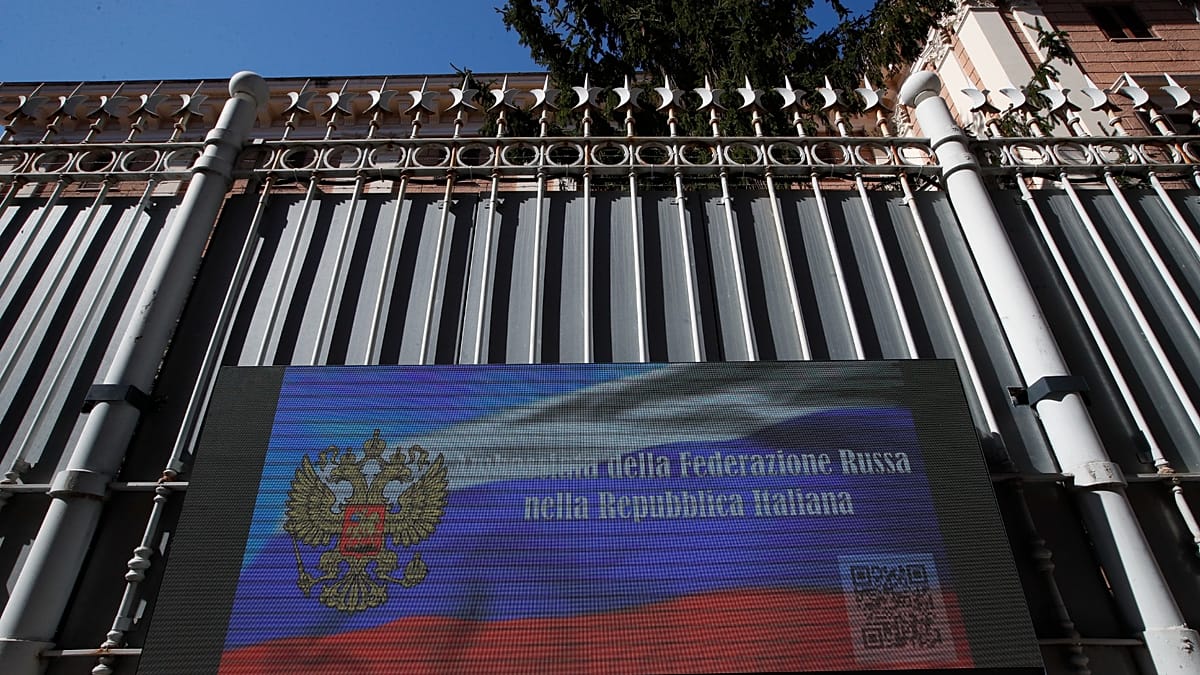
Italian authorities arrested two individuals in Rome, including a former intelligence officer, on allegations of passing classified material to a Russian agent with diplomatic immunity. The investigation, led since 2025 by the Carabinieri ROS with surveillance and device searches, implicates additional suspects and shows the accused drew on serving military sources, including in a Ministry of Defence cyber unit. Defence Minister Guido Crosetto characterised the case as part of a wider hybrid war and said it revealed Moscow’s attitude to Italy. As NATO leaders meet in Ankara, European states are expanding long-range strike programmes and undersea infrastructure protection, with Europeans taking greater leadership roles. Russian air and maritime probing around Allied airspace and UK waters has been frequent in recent years, sustaining risk to subsea cables. Meanwhile, Russia’s high-tempo strikes against Ukraine and domestic economic strains increase incentives for deniable, cost-effective hybrid activity against European targets.
Change from previous assessment
New, detailed reporting on the Rome espionage case provides concrete evidence of Russia-linked hybrid activity inside an EU member, allowing us to elevate the role of human intelligence and insider recruitment in the current threat picture. We add a new judgment about likely further exposures of insider or cyber-enabled collection in other EU states and maintain our view that Russian air and maritime probing will continue to pose risks to subsea infrastructure. European capability-build and leadership developments at NATO, and precision-strike industrialisation in Europe, strengthen the assessment that Allies are hardening against hybrid pressure. Initial assessment of this topic was provided previously; this update incorporates newly reported arrests and allied moves announced around the Ankara summit.
Key judgments
- Russia-linked intelligence collection inside Italy is active and has hybrid-warfare characteristics: Rome arrested two people, including a former intelligence officer, for passing classified material to a Russian agent with diplomatic immunity; the ROS-led probe has run since 2025 with surveillance and device searches, has placed additional suspects under investigation, and shows the accused drew on serving military sources, including in a Ministry of Defence cyber unit. Italy’s defence minister publicly framed the case as part of a hybrid war and said it revealed Moscow’s attitude to Italy. (Confidence: high · REPORTED)
- I&W: Prosecutors file formal espionage indictments detailing the Russian handler’s status and tradecraft. (0-14 days)
- I&W: Court filings or official statements reframe the affair as non-state criminality, downplaying state involvement. (1-3 months)
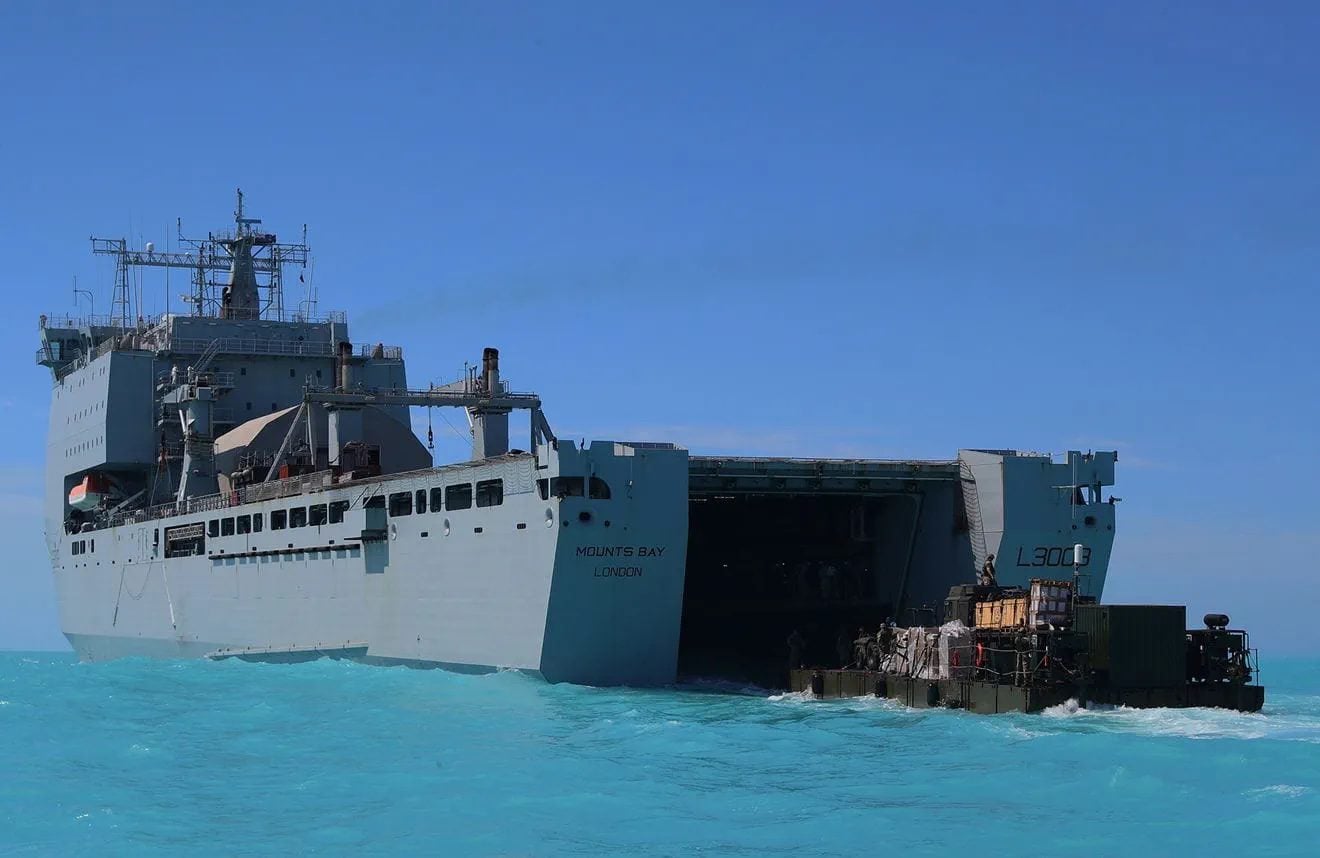
- European Allies are materially strengthening long-range strike and maritime command capacity to deter Russia, with greater European leadership, including new precision-strike investments, joint UK, Germany development, UK entry to the Precision Strike Missile effort, a UK, Netherlands amphibious ship programme, protection of critical undersea infrastructure, and a British commander taking NATO’s JFC Norfolk. (Confidence: high · REPORTED)
- I&W: Contract awards or programme milestones publicly announced for UK, Germany Deep Precision Strike, UK PrSM integration, or the UK, Netherlands amphibious ships. (1-3 months)
- I&W: Official delays or budget reallocations affecting these strike or maritime initiatives. (1-3 months)
- Russian air and maritime probing around Allied airspace and UK waters is likely to persist, sustaining elevated risk to air safety and to subsea cables and other offshore infrastructure. (Confidence: medium · ASSESSED)
- I&W: NATO reporting of additional fighter scrambles to intercept Russian aircraft and UK maritime advisories noting unusual Russian naval movements near cable corridors. (1-3 months)
- I&W: A sustained quarter-on-quarter decline in NATO scramble events and absence of UK notices on Russian naval presence near key offshore assets. (1-3 months)
- Further Russia-linked insider recruitment or cyber-enabled collection efforts are likely to be exposed in other EU states in the near term, although public attribution and detail may vary. (Confidence: low · ASSESSED)
- I&W: Arrests or expulsions announced in another EU capital alleging work for a Russian intelligence officer. (0-14 days)
- I&W: No comparable cases emerge and senior officials reduce hybrid-war rhetoric in public statements. (1-3 months)
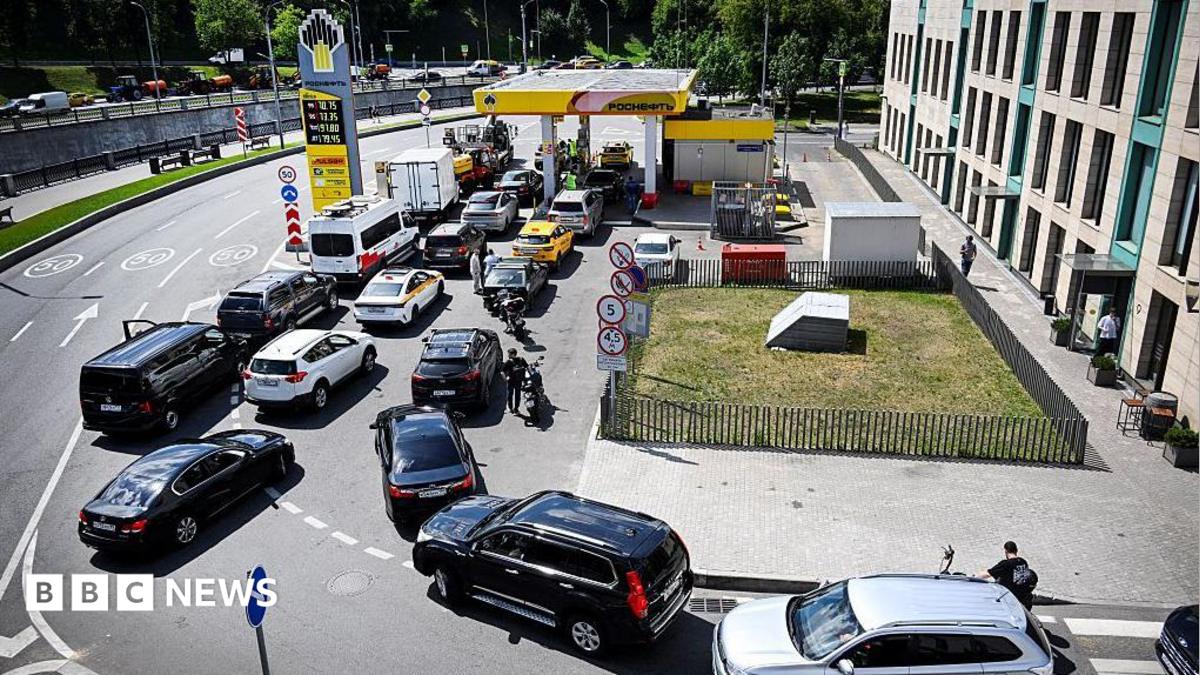
- Russia is likely to prioritise cost-effective hybrid tactics against European targets over overt kinetic actions on NATO territory, given ongoing high-tempo strikes against Ukraine and mounting domestic economic strains and fuel disruptions. (Confidence: low · ASSESSED)
- I&W: Deniable sabotage or cyber incidents against EU rail, energy or undersea infrastructure without overt Russian military attribution. (1-3 months)
- I&W: Direct Russian kinetic action initiated on NATO territory, superseding hybrid options. (1-3 months)
Outlook & scenarios
Rolling exposures and tighter counter-intelligence (50%)
Following Italy’s arrests, at least one other EU member announces arrests or expulsions linked to Russian intelligence-handling. Governments tighten insider-risk controls across defence and cyber units and increase expulsions of cover officers. Public messaging continues to frame such cases as part of hybrid pressure, and Allies accelerate undersea-protection and precision-strike initiatives.
Short-term pause in covert activity after blowback (30%)
Moscow scales back overtly risky human-intelligence activity in EU capitals after the Italian case, shifting to lower-signature cyber-enabled collection. Few additional arrests occur in the next quarter, but background probing continues. European capability-build and NATO coordination proceed regardless.
Undersea disruption in northern European waters (20%)
A deniable incident affects subsea communications or energy links in the North Sea or Baltic. Attribution remains contested, but Allied patrols intensify around cable and pipeline corridors. The UK, Netherlands cooperation on critical undersea infrastructure accelerates, and European public tolerance for risk-taking towards Russia narrows.
Recommendations
- Exploit the Rome case as a template: obtain and structure open court and prosecutorial materials, extract TTPs, cover names and contact chains, and build a watch-list for cross-referencing with open diplomatic rosters and defence-industry footprints.
- Prioritise OSINT coverage of European law-enforcement bulletins and parliamentary disclosures for signs of additional espionage arrests, expulsions or insider-risk reforms, with a rapid alerting workflow.
- Stand up an undersea infrastructure watch: fuse open maritime tracking with public notices from European authorities to flag unusual Russian naval activity near known cable and offshore energy corridors for analytic review.
- Track European capability-build indicators as resilience proxies: UK, Germany Deep Precision Strike milestones, UK entry to PrSM, UK, Netherlands amphibious programme deliverables, and European leadership moves at JFC Norfolk.
- Prepare a decision-support playbook with tripwires for escalation, such as additional EU espionage cases, unusual Russian air probing rates, or undersea incidents, and pre-drafted brief notes for senior consumers.
- Map defence and cyber units’ potential exposure to insider recruitment vectors highlighted by the Italian case and compile open best practices EU states are adopting to mitigate insider risk.
- Maintain an analytic line on Russian economic stress signals and war tempo as contextual drivers for hybrid tactics, integrating open indicators on fuel availability and fiscal pressures into Europe-focused hybrid threat assessments.
Confidence & uncertainty
Overall confidence is medium. The Italian espionage case rests on multiple corroborating major-media and official elements, including arrests, investigative leads, and ministerial statements that explicitly frame the activity as hybrid warfare. European defence initiatives and leadership moves are well sourced in official releases. Judgments on persistence of Russian probing draw on trend data that are not strictly current, and forward-looking assessments about spillover to other EU states and Russia’s tactical preferences are inferential, relying on context from war tempo and economic indicators rather than direct reporting. These gaps and the mixture of timeframes justify a medium headline confidence.
Alternative analysis (red cell)
The evidence supports that Italy is investigating alleged espionage and that European states are expanding strike and maritime capabilities, but the brief overstates how broadly the Italian case demonstrates a sustained Russia-directed insider campaign across the EU and overstates certainty about program delivery and strategic leadership shifts. Assertions tying Russian probing directly to persistent elevated threats to subsea infrastructure, and claims that Russia will prioritise hybrid over kinetic actions, are not uniquely supported; alternative readings (episodic probing, isolated recruitment, and continuation of mixed tactics) are plausible. Focused collection on legal filings, forensic device and financial data, program contracts/timelines, and time-series ISR would materially clarify these judgements.
Intelligence gaps
- [EEI 1.2 · UNCOVERED] Observed reconnaissance activity around critical sites indicative of attack planning (unauthorised drone flights, repeated surveillance visits, loitering vehicles, mapping/photography of assets). Recommended collection: open-source/media
- [EEI 1.3 · PARTIAL] Law-enforcement or customs seizures, arrests or interdictions of persons or shipments carrying explosives, sabotage tools, specialty cutting/electrical equipment, or covert comms gear destined for/near critical infrastructure. Recommended collection: law enforcement
- [EEI 2.1 · UNCOVERED] Emergence or amplification of coordinated social-media networks (sets of accounts, pages, channels) pushing identical narratives or hashtags across multiple platforms, including bot-like activity metrics and origin IP/common management indicators. Recommended collection: social-media/OSINT
- [EEI 2.2 · PARTIAL] Publication or internal guidance from state-run media, proxy outlets, or identified influence platforms distributing talking points, pre-scripted messaging, or translated content targeted at specific EU countries/communities. Recommended collection: open-source/media
- [EEI 2.3 · UNCOVERED] Distribution of manipulated multimedia (deepfakes), targeted phishing/whaling campaigns, or localized false narratives timed to political events (elections, protests, court rulings) with tracked reach and engagement metrics. Recommended collection: cyber/forensic
- [EEI 3.1 · UNCOVERED] Unusual financial transactions: wire transfers, crypto conversions, or payments to shell companies, NGOs or individuals exceeding typical baselines that link to known proxies or front organisations. Recommended collection: financial
- [EEI 3.2 · UNCOVERED] Travel and movement indicators for suspected operatives: repeated border crossings, chartered/irregular flights, booking patterns or mobile/location data placing identified individuals in staging areas shortly before incidents. Recommended collection: border/immigration
- [EEI 3.3 · PARTIAL] Cargo, freight or maritime movements with discrepancies (concealed/dual-use equipment, false manifests, unusual routing) detected at ports, rail hubs or via AIS that correspond to deliveries of material used in sabotage or influence operations. Recommended collection: customs/ports
- [EEI 3.4 · UNCOVERED] Intercepted or otherwise-obtained communications showing tasking, coordination, or payment instructions between Russian agencies/handlers and proxy groups, including identified command-and-control servers or encrypted group identifiers. Recommended collection: signals-intel/SIGINT
Cited sources
[1] jpost.com · Italy arrests two over alleged spying for Russia (B) · sha256:5a5e1f5ec2e8 [2] Euronews · В Риме арестованы два российских шпиона, бывшие сотрудники спецслужбы (A) · sha256:4b7ea85da603 [3] gov.uk · $50bn boost for European deep precision strike capabilities as UK leads new initiative (A) · sha256:10bdd61aeee5 [4] huffpost.com · NATO Meets In Turkey To Counter Putin From The East And Trump From The West (B) · sha256:a345f04a4ac5 [5] gov.uk · UK assumes crucial NATO command as European allies step up leadership within the alliance (A) · sha256:54c79df7b534 [6] gcaptain.com · UK, Netherlands Launch £2.4 Billion Amphibious Ship Partnership to Strengthen NATO (A) · sha256:19597933b368 [7] Yahoo News · Tuesday, July 7. Russia’s War On Ukraine: News And Information From Ukraine (A) · sha256:2a82e16d0b77 [8] BBC · Russian fuel shortages bite – but will Putin change tack in Ukraine war? (A) · sha256:fa17f23890d5 [9] aljazeera.com · Why have half a million Russians gone bankrupt amid Ukraine war? (A) · sha256:e9672e67fef9
Source content hashes were computed at collection time; the cited text is preserved unmodified for the life of this product.
Red cell review: PARTIAL DISSENT
TLP:CLEAR