TLP:CLEAR · Disclosure is not limited.
Europe: Russia-linked hybrid activity intensifies amid eastern‑flank hardening and EU sanctions frictions
Time window: Last 1 day · Audience: General analyst · Type: Situation report · DTG: 2026-07-17 12:41Z · Overall confidence: HIGH
BLUF
Russia-linked hybrid pressure on Europe remains elevated. Poland’s sabotage case tied to Russian intelligence, ongoing Russia-attributed cyber activity, and airspace probes around the Baltic coincide with UK, Estonia defence hardening, while EU splits over Arctic LNG create openings Moscow can exploit.
Executive summary
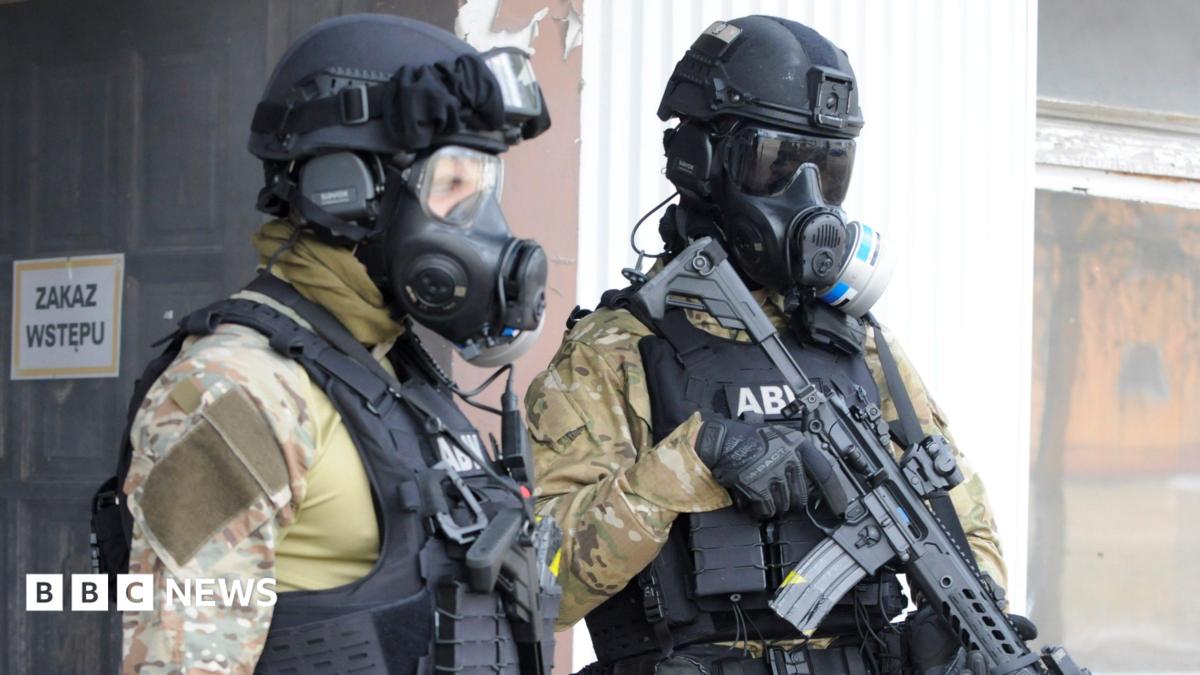
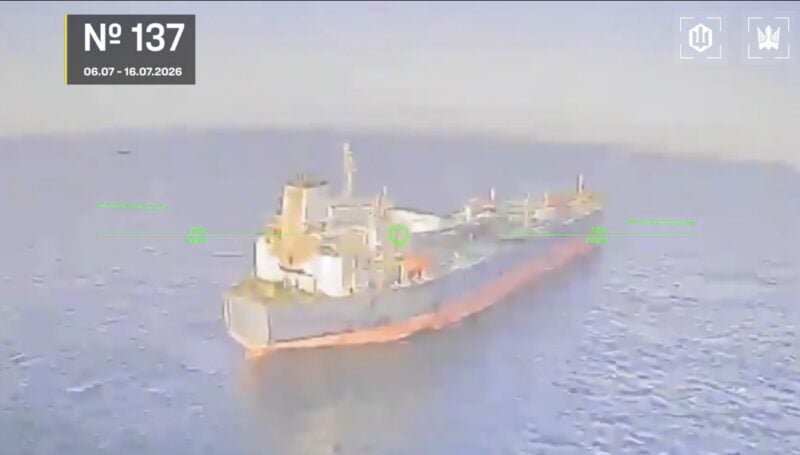
Europe is confronting concurrent hybrid threats attributed to Russia: prosecutors in Poland describe a sabotage campaign commissioned by Russian intelligence to inflame Polish‑Ukrainian tensions; allied and EU statements point to Russia-linked cyber operations targeting critical infrastructure; and officials warn of Kremlin preparations for provocations against NATO infrastructure as Polish forces intercept Russian Su‑30SM2 fighters from Kaliningrad. The UK and Estonia are accelerating deterrence measures, including pre‑positioned stocks, larger troop footprints and technology cooperation. At sea, Ukraine’s drone campaign against Russia’s maritime logistics is extensive and Moscow portrays it as “terrorism” to sway opinion, as international bodies decry attacks on merchant shipping. EU unity on energy sanctions is under strain after Greece blocked a package targeting Russian LNG flows, and Danish yard servicing of Arc7 carriers faces political pressure, leaving a policy seam Russia can leverage.
Change from previous assessment
Since the prior brief, Poland’s prosecution narrative details a Russia‑directed sabotage campaign to inflame Polish‑Ukrainian tensions, reinforcing our judgment on on‑the‑ground influence activity. Polish authorities reported intercepting two Russian Su‑30SM2 fighters from Kaliningrad, sharpening the eastern‑flank risk picture. The UK, Estonia roadmap was underlined by pre‑positioning and force‑structure plans. At sea, Ukraine’s Unmanned Systems Forces reported 11 vessels hit in one day and a Navy spokesperson said Azov fuel shipping was paralysed, while Russia framed the campaign as ‘terrorism’ and the IMO condemned attacks on merchant shipping. EU unity on LNG sanctions faltered as Greece blocked the package and sought Dynagas exemptions, adding a policy vulnerability. Initial assessment of this topic was expanded with more concrete indicators and maintained confidence on core judgments.
Key judgments
- Russia-linked influence and sabotage networks are active inside EU states, and are very likely to keep testing Polish‑Ukrainian fault lines to discredit Warsaw. (Confidence: high · ASSESSED)
- I&W: Polish court filings or ABW briefings reveal tasking orders or payment trails from Russian services to recruits involved in vandalism or agitational acts. (1-3 months)
- I&W: Polish authorities retract or downgrade the Russia‑intelligence attribution in the sabotage case. (0-14 days)
- Russia‑nexus cyber actors likely retain both intent and capability to target European critical infrastructure, with enablers tied to bulletproof hosting and prior EU‑attributed operations. (Confidence: medium · ASSESSED)
- I&W: EU or national CERT advisories attribute fresh intrusions on energy or government networks to infrastructure linked with Media Land or ML.Cloud, or to FSB units. (1-3 months)
- I&W: Absence of Russia‑attributed incidents in EU reporting cycles combined with legal setbacks in the U.S. case against the hosting operators. (1-3 months)
- There is a credible, near‑term risk of limited Russian military provocations around NATO’s eastern flank, likely along the Baltic approaches. (Confidence: medium · ASSESSED)
- I&W: Further NATO or national air policing reports of Russian aircraft interceptions near Baltic airspace, including from Kaliningrad‑based assets. (0-14 days)
- I&W: A sustained reduction in Russian aerial probing in Baltic corridors as reflected in NATO QRA statistics. (1-3 months)
- European eastern‑flank deterrence is strengthening, with the UK and Estonia set to field larger, faster‑responding forces and deepen technology cooperation. (Confidence: high · REPORTED)
- I&W: Visible pre‑positioning of UK equipment and ammunition in Estonia and announcements on MAAF transition milestones. (1-3 months)
- I&W: Official delay notices or resource shortfalls affecting the UK, Estonia roadmap. (1-3 months)
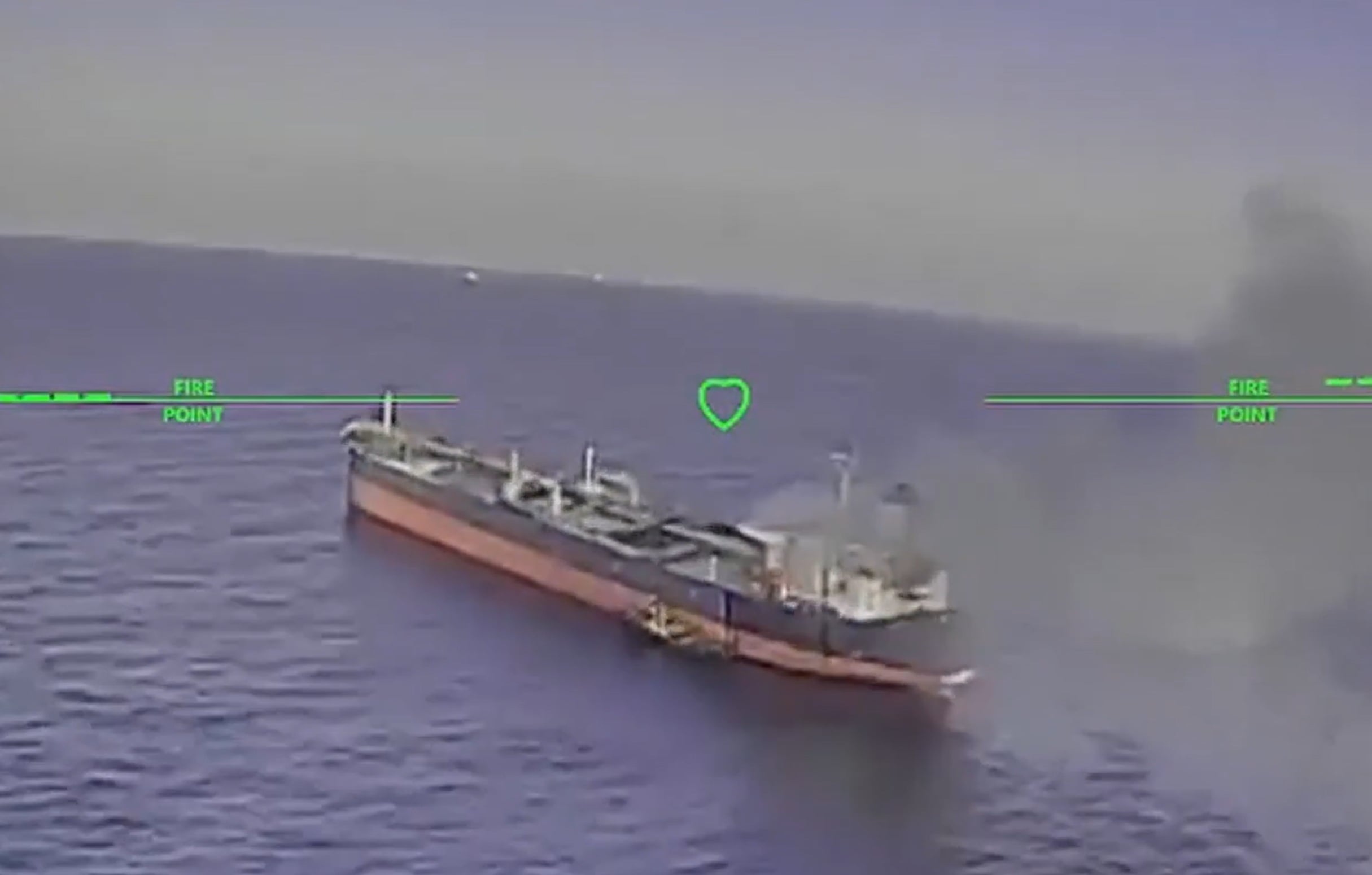
- Moscow is likely amplifying narratives that Ukraine is conducting ‘terrorism’ at sea to influence European opinion as Kyiv expands its maritime drone campaign. (Confidence: medium · ASSESSED)
- I&W: Russian MFA and state media continue to label Ukrainian maritime strikes as ‘terrorism’ and seek multilateral fora to censure Kyiv. (0-14 days)
- I&W: Russian official rhetoric reframes the campaign as military‑to‑military and drops ‘terrorism’ characterisations. (1-3 months)
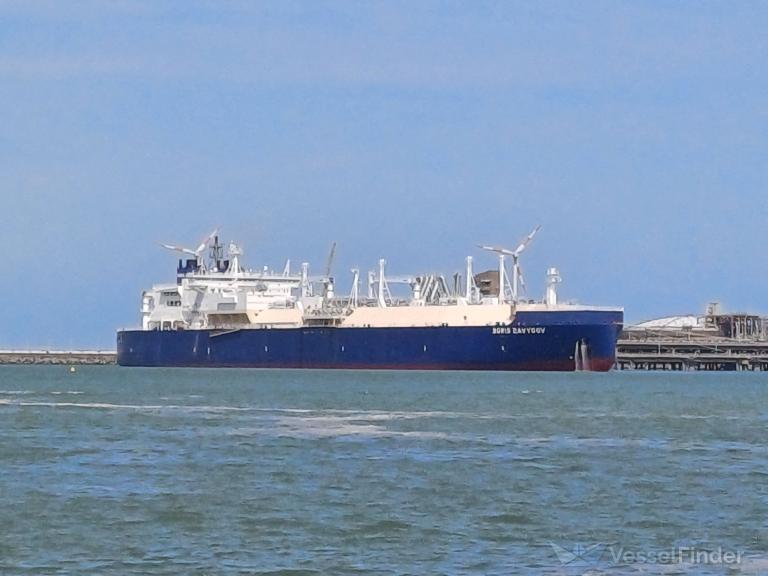
- EU cohesion on restricting Russian LNG is fragile, making it likely that Moscow retains leverage via Arctic gas logistics into Europe in the near term. (Confidence: medium · ASSESSED)
- I&W: Continuation of a Greek veto or carve‑outs for Arctic LNG carriers in EU Council deliberations, and ongoing Arc7 maintenance calls at Fayard. (0-14 days)
- I&W: Adoption of an EU package that halts Russian LNG imports and associated maritime services, accompanied by Fayard suspensions. (1-3 months)
Outlook & scenarios
Rolling hybrid pressure at a manageable tempo (60%)
Low‑level sabotage, cyber probing and periodic airspace incidents persist in Poland and the Baltics, accompanied by Russian information campaigns on maritime ‘terrorism.’ The UK, Estonia roadmap advances, improving response times, but EU divisions over LNG remain unresolved, giving Moscow economic and narrative levers without crossing NATO red lines.
Spike in hybrid escalation on the eastern flank (35%)
A coordinated incident disrupts energy or transport services in Poland or Lithuania and coincides with aggressive Russian military signalling from Kaliningrad. Public attribution points to Russia‑linked actors, prompting accelerated pre‑positioning and NATO consultations, while Moscow intensifies disinformation about Ukrainian ‘terrorism’ to complicate European messaging.
Maritime narrative fight intensifies as sanctions fissures widen (40%)
Ukraine’s maritime drone campaign continues to degrade Russian logistics. Russia escalates the ‘civilian shipping’ narrative in European debates, while Greece sustains a veto on LNG measures and Danish yard services for Arc7 carriers proceed, constraining EU leverage and complicating a unified response.
Wildcard: false‑flag incident to justify retaliation (15%)
A staged attack using Ukrainian‑branded drones is alleged against a NATO facility or Russian target, creating a pretext for Russian retaliation and heavy information operations aimed at European audiences. Verification lags generate policy confusion before forensic consensus emerges.
Recommendations
- Exploit legal discovery: request timely access to Polish court filings and ABW briefings to map any Russia‑directed tasking, crypto payment trails and recruitment methods for replication checks in neighbouring states.
- Task national CERTs and sector SOCs to hunt for infrastructure associated with Media Land and ML.Cloud, and ingest State Department reward programme indicators to prioritise takedowns and sharing with EU partners.
- Support Baltic air policing with rapid reporting mechanisms that log Russian aircraft probes from Kaliningrad, and pre‑plan public attribution packages to deter repeat incursions.
- Accelerate UK, Estonia logistics planning for pre‑positioned stocks and the Mobile Anti‑Armour Force transition, including spares, munition resupply and secure comms for rapid activation.
- Prepare counter‑narrative toolkits on maritime targeting that distinguish lawful military objectives from civilian shipping, coordinated with IMO statements, to blunt Russian ‘terrorism’ framing.
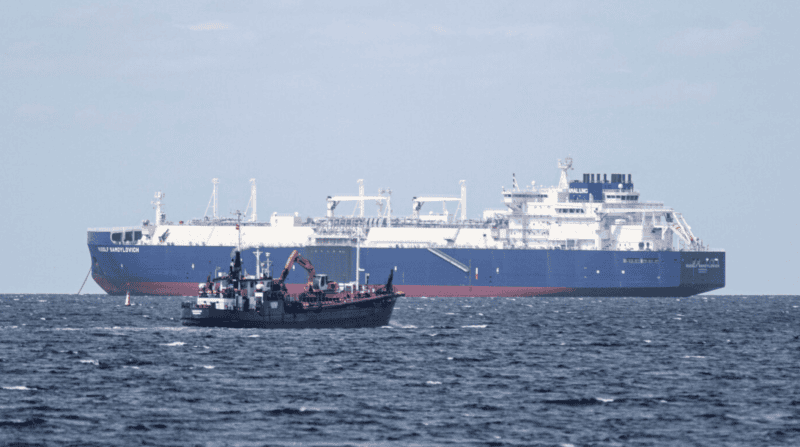
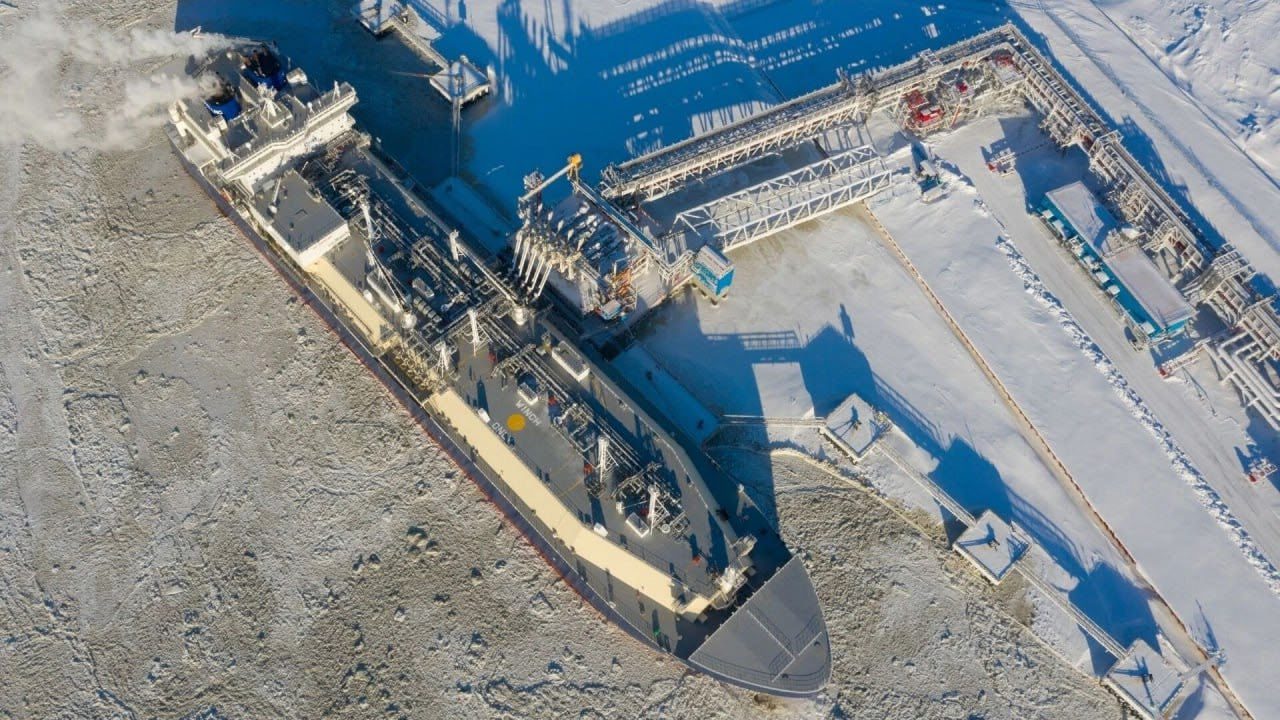
- Assess exposure to Arctic LNG pathways: compile national dependencies on Yamal flows, track Arc7 maintenance schedules at Fayard, and table contingency options ahead of the 2027 maritime‑services rule changes.
- Stand up a cross‑border incident cell focused on memory‑site vandalism and ethnic‑tension provocations, with templates for rapid community reassurance and evidence preservation to deny agitprop effects.
Confidence & uncertainty
The assessment rests on multiple, independent and generally reliable sources: official government releases on UK, Estonia defence measures, major‑media reporting on the Polish sabotage case tied to Russian intelligence, NATO‑flank air activity, and EU‑level sanctions frictions, plus think‑tank and international‑organisation statements on maritime activity. Russia‑attributed cyber activity is supported by a U.S. indictment and reward notice, although some EU and French cyber attributions come from lower‑reliability outlets, which tempers specific cyber judgments. Overall corroboration across domains is strong, with remaining uncertainties around the scale of covert networks and the timing of any escalation.
Intelligence gaps
- [EEI 1.2 · PARTIAL] Observed reconnaissance activity around critical sites indicative of attack planning (unauthorised drone flights, repeated surveillance visits, loitering vehicles, mapping/photography of assets). Recommended collection: open-source/media
- [EEI 2.1 · PARTIAL] Emergence or amplification of coordinated social-media networks (sets of accounts, pages, channels) pushing identical narratives or hashtags across multiple platforms, including bot-like activity metrics and origin IP/common management indicators. Recommended collection: social-media/OSINT
- [EEI 2.2 · UNCOVERED] Publication or internal guidance from state-run media, proxy outlets, or identified influence platforms distributing talking points, pre-scripted messaging, or translated content targeted at specific EU countries/communities. Recommended collection: open-source/media
- [EEI 2.3 · UNCOVERED] Distribution of manipulated multimedia (deepfakes), targeted phishing/whaling campaigns, or localized false narratives timed to political events (elections, protests, court rulings) with tracked reach and engagement metrics. Recommended collection: cyber/forensic
- [EEI 3.1 · PARTIAL] Unusual financial transactions: wire transfers, crypto conversions, or payments to shell companies, NGOs or individuals exceeding typical baselines that link to known proxies or front organisations. Recommended collection: financial
- [EEI 3.2 · UNCOVERED] Travel and movement indicators for suspected operatives: repeated border crossings, chartered/irregular flights, booking patterns or mobile/location data placing identified individuals in staging areas shortly before incidents. Recommended collection: border/immigration
- [EEI 3.3 · UNCOVERED] Cargo, freight or maritime movements with discrepancies (concealed/dual-use equipment, false manifests, unusual routing) detected at ports, rail hubs or via AIS that correspond to deliveries of material used in sabotage or influence operations. Recommended collection: customs/ports
- [EEI 3.4 · PARTIAL] Intercepted or otherwise-obtained communications showing tasking, coordination, or payment instructions between Russian agencies/handlers and proxy groups, including identified command-and-control servers or encrypted group identifiers. Recommended collection: signals-intel/SIGINT
Cited sources
[1] BBC · Teenager accused of carrying out sabotage actions in Poland for Russia (A) · sha256:ee7765623d22 [2] cyberscoop.com · Russian trio indicted for allegedly running bulletproof hosting providers that spurred cybercrime (A) · sha256:00cd77b0e8e7 [3] Белый Парус · Для чего Европе миф о «российских хакерах» » Белый Парус (E) · sha256:20f62b5f46fd [4] tsn.ua · В НАТО заметили тревожный сигнал от РФ: в Польше раскрыли, к чему готовится Кремль (B) · sha256:bd323e9a781b [5] UK Government · European security strengthened under landmark UK and Estonia agreement (A) · sha256:934a6489f1f7 [6] gcaptain.com · Ukraine Says Drone Campaign Has Hit 147 Russian-Linked Vessels in 11 Days (B) · sha256:1f600b2607ea [7] maritime-executive.com · Video: Ukraine's Tally of Russian Shipping Strikes Rises to 147 (B) · sha256:d05d71af7310 [8] understandingwar.org · Russian Offensive Campaign Assessment, July 16, 2026 (B) · sha256:66ded14b50f2 [9] gcaptain.com · EU’s Next Russia Sanctions Package Adrift Following Greek Veto to Protect Arctic LNG Shipping Interests (B) · sha256:baa4eebe27a4 [10] maritime-executive.com · Report: Greece Blocks EU Sanctions on Yamal LNG to Protect Shipowners (B) · sha256:23fc56ee8b3a [11] forbes.com · Europe’s Disunity Undermines Sanctions Against Russia (B) · sha256:9c5bc9e47e29 [12] gcaptain.com · EU Lawmakers Urge Denmark’s Fayard to Halt Servicing of Russian Arctic LNG Fleet (B) · sha256:54502bfceba7
Source content hashes were computed at collection time; the cited text is preserved unmodified for the life of this product.
Red cell review: CONCUR WITH COMMENT
TLP:CLEAR