TLP:CLEAR · Disclosure is not limited.
Europe: Russia-linked hybrid pressure broadens near NATO territory
Time window: Last 1 day · Audience: General analyst · Type: Situation report · DTG: 2026-09-15 01:36Z · Overall confidence: HIGH
BLUF
Russia-linked hybrid pressure against Europe is very likely to persist and broaden across sabotage, drones, cyber operations and influence activity. The immediate danger is repeated incidents near NATO territory rather than an open Russia-NATO conflict, although the 13 September strikes near Poland and the 14 September recovery of a suspected Russian military drone in the Baltic increase the risk of miscalculation.
Executive summary
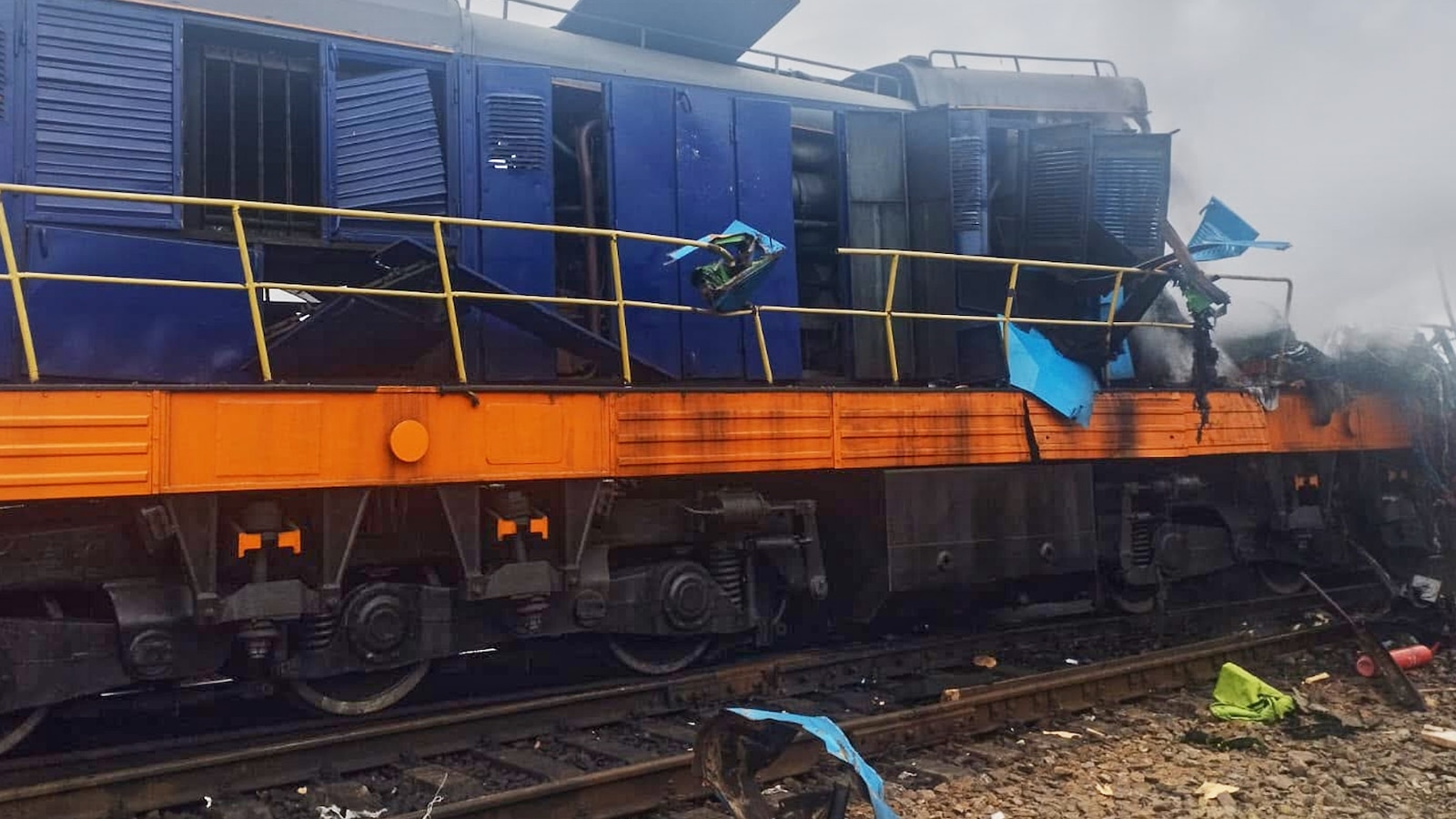
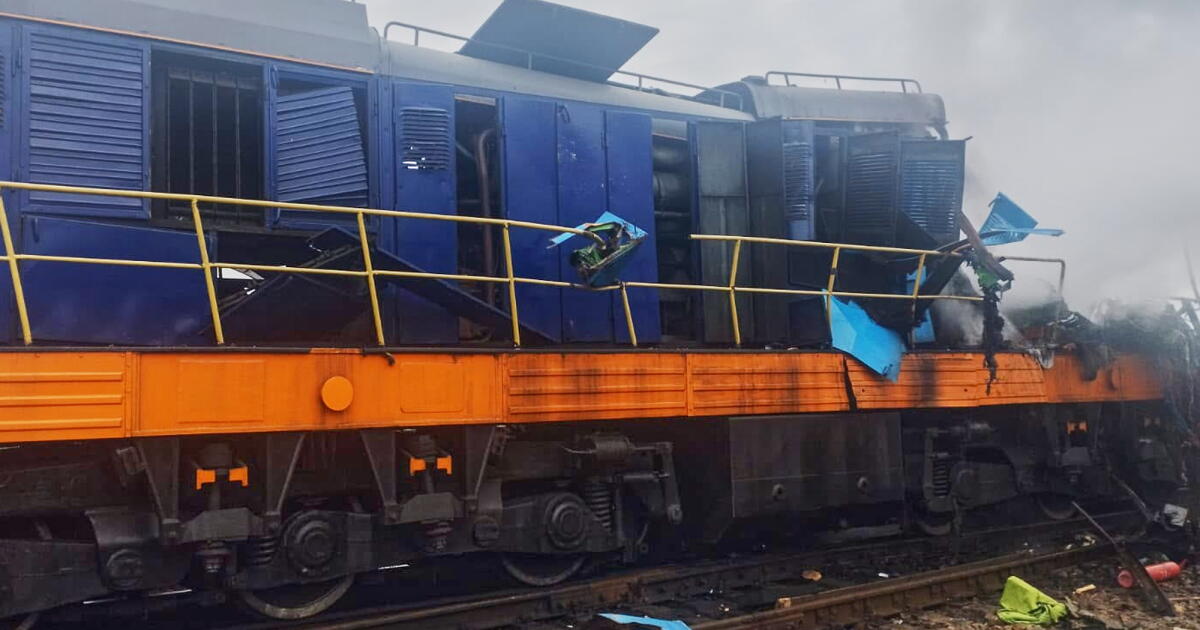
Reporting from 13 to 15 September 2026 indicates a widening pattern of Russia-linked pressure against European transport, defence, cyber and maritime infrastructure. Russian drones struck a train and other targets near the Ukraine-Poland border on 13 September, while Poland recovered a suspected Russian military drone near Jaroslawiec on 14 September. Germany responded to the Leipzig/Halle Airport incident by closing Russian facilities and tightening proposed measures. Bulgaria opened investigations after explosions at an EMCO ammunition facility, and reporting links shadow-fleet vessels to cable-cutting incidents and drone activity. NATO and the EU are discussing responses, but reporting conflicts over NATO's formal planning status and the exact rollover of EU sanctions.
Change from previous assessment
Since the 14 September 2026 brief, the assessment of a geographically dispersed Russia-linked campaign is strengthened by reporting on the 12 September explosions at Bulgaria's EMCO ammunition facility, Poland's 14 September recovery of a suspected Russian military drone near Jaroslawiec, and additional reporting linking the shadow fleet to cable-cutting incidents and drone sightings. Germany's response has moved from announced measures to reported closure of the Russian consulate in Bonn and a Russian cultural centre in Berlin. The assessment that an open Russia-NATO clash is unlikely remains unchanged, but the warning picture is broader because European capitals are discussing Article 5 implications and NATO's response posture remains contested. Current reporting still does not establish whether the train or the passing diplomatic delegation near the Ukraine-Poland border was specifically targeted.
Key judgments
- It is very likely that Russia-linked hybrid pressure against Europe is broadening across sabotage, explosive drones, cyber operations and influence activity. Reported cases include the Leipzig/Halle Airport drone incidents in Germany, explosions at the EMCO ammunition facility in Bulgaria on 12 September, the Server Killers cyber campaign against Norway's Digdir, and a reported eightfold increase in European gray-zone operations between 2022 and 2024. The pattern is stronger than the attribution of individual incidents: German authorities blamed Moscow for Leipzig/Halle, while other reporting describes the perpetrators as unknown or only suspected of pro-Russian links. The assessment therefore rests on a corroborated regional pattern but mixed case-level attribution. (Confidence: medium · ASSESSED)
- I&W: Confirming: European authorities publicly attribute another sabotage, drone or cyber incident to Russia or a named Russia-linked group after forensic or intelligence review. (0-14 days)
- I&W: Breaking: Investigations into Leipzig/Halle, EMCO and related cases establish non-Russian perpetrators and no common Russia-linked operational pattern. (1-3 months)
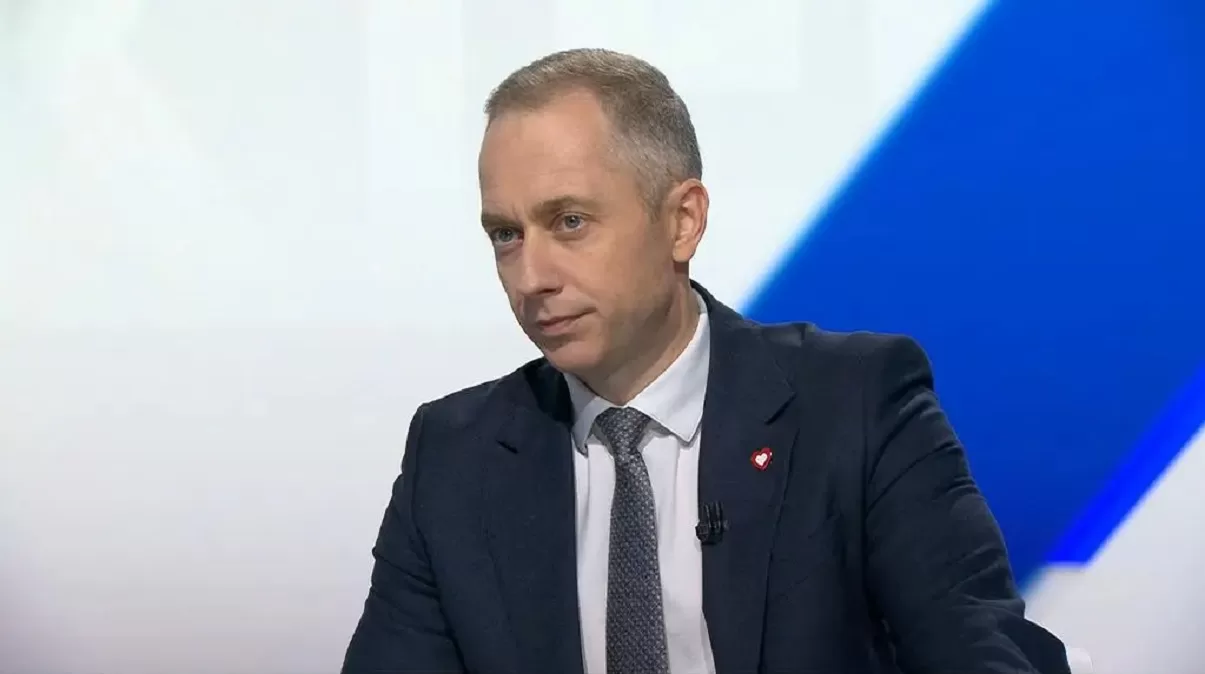
- Russian military activity near NATO territory is very likely to continue over the next 1-3 months, while an open Russia-NATO kinetic conflict remains unlikely. On 13 September, Russian drones struck a train near the Ukraine-Poland border and two drones landed within kilometres of Polish territory; on 14 September, Poland announced recovery of a suspected Russian military drone near Jaroslawiec. Donald Tusk warned that escalation could affect Polish territory, while Cezary Tomczyk said there was no confirmed scenario of direct Russian aggression against NATO. The assessment is medium confidence because European capitals are discussing Article 5 implications, but NATO's formal response planning remains disputed. (Confidence: medium · ASSESSED)
- I&W: Confirming: Polish or NATO authorities report another Russian-origin drone strike, airspace incursion or wreckage within Polish territory or adjacent Baltic waters. (0-14 days)
- I&W: Breaking: A Russian-origin munition causes casualties or damage in Poland, or NATO begins formal collective-defence consultations in response to an incident. (0-14 days)
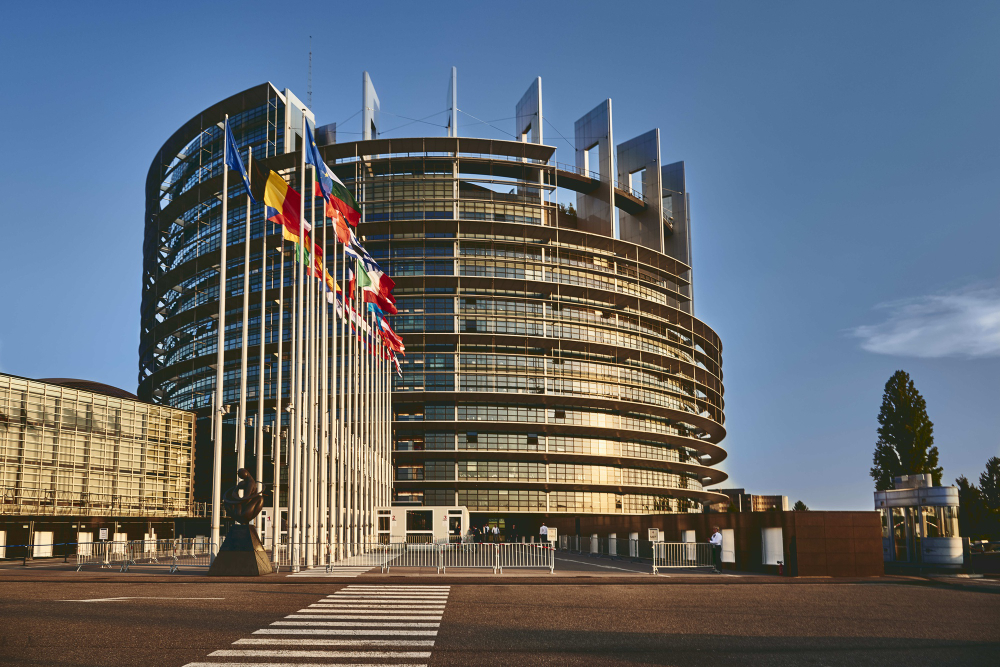
- European governments are very likely to sustain a harder response to Russia-linked incidents, but coordination will remain uneven. Germany has closed the Russian consulate in Bonn and a Russian cultural centre in Berlin, while NATO and the EU are discussing responses to sabotage, cyberattacks and attacks on critical infrastructure. The European Parliament is preparing votes on hybrid warfare, foreign interference and defence investment. EU sanctions reporting shows an initial failure to reach agreement followed by a reported seven-day extension, but sources disagree on the exact expiry date and on the scope of proposed delistings. The response assessment is medium confidence because the policy direction is corroborated, while the sanctions position contains unresolved contradictions. (Confidence: medium · ASSESSED)
- I&W: Confirming: The European Parliament votes on 16 September on its hybrid-warfare resolution and defence-investment legislation, while Germany implements its announced restrictions on Russian facilities and travel. (0-14 days)
- I&W: Breaking: EU member states allow the Russia sanctions regime to lapse or fail to agree a new rollover after the reported 22 September deadline. (0-14 days)
- It is likely that Russia-linked shadow-fleet activity will remain a recurring vector for maritime pressure against Europe, while the attribution of specific incidents remains thin. The EUISS reports links between shadow-fleet vessels and cable-cutting incidents and drone sightings; Finnish authorities seized the Fitburg after suspecting it of intentionally severing undersea telecommunications cables in the Gulf of Finland. European navies have boarded stateless vessels, while Russian warships reportedly escort shadow-fleet vessels in the Gulf of Finland and the English Channel. This is a low-confidence assessment because the operational links rely heavily on think-tank reporting and the Fitburg case has not been presented as a completed attribution. (Confidence: low · ASSESSED)
- I&W: Confirming: European authorities board or seize another shadow-fleet vessel in the Gulf of Finland or the English Channel, or report a Russian naval escort during the operation. (1-3 months)
- I&W: Breaking: Finnish investigators exclude the Fitburg from the cable-cutting case and European authorities report no additional shadow-fleet link to cable damage or drone activity. (1-3 months)
- European political support for Ukraine is likely to persist over the next 1-3 months, although domestic contestation will intensify, particularly in Italy. Mark Rutte said the Russian strikes near Poland would drive increased NATO support for Ukraine, while Giorgia Meloni, Elly Schlein, Lorenzo Guerini and Filippo Sensi support continued assistance. Giuseppe Conte is calling for an end to weapons shipments, and Matteo Salvini remains a critical voice within Italy's governing majority. The assessment is medium confidence because the Italian reporting is from local media and the wider European political effect of Russian influence activity remains difficult to measure. (Confidence: medium · ASSESSED)
- I&W: Confirming: The European Parliament calls for additional support to Ukraine on 16 September and Italy's government reiterates continued assistance despite opposition from Giuseppe Conte and Matteo Salvini. (0-14 days)
- I&W: Breaking: Italy's governing majority adopts Conte's position against further weapons shipments or EU support measures fail because of sustained member-state opposition. (1-3 months)
Outlook & scenarios
Persistent below-threshold campaign (65%)
The most likely scenario is continued Russia-linked sabotage, cyber activity, drone operations and influence campaigns across Europe. Incidents remain below the threshold of a direct Russia-NATO conflict, but repeated attacks near Poland, Germany, Bulgaria, Norway and European maritime routes keep pressure on governments and public support for Ukraine.
European hardening without kinetic escalation (45%)
European governments sustain a tougher collective response through new sanctions, restrictions on Russian facilities, stronger border security, defence-investment measures and action against the shadow fleet. NATO and the EU improve coordination while avoiding direct military confrontation with Russia.
Kinetic spillover into NATO territory (20%)
A Russian-origin drone or munition crosses into NATO territory or causes damage in Poland or another member state. Poland and other allies demand formal consultations, and the existing debate over whether cumulative hybrid attacks justify Article 5 intensifies. The immediate result is likely to be a sharp rise in military alerting and support for Ukraine rather than an automatic open war.
Wildcard: maritime confrontation (10%)
A European navy boards an allegedly stateless shadow-fleet vessel while Russian warships escort it in the Gulf of Finland or the English Channel. The encounter produces a direct Russia-Europe maritime confrontation, disrupting sanctions enforcement and forcing European governments to establish clearer rules for future boardings.
Recommendations
- For the next 0-14 days, maintain a named incident watch covering western Ukraine near the Polish border, Jaroslawiec, Leipzig/Halle Airport, the EMCO ammunition facility in Bulgaria, Norway's Digdir and the Gulf of Finland. Record the incident date, platform, target, damage, attribution source and forensic status separately.
- Use a two-track attribution process in all reporting. Distinguish the occurrence of an incident, an official attribution to Russia and independently corroborated evidence of Russian direction or support. Do not treat German official blame for Leipzig/Halle as equivalent to completed forensic confirmation.
- Track concrete escalation indicators: Russian-origin drones or wreckage in Polish territory, a new strike near NATO borders, Russian naval escorts during European boardings, and public findings from the Leipzig/Halle, EMCO and Fitburg investigations.
- Verify the EU sanctions position against primary EU records before using the reported 22 September expiry date. Treat the conflicting reports on the seven-day rollover, the initial failure to extend sanctions and proposed delistings as unresolved until the final legal text is available.
- Assess European political cohesion through the 16 September European Parliament votes and Italy's policy debate. Monitor whether Giorgia Meloni's government maintains support for Ukraine, whether Giuseppe Conte's position gains parliamentary backing, and whether Matteo Salvini converts criticism into a government policy change.
- Keep separate forward scenarios for persistent below-threshold activity and direct NATO spillover. Raise the escalation assessment only when an incident produces confirmed damage or casualties on NATO territory, a verified Russian military platform enters NATO airspace or waters, or allies begin formal collective-defence consultations.
Confidence & uncertainty
Overall confidence is high because the core incidents, official responses and policy measures are reported across major media, wire services, multilateral sources, European institutional material and specialist research. The principal uncertainties concern attribution of Leipzig/Halle and EMCO, the operational significance of the shadow-fleet links, NATO's formal planning status and the exact EU sanctions rollover date.
Intelligence gaps
- [EEI 1.2 · PARTIAL] Observed reconnaissance activity around critical sites indicative of attack planning (unauthorised drone flights, repeated surveillance visits, loitering vehicles, mapping/photography of assets). Recommended collection: open-source/media
- [EEI 1.3 · PARTIAL] Law-enforcement or customs seizures, arrests or interdictions of persons or shipments carrying explosives, sabotage tools, specialty cutting/electrical equipment, or covert comms gear destined for/near critical infrastructure. Recommended collection: law enforcement
- [EEI 2.1 · UNCOVERED] Emergence or amplification of coordinated social-media networks (sets of accounts, pages, channels) pushing identical narratives or hashtags across multiple platforms, including bot-like activity metrics and origin IP/common management indicators. Recommended collection: social-media/OSINT
- [EEI 2.2 · UNCOVERED] Publication or internal guidance from state-run media, proxy outlets, or identified influence platforms distributing talking points, pre-scripted messaging, or translated content targeted at specific EU countries/communities. Recommended collection: open-source/media
- [EEI 2.3 · UNCOVERED] Distribution of manipulated multimedia (deepfakes), targeted phishing/whaling campaigns, or localized false narratives timed to political events (elections, protests, court rulings) with tracked reach and engagement metrics. Recommended collection: cyber/forensic
- [EEI 3.1 · UNCOVERED] Unusual financial transactions: wire transfers, crypto conversions, or payments to shell companies, NGOs or individuals exceeding typical baselines that link to known proxies or front organisations. Recommended collection: financial
- [EEI 3.2 · UNCOVERED] Travel and movement indicators for suspected operatives: repeated border crossings, chartered/irregular flights, booking patterns or mobile/location data placing identified individuals in staging areas shortly before incidents. Recommended collection: border/immigration
- [EEI 3.4 · UNCOVERED] Intercepted or otherwise-obtained communications showing tasking, coordination, or payment instructions between Russian agencies/handlers and proxy groups, including identified command-and-control servers or encrypted group identifiers. Recommended collection: signals-intel/SIGINT
Cited sources
[1] Washington Monthly · Europe Struggles to Respond to Russian Attacks (B) · Mon Sep 14 2026 09:00:00 GMT+0000 (Coordinated Universal Time) · sha256:afec73a253bb [2] UA.News · Brussels discusses response to intensified Russian hybrid attacks — Politico Europe (B) · Mon Sep 14 2026 16:36:29 GMT+0000 (Coordinated Universal Time) · sha256:6beb3cf59060 [3] The Jamestown Foundation · Russia Remains Absorbed with Europe Amid BRICS Summit (B) · Mon Sep 14 2026 21:02:15 GMT+0000 (Coordinated Universal Time) · sha256:6741cd16c31d [4] Decode39 · Russia continues to divide Italian politics: Why defending Ukraine matters (D) · Mon Sep 14 2026 14:36:25 GMT+0000 (Coordinated Universal Time) · sha256:0b92205c882d [5] Ukrinform · Jade McGlynn, expert with King’s College London (B) · Mon Sep 14 2026 13:00:00 GMT+0000 (Coordinated Universal Time) · sha256:4cd1327ac0b2 [6] Los Angeles Times · Zelensky says Ukraine will pause strikes on Russia if Kremlin spares critical infrastructure - Los Angeles Times (A) · Mon Sep 14 2026 16:24:30 GMT+0000 (Coordinated Universal Time) · sha256:5edb5410910b [7] Associated Press (published on ABC News) · Poland pledges to strengthen security after drone strikes along border with Ukraine (A) · Mon Sep 14 2026 11:35:50 GMT+0000 (Coordinated Universal Time) · sha256:fb1502e29133 [8] Glavnoe (glavnoe.in.ua) · Poland warns of new Russian scenarios after attacks on western Ukraine | Ukraine Top News (D) · Mon Sep 14 2026 10:21:53 GMT+0000 (Coordinated Universal Time) · sha256:2e585dbcf8da [9] PubAffairs Bruxelles (content sourced from the European Parliament) · The Week Ahead 14 – 20 September 2026 - PubAffairs Bruxelles (C) · Mon Sep 14 2026 13:43:42 GMT+0000 (Coordinated Universal Time) · sha256:8a2c6a751e65 [10] Kyiv Post · EU Extends Russia Sanctions for 7 Days Amid Dispute Over Delistings (B) · Mon Sep 14 2026 17:16:14 GMT+0000 (Coordinated Universal Time) · sha256:1183676b13e1 [11] Al Jazeera · Finland shelters under French nuclear umbrella amid Russian, US uncertainty (A) · Mon Sep 14 2026 20:20:20 GMT+0000 (Coordinated Universal Time) · sha256:4392cb183cea [12] European Union Institute for Security Studies (EUISS) · Out of the shadows and into the fire: Next steps in fighting Russia's shadow fleet (B) · Mon Sep 14 2026 07:39:49 GMT+0000 (Coordinated Universal Time) · sha256:add46d5ee30c
Source content hashes were computed at collection time; the cited text is preserved unmodified for the life of this product.
TLP:CLEAR